9 Dangerous Liquids in Your Home That Can Catch Fire Fast
I’ve seen small mistakes inside perfectly normal homes turn into serious fire hazards. Not because someone was careless. But because they didn’t realize what was sitting on a shelf just a few feet away.
Most of us keep gasoline in the garage, rubbing alcohol in the bathroom, cleaning solvents under the sink, and lighter fluid near the grill. They feel harmless. Everyday. Ordinary.
But many of these are highly flammable liquids in the home — and the real danger isn’t always obvious.
What makes them risky isn’t just the liquid itself. It’s the vapors they release. Those vapors can spread quietly through the air and ignite from something as simple as a water heater, a furnace, or even a small electrical spark.
The problem is, most people don’t think about storage. We focus on use. We tighten the cap and move on. But where and how you store these liquids matters just as much as how you use them.
In this guide, I’m going to break down the specific household liquids that pose the highest fire risk — and more importantly, how you can store them safely without overcomplicating your life.
Before we move forward, take a quick mental inventory.
Do you know exactly where your most flammable products are stored right now?
How Flammable Liquids Cause Household Fires
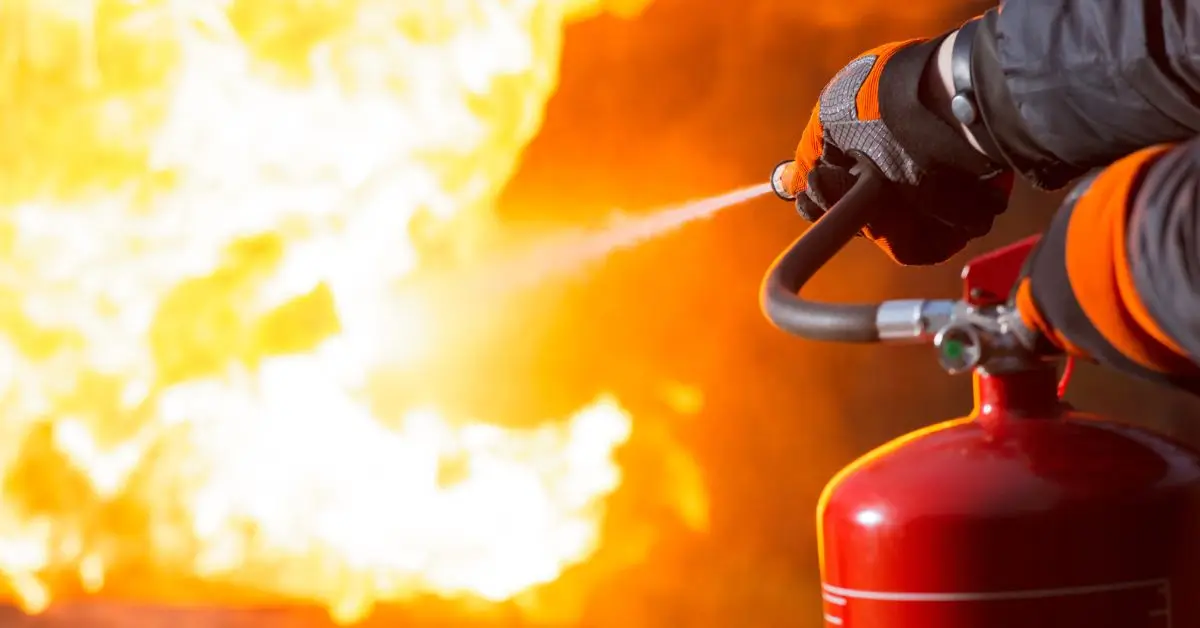
Most people assume a fire only starts when liquid touches a flame.
That’s rarely the case.
In homes I’ve evaluated, the bigger danger wasn’t the liquid in the container — it was the invisible vapor in the air. When a flammable liquid evaporates, it releases fumes. Those fumes mix with oxygen, and if they meet heat or a spark, ignition can happen instantly.
And the spark doesn’t need to be dramatic. If you regularly use a wood-burning fireplace, you should also understand the hidden indoor risks it creates — especially the health effects most homeowners overlook in this guide on Dangerous Health Risks of Wood Burning Fireplaces
Inside a typical home, ignition sources include:
- Pilot lights in water heaters
- Gas furnaces
- Electrical outlets and switches
- Space heaters
- Static electricity
- Power tools in the garage
Here’s what makes this serious: vapors travel. If a gas can or solvent bottle is left open, the fumes can move across the floor and ignite several feet away from where the container sits.
The Emergency Medical Services Authority explains that vapors from improperly stored flammable liquids can ignite quickly and cause flash fires when near heat sources.
Heat increases evaporation. More evaporation means more vapor. More vapor means higher fire risk.
If you understand this one concept — vapor is often the real threat — you’ll start thinking differently about where you store things.
Take a second and think about your garage or laundry area.
Are any flammable products sitting near appliances that generate heat?
How to Know if a Household Liquid Is Flammable
You don’t need a chemistry degree to identify risk.
You just need to read labels carefully.
Most warning signs are printed clearly — we just overlook them.
Here’s what I personally check when reviewing products in a home.
1. Warning Words on the Label
Look for:
- Flammable
- Highly flammable
- Combustible
- Keep away from heat or open flame
- Vapors may ignite
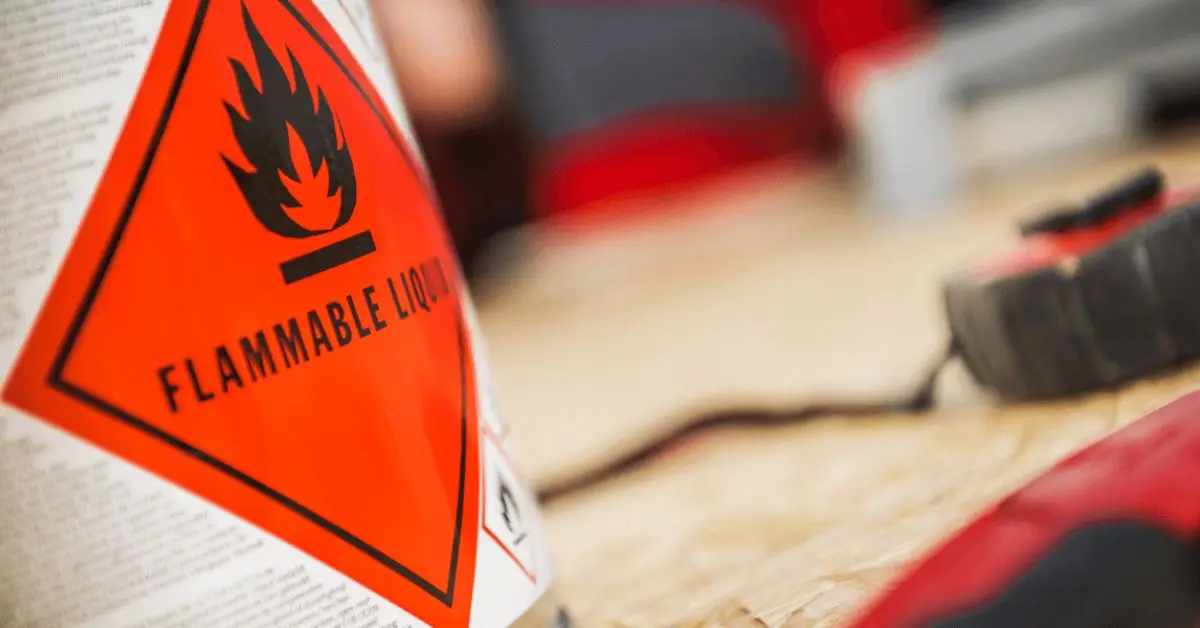
If you see a flame symbol, treat the product seriously.
2. Flash Point Information
Some containers list something called a “flash point.”
Flash point is the lowest temperature at which a liquid produces enough vapor to ignite.
A lower flash point means the product can ignite at normal room temperature. That’s when risk becomes very real inside enclosed areas like garages or storage closets.
3. Flammable vs. Combustible — Practical Difference
Here’s the simple way to understand it:
- Flammable liquids ignite at lower temperatures.
- Combustible liquids need higher heat but will still burn once that temperature is reached.
Both require safe storage. One just gives you less margin for error.
Quick Self-Check Before Storing Any Product
Before you put something back on a shelf, ask yourself:
- Does it have a flame icon?
- Does it warn about vapors?
- Is it near heat, wiring, or appliances?
- Is the lid tightly sealed?
- Is it out of reach of children?
If any answer makes you uncomfortable, it’s worth adjusting the storage location.
Now that you understand how fires actually start — and how to identify risky liquids — let’s move to the specific household products that deserve your attention.
9 Highly Flammable Household Liquids You Likely Have
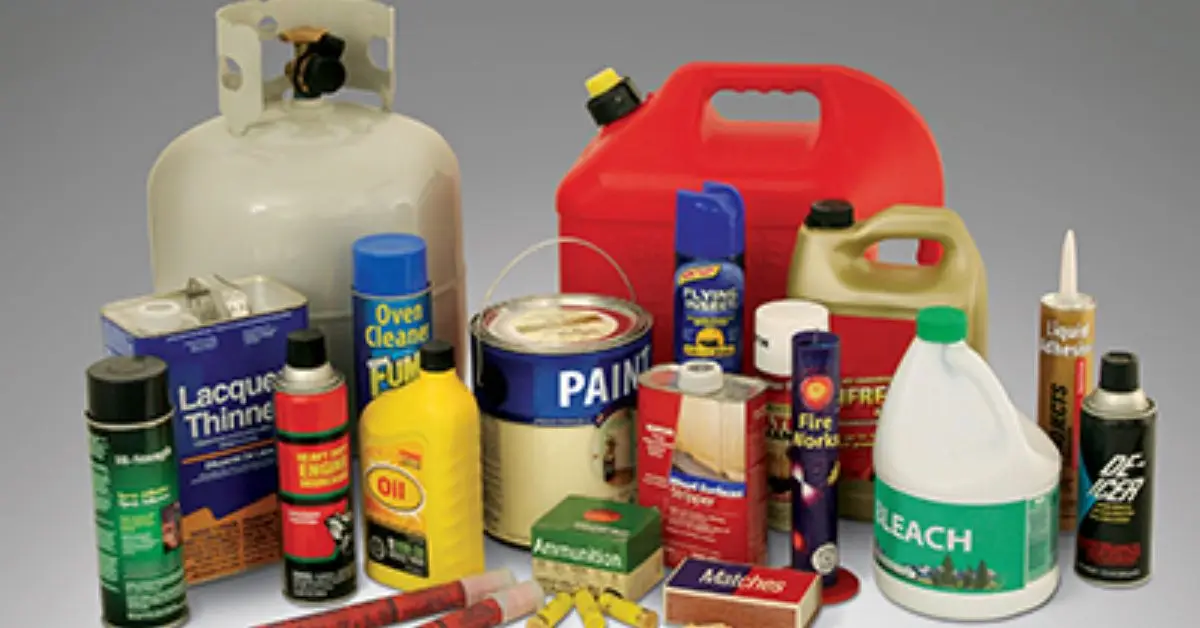
Most homes don’t look dangerous.
But when I walk through a garage, laundry room, or bathroom, I can usually spot multiple flammable liquids in the home within minutes.
The risk isn’t rare. It’s normal.
Below are the nine liquids I see most often — along with why they’re risky and where people typically store them.
1. Gasoline
- What it is / where it’s found: Fuel for cars, lawnmowers, generators, stored in gas cans.
- Why it’s flammable: Gasoline has an extremely low flash point. It evaporates quickly, and the vapors can ignite at room temperature. The fumes are heavier than air, which means they spread along the floor.
- Typical storage locations: Garage corners, sheds, near vehicles, sometimes too close to water heaters or electrical panels.
If you store gasoline indoors, ventilation and distance from heat sources are critical.
2. Paint Thinner / Turpentine
- What it is / where it’s found: Used to thin oil-based paint or clean brushes.
- Why it’s flammable: These solvents release vapors that ignite easily, especially in warm spaces. Even partially sealed containers can emit fumes.
- Typical storage locations: Garage shelves, workshop cabinets, basement storage rooms.
Many homeowners forget that old paint supplies still carry the same fire risk.
3. Acetone (Nail Polish Remover)
- What it is / where it’s found: Common in nail polish remover and some cleaning products.
- Why it’s flammable: Acetone evaporates quickly and produces highly flammable vapors. It can ignite from small sparks or static discharge.
- Typical storage locations: Bathroom drawers, bedroom vanities, beauty cabinets.
Because bathrooms often have electrical outlets and hair styling tools, storage location matters more than most people think.
4. Rubbing Alcohol (Isopropyl or Ethanol)
- What it is / where it’s found: Used for cleaning wounds, disinfecting surfaces, and sanitizing.
- Why it’s flammable: Alcohol evaporates easily and ignites quickly. Higher concentrations increase fire risk.
- Typical storage locations: Bathroom cabinets, first-aid kits, under sinks.
When used near candles or heat sources, it becomes significantly more dangerous.
5. Aerosol Products (Hair Spray, Deodorant, Spray Paint)
- What it is / where it’s found: Pressurized cans used for grooming, cleaning, or painting.
- Why it’s flammable: Many aerosols contain flammable propellants. The fine mist they release increases surface area, which increases ignition risk.
- Typical storage locations: Bathroom shelves, bedroom dressers, garages.
Heat exposure can also cause cans to rupture.
6. Lighter Fluid / Charcoal Starter
- What it is / where it’s found: Used for grills, fire pits, and fireplaces.
- Why it’s flammable: Designed to ignite easily. Vapors can accumulate quickly if containers are not sealed tightly.
- Typical storage locations: Garage shelves, outdoor storage bins, near grills.
Improper storage near heat or direct sunlight increases risk.
7. Cleaning Solvents / Adhesives
- What it is / where it’s found: Products like contact cement, glue removers, degreasers.
- Why it’s flammable: Many contain petroleum-based solvents that release combustible vapors.
- Typical storage locations: Under sinks, utility closets, workshop drawers.
Because these are labeled as “cleaning products,” people often underestimate their fire potential.
8. Kerosene / Home Heating Fuel
- What it is / where it’s found: Used in space heaters or older heating systems.
- Why it’s flammable: Kerosene has a higher flash point than gasoline but can still ignite under the right conditions, especially when exposed to open flame.
- Typical storage locations: Garages, sheds, utility rooms.
Improper container storage increases spill and vapor risks.
9. Cooking Oils (High-Temperature Grease Risk)
- What it is / where it’s found: Vegetable oil, canola oil, olive oil — everyday kitchen staples.
- Why it’s flammable: While cooking oils don’t ignite at room temperature, they become highly flammable at high heat. Grease vapors can ignite rapidly once the oil reaches its ignition point.
The International Fire & Safety Journal explains that cooking oils pose serious fire hazards when overheated, particularly in kitchen environments.
Typical storage locations: Kitchen cabinets, countertops near stoves.
Most lists ignore cooking oil because it feels “safe.” But kitchen grease fires are one of the most common household fire types. And if you have a fireplace at home, make sure you’re not creating additional fire hazards around it — here are 10 Things You Should Never Put Around Your Fireplace
Take a moment and mentally walk through your home.
How many of these liquids are sitting within 10 feet of a heat source right now?
Where Not to Store Flammable Liquids in the Home
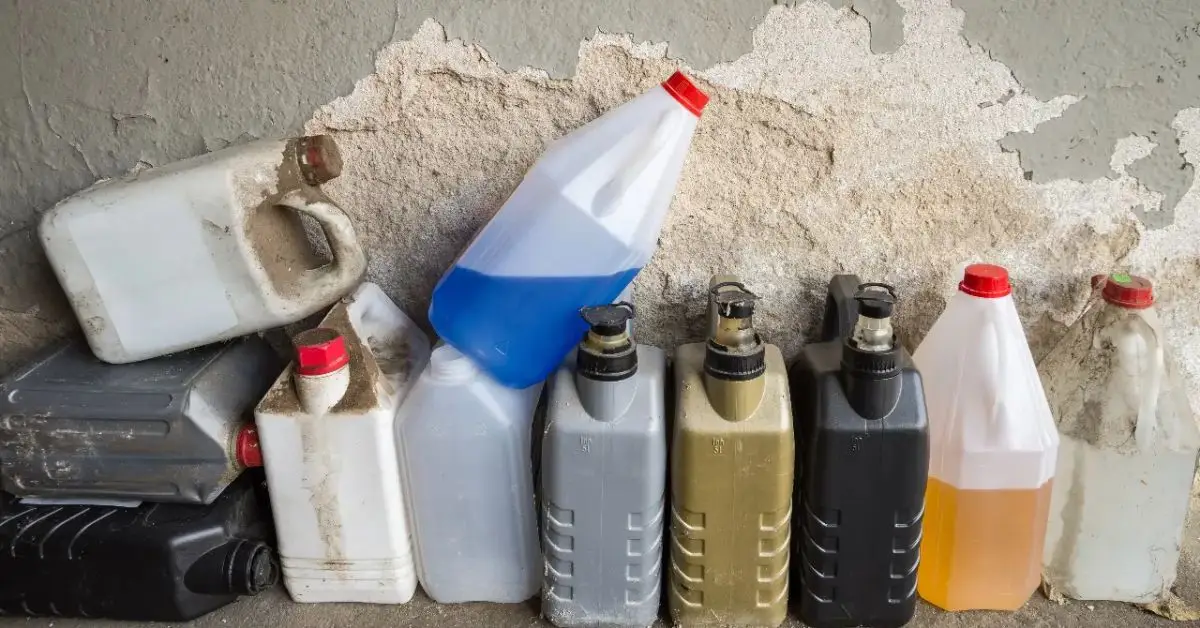
Lists of dangerous liquids are helpful — but the real danger often lies in where they are kept.
You can have just one can of solvent or a bottle of fuel, and if it’s stored in the wrong place, the fire risk increases dramatically.
Here are storage zones I consistently see that most guides fail to warn about clearly:
1. Near Heat-Producing Appliances
This includes:
- Furnaces
- Water heaters
- Cooking ranges
- Electrical panels
- Space heaters
Even closed containers emit vapors. Heat increases vapor release, and that’s when ignition becomes likely.
If your home uses both central heating and a fireplace, you should understand how they interact — read this practical guide on Should Your Heater Stay On When the Fireplace Is Burning?
People underestimate this because the container looks fine — but combustion doesn’t start with the liquid touching fire. It starts when vapors meet a heat source.
2. Inside Living Spaces
Bedrooms, hall closets, laundry rooms — these might feel like safe spaces. But they often contain:
- Electrical outlets
- Light fixtures
- Wiring behind walls
Storing flammable liquids here increases the odds of accidental ignition just from normal household activity.
3. Under Sinks or in Unventilated Closets
Under-sink cabinets and closed closets trap fumes.
You might have rubbing alcohol, paint thinner, or cleaning solvents stored here. Without ventilation:
- Vapors accumulate
- They linger near electrical outlets or garbage disposal wiring
- You don’t even realize the danger until something sparks
4. Basements and Attics Without Fire Controls
Basements often house furnaces and circuit boxes. Attics trap heat during warmer months.
Both spaces lack ventilation and easy escape routes, making them risky for storing anything that emits combustible vapors.
When you think about storage, ask this simple question:
Would I feel confident if a small spark happened here right now?
If the answer isn’t a clear yes, move the liquid.
Safe Storage Best Practices
Now that you know where not to store flammable liquids, let’s look at how to store them safely — practical advice you can use today.
1. Use Approved Containers — Not Random Bottles
Original containers are not just convenient — they’re designed to:
- Contain vapors
- Reduce leaks
- Provide accurate hazard labeling
If a container looks worn, replace it. Never transfer gasoline or solvents into unmarked or food containers.
2. Store in Cool, Ventilated Spaces
Heat increases vapor release. Ventilation disperses vapors.
The safer storage areas are:
- Detached sheds with good air flow
- Garage corners away from heaters
- Well-ventilated utility rooms
According to insights from UL Solutions on flammable liquids found around the house (the types of products people commonly overlook), proper awareness of what you have and where you store it can significantly reduce household fire risk.
This guidance helps you think beyond the list — to how the product actually behaves in your space.
3. Keep a Safe Distance from Heat and Other Chemicals
Safe storage isn’t just about a shelf.
Keep flammable liquids:
- Away from heat and electrical equipment
- Separate from oxidizers or corrosives
- Out of reach of children and pets
Distance limits how easily vapors spread and how likely they are to encounter ignition sources.
4. Consider a Flammable Storage Cabinet
If you have multiple flammable products — especially solvents, fuels, or paints — a dedicated storage cabinet is worth it.
These cabinets:
- Are designed to contain spills
- Provide fire resistance
- Help organize storage safely
You don’t need one for a single bottle. But if your garage shelf looks cluttered with flammables, investing in proper storage brings peace of mind.
5. Adopt Professional Habits
People who work with flammable liquids regularly follow the same simple rules:
- Never leave containers open
- Clean spills immediately
- Label everything clearly
- Rotate older products out so they don’t degrade
Applying those habits at home doesn’t take effort. But it reduces risk significantly.
Quick Safety Checklist You Can Use Today
Most people don’t need more information.
They need something simple they can act on.
If you do nothing else after reading this guide, run through this checklist today. It takes five minutes — and it could prevent a disaster.
Home Flammable Liquid Safety Check
Identification
- Have I checked labels for “flammable” or “combustible” warnings?
- Do I know which products in my home release vapors?
- Are any containers damaged or unmarked?
Storage Location
- Are flammable liquids stored away from furnaces, water heaters, and stoves?
- Are they kept out of bedrooms and main living spaces?
- Are they stored away from electrical panels and outlets?
Ventilation
- Is the storage area well ventilated?
- Do I ever smell strong chemical fumes when opening the space?
- Are containers tightly sealed after every use?
Containers
- Are products stored in original, approved containers?
- Are lids secured tightly?
- Are old or unused fuels disposed of properly?
Exposure & Access
- Are these liquids out of reach of children?
- Are they stored away from pets?
- Is there clutter nearby that could fuel a fire?
If you answered “no” to even one of these, you’ve just found an opportunity to make your home safer.
Screenshot this checklist. Share it with someone in your household. Safety works best when everyone knows the risks.
What to Do If There’s a Spill or Fire
Even with precautions, accidents can happen.
What matters most is how you respond in the first few minutes.
If There’s a Spill
- Remove ignition sources immediately. Turn off heaters, open flames, or nearby electrical devices.
- Ventilate the area. Open windows and doors to disperse vapors.
- Do not use anything that creates sparks. Avoid vacuum cleaners or powered equipment.
- Absorb the spill safely. Use non-flammable absorbent materials like sand or baking soda — not paper towels near heat.
If the spill is large or fumes are overwhelming, step away and call emergency services. Your safety comes first.
If a Fire Starts
- Do not throw water on gasoline, oil, or grease fires.
- Use a Class B fire extinguisher if it’s safe and you know how to operate it.
- If the fire spreads quickly, evacuate immediately.
- Call 911 once you’re in a safe location.
I’ve seen people hesitate because they think they can “handle it.” Fire moves faster than you expect. If there’s doubt, get out.
When to Call Professionals
Call emergency services if:
- The fire is larger than a small contained area.
- You smell strong vapors and feel dizzy.
- The spill involves large amounts of fuel.
- Flames are spreading toward structural areas.
There is no downside to calling for help early. There is serious downside to waiting too long.
Final Takeaways
Flammable liquids in the home aren’t rare.
They’re normal. They’re common. And that’s exactly why they’re risky.
The danger usually isn’t dramatic misuse — it’s quiet storage mistakes. A container too close to a water heater. A solvent under the sink with no ventilation. A gas can left open in a warm garage.
When you understand how vapors behave and where ignition sources exist, you start seeing your home differently.
Safer storage doesn’t require expensive upgrades. It requires awareness, better placement, and consistent habits.
Now I’d like to hear from you.
After reading this, what’s the first storage change you’re going to make in your home? Drop your answer in the comments — your experience might help someone else avoid a serious mistake.
And if practical, no-nonsense home safety guidance like this is helpful to you, explore more resources at Build Like New. My goal is simple: help you make smarter, safer decisions about your home without overcomplicating it.
Disclaimer: This article is for general educational purposes only and does not replace professional fire safety advice, building codes, or local regulations. Always follow manufacturer instructions and consult your local fire department or a qualified safety professional for guidance specific to your home and situation.