TikTok Challenges Parents Should Never Let Kids Try at Home
I’ll be honest—TikTok trends can be downright entertaining. I’ve seen kids and teens laugh, dance, and experiment with all sorts of creative ideas. But sometimes, what starts as a harmless “fun challenge” quickly turns into a real danger in your home. And that’s exactly what happened to a 9-year-old boy in Illinois.
He saw a video of people microwaving a squishy sensory toy called a NeeDoh cube to make it softer. Curious, he tried it himself—and within seconds, the toy exploded, leaving him with severe burns on his face. It’s terrifying to think how quickly something so small can turn so dangerous.
This isn’t an isolated case. Just last year, a 7-year-old girl in Missouri suffered a medically induced coma from the same trend. Stories like these hit hard because they show how quickly viral content can cross the line from “fun” to “life-altering.”
If you’re a parent—or even just someone who lives with kids—this is the moment to pause and really consider what’s trending online. I want to walk you through exactly why these seemingly harmless challenges can escalate into serious injuries, what to watch for, and how to prevent your home from becoming the next cautionary story.
Why Kids Don’t See the Danger — The Psychology Behind Viral Trend Imitation
You might wonder, “Why would my kid try something that seems obviously dangerous?” The truth is, it’s rarely about being careless. Kids often imitate what they see online without fully grasping the consequences. I see it as a classic case of monkey-see, monkey-do behavior—they mirror what peers or influencers do because it seems exciting or normal.
Social media doesn’t help either. Platforms like TikTok are built to push content that gets engagement. That means risky challenges get amplified fast, landing in your child’s feed over and over. Even if you tell them, “Don’t do it,” the repetition makes it feel harmless—because everyone else is doing it.
Other factors make this risk worse:
- Impulse control: Younger kids act first, think later. That’s biology, not defiance.
- Lack of hazard awareness: They don’t fully understand burn severity, chemical reactions, or electrical risks.
- Peer pressure and viral appeal: The “like” and “share” culture rewards risk-taking behavior.
Understanding this makes it clear why parental guidance and conversation are crucial before curiosity turns into injury.
NeeDoh Cube Microwave Trend — Exploding Toys, Serious Burns
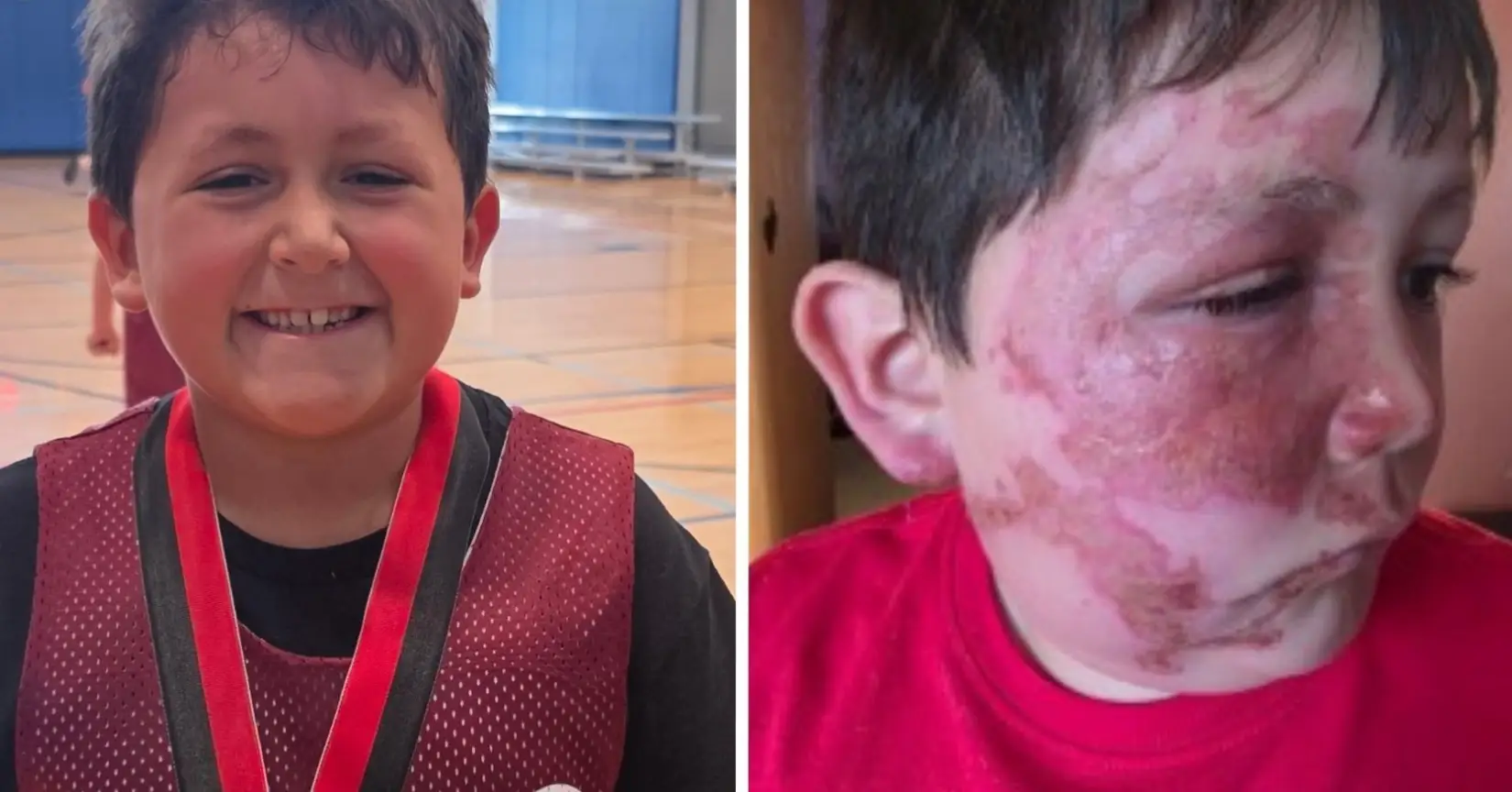
Now let’s get concrete. One of the most dangerous trends I’ve come across recently is the NeeDoh cube microwave challenge. What seems like a harmless squishy toy quickly turns into a hazard when microwaved.
Here’s what’s happening:
- The trend: Kids place NeeDoh cubes in the microwave to make them more pliable.
- The reaction: The gel inside can explode, spraying hot material and causing serious burns.
- Real incidents:
- A 9-year-old boy in Illinois suffered severe facial burns after trying this at home.
- A 7-year-old girl in Missouri went into a medically induced coma from the same activity.
The consequences are not just painful—they can be permanent:
- Burns that require long-term treatment
- Scarring that lasts a lifetime
- Potential vision damage if the face or eyes are affected
As personal injury attorney Joshua Branch points out, parental supervision is essential: “Kids don’t always think about what could go wrong, and it’s up to adults to make sure they understand that burns can be excruciating and leave scars forever.”
If you want to read more about these incidents and official warnings, ABC7 Chicago has a detailed report on the Illinois boy injured by the NeeDoh trend.
Kitchen Hazards Beyond Viral Toys
It’s easy to blame TikTok. But if I’m being honest with you, most serious burns don’t start with a viral video. They start in the kitchen.
Your home already has everyday risks that kids underestimate—and sometimes we do too.
Here’s where I see the biggest dangers:
- Cooking accidents: Hot grease splatters. Boiling water spills. A pan handle sticking out just enough for a child to grab. It takes seconds.
- Water heaters: If your water temperature is set above 120°F, it can scald a child in moments. Many parents don’t realize how quickly skin burns at higher temps.
- Space heaters: Kids touch them out of curiosity. Or they get placed too close to curtains or bedding. That’s both a burn risk and a fire hazard.
- Candles: Left unattended, they’re unpredictable. Add kids or pets into the mix and the risk jumps.
- Misused appliances: Microwaving things that aren’t meant to be heated—like toys, sealed containers, or unknown materials—can cause explosions or superheated liquid burns.
Joshua Branch has a simple but powerful reminder: kitchens combine hot liquids, grease, and heated surfaces that can “quickly get out of hand.” He’s right. I’ve seen how fast a normal evening can turn chaotic.
TikTok may spark the idea—but the environment where injury happens is often already inside your home. In fact, many homeowners don’t realize how close they come to disaster until it’s almost too late — this real story about what happened after she cleaned her dryer shows how routine maintenance can prevent a much bigger fire emergency.
Other Dangerous TikTok Trends to Watch
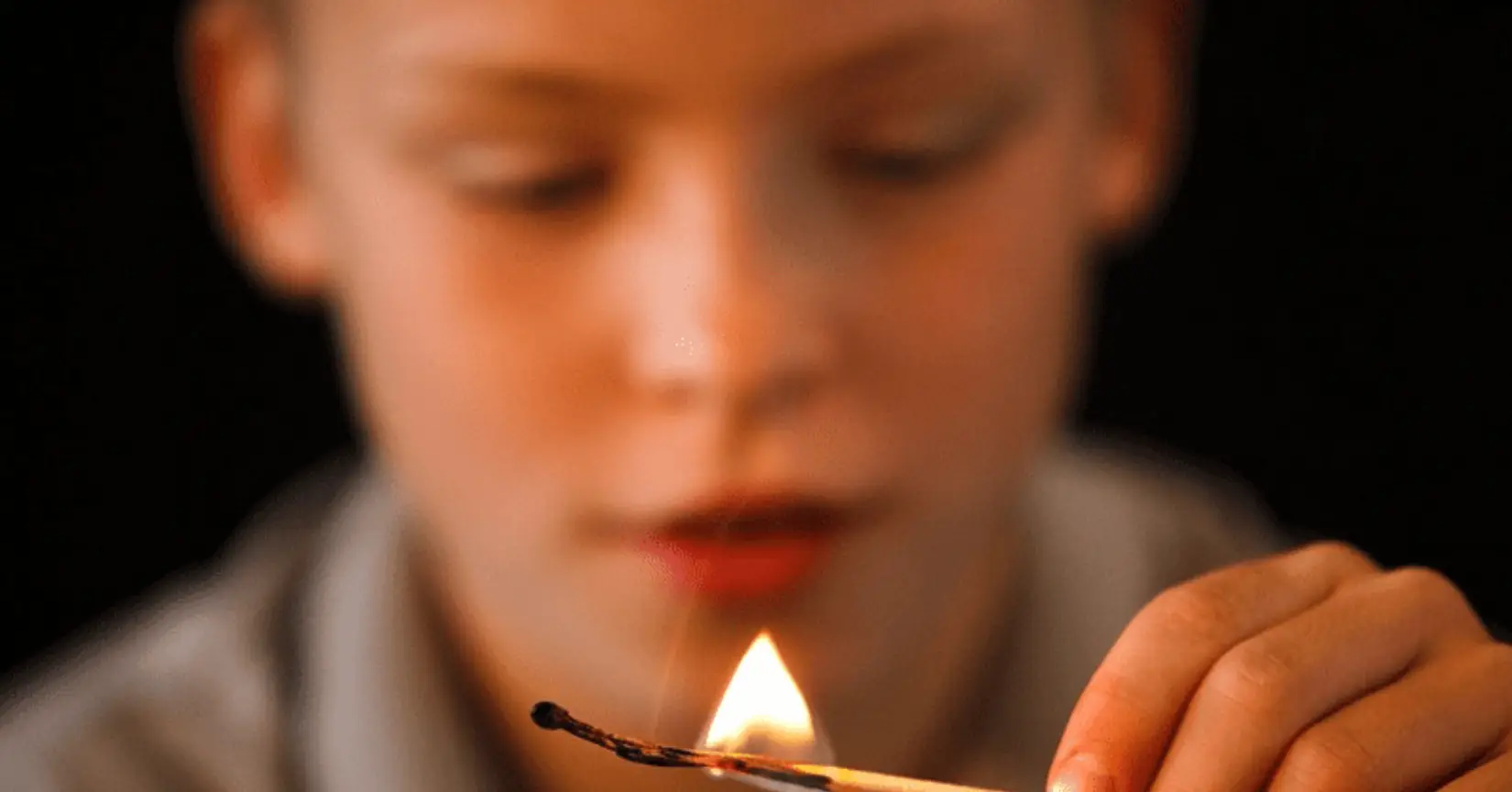
The NeeDoh trend isn’t the only one. And this is where I want you to really pay attention.
Some challenges don’t just risk embarrassment—they risk hospitalization.
Here are a few that keep resurfacing:
- Fire challenges / alcohol ignition: Kids pour rubbing alcohol on surfaces—or worse, their skin—and light it. Flames spread faster than they expect.
- Salt and ice challenge: Holding salt and ice against the skin creates a freezing chemical reaction. It can cause frostbite-like burns and nerve damage.
- Heavy object drop challenges: Teens drop weights or heavy objects on their feet or hands to “rate the pain.” Fractures and long-term joint damage aren’t uncommon.
- Boiling sugar hacks: Trends involving melted sugar (like glass fruit or candy coating) create syrup that sticks to skin and keeps burning.
If you want proof this isn’t exaggerated, People.com reported on a 7-year-old girl who went into a medically induced coma after microwaving a squishy toy during a viral trend.
And if you scroll through Reddit threads or TikTok comment sections, you’ll see something that concerns me even more: kids often say, “I didn’t think it would actually happen.”
That sentence is the real problem.
Trends change every week. But the pattern stays the same—curiosity, imitation, injury.
Let me ask you this: Do you know what trend your child saw today?
How Parents Can Prevent Injuries
This is the part that actually matters.
You and I can’t control what trends go viral tomorrow. But we can control what happens inside our homes today.
I don’t believe in panic. I believe in structure.
Start by setting clear rules around what I call your home’s “danger zones.”
- Kitchen: No standing near the stove. No grabbing pan handles. No microwaving anything without permission.
- Fireplace: Clear boundary. No playing nearby.
- Space heaters: Keep at least three feet of clearance. No touching. No moving them.
These rules should be simple and repeated often. Kids don’t remember one-time lectures.
Next, be strict about heat-producing appliances.
- No microwave experiments.
- No boiling sugar projects.
- No space heater adjustments.
- No unsupervised cooking.
If it produces heat, it requires supervision. Period. And it’s not just kids experimenting — this common dryer mistake linked to multiple deaths each year proves that even everyday appliance habits can turn fatal if ignored.
Also, check your water heater temperature.
If it’s set above 120°F, lower it. At higher temps, a child can suffer a serious scald in seconds. This is one of the easiest fixes you can make today.
And then there’s the part many parents avoid—social media monitoring.
I’m not saying spy. I’m saying stay involved.
- Know what platforms your child uses.
- Watch a few videos together.
- Ask, “Have you seen anything weird or risky lately?”
That question opens doors.
Most importantly, talk about trends openly. Not in a threatening way. In a calm, matter-of-fact way.
Instead of saying, “Don’t do that,” try:
“What do you think would happen if that exploded?”
“Do you think the video shows the full story?”
When kids feel heard, they’re more likely to pause before copying something dangerous.
What to Do If an Accident Happens at Home
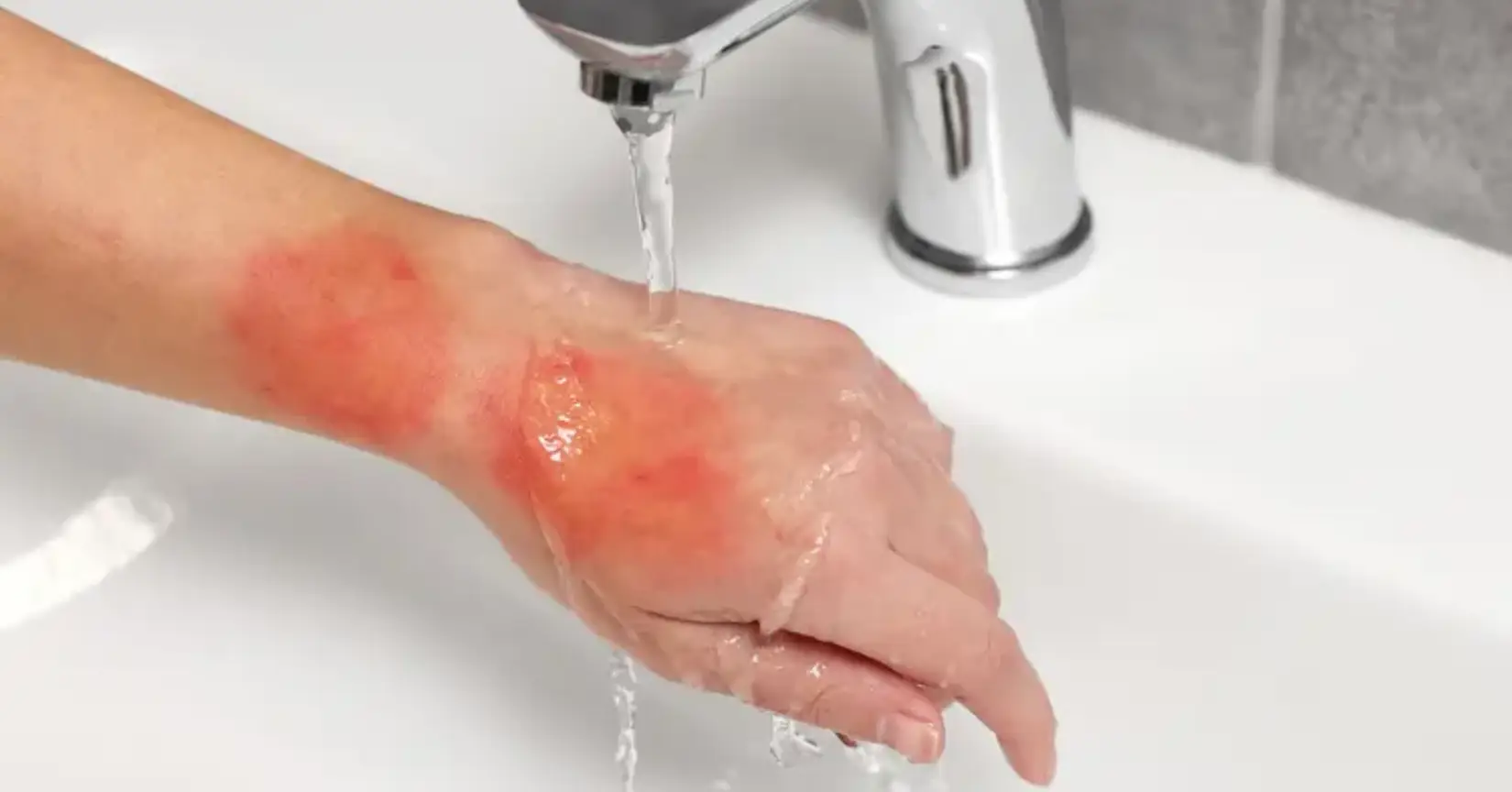
Even with precautions, accidents can still happen. And when they do, seconds matter.
If your child suffers a burn:
- Run cool (not ice-cold) water over the area for at least 20 minutes.
- Remove tight clothing or jewelry near the burn.
- Do not apply butter, toothpaste, or random home remedies.
- Cover the burn loosely with a clean cloth or sterile dressing.
If the burn is on the face, hands, feet, genitals, or looks blistered and severe—don’t wait. Seek medical care immediately. Pediatric burn centers exist for a reason.
According to the American Burn Association, thousands of children are treated for burn injuries every year, many happening at home.
That’s not a rare statistic. It’s a pattern.
You should also consider reporting dangerous product-related trends to the U.S. Consumer Product Safety Commission (CPSC). If something is defective or widely causing harm, reporting helps prevent future injuries.
And if the injury happened because of a faulty product or misleading promotion, there may be legal options. Personal injury attorney Daniel Setareh emphasizes that even minor burns should be evaluated by a doctor—not just for medical reasons, but to document what happened properly.
I’ll say this clearly: your first priority is medical care. Everything else comes after.
Now let me ask you something important.
If something went wrong in your kitchen tonight, would everyone in your house know exactly what to do?
Trend Monitoring & Staying Ahead of Viral Hazards
Here’s the truth: trends move faster than news reports.
By the time a story hits national headlines, thousands of kids may have already tried it. That’s why I don’t believe in reacting late. I believe in staying ahead.
If you want to protect your home, you need visibility.
Here’s what I recommend:
- Follow credible safety sources like the American Academy of Pediatrics and the U.S. Consumer Product Safety Commission for alerts.
- Monitor local news stations in your area—they often report viral injury cases early.
- Check Reddit threads or parent forums where dangerous challenges surface before mainstream coverage.
- Use parental control tools on TikTok and other apps to filter risky content and limit screen time.
Most platforms now offer:
- Content filtering by keyword
- Screen time limits
- Direct message restrictions
- Activity reports
Use them. They exist for a reason.
But tools alone won’t solve this.
I’ve found that the most powerful protection is conversation. Sit down once a week and ask, “Seen anything strange or risky online lately?” You’d be surprised how much kids will share when you don’t judge.
Trend monitoring isn’t about fear. It’s about awareness.
Awareness Over Panic
I don’t want you to walk away from this feeling scared.
I want you to feel prepared.
We’ve seen how:
- Viral trends can escalate into real burn injuries.
- Everyday kitchen items already carry risk.
- Kids imitate what they see before thinking it through.
- Simple rules and supervision make a massive difference.
You don’t need to ban the internet.
You don’t need to panic every time TikTok trends.
You just need:
- Clear boundaries in your home
- Smart appliance supervision
- Water temperatures set safely
- Ongoing conversations about what’s trending
Kids are curious. That’s not a flaw—it’s how they learn. The goal isn’t to shut down curiosity. It’s to guide it safely.
Encourage supervised cooking. Safe science experiments. Hands-on creativity—with you present.
That’s how you turn risk into learning instead of injury.
Now I’d love to hear from you.
Have you seen a viral trend that made you nervous?
Drop it in the comments so other parents can stay aware.
And if you care about home safety, smart upgrades, and practical ways to protect your space, visit Build Like New. I regularly share real-world insights to help you create a safer, smarter home.
Let’s keep the conversation going.
Disclaimer: This article is for informational purposes only and is not a substitute for professional medical, legal, or safety advice. Always seek immediate medical attention for injuries and consult qualified professionals for guidance specific to your situation.