The 10-10 Decluttering Rule May Be the Easiest Way to Clean Up Your Home Fast
You know that moment when you look around your home and think, I’ll deal with this later — and later keeps getting pushed?
I see it all the time. Busy schedules. Full calendars. Good intentions. And clutter that quietly builds up in the background.
Most decluttering advice feels overwhelming. It asks you to empty an entire closet, redo a whole room, or commit to a 30-day challenge. That sounds productive — but it also sounds exhausting.
The 10 10 decluttering method flips that script.
Instead of asking for hours, it asks for 10 minutes.
Instead of demanding a complete makeover, it asks you to remove just 10 items.
That’s it.
Ten focused minutes. Ten clear decisions.
What makes this method powerful isn’t complexity — it’s simplicity. You’re not reorganizing your life. You’re creating a small, controlled win. And small wins build momentum faster than big promises ever do.
I like this approach because it meets you where you are. Tired after work? You can still do it. Waiting for dinner to cook? You can do it. Have guests coming over in 20 minutes? You can definitely do it.
It doesn’t pressure you to be perfect. It just nudges you to start.
And starting is usually the hardest part.
If you had 10 minutes right now, which corner of your home would you choose?
How the 10-10 Decluttering Method Actually Works (Step-by-Step)
Most people read about the method and think, “Okay, sounds simple.”
But simple only works if you follow it with real intention.
So let me walk you through it the way I’d guide you in real time.
This isn’t about organizing your whole house. It’s about controlled action that actually finishes.
Step 1 — Choose Your Space
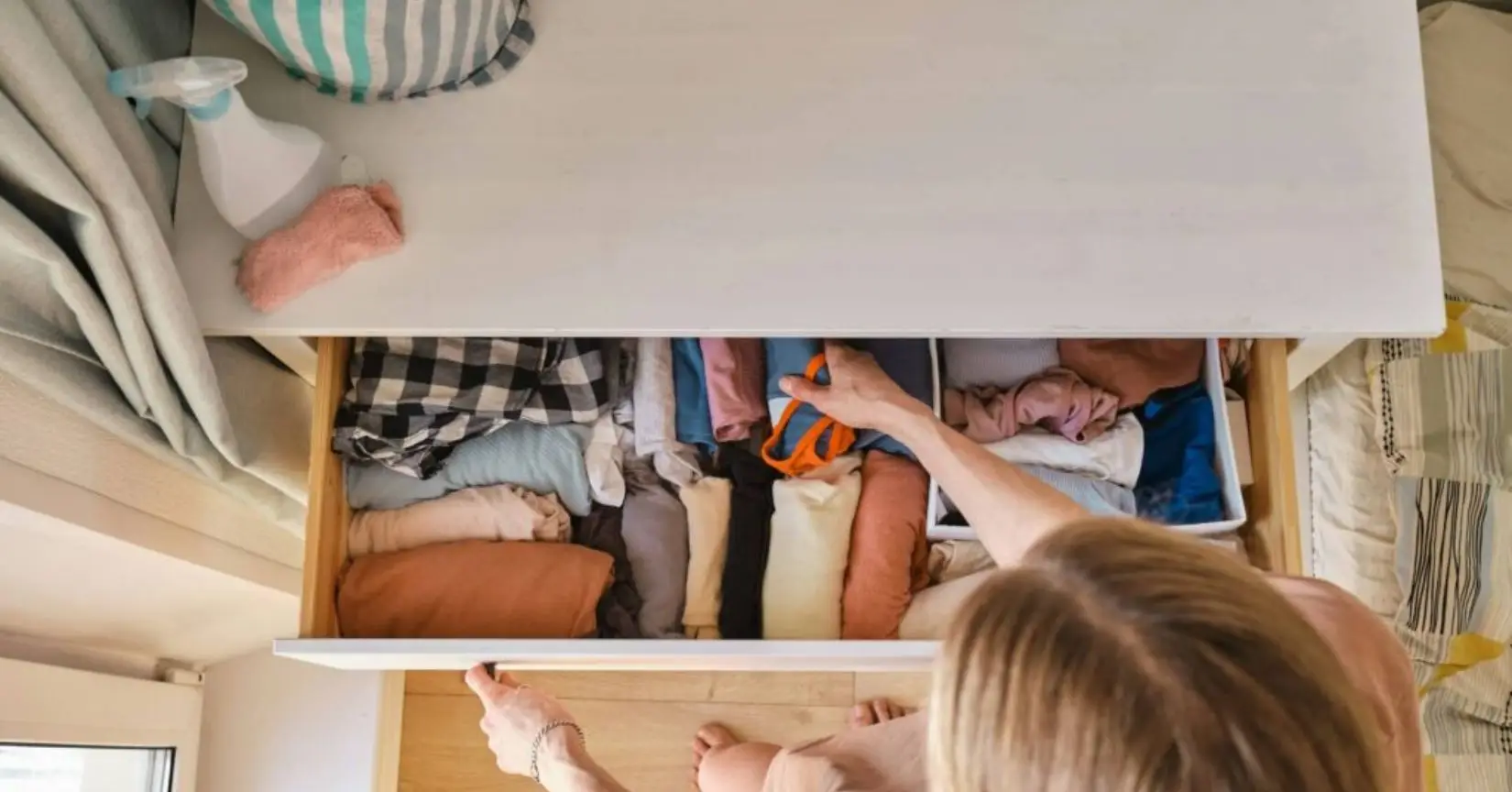
Before you start, choose one clearly defined area.
Not “the bedroom.”
Not “the garage.”
Pick something small and specific, like:
- One kitchen drawer
- The coffee table
- Your nightstand
- The bathroom counter
- The entryway shelf
Boundaries matter.
When you narrow the target, your brain doesn’t panic. You’re not tackling chaos. You’re clearing one small zone. That alone reduces resistance.
I always say this: defining the space is half the battle.
Step 2 — Set a 10-Minute Timer
Now set a real timer for 10 minutes.
Don’t estimate. Don’t say “I’ll just eyeball it.” Use your phone.
Time pressure actually helps you focus. When the clock is ticking:
- Your decisions get faster
- You stop overthinking
- You don’t chase perfection
This is the exact principle behind the 10-10 decluttering method described at Better Homes & Gardens — the time box creates urgency without stress.
You’re not cleaning an entire room. You’re working within a defined time frame. That keeps your brain in action mode instead of avoidance mode.
And truthfully? Ten minutes feels doable even on your busiest days.
Step 3 — Find 10 Items to Remove
This is where the action happens.
Your only job: remove 10 items from that space.
Not reorganize.
Not redesign.
Just remove.
You might pull out things like:
- Junk mail
- Old receipts
- Empty packaging
- Things that belong in other rooms
- Items you haven’t touched in months
If you’re not sure what to remove first, I’ve shared a practical starter list in my guide on 10 things to declutter in 10 minutes for a calmer, cleaner home. It gives you clear ideas so you don’t waste time deciding.
The number matters. Ten gives you a target. Without a target, you stall. With it, you work.
Count out loud if it helps — I’ve had clients do that, and it actually speeds things up.
When you hit 10, stop.
Step 4 — Decide What to Do with Each Item (Donate / Toss / Relocate)
Now comes the decision phase.
Every removed item must fall into one of three categories:
- Donate – Still usable, but not useful to you.
- Toss – Broken, expired, trash.
- Relocate – Belongs somewhere else in your home.
No “maybe” piles. Don’t park it in another corner.
If you hesitate, ask yourself:
“If I didn’t already own this, would I buy it again today?”
That one question cuts through indecision fast.
You’re not making major life choices here — you’re making small, focused ones.
Step 5 — Celebrate and Repeat
When the timer goes off and you’ve removed 10 items, stop.
Yes — stop.
This is the part most people skip.
But stopping is intentional. It builds trust with yourself.
Take a moment to notice:
- The cleared space
- The visual relief
- That feeling of a finish line crossed
That small sense of accomplishment makes you want to do it again.
Some days you’ll reset the timer and go for another round.
Other days, one round is all you need.
Both are wins.
The strength of the 10-10 method isn’t intensity. It’s consistency.
So tell me — if you set a timer right now, which spot in your home are you going to tackle first?
Why This Method Works — Psychology + Simplicity
A lot of decluttering ideas float around the internet, but most fail because they don’t sync with how we actually behave.
The 10-10 decluttering method isn’t just another trend. It works because it matches how your brain responds to small wins, limited decisions, and achievable tasks.
Let me unpack that in a way that makes sense.
The Power of Small Tasks
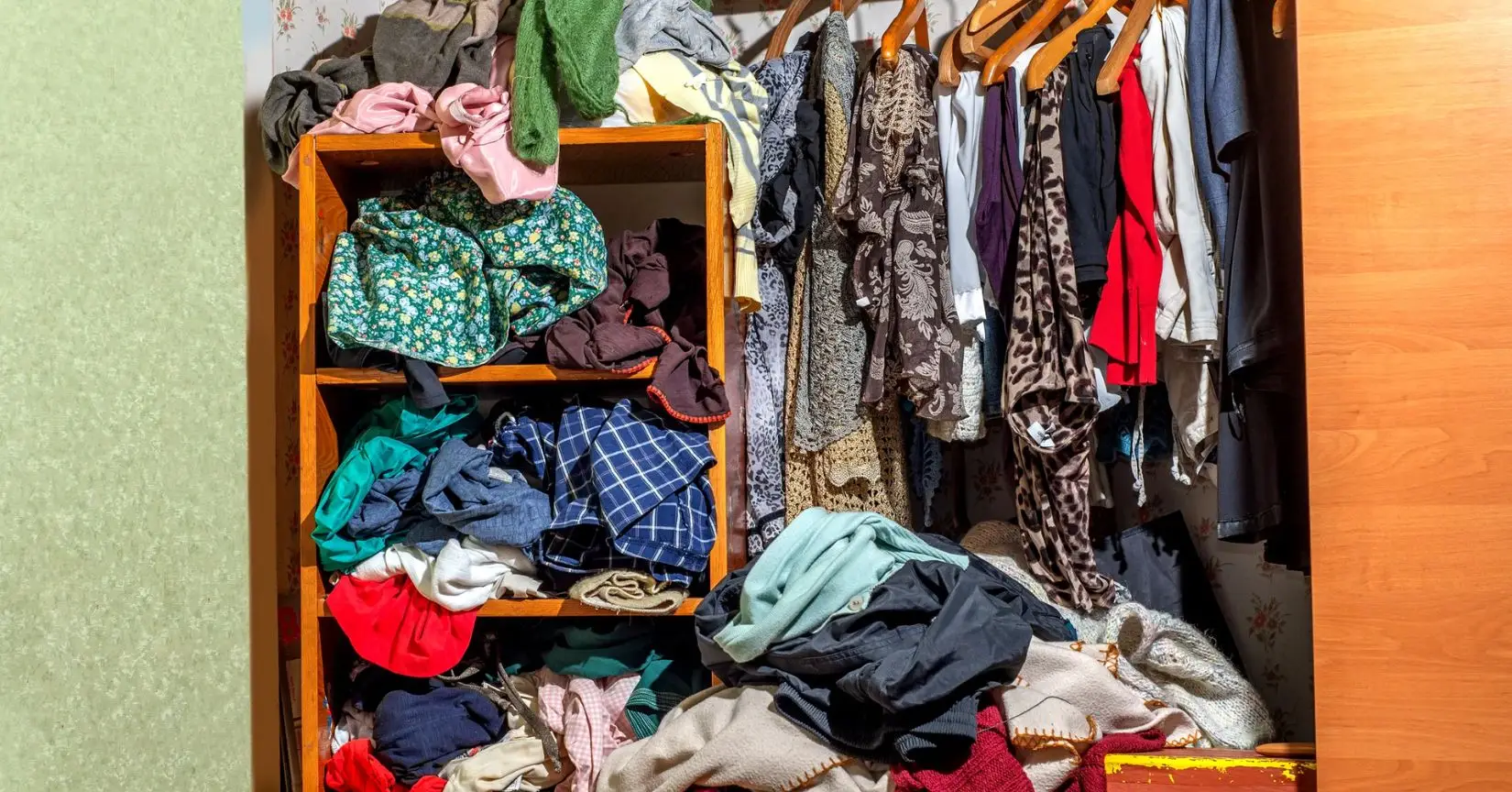
When you think about decluttering an entire closet or drawer, your brain interprets that as a big job — and big jobs trigger procrastination.
The beauty of the 10-10 method is that it limits both time and scope: 10 minutes + 10 items.
This tiny container changes everything. It feels doable, not daunting.
Publications like Good Housekeeping highlight exactly this — that by breaking clutter into bite-sized chunks, you make progress without the pressure of a marathon session.
Reduces Decision Fatigue
Here’s the hidden cost of decluttering: decisions.
Every object asks a question:
- Keep it?
- Toss it?
- Donate it?
- Relocate it?
When you clutter dive with no system, you make dozens of decisions — and your brain gets tired quickly.
The 10-10 method caps you at 10 decisions per session.
Ten decisions is a number your cognitive resources can handle well. You stay sharp. You stay focused. You don’t crash halfway through.
That’s why this method feels lighter — not because the clutter magically disappears, but because your brain isn’t overwhelmed.
Builds Momentum Without Overwhelm
This is the part most people miss:
Consistency wins over intensity.
Big decluttering sessions feel heroic — but they’re not sustainable. You might blitz for a few hours, then avoid organizing entirely for weeks because you burned out.
The 10-10 method gives you micro victories — little accomplishments that make you feel capable.
And when you feel capable, you’re more likely to do it again tomorrow.
That’s momentum.
The method makes decluttering sustainable — not exhausting.
Where the 10-10 Method Beats Other Decluttering Approaches
You’ve probably heard of other systems — some are deeper, some more emotional, some more intense.
Here’s when 10-10 shines and why you might choose it over other popular strategies.
Compared to KonMari
KonMari is thoughtful and transformative, but it’s also introspective and time-intensive. You’re asked to evaluate every item on whether it “sparks joy.”
That’s powerful — but it’s emotional work.
If what you want is visible progress in the moment, 10-10 wins. You don’t debate your relationship with every object. You just make quick decisions and clear space.
This method respects your time and your emotional bandwidth. If you prefer rule-based systems instead of emotional sorting, you might like how I used the 90/90 decluttering rule on my closet — the space I gained genuinely surprised me. It’s another practical way to make faster decisions without overthinking.
Compared to Room-by-Room Purges
Room-by-room purges commit you to hours of sorting, reorganizing, and decision making.
That can work if you have the time and energy.
But most of us don’t walk into a room and instantly know where every item should go.
The 10-10 method keeps the scope small:
- No chaos zones
- No mountains of items to sort later
- No “half-done disaster areas”
Just quick action and visible change.
Ideal Situation for 10-10 vs When to Use Other Methods
Here’s how I see it:
Use the 10-10 method when:
- You’re short on time
- You feel overwhelmed
- You need a quick reset
- You want to build a rhythm
Use deeper methods like KonMari or full purges when you’re ready for:
- A major transformation
- A room-by-room overhaul
- Emotional decision work
And if you ever want a deeper, full-home reset, I’ve explained another approach in my guide on House Hushing — the one-day decluttering method that brings calm to your home and mind. That method works well when you’re ready for a more intentional transformation.
The 10-10 approach isn’t meant to replace every system — it’s meant to make decluttering accessible.
It gives you momentum. It respects your time. And it wins because you can actually stick with it.
So tell me — when you think of your home right now, where could you make just ten tiny changes that would feel instantly lighter?
Common Mistakes With the 10-10 Method (and How to Avoid Them)
The method is simple.
But simple doesn’t mean foolproof.
I’ve seen people try it, say “it didn’t work,” and the issue wasn’t the method — it was how they used it.
Let’s fix that.
Trying to Do Too Much at Once
This is the most common mistake.
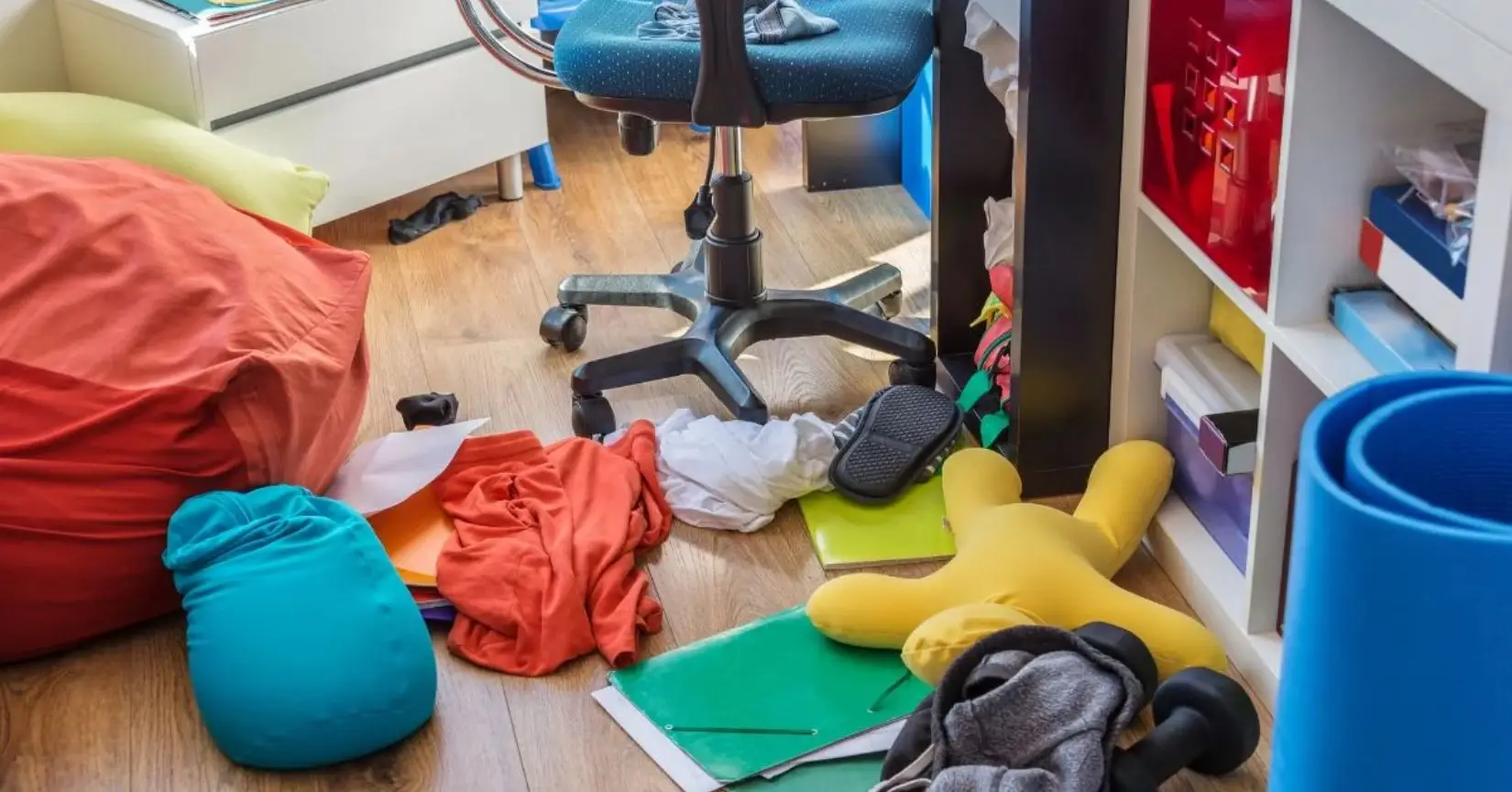
You start with 10 minutes… and suddenly you’re pulling everything out of the closet. Now the room looks worse than before. The timer becomes irrelevant. You’re exhausted.
The power of “10” is the limit.
It’s not random. It protects you from burnout.
If you turn one session into a full reorganization project, you destroy the repeatability of the habit.
Here’s what I tell people:
- Stop at 10 items.
- Even if you feel motivated.
- Especially if you feel motivated.
Why? Because discipline builds consistency. And consistency clears homes.
Not Having a Storage or Disposal Plan
You remove 10 items… and then what?
If those items sit in a pile on the floor, the clutter just relocates.
Before you start, have a basic plan:
- A trash bag ready
- A donation box nearby
- A clear place for relocated items
I always keep a donation bag in a closet. When it fills up, it goes straight to a drop-off location. No debate. No delay.
The fewer steps between decision and removal, the more likely you’ll follow through.
Ignoring Emotional Barriers
This one is quieter — but powerful.
Sometimes the resistance isn’t about time. It’s about attachment.
Old gifts. “Just in case” items. Things tied to memories.
If you pretend emotion doesn’t exist, you’ll stall.
In decluttering communities like this reddit community, you’ll see real people talk openly about this struggle — especially around sentimental objects. The advice that comes up repeatedly is this: start with easy wins first.
Don’t begin with photo albums.
Start with expired products. Junk mail. Broken items.
Build confidence before tackling emotional categories.
You don’t need to solve your entire past in one 10-minute session.
Tools and Supplies That Make It Easier
You don’t need fancy organizing systems for the 10-10 method.
But a few simple tools remove friction — and friction is what kills habits.
Timers & Productivity Apps
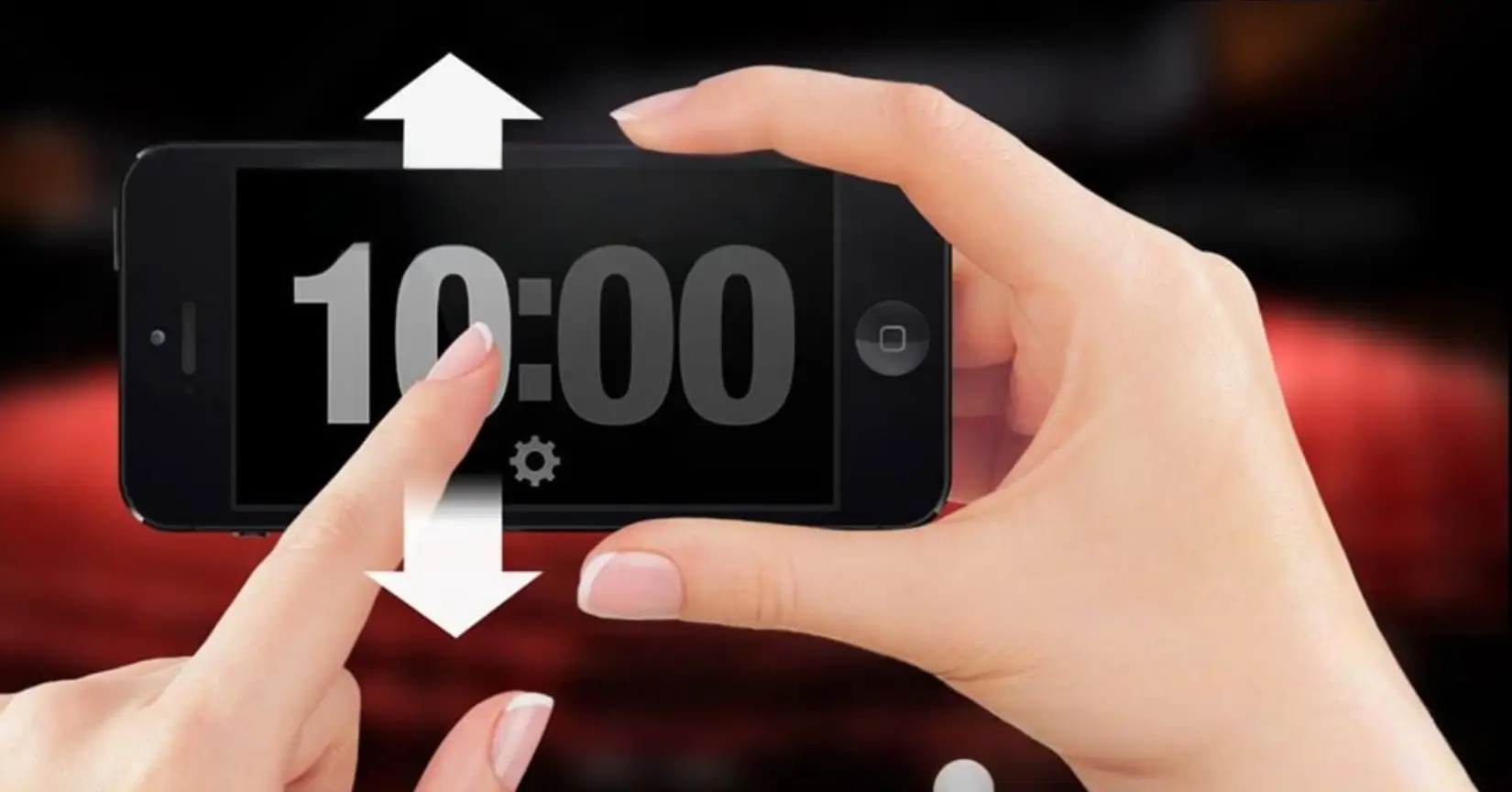
Yes, your phone timer works.
But if you like structure, you can use:
- A simple countdown app
- A Pomodoro-style focus app
- A smart speaker timer
The key is visibility. Seeing the time count down keeps you moving.
I always recommend putting the timer somewhere you can hear it clearly. When you know you only have a few minutes left, you move faster and make sharper decisions.
Labeling Bins & Baskets
You don’t need an entire container store setup.
But having:
- One clearly labeled “Donate” bin
- One small basket for “Relocate” items
can speed everything up.
Labels reduce hesitation. You’re not wondering where something goes — you just drop it in the right spot.
That small clarity keeps the process fluid.
Donation Bags Ready to Go
This one makes a bigger difference than people expect.
If you have to search for a bag every time you declutter, you’ll delay action.
Keep:
- One sturdy bag in a closet
- Or a box in your garage
When it fills up, schedule a drop-off.
The goal is to reduce the gap between decision and removal.
The easier you make it, the more often you’ll repeat the method.
Now I’m curious — which of these mistakes do you think you’re most likely to make? And what simple tool could prevent it before you even start?
What to Do After You Complete the 10-10 Challenge
Finishing your first 10-minute session feels good.
But here’s the truth — one round clears space. Repetition changes your home.
Most people stop after one session because they treat it like a one-time fix. The real power of the 10-10 method shows up when you build rhythm.
Let’s talk about what to do next.
Track Your Progress Over a Week
If you do one 10-10 session per day for seven days, that’s 70 items out of your home.
Seventy.
That’s not small.
I want you to track it — even if it’s simple:
- A note on your phone
- A checkmark on your calendar
- A sticky note on the fridge
You’ll start noticing patterns:
- Which spaces collect clutter fastest
- Which items you hesitate on
- How much lighter rooms feel
Tracking reinforces identity. You stop saying, “I need to declutter,” and start thinking, “I’m someone who maintains my space.”
That shift matters.
Schedule Your Next Blitz
Don’t wait for motivation.
Decide now when your next 10-minute session will happen.
Maybe:
- Right after dinner
- Before your morning coffee
- Every Sunday evening
Put it on your calendar like an appointment.
Small, scheduled resets prevent massive clean-up sessions later.
You’re not aiming for perfection. You’re aiming for control and consistency.
And consistency always wins.
If you’ve tried the 10-10 method — or you’re about to — tell me in the comments:
Which space are you tackling first? And how many rounds do you think you can complete this week?
I’d genuinely love to hear what worked for you and what didn’t.
And if you enjoy practical, no-fluff home improvement and organization strategies like this, check out more guides on Build Like New. That’s where I break down simple systems that make your home easier to manage — without turning your life upside down.
Now your move. When’s your next 10 minutes starting?
Quick Note: The 10-10 decluttering method is a general organizing strategy meant to help you build simple habits at home. Results will vary depending on your space, schedule, and personal circumstances. If you’re dealing with hoarding behavior, severe clutter, or emotional distress tied to possessions, consider seeking guidance from a licensed professional organizer or mental health professional for personalized support.