12 Natural Flea Solutions Every Homeowner Needs to Try
If you’re searching for a homemade flea repellent, chances are you’re already frustrated.
Maybe your dog won’t stop scratching.
Maybe you found tiny black specks on the couch.
Or worse — you spotted one jump.
I’ve seen this pattern over and over. Most homeowners don’t want to start with harsh chemicals. You want something safe. Something you can use around your pets. Something that won’t make your house smell like a pesticide aisle.
That makes sense.
A lot of DIY flea advice floating around online is incomplete, outdated, or just copied from other blogs. Some remedies only repel adult fleas. Some don’t touch the eggs hiding deep in your carpet. And a few popular “natural” tricks can actually irritate your pet’s skin if used the wrong way.
So before we jump into the 12 safest and most practical treatments, I want you to understand one thing — fleas are persistent, but they’re predictable.
If you break their life cycle the right way, you win.
In this guide, I’ll walk you through natural treatments that actually make sense for homeowners — not just random internet hacks. Indoor, outdoor, pet-safe strategies. What works. What doesn’t. And when you should stop DIY-ing and call for help.
Let’s start smart.
First, do you know where fleas are really hiding in your home?
Before You Try Anything: How Fleas Actually Survive in Your Home
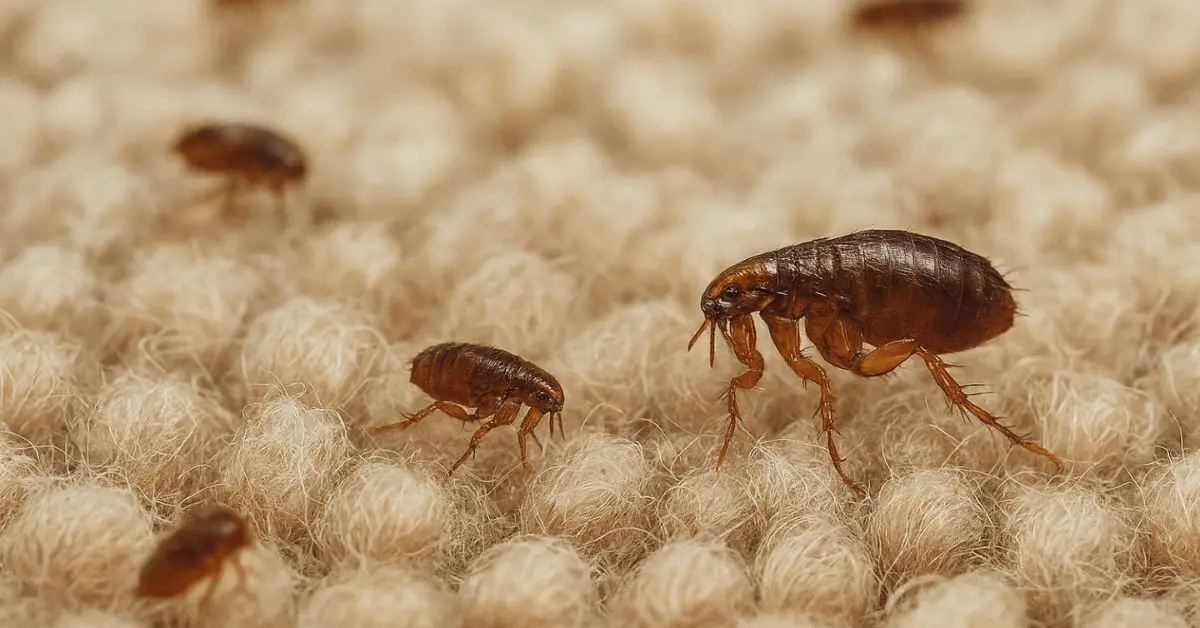
Before you try any homemade flea repellent, I want you to pause for a minute.
If you only focus on what you can see, you’ll lose this battle.
Most homeowners think fleas live mostly on their pets. I used to hear that all the time. But in reality, the majority of a flea infestation is hiding inside your home — not jumping around in plain sight.
That’s why random surface sprays rarely solve the problem.
The Flea Life Cycle (Why Surface Sprays Alone Don’t Work)
Let me break this down simply.
Fleas move through stages, and each stage behaves differently. If you don’t understand this, even the best natural treatment won’t last.
Here’s what’s happening inside your house:
- Eggs (50+ per day): A single female flea can lay around 40–50 eggs daily. These eggs fall off your pet and scatter into carpets, couches, cracks in flooring, and pet bedding. You won’t notice them — but they’re spreading.
- Larvae hiding in carpets: After hatching, larvae bury themselves deep into carpet fibers and dark areas. They avoid light and feed on organic debris. Most DIY sprays never reach them.
- Pupae (the resistant stage): This is the stage most people underestimate. Pupae develop inside a cocoon that protects them from chemicals and natural sprays. They can stay dormant for weeks, waiting for vibration or warmth to trigger emergence.
According to veterinary guidance shared by PetMD, many popular flea treatments — especially natural or incomplete ones — fail because they don’t address all life stages.
That’s the key issue.
If you only:
- Spray visible areas
- Treat your pet but ignore carpets
- Skip regular vacuuming
You’re only handling adult fleas. The eggs and pupae will hatch later — and the cycle starts again.
I want you thinking differently.
Don’t ask, “How do I kill the fleas I see?”
Ask, “How do I interrupt their entire life cycle?”
Once you shift that mindset, your homemade flea strategy becomes much more effective.
So tell me — are you dealing with a few visible fleas, or has this been repeating every few weeks?
The 12 Safe & Natural Flea Treatments Every Homeowner Should Know
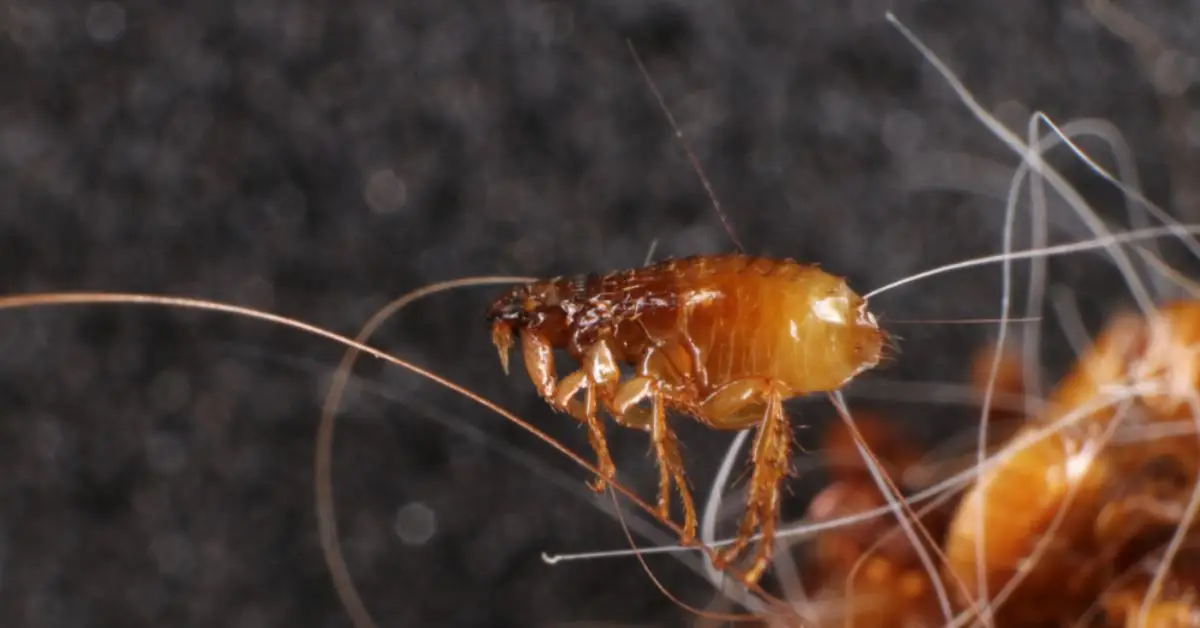
Now we move from understanding to action.
I’m not going to throw random Pinterest hacks at you.
Each of these methods is practical, homeowner-friendly, and focused on breaking the flea life cycle — not just chasing adults around your living room.
Let’s go step by step.
1. Vacuuming — With a Disposal Strategy
If you do only one thing, do this consistently.
Daily vacuuming removes eggs, larvae, and even stimulates pupae to hatch — which makes them easier to eliminate.
Here’s how I tell homeowners to do it:
- Vacuum carpets, rugs, baseboards, under furniture
- Focus on pet resting areas
- Immediately seal and discard the vacuum bag (or empty the canister outside)
Don’t skip the disposal step. If you leave the contents inside, you risk reinfestation.
This is the foundation of any natural flea control plan.
2. Washing Bedding & Soft Surfaces in Hot Water
You can treat your floors all day, but if your pet bed is full of eggs, you’re going in circles.
Wash:
- Pet bedding
- Couch covers
- Throw blankets
- Small rugs
Use hot water and high heat drying. Heat is what disrupts flea development.
I’ve seen infestations linger simply because fabrics weren’t treated.
3. Dish Soap Flea Trap
This one gives you visual confirmation.
What you need:
- A shallow bowl
- Warm water
- A few drops of dish soap
- A night light placed above it
At night, fleas jump toward the light and fall into the soapy water. The soap breaks surface tension and traps them.
It won’t eliminate an infestation alone — but it shows you activity levels and reduces adult numbers.
4. Salt Treatment for Carpets
Salt works by dehydrating flea larvae.
Here’s how to use it correctly:
- Use fine table salt
- Lightly sprinkle across carpet
- Leave for 24–48 hours
- Vacuum thoroughly
5. Baking Soda for Deeper Penetration
Baking soda helps dry out flea eggs and larvae inside carpet fibers.
To make it more effective:
- Sprinkle evenly
- Use a stiff brush to work it into fibers
- Combine with salt if needed
- Vacuum after 24–48 hours
You’re not just covering the surface — you’re pushing it down where larvae hide.
6. Food-Grade Diatomaceous Earth (Indoor Use Only)
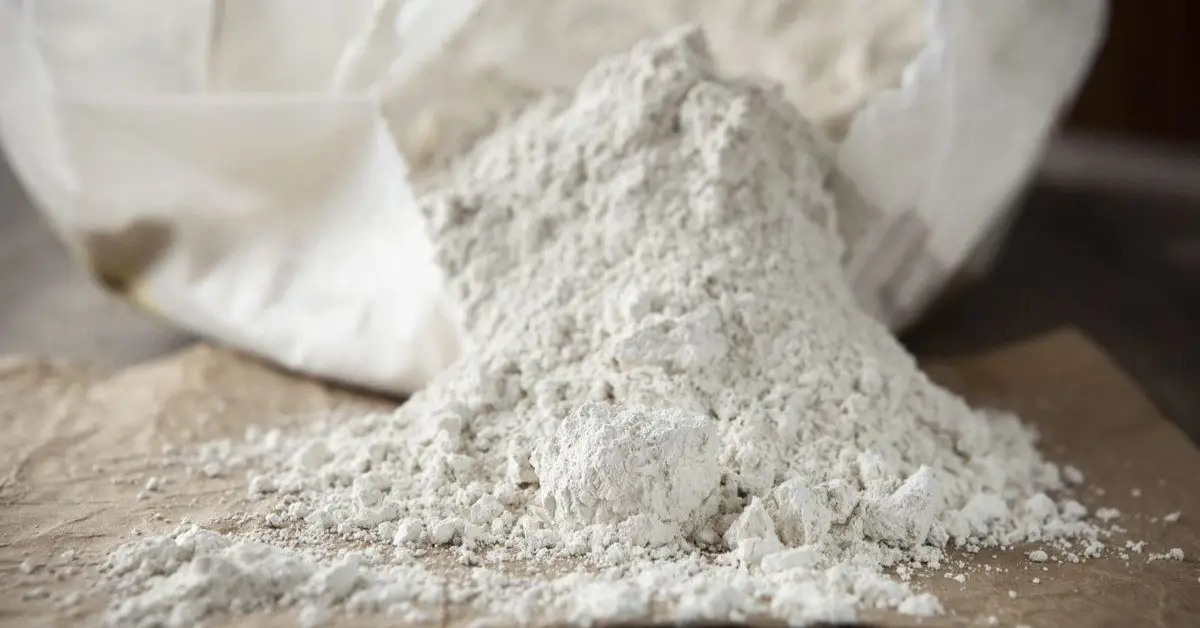
This is one of the most popular natural remedies — and one of the most misused.
Use only food-grade DE.
Lightly dust:
- Under furniture
- Along baseboards
- In cracks and crevices
Avoid inhalation. Keep pets and kids out of the area while applying.
The CDC explains that fleas can survive in indoor environments and spread disease, which is why safe but strategic treatment matters.
DE works by damaging the flea’s outer layer, leading to dehydration.
7. Lemon or Citrus Spray (Surface Repellent)
If you’re looking specifically for a homemade flea repellent, this is one of the safest options for surfaces.
How to make it:
- Slice a lemon
- Boil in water
- Let it steep overnight
- Strain into a spray bottle
Use on:
- Baseboards
- Door frames
- Hard surfaces
Do not spray directly on pets unless your vet approves.
This is a repellent — not a full eradication tool.
8. Neem Oil Spray
Neem oil is less talked about in US mainstream blogs, but it has insect-repelling properties.
Dilution matters.
- Mix neem oil with water (follow safe dilution ratios)
- Add mild soap as an emulsifier
- Spray in yard areas or outdoor pet spaces
It works better outdoors than inside.
9. Flea Comb Method for Pets
If your pet is scratching, this gives you immediate feedback.
Use:
- A fine-tooth flea comb
- A bowl of warm soapy water
Comb slowly, especially around:
- Neck
- Tail base
- Belly
Dip the comb in soapy water after each pass.
This builds confidence because you see results instantly.
10. Coconut Oil (Temporary Relief on Pets)
Coconut oil can soothe irritated skin and may help dislodge some fleas.
Use lightly:
- Rub a small amount between your hands
- Massage into affected areas
But understand this clearly — it is not a standalone flea treatment.
I’ve seen people rely on it alone and end up frustrated.
11. Outdoor Yard Maintenance Strategy

If fleas keep coming back, look outside.
They thrive in shaded, moist areas.
Do this regularly:
- Trim tall grass
- Remove leaf piles and debris
- Increase sunlight exposure
- Limit wildlife access to your yard
Most infestations start outdoors.
Ignoring the yard is one of the biggest mistakes I see. If damp areas, shade, or stored outdoor items are attracting insects, you’ll want to follow these 8 proven secrets to save your vintage pieces from sun, humidity, and bugs to protect your home long-term.
12. Beneficial Nematodes for Lawns
This is a serious but underused option.
Beneficial nematodes are microscopic organisms that prey on flea larvae in soil.
Apply them:
- To moist soil
- During cooler parts of the day
- As directed on the package
University extension programs often recommend them as a biological control method for soil-dwelling pests.
This is where natural control becomes strategic — not just reactive.
What Natural Remedies Don’t Work (or Can Be Dangerous)
I’m going to be direct with you here.
Some of the most shared “natural flea fixes” online either don’t work — or can actually harm your pet.
Just because something is natural doesn’t mean it’s safe.
Here’s what I want you to avoid:
Undiluted Essential Oils (Especially Tea Tree)
Essential oils are heavily promoted on social media as flea solutions.
But undiluted oils — especially tea tree oil — can be toxic to dogs and extremely dangerous for cats. Pets metabolize these compounds differently than humans.
Even diffusing oils in a closed room can cause irritation in sensitive animals.
Veterinary resources like WebMD warn that certain essential oils can lead to drooling, vomiting, tremors, or worse when misused.
If you ever consider oils, dilution and veterinary approval are non-negotiable.
Garlic Ingestion Myths
You’ll see this advice everywhere: “Add garlic to your dog’s food to repel fleas.”
There’s no solid veterinary backing for this as an effective flea treatment.
In larger amounts, garlic can damage red blood cells in dogs. It’s not worth the risk for something that doesn’t reliably break a flea cycle.
Undiluted Vinegar on Pets
Vinegar might repel fleas temporarily because of smell.
But:
- It doesn’t kill eggs
- It doesn’t eliminate larvae
- It can irritate broken or sensitive skin
If your pet already has flea bites, pouring vinegar directly on them can make things worse.
I know these remedies sound simple and appealing. But your goal isn’t to experiment — it’s to solve the problem safely.
That’s the difference between smart natural treatment and risky guesswork.
How to Combine Natural Treatments for Best Results
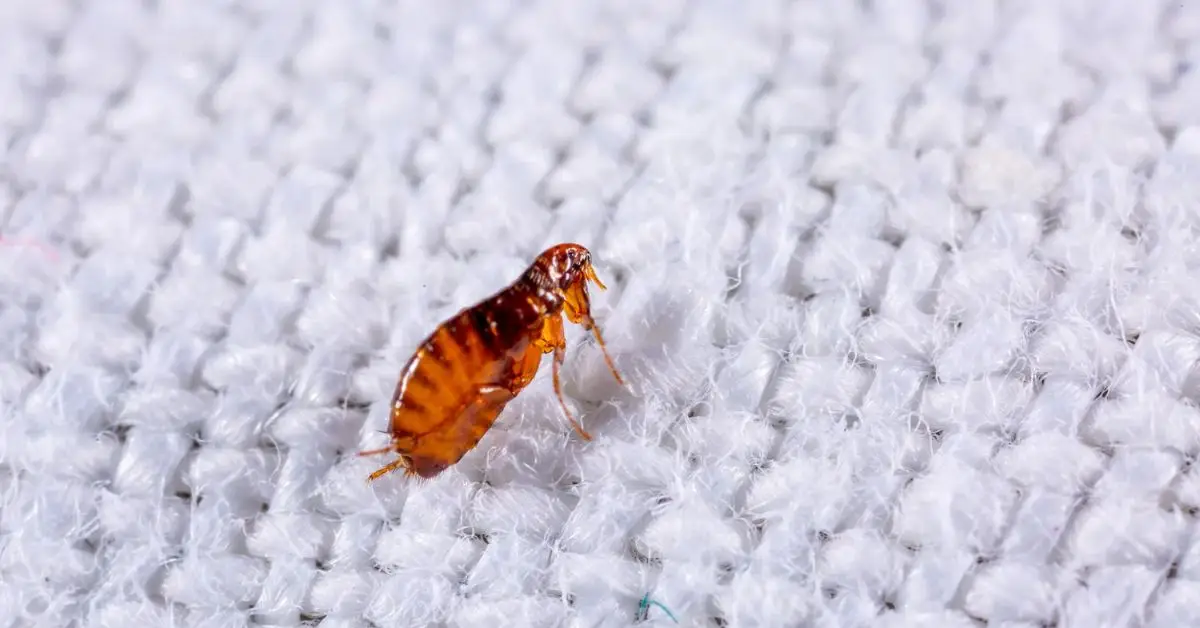
This is where most homeowners go wrong.
They try one thing.
It doesn’t fix everything overnight.
They switch to something else.
Natural flea control only works when you treat it like a system.
Here’s the structure I recommend:
Step 1: Clean Aggressively
Start with:
- Daily vacuuming
- Washing all bedding in hot water
- Decluttering pet areas
You’re reducing the egg and larval population first.
Without this step, everything else becomes temporary.
Step 2: Treat Surfaces Strategically
Now apply:
- Salt or baking soda in carpets
- Food-grade diatomaceous earth in cracks
- Lemon spray on baseboards
You’re targeting developing stages in hidden areas.
Think disruption, not just repelling.
Step 3: Treat Pets Safely
At the same time:
- Use a flea comb daily
- Consult your vet before applying anything topical
- Avoid DIY treatments that aren’t vet-approved
Your pet and your environment must be treated together — or reinfestation happens.
Step 4: Monitor Weekly
Fleas don’t disappear overnight.
Each week:
- Check pet skin
- Watch for flea dirt
- Use the soap trap to monitor adult activity
If numbers are dropping, your system is working.
If they’re not, something is being missed.
This layered approach is what separates random tips from real control.
When to Call a Professional
I believe in practical DIY solutions.
But I also believe in knowing when to escalate.
You should consider professional help if:
- You’re still seeing fleas after 3–4 weeks of consistent effort
- Your pet develops hair loss, red patches, or intense scratching (possible flea allergy dermatitis)
- Fleas are visible during the daytime in multiple rooms
- You feel overwhelmed managing the cycle
Severe infestations often involve thousands of developing fleas in carpets and soil. In many cases, flea outbreaks are part of a larger seasonal pattern, which is why following these 10 simple prevention tips to stop fall pests from taking over your home can help you stay ahead before problems escalate.
At that stage, natural methods may support recovery — but they may not be enough alone.
There’s no failure in calling a professional.
The goal isn’t to “win” naturally. The goal is a flea-free home that’s safe for your family and pets.
Now let me ask you honestly — are you looking for prevention… or are you already dealing with a recurring infestation?
Quick Safety Checklist for Homeowners
Before you apply anything in your home, pause and double-check yourself.
“Natural” only works in your favor when it’s used correctly.
Here’s the simple safety filter I recommend:
- Always use food-grade products: If you’re using diatomaceous earth, make sure it’s labeled food-grade. Industrial versions are not safe for indoor use.
- Patch test before spraying: Whether it’s lemon spray or neem solution, test a small area first. Surfaces and pet skin can react differently than expected.
- Consult your vet before applying anything to pets: Even mild ingredients can irritate sensitive animals. If your pet is young, elderly, pregnant, or has skin issues, get professional guidance first.
This checklist isn’t complicated — but it protects your pet, your family, and your home.
And that matters.
Final Takeaway: Natural Works Best When You Break the Flea Cycle
If you remember only one thing from this guide, let it be this:
No single homemade flea repellent solves everything.
Fleas survive because they reproduce fast and hide well. You beat them by being consistent — not aggressive for one weekend and then stopping.
- Clean regularly
- Treat hidden areas
- Support your pet safely
- Monitor weekly
Consistency beats intensity every time. And if you’re committed to chemical-free pest control overall, you should also check out these 10 natural ways to get rid of carpenter ants without using chemicals to strengthen your home’s defense system.
And prevention? It’s always easier than elimination.
Once you’ve cleared an infestation, staying ahead of it with simple maintenance saves you stress, money, and sleepless nights.
Now I’d love to hear from you.
Have you tried any natural flea treatments before? What worked — and what completely failed?
Drop your experience in the comments so other homeowners can learn from it.
And if you found this guide helpful, explore more practical, no-fluff home improvement advice on Build Like New. We focus on solutions that actually work — not recycled internet myths.
Let’s build smarter homes, together.
Disclaimer: This article is for informational purposes only and is not a substitute for professional veterinary or pest control advice. Always consult your veterinarian before applying any treatment to your pet, especially if your pet has existing health conditions. For severe infestations or ongoing issues, contact a licensed pest control professional.