9 Proven Odors Rats Can’t Stand (Protect Your Home Naturally)
I’ve worked with homeowners who tried traps, poison, even ultrasonic gadgets… and still heard scratching in the walls at 2 a.m.
Here’s what most people miss: rats don’t just see and hear well — they smell incredibly well. In fact, their sense of smell is one of their main survival tools. They use it to find food, detect danger, and map safe routes inside your home.
That’s exactly why certain scents can push them away.
Strong odors like peppermint, ammonia, garlic, and other sharp smells don’t just “annoy” rats. They overwhelm their scent receptors. Some even mimic predator signals, which triggers avoidance behavior. When a rat feels unsafe, it moves on. Survival always comes first.
But here’s the part many articles don’t explain clearly: smell alone is rarely a permanent fix. It’s a pressure tactic. Used correctly, it can make your space uncomfortable enough that rats choose to leave — especially when combined with basic home-proofing steps.
In this guide, I’m going to walk you through the 9 most effective scents that actually help keep rats out — what works, what doesn’t, and how to use them the right way so you’re not wasting time.
Before we dive in, quick question for you — are you trying to stop a current infestation, or just prevent rats from coming back?
How Smell-Based Rat Repellents Actually Work
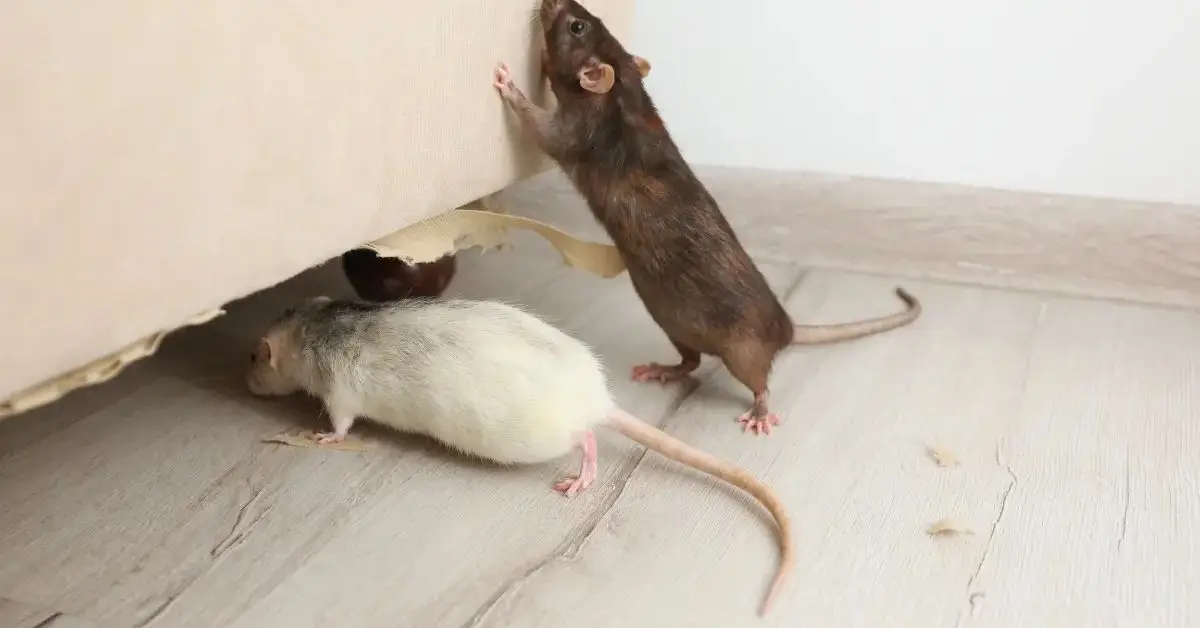
If you understand why smell works, you’ll use it smarter.
Rats don’t explore your home randomly. They rely heavily on scent trails. I’ve seen this again and again — once a rat finds food, it leaves an invisible smell path so it can return safely. That’s their navigation system.
When you introduce a strong competing odor, you disrupt that system.
According to research summarized by the Environmental Literacy Council, rodents have highly sensitive olfactory receptors that help them detect food, mates, and predators. Overpowering smells interfere with that detection process.
In simple terms — you’re scrambling their GPS.
Olfactory Overload & Predator Signals
Here’s what’s happening behind the scenes:
- Strong scents like peppermint or eucalyptus flood their nasal receptors
- Acidic odors like vinegar irritate their respiratory sensitivity
- Ammonia mimics predator urine
- Capsaicin (from chili powder) creates nasal discomfort
When I place strong scent barriers near entry points, the goal isn’t to “harm” the rat. It’s to make the space feel unsafe.
Rats survive by avoiding risk.
If the air smells like a predator has been there — especially ammonia-like odors — their instinct tells them to stay away. Even if there’s food nearby.
That fear response is powerful.
But it only works if the scent concentration stays strong.
Temporary vs Lasting Effects
Here’s where most homeowners go wrong.
They apply peppermint oil once… and assume the problem is solved.
Scents evaporate. Oils dry out. Air circulation weakens concentration.
That means:
- Essential oils usually need reapplication every 2–3 days
- Outdoor scents fade faster due to wind and moisture
- Diffusers are often too weak to create real impact
- Light fragrance ≠ deterrent
I always tell people this: smell is a pressure tool, not a permanent solution.
If you don’t combine scent with:
- Sealing entry gaps
- Removing food sources
- Cleaning nesting areas
…rats may return once the smell weakens.
So yes — scent repellents work.
But they work best when you use them strategically, not casually.
Now let’s talk about the specific smells that actually make a difference.
Top 9 Powerful Scents Rats Hate
If you’re searching what smells do rats hate, this is the section you actually care about.
I’ve tested many of these in real homes — some work better than others depending on how you use them. The key isn’t just the scent itself. It’s placement, strength, and consistency.
Industry guides like Allstate Pest Control also point to strong essential oils and sharp household odors as practical deterrents when used correctly.
Here’s what actually makes a difference.
1) Peppermint Oil — The Most Effective Natural Repellent

If I had to choose one scent, this would be it.
Peppermint is extremely strong and sharp. It overwhelms a rat’s sensitive nose and disrupts their scent tracking.
Why it works:
- High menthol concentration
- Strong, penetrating aroma
- Non-toxic when used correctly
How I recommend using it:
- Soak cotton balls in pure peppermint oil
- Place near entry points, under sinks, attic corners
- Refresh every 2–3 days
Light diffusers usually aren’t strong enough. You need concentration.
2) Eucalyptus Oil — Strong Menthol Scent for Basements & Yards
Eucalyptus has a camphor-like intensity that creates respiratory discomfort for rodents.
It works well:
- In basements
- Garages
- Storage areas
Indoor tip:
- Use diluted spray along baseboards
Outdoor tip:
- Reapply more often because wind weakens it fast
It’s strong — but not as overpowering as peppermint.
3) Ammonia — Mimics Predator Urine
This one works on fear.
Ammonia smells similar to predator urine. When rats detect it, their survival instinct kicks in.
Why it works:
- Triggers predator association
- Creates “unsafe” territory
But you must be careful:
- Always ventilate the area
- Never mix with other cleaners
- Avoid use around pets and kids
I only suggest ammonia in controlled, non-living areas like garages.
4) White Vinegar — Sharp and Acidic
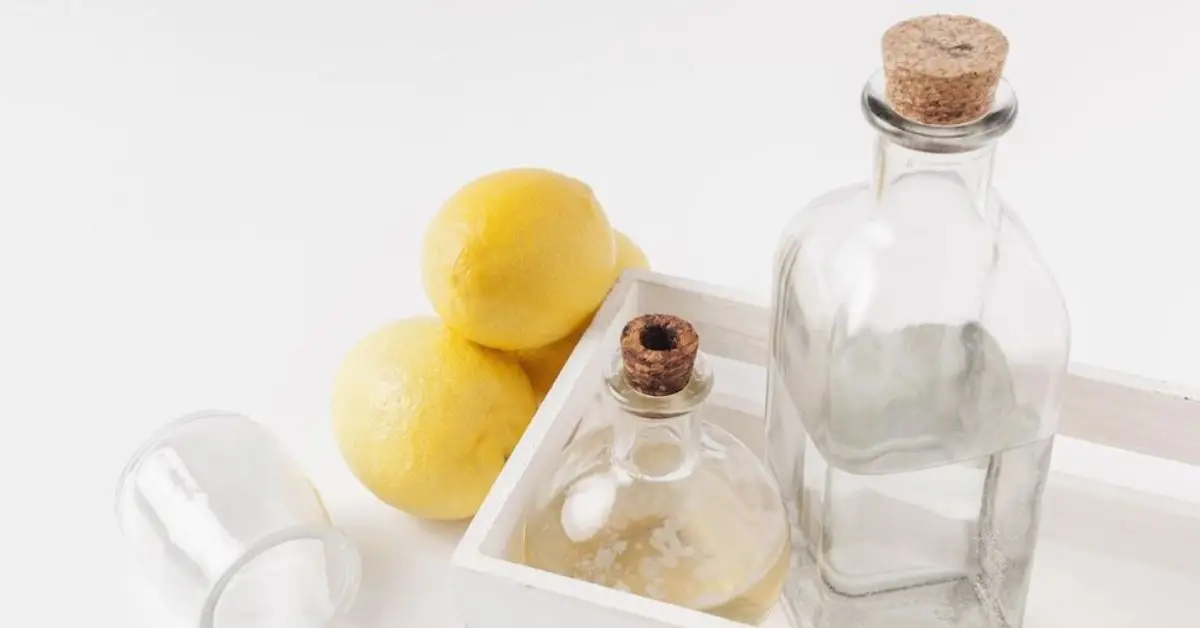
Simple. Cheap. Accessible.
The strong acidic smell irritates rats’ nasal passages and interferes with scent trails.
How to use:
- Fill small bowls near problem spots
- Wipe surfaces with diluted vinegar
It fades quickly, so you’ll need to refresh it often.
5) Garlic & Onion — Pungent Natural Repellents
Garlic contains sulfur compounds that rodents dislike.
It’s not magic, but it can add another layer of deterrence.
DIY idea:
- Crush fresh garlic
- Place in breathable cloth bags
- Set near door gaps or entry cracks
Expect mild effectiveness — not a standalone solution.
6) Cayenne Pepper / Chili Powder — Irritating Barrier
Capsaicin is what makes chili spicy. It irritates nasal passages and skin.
You can:
- Sprinkle lightly along walls
- Mix with water to create a spray
But be cautious:
- Not safe around pets
- Avoid inhalation
I use this more as a perimeter layer, not inside living areas.
7) Citronella & Lemongrass — Citrus-Based Deterrents
These oils are commonly used for insects, but they can also disrupt rodent scent patterns outdoors.
Best for:
- Garden edges
- Trash areas
- Outdoor sheds
They’re less effective indoors unless concentration is high.
8) Pine Oil & Herbal Oils (Thyme, Basil)

Strong herbal oils can interfere with established scent trails.
Examples:
- Pine oil cleaners
- Thyme oil spray
- Basil essential oil blends
I treat these as supportive scents — helpful when layered with stronger options like peppermint.
9) Predator Scents / Cat Urine — Fear-Based Repellent
This taps directly into survival instinct.
Commercial predator scent sprays simulate:
- Fox urine
- Bobcat urine
- Cat scent
When used properly outdoors, they can deter rats from nesting.
Important:
- Use only in non-living outdoor areas
- Follow product instructions carefully
You don’t want your home smelling like a wildlife reserve.
How to Use These Scents Safely and Effectively
Knowing what smells rats hate is step one. But knowing how to apply them correctly is what actually gets results.
If you just toss scent around randomly, it won’t make rats leave — and it might create hazards for your family or pets.
Placement & Frequency Tips
Rats don’t roam freely through open spaces — they hug walls, corners, and hidden edges. That’s where you focus your scent strategy.
Here’s how I approach it:
Best spots to apply scent repellents:
- Entry points — door gaps, foundation cracks, pipe openings
- Behind appliances — fridges, stoves, washers
- Basements & crawl spaces — their favorite travel paths
- Attics & insulation edges
- Outdoor borders — garden fences, compost areas
Frequency matters:
- Essential oils (peppermint, eucalyptus): refresh every 2–3 days indoors
- Outdoor applications: refresh more often — wind and rain weaken scents
- Vinegar or ammonia: reapply every 24–48 hours
When I use cotton balls soaked with oil, they must stay moist. Once dry, the scent fades fast and rats quickly return to familiar trails.
Consistency beats intensity. A faint fragrance one day won’t help much.
Safety First
Some smells repel rats — but they can also irritate humans and pets if misused.
Be cautious with:
- Ammonia: Use only in well-ventilated, unoccupied spaces
- Mothballs: Toxic fumes — not safe indoors
- Capsaicin powders (cayenne/chili): Can irritate skin and lungs
If you have pets or kids, keep all scent materials out of reach. Don’t mix chemicals, and never leave strong solutions in open bowls where curious hands (or paws) could tip them over.
Here’s something most “DIY rat advice” overlooks: scent alone isn’t enough.
Even articles with clever ideas like using garlic as a deterrent show that smells must target behavior and be paired with real environmental changes.
That means:
- Sealing entry points
- Cleaning food crumbs and spills
- Storing pet food securely
- Removing hiding spots
Smells push rats away. Clean spaces keep them away.
If rodents are getting close to your sleeping space, I’ve shared practical strategies in my guide on natural ways to keep mice out of your bedroom that build on the same prevention principles.
What Scents Don’t Work (Myths vs Facts)
There’s a ton of misinformation floating around online — and a lot of it comes from well-meaning DIY threads and viral social posts.
Let’s clear up a few of the most common myths so you don’t waste your time.
Myth: Baking Soda Repels Rats
Baking soda might absorb odors for you, but it does nothing to deter rats by smell.
If your goal is a scent barrier, baking soda doesn’t create one. Rats barely notice it.
This isn’t a rat-repelling smell — it’s household freshness, and that’s the difference.
Overreliance on Weak Scents (Diffusers & Candles)
Light scents from diffusers or scented candles smell pleasant to you — but they’re too mild to bother a rat’s strong olfactory system.
If you can enjoy the smell, chances are rats can ignore it.
For real impact, you need concentrated scents in targeted spots. Mild fragrances are decorative, not deterrents.
When Essential Oils Alone Aren’t Enough
If you’re seeing:
- Live rats in daylight
- Chewed wires or wood
- Droppings in multiple rooms
…that’s not just curiosity — that’s an active problem. If you’re unsure whether the signs you’re seeing are minor or serious, read my guide on sneaky signs you have mice and how to stop them fast so you can assess the situation clearly.
At that stage, scent treatments help only as part of a broader plan:
- Seal gaps
- Clean attractants
- Set traps
- Get professional help if needed
I’d rather be honest with you: natural smells are great for prevention and early deterrence, not full infestations.
So here’s a question for you: Are you noticing occasional signs of rats — or do you already have clear evidence they’re living in your space?
Beyond Smells: A Smarter Way to Keep Rats Out for Good
Here’s the truth most articles won’t say clearly:
Smells can push rats away.
But structure keeps them out.
If you really want results, you need to think bigger than scent. Prevention works best when you remove access, food, and shelter at the same time.
Let me walk you through what actually works long-term.
Seal Entry Points
If a rat can fit its head through a gap, it can squeeze its body through it.
I always tell homeowners to inspect:
- Foundation cracks
- Gaps around pipes and vents
- Door sweeps and garage edges
- Roofline openings
- Attic vents
Use steel wool + caulk for small holes.
Use hardware cloth for larger gaps.
Scent without sealing is temporary.
Sealing without scent is stronger.
Eliminate Food & Water Sources
Rats don’t stay where survival is difficult.
You need to remove:
- Open trash bins
- Pet food left overnight
- Bird seed spills
- Grease buildup under appliances
- Standing water near foundations
Even small crumbs matter. In fact, many homeowners don’t realize their routine is the problem — I break this down in detail in 10 cleaning habits even clean homes do that attract mice.
If your home offers easy calories and water, no smell will overpower that incentive.
Clean and Declutter
Clutter gives rats two things:
- Cover
- Nesting material
Declutter storage areas.
Lift boxes off the floor.
Avoid cardboard piles.
Trim shrubs touching exterior walls.
When I inspect homes, clutter is often the silent reason rats stay.
When to Call Professional Pest Control
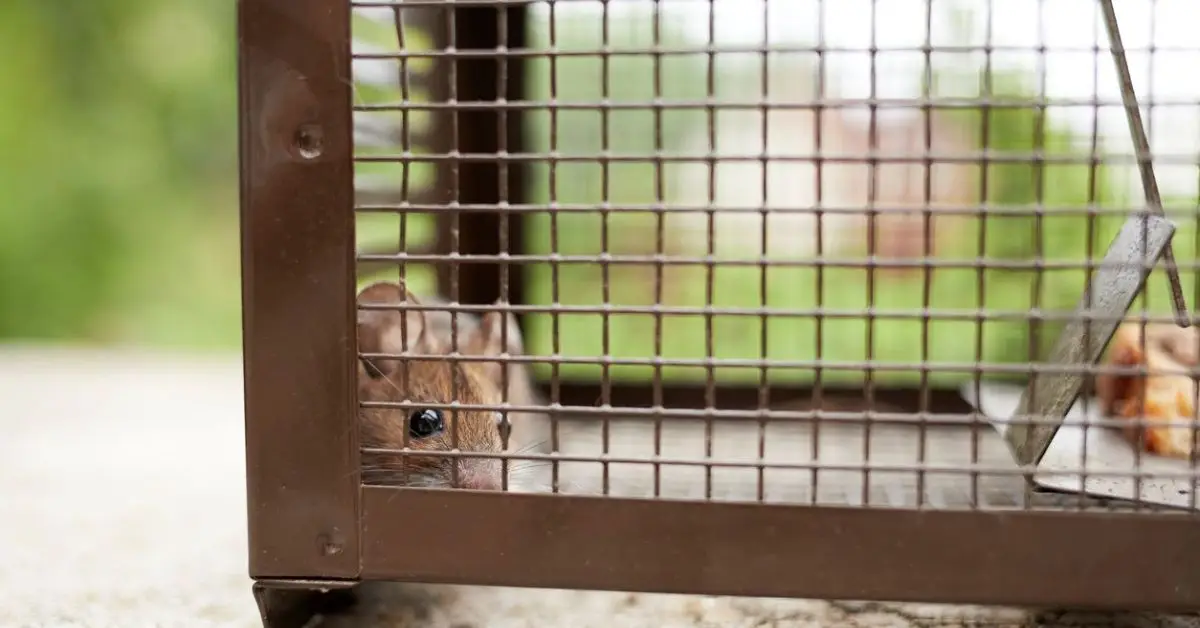
If you’re hearing scratching in walls, seeing droppings daily, or spotting rats in daylight — that’s not a minor issue.
Call a professional when:
- There’s confirmed nesting
- Structural damage is visible
- DIY methods aren’t working
- The infestation spreads room to room
There’s no shame in getting expert help. Severe infestations require more than deterrence.
Final Thoughts
If you’ve been wondering what smells do rats hate, now you know the real answer.
Yes — peppermint, ammonia, garlic, and other strong odors can help.
But the real solution is layered protection.
Use scent as pressure.
Use sealing as defense.
Use sanitation as strategy.
That combination works.
Now I’d love to hear from you:
Have you tried any of these scents before? What actually worked in your home?
Drop your experience in the comments — it helps other readers more than you think.
And if you’re serious about building a cleaner, stronger, pest-resistant home, visit Build Like New for practical guides, smart upgrades, and no-nonsense home improvement advice.
Disclaimer: This article is for informational purposes only and does not replace professional pest control advice. Results may vary depending on the severity of infestation and home conditions. Always use chemicals and essential oils safely, especially around children and pets. If you suspect a serious infestation, consult a licensed pest control professional.