Don’t Ignore This: How Frequently You Need to Change Your Vacuum Filter
You might think vacuum filters are just a small, forgettable part of your cleaning routine—but I’ve learned over the years that ignoring them can quietly sabotage your whole vacuum. I’ve seen homes where clogged filters meant weaker suction, longer cleaning sessions, and even a stressed-out vacuum motor. If you’ve ever wondered why your vacuum suddenly feels sluggish, or why dust seems to linger no matter how often you clean, the culprit is often right there behind the filter.
In this article, I’ll walk you through exactly how often you should clean or replace your vacuum filter, why it matters for your air quality and machine’s lifespan, and practical tips you can actually follow without overthinking. By the end, you’ll have a simple, realistic routine that keeps your vacuum—and your home—running at its best.
Why Filter Maintenance Is More Important Than You Think
I’ve often seen people treat vacuum filters like a “set it and forget it” part of their machine—but here’s the thing: your filter is doing way more work than you realize. When it’s clogged or worn, your vacuum has to work harder, and that can snowball into bigger problems. Let me break it down for you.
- Suction power and airflow: A dirty filter chokes your vacuum. You might notice weaker suction, longer cleaning sessions, or even missed spots. That dust you thought you picked up? It’s probably just swirling around.
- Indoor air quality: Filters trap allergens, fine dust, and pet dander. Neglecting them means you’re essentially recycling those particles back into your home. If someone in your house suffers from allergies, this becomes a real concern. Even with a clean filter, dust can build up in unexpected areas—these 10 places that are way dirtier than you think are a reminder that your vacuum’s performance matters everywhere in your home.
- Motor strain and early breakdown: I’ve seen vacuums overheat or even fail completely because the motor was constantly fighting a blocked filter. It’s not just an inconvenience—it’s an expensive problem waiting to happen.
Experts at Eufy explain how proper vacuum filter care can prevent wear and tear, keeping your vacuum performing like new.
Paying attention to your filter isn’t just about cleaner carpets—it’s about protecting your machine, breathing cleaner air, and saving yourself frustration down the line.
Types of Vacuum Filters and How Their Maintenance Differs
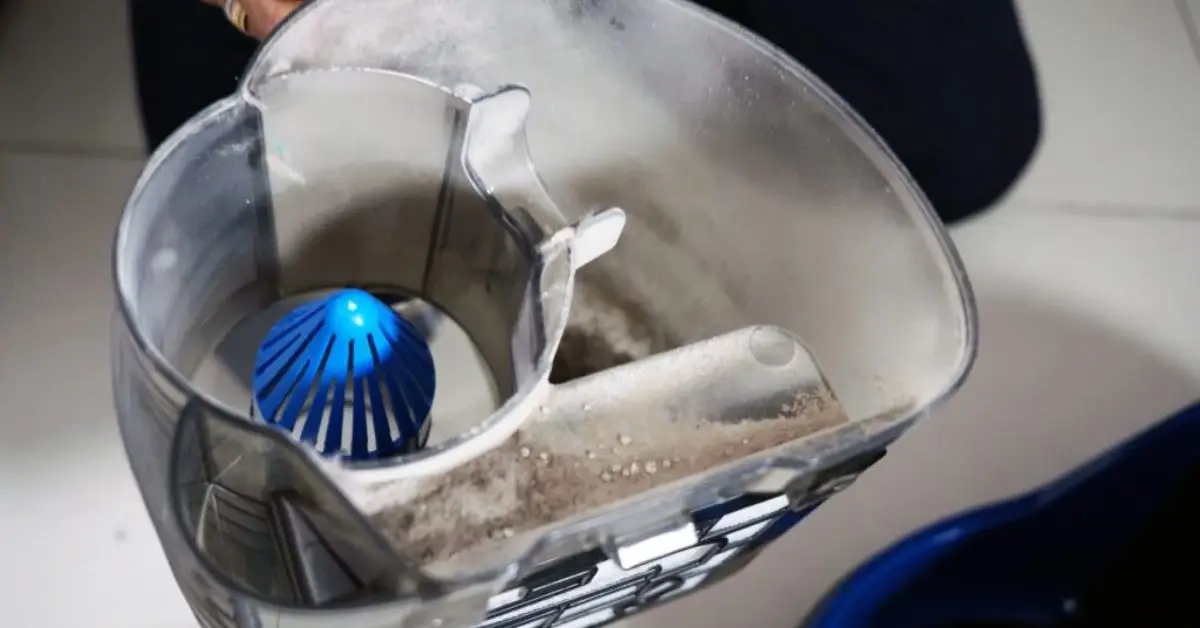
Before you decide how often to clean or replace your filter, it’s important to understand that not all filters are created equal. The type of filter your vacuum uses determines how you maintain it and how often. Here’s a breakdown:
HEPA Filters
- What they do: HEPA filters trap fine dust, allergens, and microscopic particles, keeping your air cleaner.
- Maintenance note: Many HEPA filters cannot be washed, and rinsing them can actually damage the filter media.
- Tip: Check your vacuum’s instructions before attempting any cleaning to avoid costly mistakes.
Foam and Pre‑Filters
- What they do: These are typically washable and protect the main filters and motor from larger debris.
- Maintenance note: Foam filters need regular rinsing and drying to maintain airflow and efficiency.
- Insight: Following proper care prevents motor strain and prolongs your vacuum’s lifespan, as explained in the Vacuum Insight guide to filter maintenance.
Paper, Pleated & Charcoal Filters
- What they do: Usually disposable or semi-disposable, these filters often handle odor control and larger dust particles.
- Maintenance note: Replace them on the schedule recommended by your vacuum’s manufacturer. Wetting them can ruin their structure.
- Practical takeaway: Knowing which type you have ensures you clean or replace it correctly—saving you frustration and money in the long run.
Cleaning Frequency: What Works for Real Life Use Cases
Generic advice like “clean every 1–3 months” rarely fits everyone. Your actual schedule depends on how often you vacuum and what’s in your home. And don’t forget that some areas in your home collect dust faster than others—these 3 rooms most people don’t vacuum properly are prime examples and can put extra strain on your filter. Let’s make it practical:
Light Use Homes (1–2x per week)
- Foam filters: Every 2–3 months
- HEPA filters: Tap out dust monthly; rinse only if washable
Heavy Use / Pets / Allergies
- Clean filters monthly or bi-weekly depending on hair and debris
- Robot vacuums may need weekly attention if pets shed heavily.
User-Reported Frequency Insights
- Real owners report some cleaning monthly, others every 1–2 weeks for heavy hair or dust
- Mini‑chart idea: Compare expert-recommended intervals vs. actual user habits
By understanding your filter type and your home’s cleaning needs, you can create a realistic, easy-to-follow routine that keeps your vacuum running efficiently—and your home dust-free.
Replacement Timing: When Cleaning Isn’t Enough
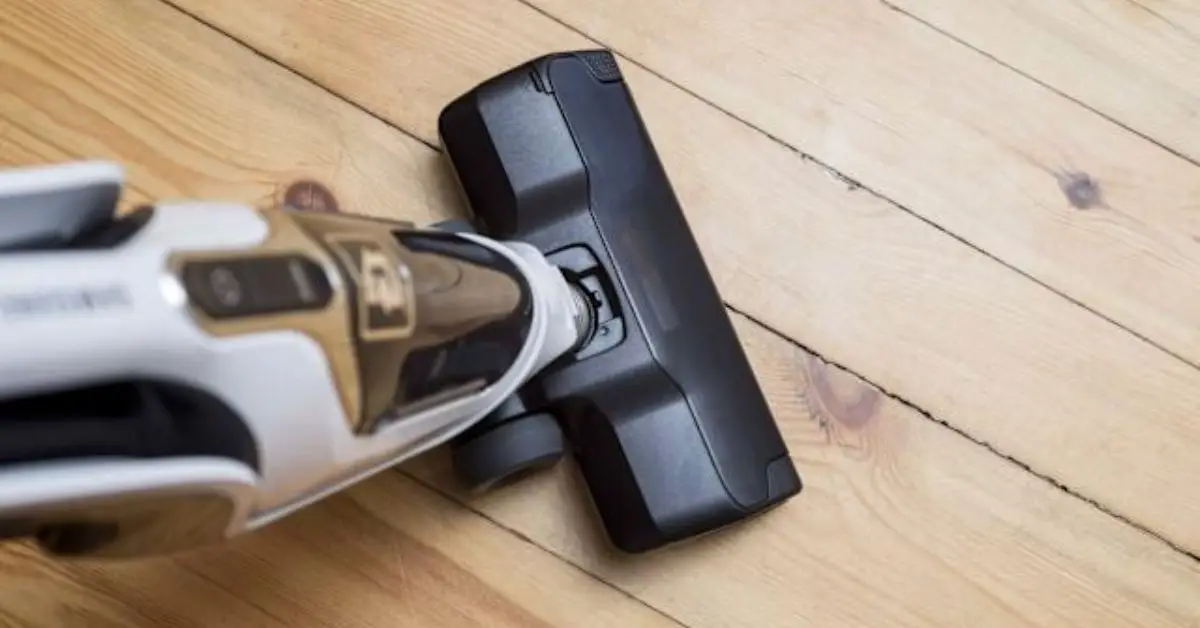
Sometimes cleaning your vacuum filter just isn’t enough. I’ve noticed that many people keep cleaning the same filter for months, thinking they’re doing enough—but eventually, wear and tear catch up. Knowing when to replace a filter can save you money, protect your vacuum, and keep your home cleaner.
Standard Guidelines by Filter Type
- HEPA filters: Typically last about 6–12 months before replacement.
- Foam filters: Replace annually or sooner if you notice damage.
- Paper/Disposable filters: Usually need replacement every 3–6 months to maintain performance.
Signs It’s Time to Replace—Not Clean
- Persistent loss of suction, even after a thorough cleaning
- Unpleasant or musty smell that lingers
- Physical deterioration of the filter media (tears, crumbling, or warped shape)
Why OEM vs. Aftermarket Matters
- Using the original manufacturer’s filter ensures proper fit and consistent performance
- Aftermarket filters may be cheaper, but some users report inconsistent quality and shorter lifespans
- Picking the right filter can prevent unnecessary motor strain or wasted cleaning time
Step‑by‑Step Practical Filter Maintenance Routine
I like to keep things simple, so here’s a practical routine that works for almost any vacuum:
- Pre‑clean routine: Empty the dustbin and tap out large debris before touching the filter. f you want to extend the efficiency of your vacuum beyond just the filter, check out these 7 genius hacks to make the most of vacuum seal bags at home—they can help you reduce debris buildup and improve overall suction.
- Washing instructions: Rinse washable filters with water only, unless your manual says soap is okay
- Drying: Let filters dry completely before reinstalling to avoid mold or damage
- Inspection: Schedule a quick monthly check to catch wear or build-up before it becomes a problem, as recommended in the ECOVACS US maintenance guide
Following this routine consistently prevents performance loss and keeps your vacuum running efficiently. It’s easier than it sounds—and once you get into the habit, you won’t have to think twice about it.
Mistakes People Make With Vacuum Filters (And How to Avoid Them)
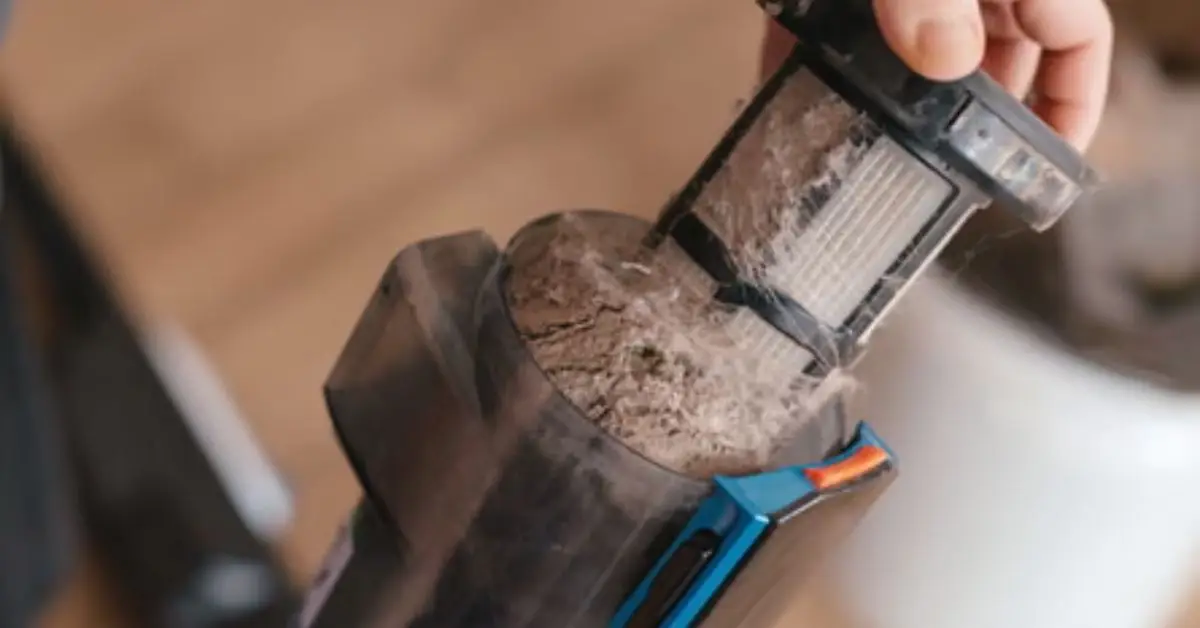
Even with all the guides out there, I still see the same mistakes popping up again and again. Avoiding them will save you time, money, and frustration:
- Assuming all filters are washable: Not every filter can be rinsed—HEPA and paper filters often get ruined if you use water.
- Cleaning only when performance drops: Waiting until suction is weak is reactive. Regular maintenance keeps your vacuum working efficiently and extends its life.
- Using water on non‑washable filters: This is a common mistake that can damage the filter and cause odors, as highlighted in the ECOVACS US guide.
- Ignoring robot vacuum specifics: Robot vacuums collect hair and debris differently; they often need more frequent filter care than traditional vacuums.
Build a Filter Care Habit That Fits Your Home
Here’s the part I wish everyone realized: maintaining your vacuum filter isn’t just chores—it’s part of keeping your home clean, healthy, and stress-free.
- Regular filter care improves suction, airflow, and indoor air quality.
- Scheduling filter checks—monthly or seasonally—turns maintenance into a simple habit rather than a scramble.
- Combine it with your vacuuming schedule so it becomes automatic, not a chore.
I’d love to hear from you: How often do you clean or replace your vacuum filter? Share your tips or challenges in the comments below. And if you want more practical guides like this, check out our other articles on Build Like New—we focus on keeping your home running at its best, without overcomplicating it.
Disclaimer: The information in this article is for general guidance on vacuum filter maintenance. Always follow your vacuum manufacturer’s instructions and safety guidelines. Build Like New is not responsible for damage caused by improper cleaning or replacement.