1 Person Injured, 4 Evacuated After Indianapolis Home Fire
When I first looked into the Indianapolis house fire on the north side, one thing was clear—you never expect an ordinary Sunday afternoon to turn into a fight for survival. Around 3:25 p.m., firefighters rushed to the 7800 block of Marquis Lane, just off West 79th Street near Harcourt Road in Indianapolis, after reports said someone was trapped inside a burning home.
If you imagine that moment for a second—the smoke, the panic, the urgency—you’ll understand why seconds mattered. Fire crews had to push through heavy smoke to reach the person stuck inside. By the time they got the resident out, the injuries were described as “slight,” which honestly feels like a small miracle considering how fast a house fire can turn deadly.
What struck me is how quickly things unraveled for the people living there. Four residents ended up displaced in minutes—one fire, and suddenly a home becomes unlivable. And right now, investigators still don’t know what sparked it.
This section matters because if you’re reading about this incident, you don’t just want a headline—you want a clear picture of what happened, why it escalated, and what the people inside went through. Real events, real stakes, real human moments.
Would you have known what to do if you were inside that home when the fire started?
How Fire Crews Reached the Trapped Resident
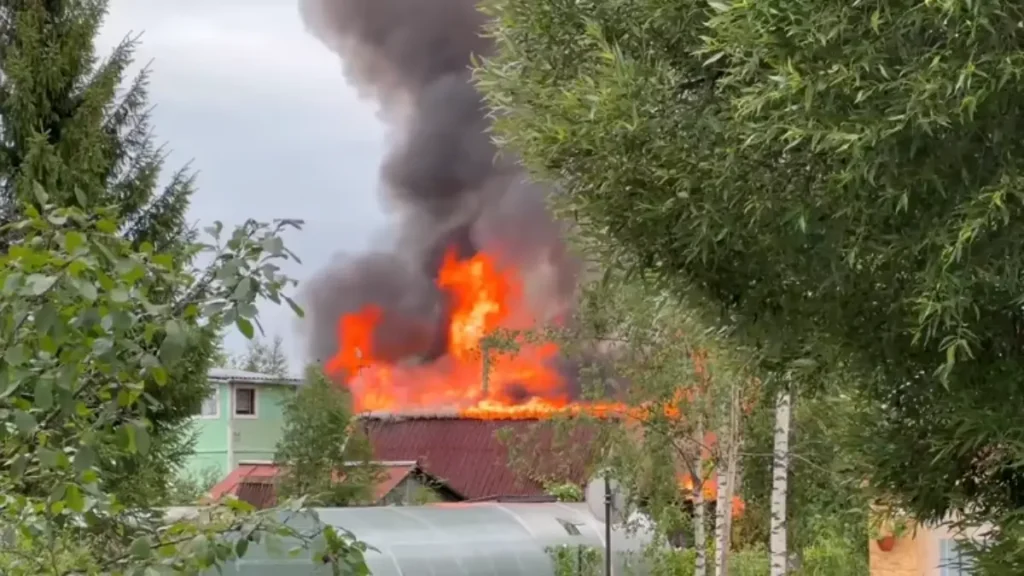
When I went through the reports, one detail stood out—the first responders didn’t walk into a normal scene. They reached the Marquis Lane home knowing someone might still be inside, and that shifts everything about how a firefighter moves, thinks, and reacts.
According to early public safety logs and confirmation from FOX59, crews pushed through dense smoke to get inside. They weren’t sure how many people were trapped, which makes every room a time-sensitive search. You can almost picture it—visibility dropping, heat rising, and each second feeling heavier than the last.
Their quick entry likely prevented something far worse. Even local scanner-based sources logged the urgency of the call, noting the “possible entrapment” before crews even arrived. Moments like these remind you how much of firefighting is instinct, training, and courage working together.
This matters because rescue efforts aren’t just bullet points; they show you what firefighters actually face when a family’s worst-case scenario becomes real.
Injury Update — What We Know About the Resident Hurt in the Fire
The Pike Township crew later confirmed the resident who was pulled from the home suffered only slight injuries. And honestly, when you consider how fast a fire can fill a room with toxic smoke, “slight” sounds like a blessing.
Right now, there’s no confirmation about hospitalization, but the pattern is clear: smoke inhalation is usually the first threat in a house fire, not flames. That means even a few minutes inside can change everything.
I’m mentioning this because when people read these incidents, they want the human side—Was the person okay? Did they survive the worst moment? And here, the answer is yes, thanks largely to how quickly crews made entry.
Four People Displaced — How the Fire Changed Everything for Them
While one person was hurt, four others lost their home in a matter of minutes.
Think about that for a second—your day is normal, then suddenly you’re standing outside watching smoke pour out of your own house.
Officials haven’t released the age or relationship details yet, but what’s clear is that these residents won’t be going back inside anytime soon.
Fires don’t just burn rooms—they destroy wiring, structure, air quality, and any sense of safety.
What Caused the Indianapolis House Fire?
Right now, investigators don’t know what started the fire. And in early phases, they rarely guess.
They check burn patterns, electrical points, appliances, and the rooms where the fire seemed strongest when crews arrived.
The Pike Township Fire Department has only said the cause is “under investigation.”
That usually means they’re ruling out electrical faults, heating equipment issues, or accidental ignition sources one by one.
I often come across similar early investigation notes and safety patterns from different fire incidents. I usually share those quick alerts and safety pointers on a WhatsApp channel so people can stay aware before things go wrong.
The Firefighters’ Response and Why It Mattered
The more I looked into this incident, the more it became clear that the quick response on Marquis Lane made the difference between a bad day and a tragic one. Fire crews reached the home fast, entered despite unclear conditions, and kept the flames from spreading deeper into the structure.
One thing people often forget is how coordinated these operations need to be. While firefighters were pushing inside, other teams were securing the outside, checking utilities, managing hoses, and preparing for medical treatment once the resident was pulled out.
A lot of recent cases show the same pattern—small electrical faults turning into full-blown fires, like the one in Brookeville that caused over $150,000 in losses.
If you think about it, the entire rescue hinged on minutes—and the actions of trained professionals who moved without hesitation. You don’t have to be a firefighter to appreciate what that means. When the situation is chaotic, their calm becomes the only steady thing in the room.
How People Get Trapped in Home Fires — A Simple but Overlooked Reality
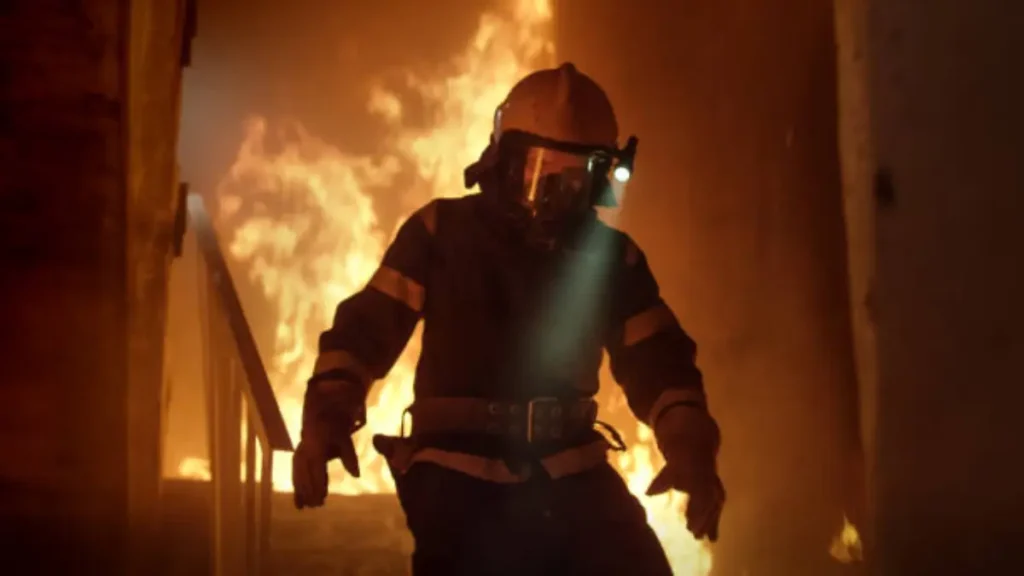
When you hear someone was trapped inside a burning home, it’s easy to imagine flames blocking the way. But in most fires, it’s not the flames that trap you—it’s the smoke and the speed of the spread.
Heavy smoke can fill a room in seconds. Visibility drops to almost nothing. Breathing becomes painful. Disorientation kicks in. That’s usually how people lose their way inside their own homes.
The National Fire Protection Association has repeated this in its data for years: smoke, not fire, is the leading cause of death in residential incidents. And many of those cases happen in homes without working smoke alarms.
I’m bringing this up because it’s not just a statistic. It explains how the resident in this fire ended up trapped, and why firefighters treat every “possible entrapment” call like a race against time.
And if you’re reading this and thinking about your own home—good. That’s the point. Awareness saves lives long before a fire truck ever arrives.
This isn’t the first time someone got trapped before help arrived—just a few days ago, a woman in northern Minnesota faced the same situation when her home caught fire.
What This Fire Teaches You About Home Safety
House fires always look like someone else’s problem—until they aren’t. And every incident like this one exposes the same lessons most people overlook.
Start with smoke alarms. You don’t need a fancy system. You just need them working. A dead battery doesn’t sound dangerous until it’s the one thing standing between you and a blocked exit.
Electrical load is another silent threat. Too many plugs in one outlet…an old power strip…a space heater running near fabric—these are small things that become life-changing mistakes in seconds.
And then there’s the escape plan. I know it sounds dramatic, but you should know your own home well enough to leave it in darkness and smoke. If you haven’t thought about exits, normal rooms can feel like mazes during an emergency.
And if you think these situations are rare, another recent fire in Michigan shows how quickly things spiral when small hazards go unnoticed.
I’m not saying this to scare you. I’m saying it because this fire is a real example of what goes wrong when something small turns into something unstoppable.
What Happens Next — The Investigation and Expected Updates
As of now, the Pike Township Fire Department is still working through the cause. These investigations take time—sometimes days, sometimes weeks. They’ll examine burn patterns, wiring, appliances, and the rooms with the heaviest damage.
What you can expect next is a formal update once investigators rule out everything that didn’t start the fire. That’s usually how they arrive at what did. Until then, anything beyond the official statements is speculation.
Local outlets and public safety logs will likely post the next rounds of information. If there’s an electrical issue, structural concern, or safety alert tied to this fire, that will come out in those updates.
If you want quick, verified updates on incidents like this, I share them regularly on X and in our Facebook community.
Disclaimer: The details in this article are based on initial public safety reports and may change as officials release updated information. I’ll continue to review new statements from investigators and local authorities. Please check back for verified updates as the investigation progresses.