$150K in Damage Reported After House Fire in Brookeville
I want to start by giving you a clear picture of what unfolded inside that quiet stretch of the Brookeville neighborhood. If you’ve ever wondered how fast a normal evening can turn into an emergency, this incident is a reminder.
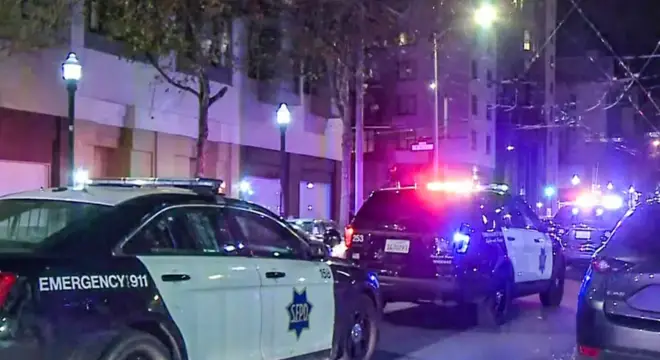
Late Wednesday night, around 10:30 p.m., firefighters rushed to the 23100 block of Howard Chapel Rd after reports of flames coming from a home. When they arrived, they found the back porch burning — the kind of fire that doesn’t look massive from a distance but can spread fast if even a few minutes are lost.
What struck me most here is how quickly things changed for the people living inside. One person ended up displaced, even though they escaped unharmed. No injuries. No panic. Just quick action and a lot of luck mixed with experience.
The team from the Montgomery County Fire and Rescue Service worked fast. They knocked down the flames before they could push into the main structure, and that single decision probably prevented the loss from climbing far beyond the estimated $150,000.
You and I both know electrical fires often hide behind walls or quiet corners. And in this case, investigators believe the fire started accidentally in the sunroom or porch — possibly electrical. It’s the kind of detail that makes you step back and check the wiring in your own home, especially in areas that don’t get much attention.
When I look at this story, I don’t just see a fire report. I see how a few minutes, a small electrical fault, and a quick response shaped the outcome. I’m curious — have you ever checked the wiring or outlets in the lesser-used rooms of your home?
How the Fire Unfolded on Howard Chapel Rd
When I went through the initial reports, including the one from DC News Now, one thing became clear: this fire didn’t start big. It started quietly, on the back porch—exactly the kind of place you and I usually ignore because it doesn’t feel like a fire risk.
The call came in around 10:30 p.m. Most homes are settling down at that hour. Some lights off. People getting ready for bed. That timing alone tells you why fires at night are so risky—reaction time drops, and small delays can turn into big losses.
By the time firefighters got to the 23100 block of Howard Chapel Rd, flames were already showing from the porch area. It wasn’t a full structural blaze yet, but it was past the “harmless smoke” stage. And if you’ve ever seen how fast a wooden porch can catch, you know it doesn’t give anyone much room to think.
What I find important here is how the fire was contained right where it started. The response window was tight, and if they were even a few minutes later, we might be talking about a completely different outcome.
Let me ask you something: when was the last time you checked the wiring or appliances in the corners of your home you barely use?
The Fire Department’s Rapid Response

About 50 firefighters showed up that night. That number alone tells you two things: the call was serious, and the risk of spread was real. When multiple units roll out together, it’s usually because the first-on-scene team sees conditions that could escalate fast.
The team from Montgomery County Fire and Rescue Service worked in a way only seasoned crews can—quick assessment, fast line deployment, and a tight focus on preventing the fire from pushing into the main living space.
I want you to picture this for a moment: firefighters arriving to find flames crawling up a porch, smoke ready to move inward, and a resident who just escaped in time. In those moments, every move is about speed and precision.
They cut off the fire right at the porch. That one decision kept the incident from turning catastrophic. And honestly, that shows why trained teams matter so much. You and I might see “a porch fire.” They see “a doorway to the entire house.”
If you’ve ever wondered what actually protects a home during these situations, it’s decisions like this—made within seconds.
Situations like this remind me of a similar incident in Illinois where firefighters managed to contain a fast-moving home blaze.
What Investigators Discovered About the Cause
The next morning, investigators began pulling apart the porch and sunroom area, looking for what sparked the flames. And based on their findings, the fire was accidental and likely electrical.
Electrical fires are tricky. They hide beneath surfaces, inside walls, behind outlets. They don’t announce themselves with the smell of gas or a visible flame. They just develop heat until something finally catches.
When I read that the ignition point was the sunroom or back porch, it made perfect sense. These areas often have older wiring, outdoor-rated equipment, or space heaters that run longer than they should. And because we don’t spend much time there, problems go unnoticed.
This is the part of the story that feels personal. You don’t expect electrical issues in those “calm” corners of your home. But they’re often the exact spots that create the biggest risks.
If there’s one takeaway here, it’s this: the least-used rooms in your home might be the ones that need the most attention.
Impact on the Residents and the Neighborhood
One person ended up displaced after the fire. And even though they walked out without injuries, displacement carries its own emotional weight. I’ve seen families struggle more with the aftermath than the flames themselves—the loss of routine, the sudden need for temporary housing, the sense of not knowing what comes next.
For neighbors, seeing fire trucks outside familiar homes always hits hard. It’s a reminder that you don’t need a major event for life to change. A single spark, a hidden wire, a forgotten outlet can shift everything.
What I respect is how the community here typically responds—checking in on each other, offering support, making sure the affected person isn’t left on their own. Fires test more than the structure of a house; they test the strength of the people around it.
Let me ask you honestly: if this happened on your street, would you know how to help a displaced neighbor?
Understanding the Scale of Damage ($150K)
The estimated $150,000 loss isn’t just a number. When you break it down, it’s the structure, the cleanup, the smoke damage, the inspections, the wiring replacements, and the rebuilding of the sunroom or porch.
Fire damage rarely ends where the flames stop. Smoke finds its way into corners you never think about. Wiring needs to be replaced, even if only one section burned. And restoring a home after an electrical fire involves more testing, more caution, and more reconstruction.
I always tell people this: the dollar figure isn’t just the cost of repairs—it’s the cost of making a home safe again.
Most homeowners don’t realize how expensive recovery can be until they face it themselves. And honestly, this is one of the reasons I believe every home should have a simple electrical safety check every year, especially in older or lesser-used spaces.
So let me throw a question your way— If an inspector walked through your home today, would your wiring pass a safety check?
Lately, I’ve also seen a lot of people discussing fire safety checks and insurance pitfalls in one of the public WhatsApp channels focused on home safety updates. Conversations like those often remind you how many small things we overlook until an incident happens.
What This Fire Teaches Every Homeowner
When I step back and look at this entire incident, one thing stands out: you don’t need a huge disaster for life to flip upside down. A porch. A hidden wire. A spark you never see coming. That’s all it took here.
If you own a home, or even rent one, the lesson is simple — the places you ignore are the places you should check first. Sunrooms, porches, basements, storage corners. They’re out of sight, so they stay out of mind. And that’s exactly where electrical issues quietly build.
I don’t want you to read this like a warning. I want you to see it as a nudge — a reminder that small checks can prevent big losses. You don’t need an expensive inspection every month. You just need awareness. You just need to look in the corners you usually walk past.
And honestly, if this fire teaches anything, it’s that prevention isn’t complicated. It’s consistent.
A lot of these risks overlap with what happened during a Phoenix home fire where firefighters saved two dogs just in time — that story breaks down similar warning signs.
What Officials May Release Next
Right now, the major facts are out — the cause, the damage, the response. But this kind of incident usually brings a few follow-up updates from county officials.
You can expect the final investigation summary to confirm the ignition source once they analyze the wiring and surrounding structural materials. They may also share any electrical or building code recommendations that come out of the review. These reports don’t just close the case — they help prevent similar fires across the county.
Sometimes, the fire department also releases community reminders after incidents like this. Things like checking outdoor outlets, using proper-rated extension cords, or inspecting sunroom heaters. These guidelines often come after the fact because they know people pay attention when something happens close to home.
I’ll be watching for those updates because they usually reveal small but important details that help you protect your own home.
If one of those official reminders came out tomorrow, would you actually follow it — or would it be one of those things you save for “later”?
If you want another example of how quickly things can escalate — and how firefighters respond — here’s a New Mexico case where three pets were rescued during a home fire.
Practical Safety Resources You Can Use Right Now
I want to leave you with something useful — not just a story about a fire, but real steps you can take if you ever face an emergency or want to prevent one.
Your local fire department website usually lists free safety checks, volunteer programs, and seasonal fire-risk alerts. County housing services often help displaced residents find temporary shelter or emergency assistance. And national agencies like FEMA provide guidance on preparing your home for electrical hazards, smoke risks, and recovery planning.
You don’t need to bookmark twenty websites. You just need to keep the essential ones handy so you’re not scrambling in a crisis. A few numbers in your phone, a couple of links saved — that’s enough to make you feel in control.
And honestly, after reading about what happened in Brookeville, it’s worth asking yourself:
Do you know where you’d turn for help if something similar happened to you?
If you want quick updates on incidents like this and other important safety stories, you can follow along on X and join the community conversations on Facebook — I share real-time posts whenever officials release new details.
Disclaimer: This article is based on information released by county officials and fire authorities. Details may change as the investigation continues, and updates will be added when available. Readers should not rely on this report for emergency guidance—always follow instructions from local authorities.