7 Easy Ways to Remove Winter Salt Stains From Boots, Carpets & Floors
Last winter, I stepped into my house after a snowy day and noticed those annoying white marks near the entryway again. My boots looked dusty, the carpet had cloudy patches, and the hardwood floor had streaks that wouldn’t disappear no matter how many times I wiped them.
If you live somewhere that uses road salt during winter, you probably know exactly what I’m talking about. That chalky white residue shows up everywhere — on boots, carpets, rugs, and floors — and somehow it always seems harder to clean than normal dirt.
The problem is that winter salt isn’t just mud or dust. When snow melts, salt crystals mix with water and grime, and that mixture sticks to surfaces as it dries. That’s why the stains often come back even after you mop or wipe the area.
I’ve also seen many people make the same mistake: scrubbing harder or using the wrong cleaner. Unfortunately, that can damage leather boots, fade carpets, or leave dull marks on floors.
The good news is that removing these stains doesn’t require expensive cleaners or complicated routines. With the right approach, you can break down salt residue quickly and clean winter grime without damaging the surface.
In this guide, I’ll share 7 practical winter cleaning hacks that help remove salt stains from boots, carpets, and floors using simple methods that actually work.
Before we get into those hacks, it helps to understand what salt stains really are and why they can be surprisingly stubborn.
Understanding the Science: What Salt Does to Materials
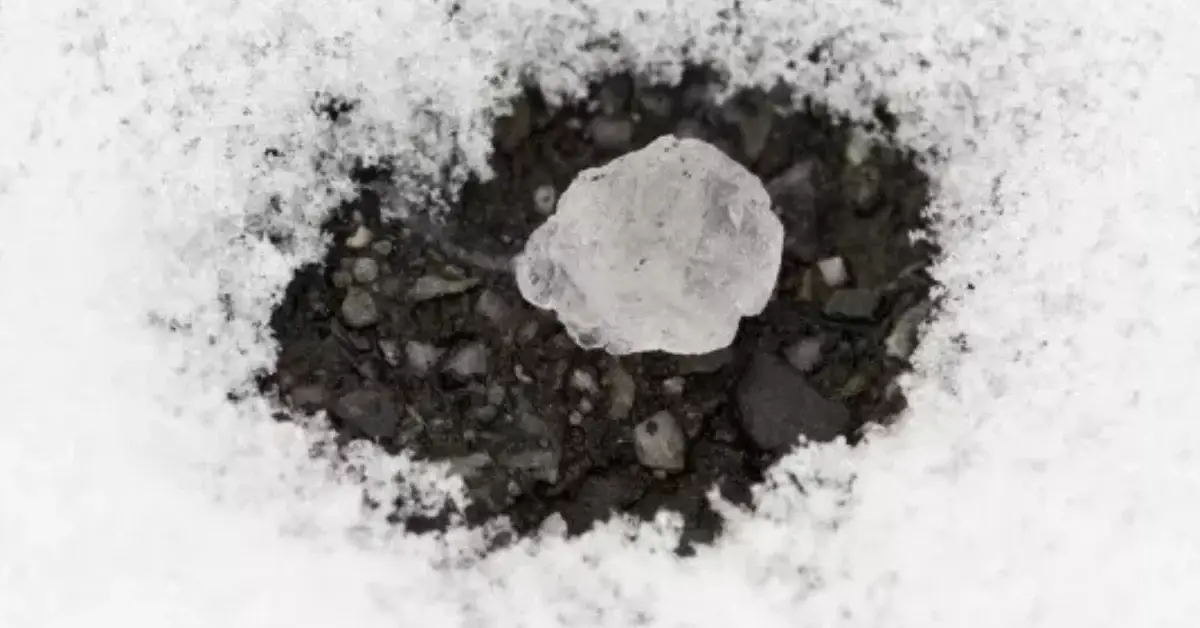
Before I learned how to deal with winter stains properly, I used to think those white marks were just dried mud. But salt stains behave very differently. Once you understand what’s actually happening, cleaning them becomes much easier.
During winter, road salt mixes with melting snow and dirt. When that mixture dries, it leaves behind mineral crystals that cling to surfaces like leather, fabric, carpet fibers, and floor finishes. That’s why the stain often looks dusty or chalky and sometimes even feels slightly rough.
Over time, those salt crystals slowly pull moisture out of materials. That’s where the real damage begins.
How salt crystals affect common materials
Different surfaces react differently when salt residue sits on them too long.
- Leather boots: Salt draws moisture from leather, which can cause dryness, fading, and stiff patches if it isn’t cleaned quickly.
- Fabric and cloth shoes: Salt crystals get trapped between fibers, leaving white rings or stains that are hard to remove once they set.
- Carpets and rugs: Salt mixes with dirt and slush and sinks into carpet fibers, creating dull patches and stiff spots.
- Hardwood or finished floors: Salt residue can leave cloudy streaks and may slowly weaken the protective finish if it builds up.
Cleaning professionals often warn that road salt can gradually damage surfaces if it’s left untreated. Guides like the one from Forbes Home winter cleaning experts explain that salt deposits cling to different materials and need the right cleaning approach to break down properly.
Winter grime vs. salt residue
Many people mix these two up, but they’re not the same thing.
- Winter grime: A mix of mud, melted snow, sand, and dirt tracked indoors.
- Salt residue: The white, powdery mineral deposit left behind after salt water dries.
Most winter stains are actually a combination of both, which is why simple wiping usually doesn’t work.
What can go wrong with the wrong cleaning method
I’ve seen people try everything from hot water to strong chemicals, thinking it will remove the stains faster. Unfortunately, that often causes more problems.
Some common mistakes include:
- Scrubbing too hard and damaging leather
- Using too much water on hardwood floors
- Applying harsh cleaners that fade fabrics
- Spreading the stain deeper into carpet fibers
Once you understand how salt interacts with different materials, the cleaning hacks we’re about to cover will make much more sense.
Universal Prep Steps Before You Clean Anything
Before jumping into any cleaning hack, I always do a few quick prep steps. These small things make a big difference and help prevent accidental damage.
No matter whether you’re cleaning boots, carpets, or floors, the preparation process is almost the same.
1. Remove loose dirt first
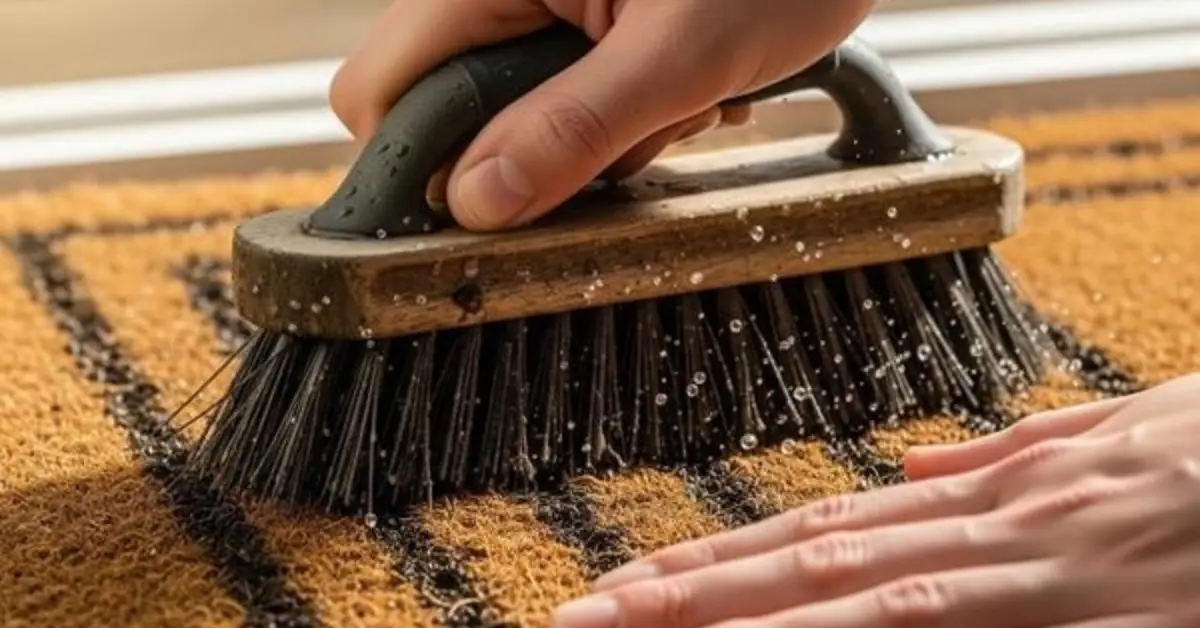
Always start by getting rid of dry debris.
You can do this by:
- Gently brushing boots with a soft brush
- Vacuuming carpets and rugs
- Sweeping or dry mopping floors
This prevents dirt from turning into muddy streaks once moisture is added.
2. Blot stains — never rub them
When a surface is damp with melted snow or salt residue, rubbing can push the stain deeper.
Instead:
- Use a clean cloth or paper towel
- Lightly press to absorb moisture
- Repeat until the area feels mostly dry
Blotting helps lift residue without spreading it.
3. Test a small hidden spot first
This step takes less than a minute but can save you from ruining a surface.
Before using any cleaning mixture:
- Apply it to a small hidden area
- Wait a few minutes
- Check for fading, discoloration, or texture changes
This is especially important for leather boots, carpets, and dyed fabrics.
4. Gather a few basic cleaning tools
The good news is that most winter salt stains can be removed with simple household items.
I usually keep these ready:
- Soft microfiber cloths
- A small bowl of warm water
- Mild dish soap
- White vinegar
- A soft brush or old toothbrush
Once these basics are ready, you’ll be able to clean winter salt stains much faster and with far less effort.
Now let’s move to the first cleaning hack that works especially well for removing salt stains from winter boots.
Hack #1 — Best Way to Remove Salt Stains From Leather Boots
Leather boots are usually the first thing to show winter salt damage. I’ve seen perfectly good boots develop white streaks after just one snowy walk.
The reason is simple. Leather absorbs moisture easily, and when salty water dries, it leaves mineral marks that pull oils out of the leather. If you ignore them for too long, the leather can become stiff and faded.
The good news is that removing those stains is actually simple if you do it gently.
Step-by-step method using vinegar solution
This is the method I personally use every winter because it breaks down salt residue quickly.
- Mix equal parts white vinegar and warm water in a small bowl.
- Dip a soft cloth into the solution and wring it out so it’s damp, not soaking.
- Gently wipe the salt-stained areas of the boot.
- Repeat until the white marks start disappearing.
- Use another clean damp cloth with plain water to wipe away leftover vinegar.
- Let the boots air dry naturally.
You’ll usually see the white residue disappear within a few wipes.
Alternative method: saddle soap
If your boots are heavily stained or made from thicker leather, saddle soap can work well.
Steps I usually follow:
- Lightly dampen a cloth or soft brush
- Apply a small amount of saddle soap
- Work it gently into the leather using circular motions
- Wipe off the foam with a clean cloth
- Let the boots dry naturally
This method cleans the leather while restoring some of its natural oils.
Drying and conditioning the leather
One mistake I see people make is cleaning the boots and then forgetting about conditioning.
After the boots are fully dry:
- Apply a leather conditioner to restore moisture
- Buff lightly with a soft cloth
- Let the conditioner absorb for a few hours
This step keeps the leather soft and prevents cracking.
Pro tip: conditioners that work well in the US
If you want to protect your boots long-term, a good conditioner helps a lot. Many people use products like:
- Leather Honey Leather Conditioner
- Bickmore Bick 4 Leather Conditioner
- Kiwi Leather Lotion
These help restore oils that salt exposure slowly removes.
Once your leather boots are clean and conditioned, they’ll not only look better but will also last longer through the winter season.
Hack #2 — How to Clean Salt Stains From Fabric or Cloth Boots
Fabric boots and sneakers get salt stains just as easily as leather ones, but cleaning them requires a slightly different approach.
Instead of sitting on the surface, salt often gets trapped inside the fibers. That’s why you might see white rings or dull patches around the toe area or along the sides.
Here’s the simple method I use for cloth or fabric footwear.
Gentle detergent and warm water method
Start with a basic cleaning mixture.
- Fill a bowl with warm water and a small amount of mild detergent.
- Dip a soft cloth or brush into the mixture.
- Gently scrub the stained area in small circular motions.
- Wipe away soap residue using a damp cloth.
- Let the shoes air dry completely.
Avoid soaking the shoes. Too much water can weaken glue or distort the shape.
When to use a washing machine
Some fabric shoes can be machine-washed, but not all of them.
Machine washing can work if:
- The shoes are made from canvas or durable fabric
- The manufacturer label allows machine washing
If you do wash them:
- Use a gentle cycle
- Wash with cold water
- Place the shoes inside a mesh laundry bag
However, for delicate boots or insulated winter shoes, I usually recommend hand cleaning instead.
Protecting waterproof fabrics
Many winter boots are designed with waterproof coatings or membranes. Harsh cleaners can weaken that protection.
To keep them safe:
- Avoid bleach or strong chemicals
- Use mild detergent only
- Let boots air dry instead of using heat
According to guidance from Homes & Gardens cleaning experts on winter stain removal, salt residue can cling strongly to fabrics and porous surfaces, which is why gentle cleaning solutions are usually more effective than aggressive scrubbing.
Treating fabric boots carefully keeps them looking clean without damaging their protective layers.
Hack #3 — Removing Road Salt From Rugs and Carpet
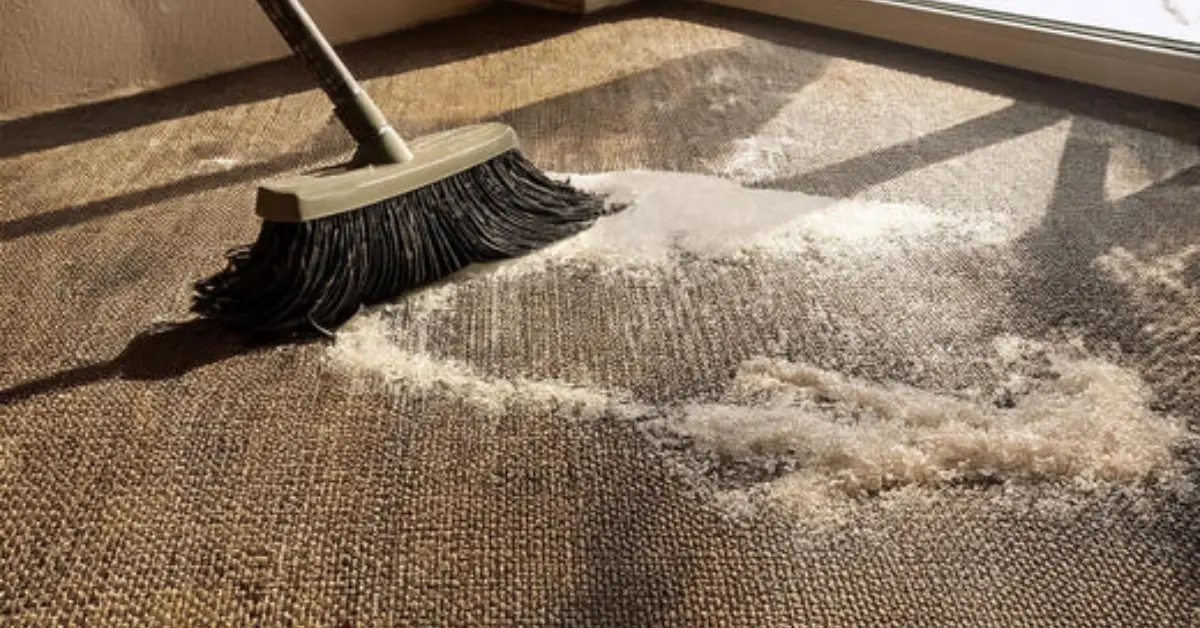
Carpets are one of the biggest victims of winter salt. Every time someone walks in with snowy boots, tiny salt particles get pushed deep into the fibers.
At first it might just look like dirt. But once the moisture dries, those white chalky patches start appearing.
The key to cleaning carpets is acting early.
Act fast when the stain is fresh
Fresh stains are much easier to remove than old ones.
When you notice a damp salt stain:
- Blot the area with a clean cloth or paper towel
- Absorb as much moisture as possible
- Avoid rubbing, which pushes salt deeper into the carpet
Quick action can prevent the stain from setting.
DIY carpet solution for salt stains
A simple cleaning mixture works surprisingly well.
You can make one using:
- 1 cup warm water
- 1 tablespoon white vinegar
- A few drops of dish soap
How to apply it:
- Dip a cloth into the mixture.
- Gently blot the stained area.
- Let it sit for a few minutes.
- Blot again with a clean damp cloth.
- Allow the carpet to air dry.
For deeper carpet stains or lingering odors, many homeowners also try natural methods like baking soda and peroxide, explained in this guide on cleaning carpets with baking soda and hydrogen peroxide.
You’ll usually see the white residue break down as the vinegar dissolves the salt crystals.
Use a soft carpet brush for stubborn spots
Sometimes salt particles get trapped deep inside the fibers.
In that case:
- Use a soft carpet brush or upholstery brush
- Lightly work the cleaning solution into the carpet
- Avoid aggressive scrubbing
The goal is to loosen the salt without damaging the fibers.
When to consider deep cleaning
If stains keep returning or the carpet feels stiff, it may mean the salt has penetrated deeper layers.
At that point, you might need:
- A carpet steam cleaner
- A professional carpet cleaning service
Professional cleaners often use specialized extraction methods that remove residue trapped deep inside the carpet padding.
Handling carpet stains properly is important because carpets tend to hold onto winter grime much more stubbornly than other surfaces.
If your carpet also has pressure marks from furniture, you can fix them quickly using these easy ways to remove furniture dents from carpet without calling a professional.
Hack #4 — Best Techniques for Hardwood & Tile Floors
Salt stains on floors can be frustrating because they often show up as cloudy streaks or dull patches that regular mopping doesn’t remove.
I’ve seen many people try to fix the problem by using more water, but that can actually make things worse. Hardwood especially doesn’t react well to excess moisture, and repeated soaking can slowly damage the floor finish.
The trick is to clean salt residue gently and in small amounts of moisture.
Safe cleaning mix for hardwood floors
Hardwood floors need a mild solution that removes residue without soaking the wood.
Here’s a simple method I use:
- Mix 1 quart of warm water with a few drops of mild dish soap.
- Dip a microfiber mop or cloth into the solution.
- Wring it out thoroughly so it’s only slightly damp.
- Wipe the salt-stained areas slowly.
- Follow with a dry microfiber cloth.
Keeping the mop lightly damp rather than wet is the key step here.
Cleaning salt residue from tile and grout
Tile is more durable than hardwood, but grout lines tend to trap salt crystals and dirt.
For tile floors:
- Mix warm water with a small splash of vinegar
- Mop the floor lightly
- Rinse with clean water afterward
For grout stains, I usually do this:
- Make a paste using baking soda and water
- Apply it to the grout line
- Gently scrub with a soft brush
- Wipe clean with a damp cloth
This helps lift mineral deposits without damaging the surface.
Dry the floor thoroughly
One small habit that makes a big difference is drying the floor after cleaning.
After mopping:
- Use a dry microfiber cloth
- Go over the area once more
- Make sure no standing moisture remains
This prevents wood warping and streak marks while also stopping new salt residue from forming.
Hack #5 — Quick Fix for Vinyl & Laminate Flooring
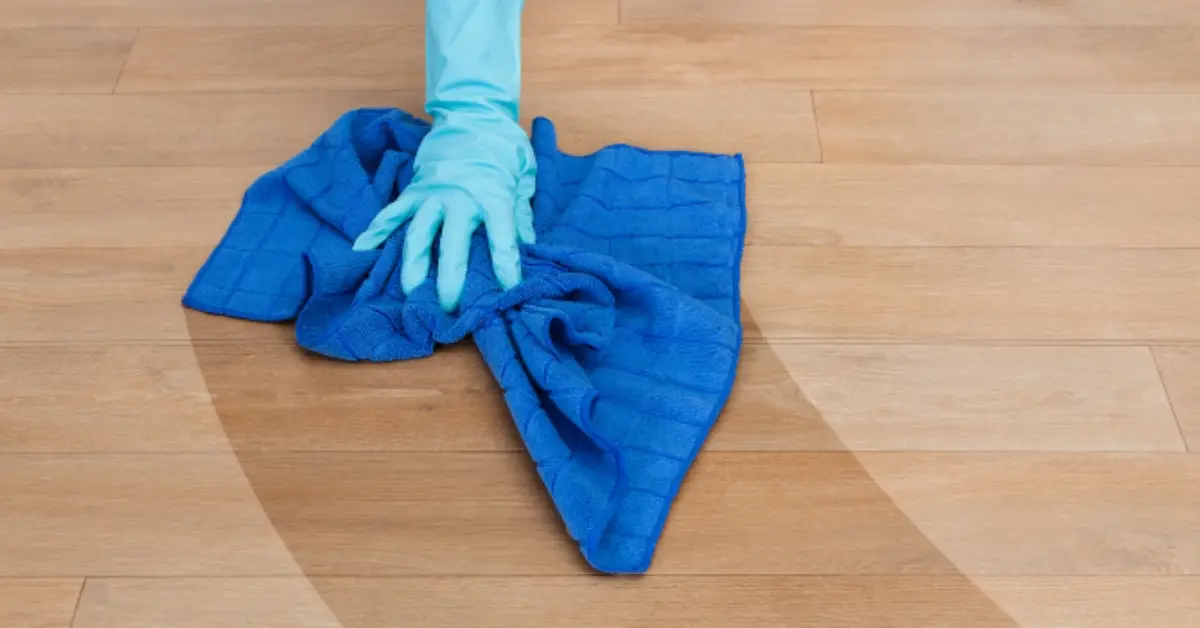
Vinyl and laminate floors are common in entryways, kitchens, and mudrooms — which also happen to be the spots where winter salt shows up the most.
The good news is these floors are easier to clean than hardwood. The challenge is avoiding too much water, which can seep into seams and cause swelling.
Use a microfiber mop with a gentle solution
For everyday salt stains, a simple cleaning solution works well.
Steps I usually follow:
- Mix warm water with a small amount of mild dish soap.
- Dip a microfiber mop into the mixture.
- Wring it out well.
- Mop the affected areas gently.
- Dry the floor afterward with a clean cloth.
Microfiber works especially well because it lifts salt particles instead of spreading them around.
Avoid excessive moisture
Vinyl and laminate are both sensitive to water sitting for long periods.
To keep them safe:
- Never pour water directly on the floor
- Avoid steam mops for frequent cleaning
- Always dry the surface after mopping
Even small habits like this can extend the life of your flooring.
Spot-treat stubborn salt clusters
Sometimes salt dries into thicker patches near doorways.
When that happens:
- Use a damp cloth with a little vinegar solution
- Let it sit on the stain for about a minute
- Wipe gently until the residue dissolves
This helps break down mineral buildup without damaging the floor surface.
Hack #6 — Best Tools & Products for Salt Stain Removal
One thing I’ve noticed is that people often struggle with winter stains not because they lack cleaning solutions, but because they’re using the wrong tools.
A few simple tools can make removing salt stains much easier and faster.
Basic tools that work well
These are the items I keep ready during winter:
- Microfiber cloths for wiping and drying surfaces
- Soft brushes for boots and carpet fibers
- Microfiber mops for floors
- Small spray bottles for cleaning solutions
- Old toothbrushes for grout or tight spots
These tools help remove residue without damaging delicate surfaces.
pH-neutral cleaners that are safe on multiple surfaces
Sometimes you may want a cleaner that works across different materials.
Look for products labeled pH-neutral, which are usually safe for:
- Hardwood floors
- Vinyl and laminate
- Tile surfaces
- Some carpets
These cleaners break down grime without leaving harsh chemical residue behind.
Popular cleaning products available in the US
Many homeowners also use trusted products that work well during winter.
Some commonly recommended ones include:
- Bona Hardwood Floor Cleaner – safe for finished wood floors
- Folex Instant Carpet Spot Remover – effective on carpet stains
- Method Squirt + Mop Floor Cleaner – gentle cleaner for sealed floors
Choosing the right product often saves time because it removes residue faster than basic water alone.
Hack #7 — Preventive Measures to Avoid Salt Stains in the Future
Cleaning salt stains is helpful, but the real trick is stopping them from building up in the first place.
Over time I’ve realized that a few simple habits can dramatically reduce how much winter grime ends up inside your home.
Use protective sprays for boots
Before the winter season starts, I usually apply a protective spray to leather or fabric boots.
These sprays:
- Create a barrier against moisture and salt
- Help stains wipe off more easily
- Extend the life of winter footwear
Reapplying every few weeks keeps the protection strong.
Add proper entryway mats
Entryways are the main place where salt gets tracked indoors.
A simple setup can help:
- Place a heavy-duty outdoor mat outside the door
- Add a water-absorbent mat inside the entrance
- Encourage everyone to wipe their boots before entering
According to cleaning recommendations from The Cleaning Authority home care experts, entry mats can significantly reduce the amount of road salt tracked into homes during winter.
Follow a simple weekly winter cleaning routine
Instead of waiting for stains to build up, I prefer a quick weekly routine.
It usually takes less than 10 minutes:
- Vacuum entry rugs and carpets
- Wipe floors near doors with a damp microfiber mop
- Check boots for salt buildup and clean early
Small habits like this prevent salt residue from settling into fabrics, floors, and shoes.
And the best part is that when you stay ahead of the buildup, those stubborn white stains rarely become a problem at all.
Troubleshooting Common Salt Stain Problems People Run Into
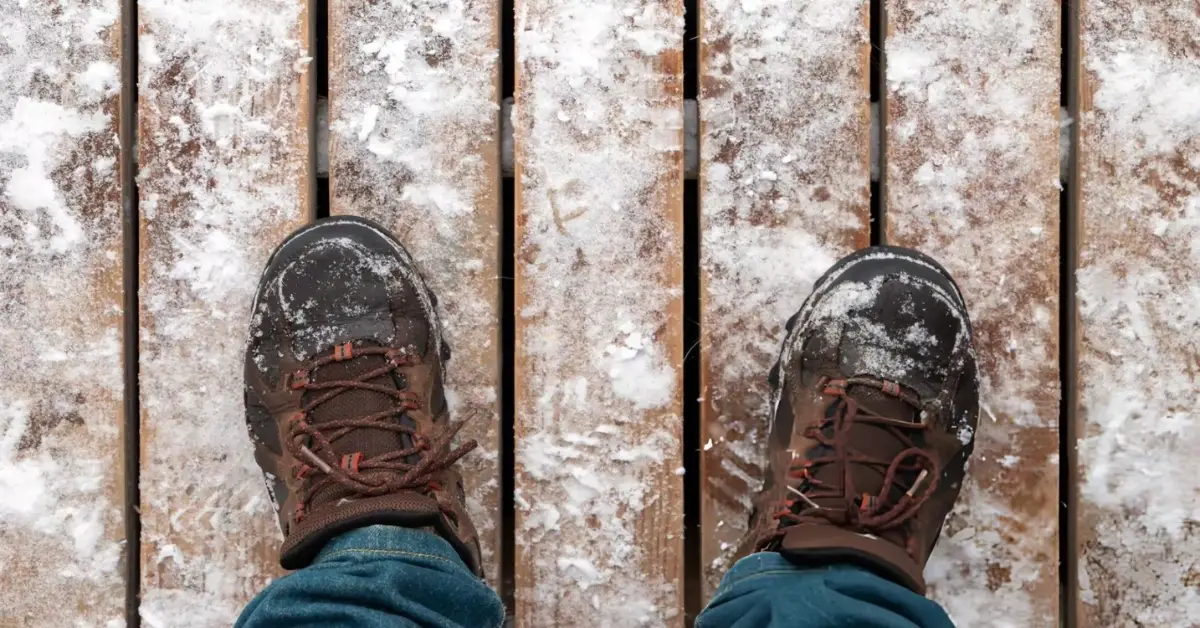
Even when you follow the right cleaning methods, a few situations can still feel confusing. I’ve seen many of these questions come up repeatedly during winter, especially when stains are older or when people worry about damaging their floors or carpets.
Here are some practical answers to the most common situations.
Will vinegar damage hardwood floors?
Vinegar can break down salt residue, but it should be used carefully on hardwood floors.
What I usually recommend:
- Always dilute vinegar with water
- Use only a small amount on a cloth, not directly on the floor
- Wipe the surface again with plain water afterward
- Dry the area immediately
If you use vinegar in strong concentration or leave it sitting too long, it may slowly dull the finish of hardwood flooring.
Can bleach remove salt stains from carpets?
Bleach is one of the worst things you can use on carpet stains.
It might remove the white residue, but it can also:
- Fade carpet color permanently
- Damage fibers
- Leave visible patches
Instead, mild solutions like dish soap, warm water, and a little vinegar usually work much better without damaging the carpet.
Should you use DIY solutions or store-bought cleaners?
Both can work, depending on the situation.
I usually approach it like this:
DIY solutions work well when:
- The stain is fresh
- The residue is light
- You’re cleaning boots or small carpet spots
Store-bought cleaners help when:
- The stain is older or stubborn
- The carpet fibers are heavily affected
- You need faster results
The key is starting with gentle methods before stronger products.
And if your carpet still looks dull even after removing salt stains, these simple carpet rescue tricks that work better than professional cleaning might help bring it back to life.
Common Salt Stain Myths That Can Make Things Worse
One thing I’ve noticed is that winter cleaning advice online can sometimes be misleading. Some tips sound helpful but actually cause more damage than the stain itself.
Let’s clear up a few common myths.
Myth: Bleach is the fastest way to remove white stains
This is one of the most damaging mistakes.
Bleach may remove the visible stain, but it often:
- Permanently fades fabric or carpet
- Weakens fibers
- Leaves uneven discoloration
It’s much safer to use mild cleaning solutions instead.
Myth: Hot water removes salt faster
Hot water might sound logical, but it can actually set stains deeper into certain materials.
Warm water works better because it dissolves salt without stressing fabrics or flooring finishes.
Myth: Scrubbing harder cleans faster
Aggressive scrubbing often spreads the stain rather than removing it.
Instead of scrubbing, it’s better to:
- Blot stains gently
- Use soft brushes
- Let cleaning solutions break down the salt first
Gentle cleaning is usually far more effective than force.
Understanding what not to do is just as important as knowing the right method.
Quick Cheatsheet: Best Ways to Remove Winter Salt Stains
If you want a simple reference you can quickly come back to, here’s a quick summary of the most effective methods.
| Surface | Best Cleaning Method | Key Tip |
|---|---|---|
| Leather Boots | Vinegar + water wipe | Condition leather after drying |
| Fabric Boots | Mild detergent + warm water | Avoid soaking shoes |
| Carpets & Rugs | Vinegar + dish soap solution | Blot instead of scrubbing |
| Hardwood Floors | Damp microfiber mop + mild soap | Keep moisture minimal |
| Tile Floors | Vinegar solution + grout brush | Rinse and dry afterward |
| Vinyl & Laminate | Microfiber mop + gentle cleaner | Prevent water buildup |
Keeping this simple routine in mind can save a lot of time during winter cleaning.
Winter salt stains may look stubborn, but once you understand how they work, they become much easier to handle. A few simple habits and the right cleaning methods can keep your boots, carpets, and floors looking clean all season long.
If you found these tips helpful, I’d love to hear from you.
Have you ever dealt with stubborn winter salt stains that refused to go away?
Share your experience or your favorite cleaning trick in the comments — it might help someone else dealing with the same problem.
And if you enjoy practical home improvement and cleaning guides like this, feel free to explore more tips on Build Like New, where we share simple, real-world solutions to keep your home looking its best.
Disclaimer: The cleaning methods shared in this article are general home care tips based on common practices. Always test any cleaning solution on a small, hidden area first to avoid damage. Results may vary depending on the material, stain severity, and product used. Build Like New is not responsible for any damage caused by improper use of the suggested methods.