10 Top Upholstery Cleaners to Remove Tough Couch Stains
Your couch goes through a lot every day. People sit on it after work, kids jump on it with snacks, pets curl up on it, and sometimes drinks spill when no one is paying attention. Over time, all of that leaves behind stains, dust, and odors that slowly build up in the fabric.
The problem is that upholstery holds dirt much deeper than most people realize. A quick wipe or vacuum may remove surface crumbs, but oils, spills, and pet messes can stay trapped inside the fibers. And if you use the wrong cleaner, you can end up spreading the stain or damaging the fabric instead of fixing it.
That’s why every home should have a few reliable upholstery cleaners ready. The right product can lift stains, remove odors, and help keep sofas, chairs, and car seats looking fresh without much effort.
In this guide, I’ll walk you through 10 upholstery cleaners that actually work, so you can deal with everyday messes quickly and keep your furniture in good shape.
Why Upholstery Gets Dirty Faster Than Most People Realize
Most people think their couch is clean because it looks clean. I used to think the same thing—until I started noticing what actually builds up on upholstered furniture over time.
Unlike tables or countertops, fabric furniture absorbs almost everything that touches it. Every time you sit down, tiny particles get pushed deeper into the fibers. Even if the couch looks fine on the surface, there’s usually more hiding inside than you’d expect.
Here are some of the most common things that collect inside sofas and chairs:
- Skin oils – Natural oils from your skin slowly soak into the fabric and can create dark patches over time.
- Dust mites – Upholstery traps dust from the air, which can attract microscopic allergens.
- Food residue – Crumbs and small spills sink deep into cushions and fabric layers.
- Pet dander – If you have pets, fur and dander settle into upholstery fibers very quickly.
This buildup doesn’t just affect how furniture looks. It can also create odors and make stains harder to remove if they sit for too long. If you want to avoid many of these problems in the first place, following simple habits like those explained in ways to prevent furniture upholstery damage in your living room can help keep sofas and chairs in much better condition.
Why Regular Fabric Cleaners Don’t Always Work

I’ve seen many people grab a regular household cleaner when a couch gets stained. Sometimes it helps—but often it doesn’t solve the real problem.
The main issue is that upholstery fibers trap stains differently than other surfaces. A basic cleaner might remove what you see on top but leave the deeper residue behind.
Common problems with regular cleaners include:
- They only clean the surface of the fabric
- Some formulas spread stains instead of lifting them
- Too much liquid can soak into cushions
- Certain chemicals can damage delicate fabrics
That’s why specialized upholstery cleaners usually work much better. They’re designed to break down stains, lift dirt from fabric fibers, and remove odors without damaging the material.
If you want a deeper explanation of how upholstery cleaning works, this guide on best upholstery cleaners from The Spruce explains different product types and when they’re useful.
Once you understand what’s actually sitting inside your couch, it becomes much easier to pick the right cleaning product.
What Makes a Great Upholstery Cleaner
When you start searching for upholstery cleaners, you’ll notice there are a lot of options—sprays, foam cleaners, stain removers, and even small cleaning machines.
But from my experience, a good upholstery cleaner isn’t just about removing stains. It needs to clean effectively without damaging the fabric or leaving residue behind.
Here are a few things I always look for.
Key Features to Look For
A reliable upholstery cleaner should have these important qualities:
- Fabric safety – Some furniture uses delicate materials like linen, velvet, or microfiber, so the cleaner needs to be gentle.
- Enzyme or solvent formulas – Enzyme cleaners break down organic stains like food or pet messes, while solvent formulas target grease and oils.
- Odor removal ability – Good cleaners eliminate odors instead of just covering them up.
- Brush support or agitation tools – Light scrubbing helps lift stains from deeper fabric layers.
When these features work together, cleaning upholstery becomes much easier and more effective.
Spray vs Foam vs Machine Cleaners
Different upholstery cleaners serve different purposes. I usually break them into three main types.
Spray Cleaners
- Best for quick stain removal
- Easy to apply directly on spots
- Great for small spills or everyday messes
Foam Upholstery Cleaners
- Use less moisture than liquid sprays
- Safer for delicate fabrics
- Help prevent cushions from getting soaked
Portable Cleaning Machines
- Designed for deeper cleaning
- Spray solution and vacuum it back out of the fabric
- Ideal for homes with pets, kids, or heavy couch use
Choosing the right type often depends on how frequently your furniture gets dirty.
Fabric Codes (W, S, WS, X) You Must Check Before Cleaning
One simple step many people skip is checking the fabric cleaning code on the furniture tag. I always recommend looking at this before using any cleaner.
These codes tell you what kind of cleaning method is safe.
- W – Water-based cleaners are safe to use
- S – Use solvent-based cleaners only
- WS – Either water or solvent cleaners are safe
- X – Vacuum only; avoid liquid cleaners completely
Ignoring these codes can damage upholstery quickly, especially with delicate fabrics. If you’re planning to buy new furniture or replace old upholstery, choosing the right material also makes cleaning easier. This guide on the best upholstery fabrics for every home explains which fabrics handle stains, pets, and daily use much better.
Once you understand these basics, choosing the right upholstery cleaner becomes much easier—and you’ll avoid mistakes that can ruin your furniture.
10 Upholstery Cleaners Every Home Should Own
I’ve looked at dozens of upholstery cleaners over the years, and the truth is not every product handles every type of mess. Some are better for deep cleaning, others work best for quick stains.
Below are ten cleaners that cover the most common situations you’ll face at home.
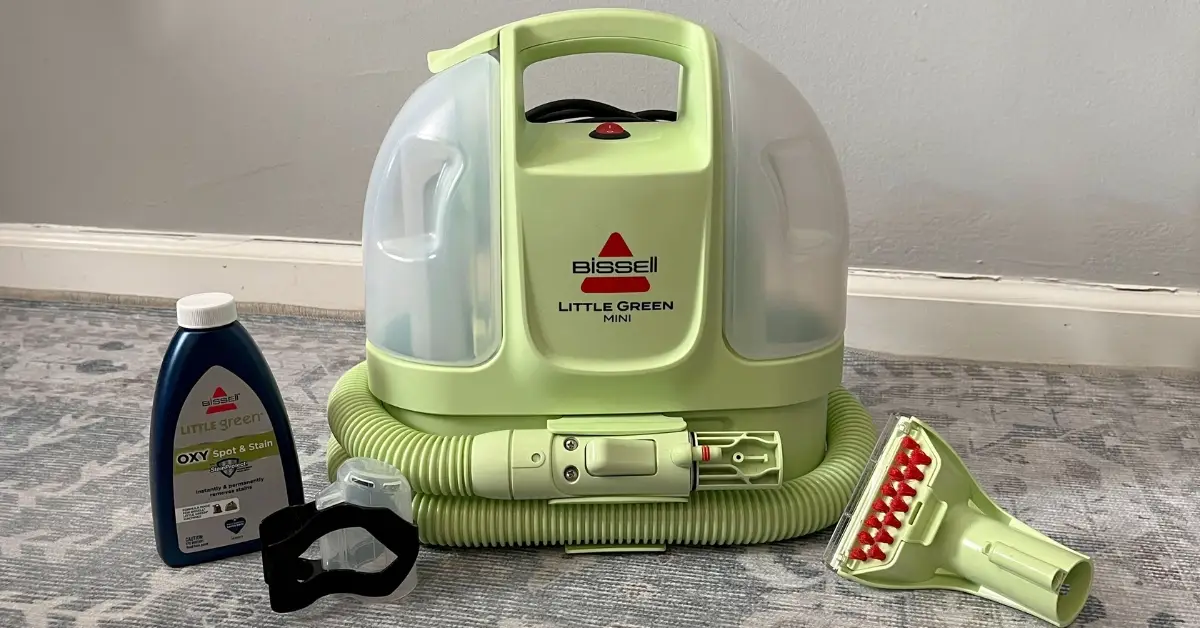
1. Bissell Little Green Portable Carpet Cleaner — Best Machine Cleaner
Best for
- Deep cleaning sofas
- Removing embedded stains
- Pet households
Why it works
This portable cleaner sprays cleaning solution into the fabric and then pulls the dirty water back out. That suction makes a big difference when stains are already soaked into cushions.
Key features
- Strong suction power
- Compact portable design
- Separate clean and dirty water tanks
Potential drawback
- Costs more than basic spray cleaners
Ideal use case: If your couch sees heavy daily use or you have pets, this type of cleaner can refresh upholstery much better than spot sprays.
2. Resolve Upholstery & Multi-Fabric Cleaner — Best Budget Spray
Best for
- Quick stain removal
- Everyday couch cleaning
Why it works
This cleaner targets common household stains like food spills and dirt without requiring a machine.
Key features
- Affordable and widely available
- Simple spray application
- Designed for multi-fabric furniture
Potential drawback
- Not strong enough for deep stains
Ideal use case
Great for quick cleanups when something spills on the couch.
3. Hoover CleanSlate Portable Spot Cleaner — Best for Deep Stains
Best for
- Old stains
- Large upholstery areas
Why it works
The Hoover CleanSlate uses strong suction combined with targeted cleaning tools to pull stains out of upholstery fibers.
Key features
- Strong suction system
- Multiple cleaning attachments
- Portable design
Potential drawback
- Requires setup and storage space
Ideal use case
Best when stains have already soaked into cushions and need deeper extraction.
4. Woolite INSTAclean Stain Remover — Best for Delicate Fabrics
Best for
- Light-colored upholstery
- Microfiber and blended fabrics
Why it works
The formula focuses on lifting stains without harsh chemicals that could damage sensitive fabrics.
Key features
- Fast-acting stain remover
- Gentle cleaning formula
- Works on several fabric types
Potential drawback
- May need repeated use for heavy stains
Ideal use case
Perfect when you want to remove stains without risking fabric damage.
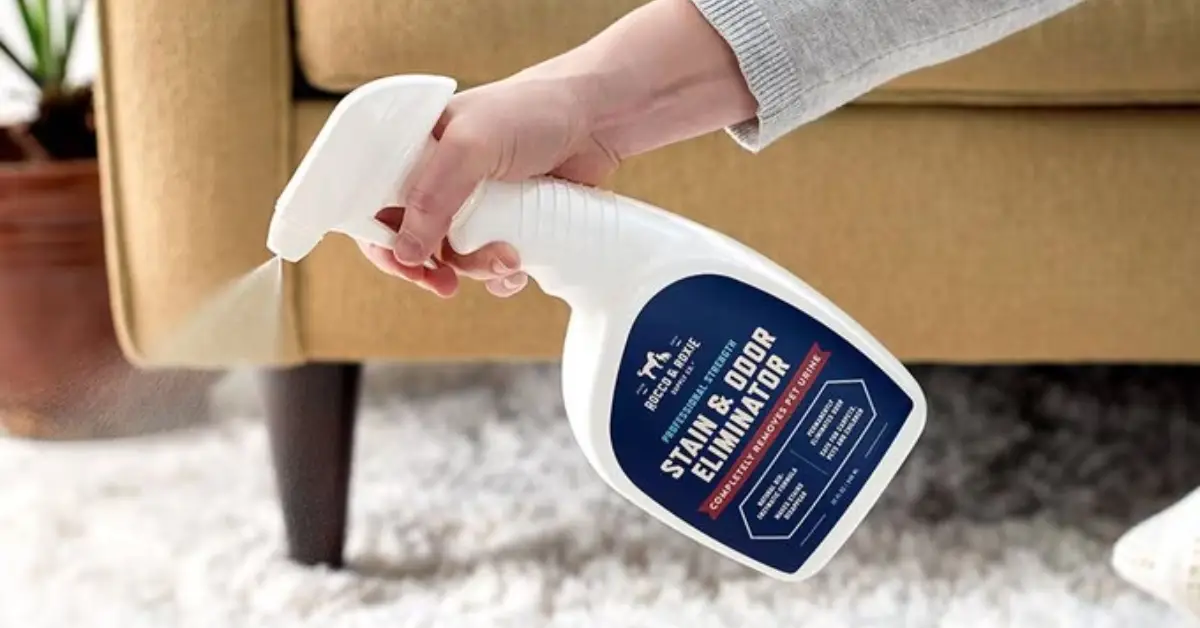
5. Rocco & Roxie Professional Strength Stain & Odor Eliminator — Best for Pet Stains
Best for
- Pet accidents
- Odor removal
Why it works
This enzyme cleaner breaks down organic stains like urine and food residue instead of just masking the smell.
Key features
- Enzyme-based formula
- Neutralizes odors
- Safe for many fabrics
Potential drawback
- Slightly higher price than basic cleaners
Ideal use case
Homes with pets that frequently deal with odor issues.
6. Chemical Guys Lightning Fast Carpet & Upholstery Cleaner — Best for Car Seats
Best for
- Car upholstery
- High-traffic fabrics
Why it works
Originally designed for automotive interiors, this cleaner works well on heavily used fabric surfaces.
Key features
- Fast stain breakdown
- Safe for many synthetic fabrics
- Works with brush agitation
Potential drawback
- Strong formula may require testing on delicate fabrics
Ideal use case
Cleaning car seats, office chairs, or durable upholstery.
7. Folex Instant Carpet Spot Remover — Best for Food Stains
Best for
- Sauce spills
- Coffee or juice stains
Why it works
Folex lifts many food-based stains without heavy scrubbing.
Key features
- No harsh odor
- Simple spray-and-blot use
- Works quickly
Potential drawback
- Less effective on oil stains
Ideal use case
Quick treatment for accidental spills during meals.
8. Scotchgard Oxy Upholstery Cleaner — Best Foam Cleaner
Best for
- Light upholstery cleaning
- Preventing fabric oversaturation
Why it works
Foam cleaners sit on the surface and lift dirt without soaking the cushion underneath.
Key features
- Oxygen-powered cleaning
- Foam application
- Helps protect fabric
Potential drawback
- Not ideal for very deep stains
Ideal use case
Regular couch maintenance.
9. ForceField Fabric Cleaner — Best for Natural Fabrics
Best for
- Cotton and linen upholstery
Why it works
Natural fabrics can react badly to harsh chemicals, and this cleaner focuses on gentle stain removal.
Key features
- Designed for delicate materials
- Non-harsh cleaning formula
- Effective spot treatment
Potential drawback
- Slower stain removal compared to stronger formulas
Ideal use case
Cleaning natural fiber furniture.
10. Carbona Oxy Powered Upholstery Cleaner — Best for Tough Stains

Best for
- Set-in stains
- Dark fabric upholstery
Why it works
Oxygen-based cleaners help break down stubborn stains without heavy scrubbing.
Key features
- Built-in brush applicator
- Oxygen cleaning power
- Easy spot treatment
Potential drawback
- May require repeat application
Ideal use case
Older stains that haven’t been cleaned for a while.
If you want to understand the full process professionals recommend, the Bissell guide on how to clean upholstery explains the proper steps for lifting stains and removing dirt from fabric furniture.
Upholstery Cleaner Types Explained (Which One You Actually Need)
Choosing the right upholstery cleaner becomes much easier once you understand the different types available.
Spray Cleaners
Spray cleaners are the most common option for quick cleaning.
They work best for:
- Small spills
- Food stains
- Regular couch maintenance
You simply spray the product onto the stain, gently blot it, and allow the fabric to dry.
Foam Upholstery Cleaners
Foam cleaners are useful when you want to avoid soaking the fabric.
They are best for:
- Delicate upholstery
- Light surface cleaning
- Preventing cushion saturation
Because foam sits on the surface, it reduces the chance of moisture reaching the padding.
Portable Upholstery Cleaning Machines
Machine cleaners take upholstery cleaning to another level. Instead of just treating the surface, they spray cleaning solution and vacuum it back out, pulling dirt from deeper inside the fabric.
They work best for:
- Large stains
- Pet households
- Deep couch cleaning
When a Machine Is Worth the Investment
You may want to consider a machine cleaner if:
- Your couch gets frequent spills
- You have pets or children
- Your upholstery hasn’t been deep cleaned in a long time
In those cases, a portable cleaner can save a lot of time and effort compared to manual stain removal.
Common Couch Stains and the Best Way to Remove Them
Different stains behave differently on upholstery. Treating them the right way makes a big difference in how easily they come out.
Food and Drink Stains
Food stains usually contain sugar or oils, which can stick to fabric fibers.
Helpful approach:
- Blot the spill quickly
- Apply upholstery cleaner
- Gently dab instead of scrubbing
Pet Urine and Odor
Pet stains often leave odors behind even after cleaning.
Best method:
- Use enzyme cleaners
- Allow the cleaner time to break down odor molecules
Ink and Dye Marks
Ink stains spread quickly when rubbed.
Safer approach:
- Lightly blot the stain
- Use a targeted upholstery cleaner
Grease and Oil
Grease stains need formulas that break down oils.
Effective method:
- Apply cleaner designed for grease
- Use light brushing to lift the stain
Upholstery Cleaning Mistakes That Damage Furniture

Many upholstery problems happen not because people don’t clean their furniture—but because they clean it the wrong way.
Here are a few mistakes I see most often.
Over-Saturating Fabric
Too much liquid can soak into cushions and cause odors or mold.
Instead:
- Use small amounts of cleaner
- Blot excess moisture
Using the Wrong Brush
Hard brushes can damage upholstery fibers.
Safer option:
- Use soft upholstery brushes
- Avoid aggressive scrubbing
Ignoring Fabric Codes
Every couch has a cleaning code that explains what type of cleaner is safe.
Skipping this step can lead to:
- Color fading
- Fabric damage
Mixing Cleaning Chemicals
Combining different cleaning products may create unwanted reactions.
The safer approach is simple:
- Stick to one cleaner at a time
- Rinse the area before applying another product
Avoiding these mistakes helps protect your furniture and makes cleaning much more effective.
What Professional Cleaners Do Differently
Most people try to remove couch stains with a spray bottle and a cloth. Sometimes it works, but professional cleaners usually follow a completely different process.
I’ve noticed that the biggest difference comes down to how deeply the cleaning reaches inside the fabric. Professionals focus on extracting dirt from inside the upholstery instead of just treating the surface.
Steam Extraction vs DIY Cleaning
Professional cleaners often use a method called steam extraction. This process injects warm cleaning solution into the fabric and then pulls the dirty water back out using powerful suction.
Here’s how it compares to regular home cleaning:
DIY Upholstery Cleaning
- Uses spray cleaners or foam products
- Mostly removes surface stains
- Works well for fresh spills
Professional Steam Extraction
- Penetrates deep into fabric layers
- Removes embedded dirt and allergens
- Extracts moisture to prevent odor buildup
Because of the suction and heat involved, steam extraction usually delivers a deeper clean than manual methods.
How Often Professionals Recommend Cleaning Upholstery
From what professional cleaners recommend, upholstery shouldn’t be cleaned only when it looks dirty.
A simple schedule works best:
- Every 6–12 months for normal households
- Every 3–6 months if you have pets or kids
- Immediately after major spills
Regular maintenance prevents stains from becoming permanent and keeps upholstery looking newer for longer.
How Often You Should Clean Upholstery (Based on Lifestyle)
One thing I always tell people is that there’s no single cleaning schedule that works for every home. Your lifestyle usually determines how often your upholstery needs attention.
Here’s a simple way to think about it.
Homes With Pets
If you have pets, upholstery collects fur, dander, and occasional accidents much faster.
A good routine includes:
- Vacuuming upholstery once a week
- Spot cleaning stains immediately
- Deep cleaning every 3–4 months
This prevents odors from building up inside the fabric. Pet hair is another common issue on couches and chairs. If you want an easy way to remove it, these household items that replace a lint roller can help clean upholstery quickly without buying special tools.
Homes With Kids
Kids bring snacks, juice spills, and sticky hands into the living room. Upholstery in these homes usually needs more frequent cleaning.
Helpful habits include:
- Quick stain treatment after spills
- Monthly light cleaning
- Deep cleaning every 4–6 months
The faster you treat stains, the easier they are to remove.
Low-Traffic Living Rooms
Some furniture simply doesn’t get used much. Guest room couches or formal living room seating often stay clean longer.
In these cases, you can usually:
- Vacuum occasionally
- Spot clean when needed
- Deep clean once a year
Even with lighter use, occasional cleaning keeps dust and allergens from building up.
Choosing the Right Upholstery Cleaner for Your Home

After looking at different cleaners and cleaning methods, one thing becomes clear: the best upholstery cleaner depends on the type of mess you deal with most often.
Instead of guessing, it helps to match the cleaner with your specific needs.
Quick Decision Guide
If you want a simple way to choose, here’s what I usually recommend.
Best for pet owners
- Enzyme cleaners that remove odors and organic stains.
Best for delicate sofas
- Gentle spray cleaners designed for microfiber or natural fabrics.
Best budget option
- Basic upholstery spray cleaners that handle everyday spills.
Best deep cleaner
- Portable upholstery machines that spray and extract dirt from deep inside the fabric.
Once you know what kind of stains you deal with most often, picking the right cleaner becomes much easier.
Safety Note for Fabric Care
Before using any upholstery cleaner, there’s one small step that can save you from damaging your furniture.
Always Test Cleaners on a Hidden Area First
Even if a product says it’s safe for upholstery, fabrics can react differently depending on their material and dye.
I always recommend testing the cleaner on a small hidden spot, such as the back of a cushion.
This quick test helps you check for:
- Color fading
- Fabric damage
- Unexpected chemical reactions
If the fabric looks fine after a few minutes, it’s safe to clean the visible area.
Let’s Hear From You
Now I’m curious about your experience.
What’s the toughest couch stain you’ve ever had to deal with?
Coffee spills, pet accidents, mystery stains—we’ve all been there.
Drop a comment below and share your cleaning trick. Your tip might help someone else save their favorite couch.
And if you enjoy practical home guides like this, visit Build Like New for more simple tips on cleaning, home care, and keeping your furniture looking fresh.
Disclaimer: The information in this article is for general educational and cleaning guidance only. Upholstery materials and cleaning products can react differently depending on the fabric type and manufacturer instructions. Always test any cleaner on a small hidden area first and follow the product label directions. Build Like New is not responsible for any damage caused by improper use of cleaning products or techniques.