Stop Using This One Cleaner Immediately – Safe Alternatives Inside
You probably don’t think twice before grabbing that all-purpose cleaner or bleach spray from your cabinet. I get it—I’ve done it myself more times than I can count. But here’s the thing: some of the most common cleaning products in your home aren’t just harsh—they can be quietly dangerous. From irritating your lungs to triggering asthma or leaving behind hidden toxins, the risks aren’t always obvious.
I’ve spent hours digging into what experts, research studies, and even everyday users are saying about these products, and what I found might surprise you. In this article, I want to show you exactly which cleaners to avoid, why they’re risky, and what safer alternatives you can actually use—without giving up a clean home. By the time you finish reading, you’ll know not just what to toss, but how to clean smarter, safer, and with peace of mind.
Why Some Cleaning Products Are Riskier Than You Think
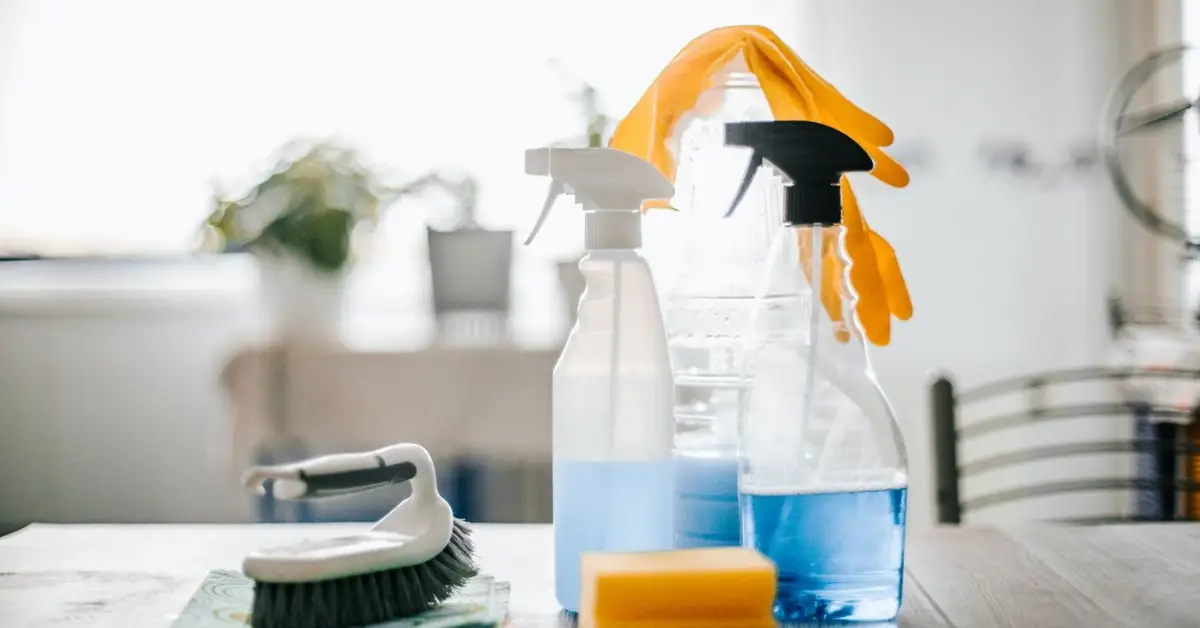
I want to be honest with you—most of us assume that if a product cleans well, it’s safe. But the truth is, some everyday cleaners quietly harm your health, especially the air you breathe indoors.
Indoor Air Pollution and VOCs — The Hidden Problem
You might not realize this, but many cleaning sprays release volatile organic compounds (VOCs) into your home. These aren’t just a faint smell—they can linger in the air, irritate your lungs, and trigger headaches. Even if a surface looks sparkling, the invisible chemicals around you might be doing more harm than good.
- VOCs are present in aerosols, air fresheners, and heavily fragranced products.
- Poor ventilation amplifies exposure, making your home feel “fresh” but actually unsafe.
- Over time, repeated inhalation can worsen respiratory health.
For more details on indoor air pollutants linked to cleaners, the American Lung Association has an excellent breakdown.
Chronic Irritation, Asthma, and Respiratory Risk
If you’ve ever coughed while cleaning or felt your eyes sting from a spray, that’s your body reacting to harsh chemicals. Repeated exposure to these products can:
- Trigger asthma attacks or worsen existing conditions.
- Cause chronic throat or eye irritation.
- Contribute to long-term lung sensitivity even if you’re otherwise healthy.
The scary part? Most labels don’t warn you clearly about these risks—you have to know what to look for.
The Cleaning Product You Should Never Touch — Most Harmful Offenders Revealed
Now, let’s get practical. I’m going to list the products I personally avoid—and why. These aren’t just “maybe harmful”; they’re consistently flagged by experts for real health risks.
- Bleach and Bleach-Based Cleaners
- Linked to respiratory irritation and dangerous fumes, especially if mixed with ammonia or acids.
- Overused in households where gentler solutions would suffice.
- Ammonia and Ammonia-Derived Cleaners
- Strong irritant to lungs and eyes.
- Forms toxic gases when mixed with bleach—something I always warn friends about.
- Quaternary Ammonium Compounds (Quats)
- Hidden in many disinfectants and sanitizers.
- Can sensitize your respiratory system over time, increasing asthma risk.
- VOC-Heavy Aerosols and Synthetic Fragrances
- The term “fragrance” can hide hundreds of VOCs.
- Linked to headaches, allergies, and long-term chemical exposure.
- Other Hidden Toxins (Phthalates, Formaldehyde, Hazardous Acids)
- Endocrine disruptors, carcinogens, and corrosives that labels rarely make clear.
- Found in some conventional cleaners, even if marketed as “standard” household products.
By avoiding these, you’re not just being cautious—you’re actively protecting your lungs and the air your family breathes. I can’t stress enough: cleaning doesn’t have to be toxic, and knowing the hazards is the first step to safer choices.
How Misuse or Mixing Makes Things Worse — Not Just the Product Alone
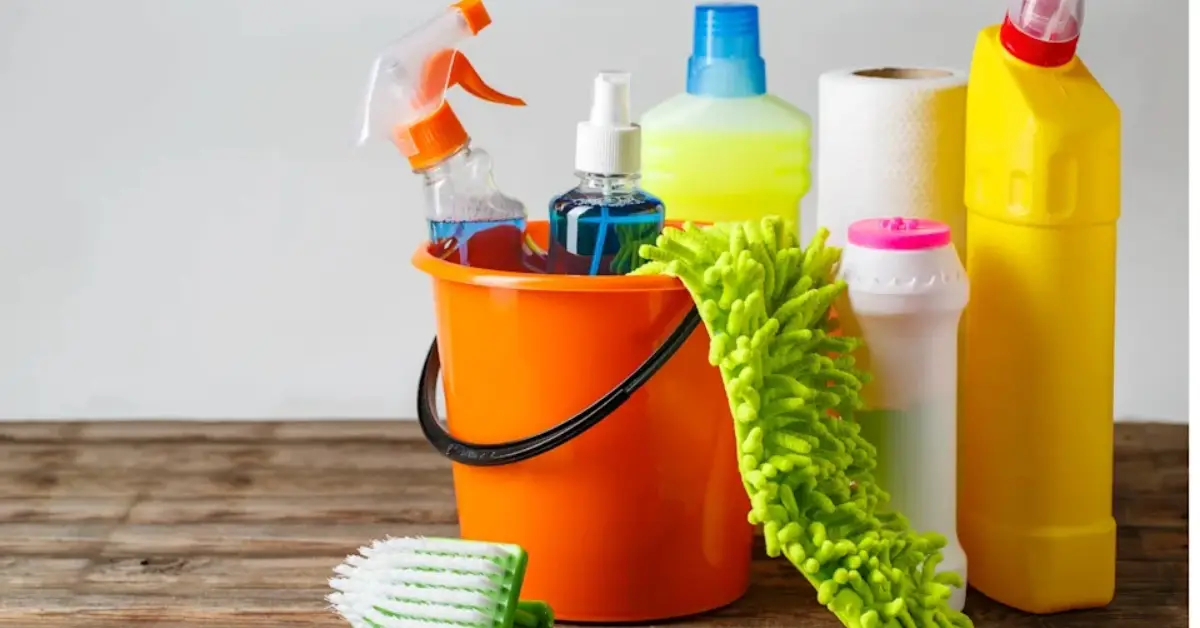
You might think the biggest risk with cleaning products is what’s in them — but honestly, how you use them can be as dangerous as the product itself. I’ve seen more people create toxic fumes at home simply by mixing the wrong things together.
Dangerous Product Combos to Avoid
When you combine cleaners without knowing the chemistry, you’re basically playing with invisible hazards you can breathe in:
- Bleach + Ammonia → produces chloramine gas, which can burn your eyes and lungs.
- Bleach + Vinegar → releases chlorine gas, which can make you cough and feel lightheaded.
- Hydrogen Peroxide + Vinegar → creates peracetic acid, a strong irritant.
I can’t stress this enough: labels exist for a reason. Mixing products to make a “super cleaner” often backfires and sends harmful fumes into the air.
The Mistake With DIY and “Kitchen Hacks”
You’ve probably seen TikTok or Facebook posts saying “mix this and that to clean everything for pennies.” Some of these work for basic tasks, but many skip important safety notes:
- Some DIY mixes actually produce fumes that irritate your lungs.
- A hack that works on social media might ignore ventilation and exposure limits.
- If a homemade mix makes your eyes water or gives you a headache, that’s your body signaling it’s not safe.
For a sensible guide on the cleaning products you should never mix, I often refer to Martha Stewart’s expert advice on hazardous cleaners — it clearly explains which combinations are risky and why.
What to Use Instead — Real Safer Alternatives Backed by Experts
Now that we’ve covered the pitfalls, let’s talk about what actually works—without compromising your health. You shouldn’t have to resort to harsh chemicals just to feel confident your home is clean.
Simple Natural Essentials
Some of the safest cleaners aren’t complicated:
- Vinegar – cuts through grease and freshens surfaces without VOCs.
- Baking soda – gentle on most surfaces and great for scrubbing stains.
- Warm water & microfiber cloths – often all you need for everyday grime.
These basics are effective and low-risk when used properly.
Certified Safer Products
If you prefer ready-to-use products, I always look for ones with credible third-party validation:
- EPA Safer Choice certification means the formula meets strict safety criteria.
- EWG’s picks highlight cleaners with transparent ingredients and low hazard profiles.
- Avoid products that hide ingredients behind vague terms like “fragrance” or “proprietary blend.”
Using certified safer cleaners gives you peace of mind without trading performance.
When You Do Need Disinfection
There are times when you need more than just surface cleaning — like sanitizing bathroom surfaces or cutting boards:
- Choose disinfectants that are effective but not loaded with harsh quats or bleach.
- Follow label directions exactly — don’t use more product than needed.
- Reserve strong disinfectants for situations that truly require them.
The truth is, most routine cleaning tasks don’t need heavy chemicals. If you want to make sure your kitchen surfaces stay safe, especially wooden cutting boards, check out our guide on 5 cleaning products that could seriously damage your wooden cutting board—it shows which common cleaners to avoid and what alternatives actually work.
Tips for Choosing Products That Truly Reduce Risk
Here’s how I evaluate cleaners before bringing them home:
- Read the label — check for VOC content, avoid unnecessary additives.
- Look for fragrance-free or naturally scented options.
- Beware of “greenwashed” marketing — just saying “natural” doesn’t mean safe.
A thoughtful, informed approach means you clean more intelligently, not more harshly.
Practical Safety Checklist — How to Clean Without Compromising Health
Cleaning safely isn’t complicated, but it does take a few mindful habits. I follow these steps at home, and they make a huge difference in reducing exposure to harmful chemicals.
Ventilation, Label Reading, and Safe Storage
- Always open windows or turn on exhaust fans when cleaning to avoid inhaling fumes.
- Read labels carefully—know exactly what’s in the product before you use it.
- Store cleaners safely—keep them out of reach of children and pets and never mix chemicals.
These small habits help reduce risks significantly, and they’re easy to implement in any household. While keeping your cleaning routine safe, you can also save time—for example, our post on returning from vacation? These 4 cleaning tasks save you hours gives a simple plan to tackle common household chores efficiently.
When You Should Use Protective Gear
- Wear gloves whenever you handle stronger cleaners.
- Masks are useful if you’re spraying products in confined areas or using chemicals that irritate your lungs.
- Eye protection isn’t overkill—especially when dealing with bleach or ammonia-based cleaners.
Taking these precautions doesn’t make cleaning harder—it makes it safer for you and your family.
Safe Use and Disposal Practices
- Don’t pour leftover chemicals down the sink unless the label explicitly allows it.
- Use only the amount needed—extra product doesn’t make cleaning faster and can increase chemical exposure.
- Check local guidelines for safe disposal to protect the environment.
These practices are about creating a cleaner home without compromising health or harming the planet.
Summing Up — Cleaner, Healthier Choices Without Sacrifice
Here’s the bottom line: you don’t have to sacrifice your health to keep your home sparkling clean. By avoiding the most harmful products, using safer alternatives, and following simple safety habits, you can clean smarter and breathe easier. To make safe cleaning part of your daily routine without feeling overwhelmed, try adopting the 20-minute nightly cleaning habit that saves you hours all week—it’s an easy way to stay on top of your home while avoiding harsh chemicals.
- Know the cleaners to avoid—bleach, ammonia, quats, and VOC-heavy fragrances.
- Swap in natural essentials like vinegar, baking soda, or certified safer products.
- Practice proper ventilation, protective gear, and safe disposal.
I’d love to hear your thoughts and experiences—what products do you avoid, and which safer alternatives have worked best for you? Share your tips in the comments below.
If you want more practical guides like this and step-by-step safety tips, check out my website Build Like New—we focus on smart, safe, and effective home practices for a healthier lifestyle.
Disclaimer: The information in this article is for educational purposes only. Always follow product labels and professional guidance when using cleaning products. The author and Build Like New are not responsible for any misuse or accidents.