Clean for 20 Minutes at Night, Relax All Week Long
I used to lose my Sundays to cleaning.
Not because my house was huge. Not because I was lazy. But because I kept postponing the small things all week — the dishes “for later,” the clothes on the chair, the crumbs under the counter.
By Saturday, it felt overwhelming.
Here’s what changed everything for me: I stopped trying to “deep clean” and started doing a 20 minute nightly reset.
Not a full scrub-down. Not some unrealistic routine. Just a focused, timed habit before bed — kitchen reset, quick declutter, surfaces wiped, floor spot-checked. Done.
Most people think cleaning takes hours. It doesn’t.
What takes hours is neglect.
When you close your day with a simple reset, you wake up to a home that feels under control. Your mornings move faster. Your weekends feel lighter. And that constant low-level stress from visual mess? It drops.
This isn’t about being perfect.
It’s about making sure tomorrow doesn’t start with yesterday’s chaos.
Let me ask you something — what would your week feel like if your home never had a chance to spiral out of control?
What Is a 20-Minute Nightly Cleaning Routine?
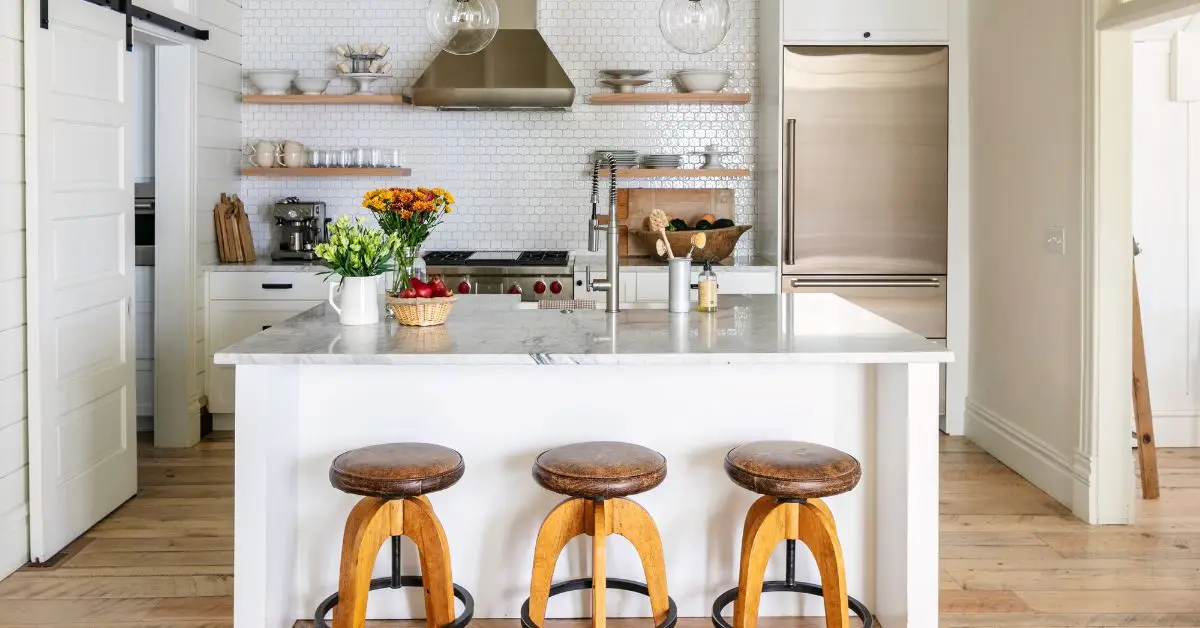
When I say “20-minute nightly cleaning routine,” I’m not talking about scrubbing baseboards or reorganizing your pantry at 10 p.m.
I’m talking about a short, focused reset before bed — the kind restaurants call a closing shift.
You’re not deep cleaning.
You’re closing the day properly.
That makes all the difference.
A nightly routine isn’t random tidying when you “get time.” It’s a consistent habit that happens every night, whether you feel motivated or not. The goal is to prevent mess from building up, not fight a monster mess on the weekend.
This isn’t:
- A weekly deep clean (like bathrooms, floors, appliances)
- A full-house scrub-down
- A one-off tidy-up when guests are coming
It’s something in between:
- More intentional than daily maintenance (like washing one plate after use)
- Far less demanding than scheduled deep cleaning
Most of what you’ll do fits into a simple, repeatable pattern — reset the kitchen, clear surfaces, stash clutter, quick sweep of high-traffic spots. And it’s done in 20 focused minutes.
There’s a psychological benefit here too.
A calm, orderly space before bed sends a signal to your brain that the day is complete. That’s not just feel-good talk. According to guidance on sleep hygiene from the Sleep Foundation, a peaceful, clutter-free sleep environment supports better rest and helps your body unwind more easily.
So when you walk into your bedroom at night knowing you’ve closed the day — dishes handled, counters wiped, floors clear — your mind settles faster.
Your bedroom setup plays a bigger role in sleep quality than most people realize — especially when you understand what happens if you keep your bedroom door closed at night.
You don’t carry those visual reminders of “unfinished business” into tomorrow.
For me, that alone was worth the 20 minutes.
Because it’s not just about cleaning.
It’s about finishing your day with intention and stepping into tomorrow with less stress.
Why This 20-Minute Habit Actually Works

Most people don’t fail at cleaning because they’re messy.
They fail because they wait for the perfect moment — a big block of time that never comes.
I learned that the hard way.
When you rely on marathon cleaning sessions, you set yourself up for resistance. Your brain sees hours of work, your motivation dips, and the mess just sits there.
That’s why small, consistent daily actions beat intermittent deep cleans.
But there’s more than habit mechanics going on.
It’s a mindset shift:
You stop thinking, “I’ll deal with this later”
And start thinking, “I’ll finish today’s mess before tomorrow starts.”
That one change stops clutter from snowballing.
You’re not just cleaning.
You’re preventing buildup before it happens.
And that actually reduces stress.
I used to dread walking into my kitchen after work. But when I began this nightly routine, the tension I felt at the end of the day started to fade. Your environment signals your brain whether today is done or still pending.
And when your space feels resolved — even in small ways — your mind lets go too.
The Optimal 20-Minute Nightly Cleaning Routine — Step-by-Step
Here’s the map I use each night.
No guessing. No overwhelming lists. Just deliberate, timed blocks that get results.
Set a timer for 20 minutes and move through these stations.
Minutes 0–5: Kitchen Reset (Dishes + Sink Clean)
Start where mess multiplies the most.
Dirty dishes and a cluttered sink set the tone for tomorrow’s mood.
In the first five minutes:
- Wash or load all dishes
- Wipe the sink and faucet
- Dry surfaces so nothing sticks
- Optional quick antibacterial wipe
When you wake up to a clear sink, your whole day feels lighter.
Minutes 5–10: Declutter Key Areas
Visible clutter creates invisible stress.
Even small piles of stuff compete for attention.
In these five minutes:
- Return remotes, chargers, and stray items to their homes
- Fold or hang up clothes left out
- Clear the entryway and living area surfaces
This isn’t organizing drawers — just removing visual chaos before bed. If your counters are where clutter builds up fastest, you’ll find this helpful — 5 kitchen counter items to clear tonight for a cleaner, calmer home breaks down exactly what to remove first so your reset feels easier.
Minutes 10–15: Wipe Down Surfaces
This is where the “clean” feeling starts to land.
Quickly wipe:
- Counters
- Tables
- Bathroom sink areas
- High-touch spots
You’re not deep-cleaning — you’re preventing buildup.
That’s the difference.
This same philosophy — small daily maintenance instead of big weekends — is exactly what Apartment Therapy talks about when they explain how a short daily clean routine gives you your weekends back.
Minutes 15–18: Sweep/Vacuum High-Traffic Spots
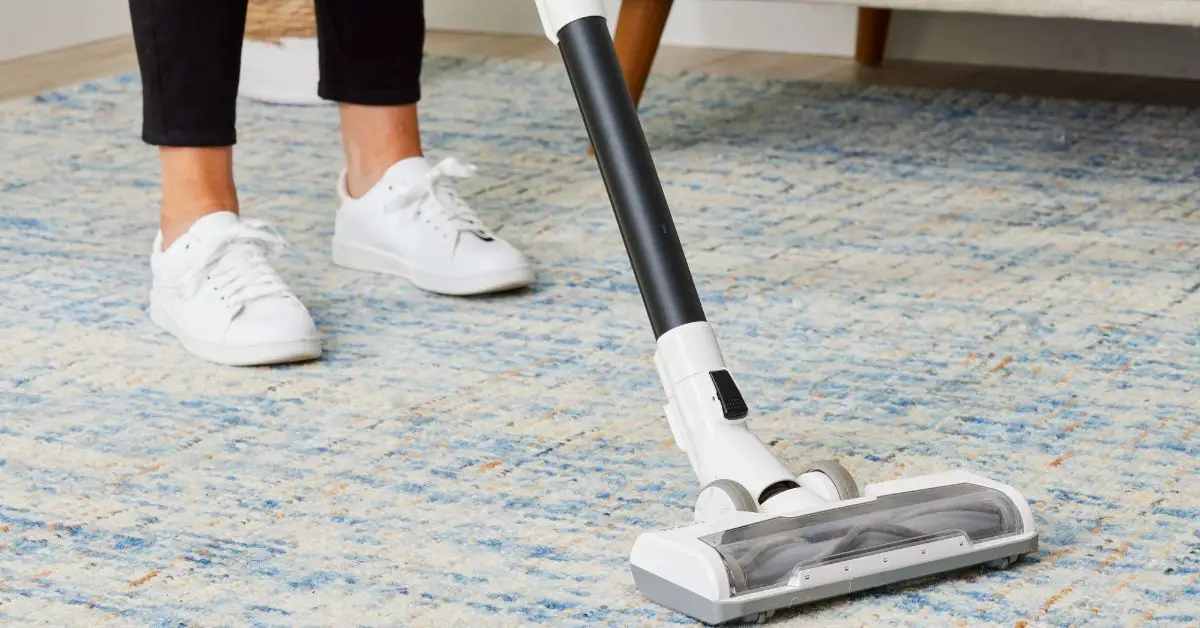
Focus only where dirt and crumbs gather:
- Kitchen floor
- Hallway entry
- Areas around the couch or pets
A targeted sweep in these spots stops small messes from turning into big ones.
Minutes 18–20: Final Touches & Reset Soft Furnishings
This is the part that makes your home feel calm.
- Fluff pillows
- Fold throws
- Straighten chairs
- Take out trash if full
It takes less than two minutes, but it changes the vibe.
And if you want your home to feel as fresh as it looks, these cleaning expert-approved ways to make your home smell better instantly are simple upgrades you can add to your nightly reset.
That’s your 20-minute roadmap.
It’s focused. It’s fast. And when you do it consistently, the clutter never gets a chance to win.
So tell me — which block are you going to start with tonight?
How to Make It a Habit (So It Actually Sticks)
The routine itself isn’t the hard part.
Making it automatic is.
If you want this to last, you need a clear cue. Not motivation. Not willpower. A trigger that tells your brain, it’s time.
For me, it starts right after dinner. The last plate hits the sink, and that’s my signal. For you, it could be:
- After the kids go to bed
- Before you brush your teeth
- Right when you change into pajamas
- While your coffee maker is set for the morning
Attach the routine to something you already do. That’s how habits stick.
I also like tying it to a small reward. Maybe you only watch your favorite show after the reset is done. Maybe you listen to a podcast while cleaning. Your brain starts linking the routine with something enjoyable.
And here’s a trick that works better than you think — set a timer.
You’re not cleaning “all night.”
You’re racing 20 minutes.
That changes your energy completely.
If you want extra accountability, use a simple checklist or a habit tracker. Watching that streak build creates momentum. After a few weeks, skipping it feels uncomfortable.
That’s when you know it’s working.
Room-by-Room Variations (For Real Life Situations)
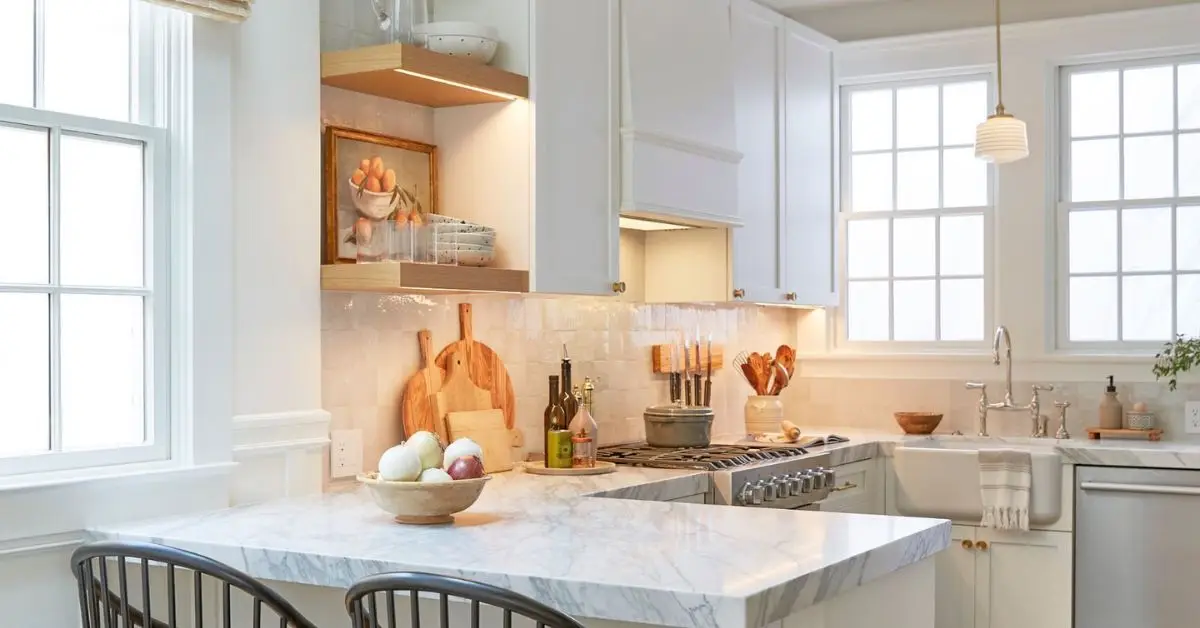
Every home runs differently.
So instead of forcing one rigid plan, adjust the same 20-minute framework to fit your space.
If You Live in an Apartment
In smaller homes, visual clutter feels louder.
Focus on:
- Clearing the kitchen counter
- Resetting the coffee table
- Wiping the bathroom sink
- Sweeping the entryway
In tight spaces, even small messes stand out. A quick reset makes a huge difference.
If You Have a Family Home
Family homes need containment more than perfection.
Prioritize:
- Kitchen reset first
- Toy pickup in common areas
- Dining table wipe-down
- Laundry folded or contained
You can also rotate focus nights:
- Monday → kitchen focus
- Tuesday → living room focus
- Wednesday → bathroom refresh
This keeps the 20 minutes structured without feeling repetitive.
If You Share a Space (Roommates or Partner)
Division makes this easier.
Split micro-tasks:
- One person handles dishes
- One clears common surfaces
- One does floors
Same 20 minutes. Less friction.
Structured “20-minute rule” approaches like the one explained by CR Maids in their 20-minute cleaning guide highlight how focusing on one defined area per session prevents overwhelm and saves time.
The system stays simple.
Twenty minutes. Every night. Adjusted to your space.
Now think about your home — which area stresses you out the most right now? Start there tonight.
Tools and Supplies That Save You Time
Let me be honest.
If your supplies are scattered across the house, your “20-minute routine” will turn into a 35-minute hunt.
Efficiency isn’t just about speed. It’s about setup.
That’s why I always recommend keeping a simple cleaning caddy ready to go. When everything is in one place, you don’t waste energy switching rooms or looking for sprays.
Here’s what I keep in mine:
- All-purpose spray
- Disinfectant spray
- 3–4 microfiber cloths
- A small scrub brush
- Trash liners
- Glass cleaner
That’s it. Nothing fancy.
Microfiber cloths matter more than people think. They grab dust fast and don’t leave streaks. A handheld vacuum also saves time because you can hit high-traffic spots without dragging out a full-size machine.
And if you want to level up?
Let a robot vacuum run in the background while you reset surfaces. You’re stacking productivity. While you wipe counters, the floors are already being handled.
Smart setup removes excuses.
And when something feels easy to start, you actually start it.
Common Mistakes to Avoid (And How to Fix Them)

I’ve seen people quit this routine for one simple reason:
They overcomplicate it.
Here’s what to watch out for.
1. Skipping the Planning Phase
If you walk around wondering what to clean first, you’ll waste half your 20 minutes deciding.
Fix it: Have a set order. Same flow every night. No thinking required.
2. Trying to Deep Clean Every Night
This is the biggest trap.
You notice a dusty fan, and suddenly you’re rearranging furniture. That’s not the goal.
Fix it: Remind yourself — this is maintenance, not perfection. Deep cleaning has its own time slot.
3. Waiting Until the Mess Piles Up
Most people don’t fail because 20 minutes is hard.
They fail because they skip three nights in a row. Then it feels overwhelming again.
Fix it:
Even on busy nights, do a “10-minute minimum.” Something is always better than nothing.
The power of this routine isn’t intensity.
It’s consistency.
Now I’m curious — what usually throws you off when you try to stay consistent with cleaning?
Drop your biggest challenge in the comments. I read every one.
And if you want more practical, no-fluff home improvement systems like this, explore more guides on Build Like New. I share strategies that actually work in real homes — not just picture-perfect ones.
Your home doesn’t need to be perfect.
It just needs a system.
What’s the first small upgrade you’re starting tonight?
Quick Note: This routine is designed for general home maintenance and time management support. It’s not a substitute for professional cleaning services, mold removal, or specialized sanitation needs. Adjust the steps based on your home size, health conditions, and personal capacity. Always use cleaning products safely and follow manufacturer instructions.