Quick Steam Clean Your Microwave—Sparkling in Minutes
swaI don’t know about you, but I hate opening the microwave only to be greeted by splatters of last week’s pasta and that lingering, stubborn smell. Cleaning it feels like a chore I keep putting off—scrubbing those sticky corners, fumbling with harsh chemicals, and still ending up with streaks. That’s why I started steam cleaning my microwave, and honestly, it changed the game.
In just a few minutes, with nothing more than water and a little lemon or vinegar, I can have a sparkling, fresh-smelling microwave without the elbow grease. If you’ve been avoiding this task because it seems messy or complicated, I promise it’s simpler than you think—and I’m going to walk you through exactly how to do it.
What “Steam Cleaning” Actually Means (and Why It Works)
If you’ve ever wondered why steam cleaning is so effective, here’s the secret: it’s all about heat and moisture working together. When water turns into steam, it penetrates the stuck-on food inside your microwave, softening and loosening it without any scrubbing. I love this part because it feels almost effortless—you let the steam do the hard work for you.
On top of that, adding a little lemon juice or vinegar doesn’t just help with cleaning—it actually neutralizes odors naturally. That fresh, citrusy smell? That’s the acid breaking down those stubborn smells instead of masking them.
Here’s why I think it beats using harsh chemical sprays every time:
- You’re not inhaling strong fumes or worrying about residues on your food.
- Steam reaches corners and crevices that a sponge can’t.
- On Reddit, I’ve seen countless users swear by just water + lemon or vinegar over any heavy-duty scrub, reporting cleaner microwaves and less effort.
This method is different from chemical scrubbing because it works gently, naturally, and safely. And once you try it, you’ll notice how much quicker and less stressful microwave cleaning can actually be.
What You’ll Need (Simple, Everyday Items)
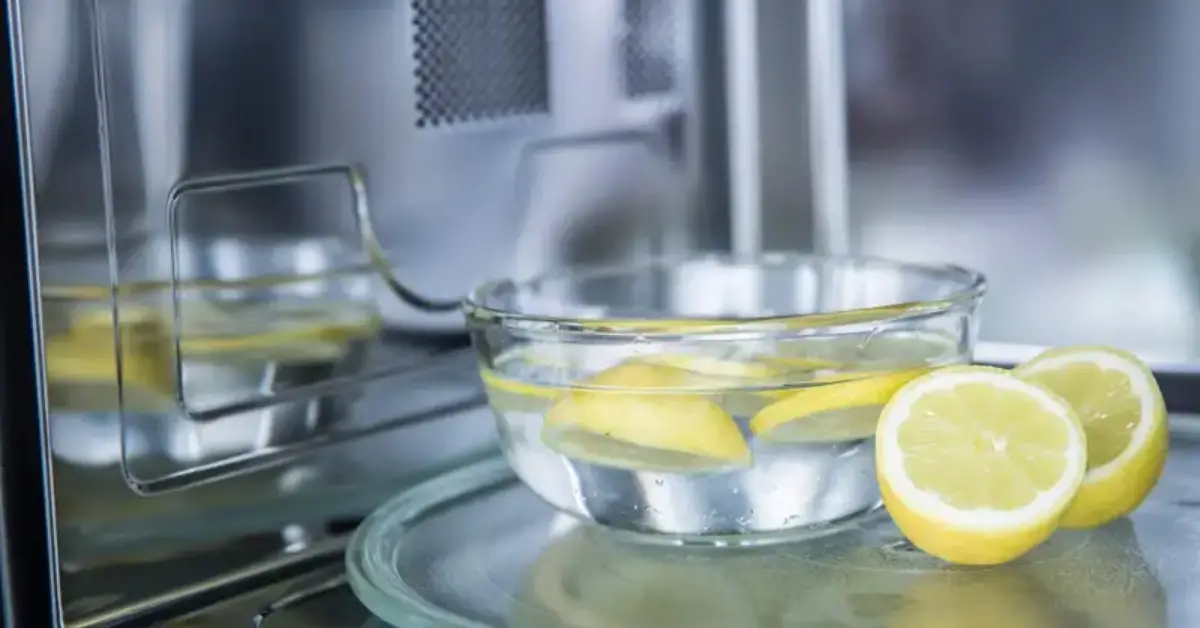
Before you start, gather a few simple things. I always keep these on hand because it makes the process smooth and stress-free:
- A microwave-safe bowl or measuring cup
- Water plus one of the following:
- Lemon juice
- Vinegar
- Baking soda (optional, for extra odor-fighting power)
- A soft cloth or microfiber towel
- Heat-resistant gloves for safety
A quick tip I follow: never use chemicals, metal, or abrasive scrubbers inside your microwave—they can damage it or create dangerous sparks. For more on what to avoid, I found this guide from Woman & Home really clear and practical.
Once you have everything ready, you’re set to start steaming away all that built-up mess without any stress.
Step‑by‑Step: Steam Clean Your Microwave
Now comes the part I love most—actually steam cleaning the microwave. Most guides just list the steps, but I’m going to walk you through it with timing, proportions, and little hacks that I’ve tested myself.
1. Prepare the Steam Solution
- Fill a microwave-safe bowl with water.
- Add either:
- 2–3 tablespoons of lemon juice
- Or 2–3 tablespoons of vinegar
- The acid in lemon or vinegar helps dissolve stuck-on grime while deodorizing at the same time.
2. Microwave It (The Right Way)
- Heat the bowl on high for 3–5 minutes until the steam fills the cavity.
- Leave the door closed for another 3–5 minutes after heating.
This step is critical: letting the steam linger gives it time to soften even stubborn baked-on spots without any elbow grease. I follow this timing every time, and it makes wiping a breeze.
3. Wipe Down the Inside
- Start from top to bottom.
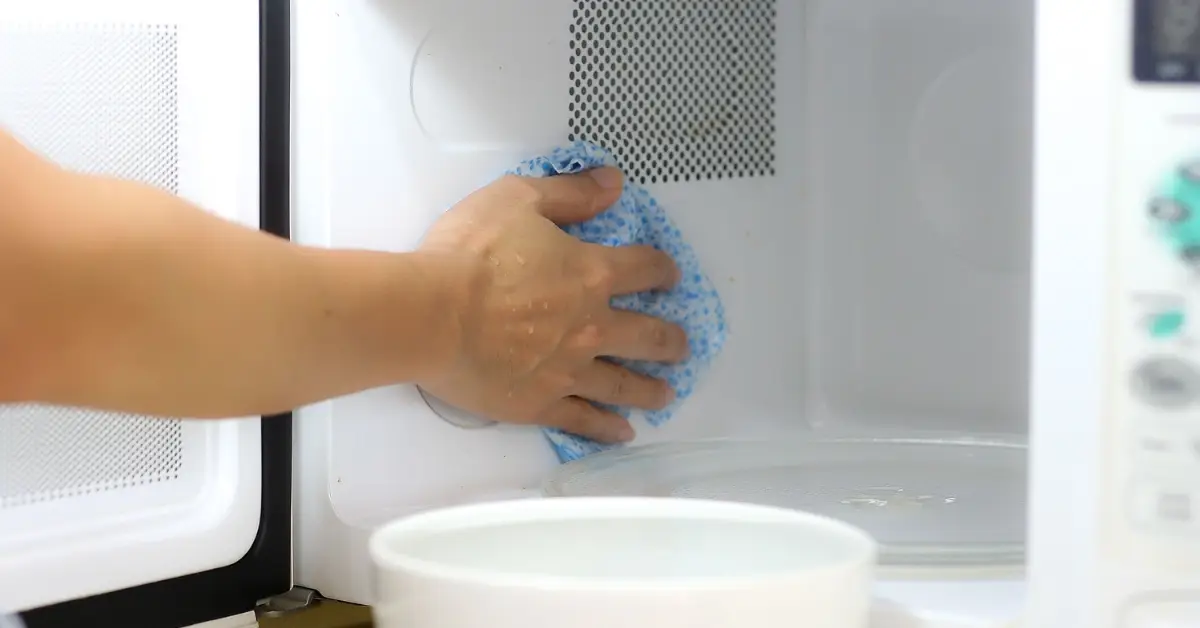
- Use a damp microfiber cloth or soft towel to wipe away loosened debris.
Why this matters: starting at the top ensures no drips land on clean spots below, and microfiber avoids scratching the microwave surface while picking up all residue.
4. Deal With Tough Spots
Sometimes, a stubborn stain won’t budge on the first try. Here’s what I do:
- Dip your cloth in warm lemon water and gently rub the sticky spot.
- If needed, repeat the steam cycle for a few more minutes.
Trust me, many readers get stuck here, thinking the method isn’t working—but a little patience and the right approach always pays off.
Common Variations & Hacks You Might See (Pros & Cons)
While browsing guides, you might see some unusual steam-cleaning hacks. Here’s what I’ve learned about the common ones:
- Dishwasher tablet hack – some people use it in the bowl to boost cleaning power. Caution: avoid any bleach or strong chemicals; they can damage your microwave or leave residues. You can read more about this dishwasher tablet method and why it’s risky.
- Damp cloth trick – placing a damp cloth inside generates steam when microwaved and can help loosen grime.
Here’s what you shouldn’t do:
- Never use metal, abrasive pads, or harsh chemicals inside your microwave.
- Avoid shortcuts that risk damaging your appliance—these can turn a quick clean into a frustrating mess.
I always stick to simple water + lemon or vinegar and occasional damp cloth hacks. It’s safer, and I get consistent results every time.
How Often You Should Steam Clean (Realistic Schedule)
Keeping your microwave clean isn’t just about one deep steam clean—it’s about timing and consistency. Over the years, I’ve found a routine that keeps mess and odors under control without feeling like a chore:
- Weekly wipe‑downs: Even a quick pass with a damp cloth prevents food buildup and smells from settling in.
- Monthly steam clean: For normal everyday use, a full steam cycle once a month keeps it looking and smelling fresh. If you cook or reheat messy foods often, bump it up.
- Spot‑clean immediately: Got a splatter or spill? Deal with it right away. Fresh food residue wipes away so much easier than dried‑on gunk.
Once I started thinking in terms of maintenance instead of deep cleaning only when things got gross, my microwave stayed cleaner with less effort.
Safety & Best Practices
Steam cleaning is simple, but a few safety habits keep it stress‑free and damage‑free:
- Don’t open the door right away: The steam you just built up is hot and can burn sensitive skin if you rush it.
- Use heat‑resistant gloves: I keep a pair on hand so I don’t fumble with hot bowls or spill anything.
- Avoid metal or non‑microwave‑safe items: Anything that sparks, melts, or alters heat distribution can ruin your appliance or be dangerous.
For example, knowing the 5 common items you should never put in a microwave to avoid a house fire can prevent accidents before they happen.
I also like to remind people that vinegar and water steam isn’t just effective—it’s one of the gentlest ways to break down buildup. You can also boost your kitchen safety by checking out these 8 fire safety tips every homeowner must know. In fact, this white vinegar steam microwave cleaning hack is exactly why I trust steam over harsh chemicals: it loosens stains and neutralizes odors without damaging your microwave.
These safety habits make the whole process feel easy and reliable — no guesswork, no worry.
Aftercare: Keep Your Microwave Cleaner Longer
Cleaning your microwave is one thing—but keeping it clean makes life so much easier. I’ve found a few simple habits that prevent messes before they start:
- Always cover food during cooking: A lid or plate keeps splatters contained.
- Wipe spills immediately: Even a small drip can dry into a stubborn stain if you wait.
- Use a microwave-safe splatter cover: These let steam escape while catching most of the mess.
Troubleshooting & When Steam Cleaning Isn’t Enough
NoBroker
Sometimes, even steam cleaning doesn’t tackle everything. Here’s how I handle stubborn issues:
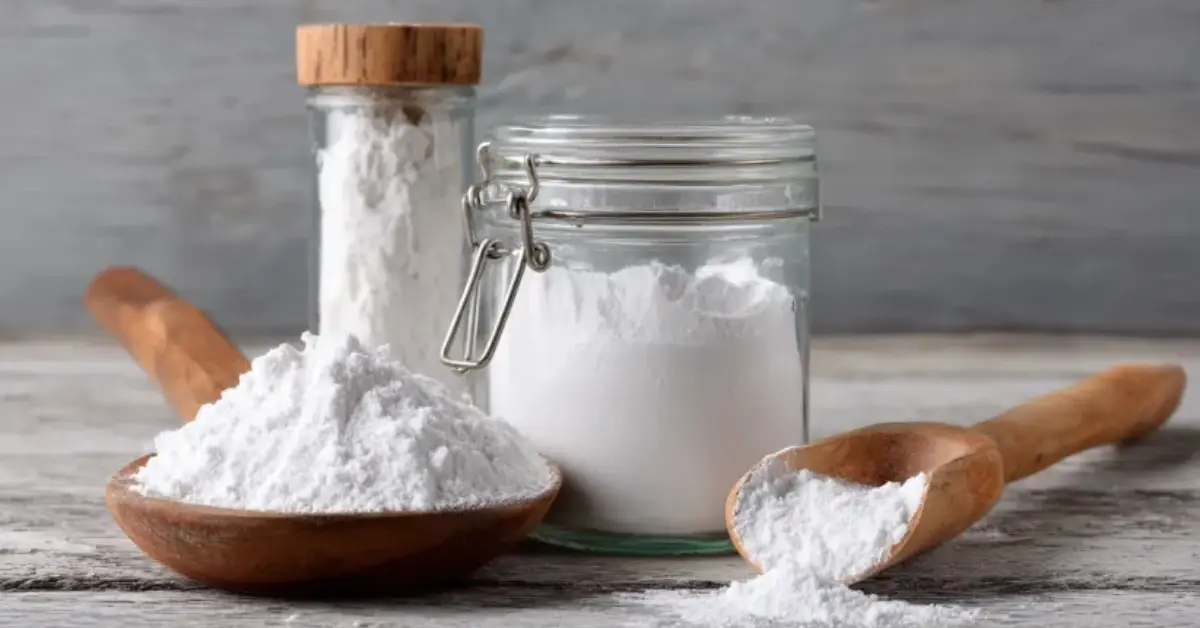
- Lingering odors: Mix a small paste of baking soda + water, apply to problem spots, and let it sit for 10–15 minutes before wiping.
- Stubborn stains: Repeat the steam cycle with your lemon or vinegar solution—sometimes it takes a second round.
- Eroded interior coating: If the nonstick layer is peeling or damaged, it’s safer to get professional advice rather than risk your appliance.
If you want to be extra cautious, this guide on 7 hidden microwave dangers that have already burned thousands of children highlights risks you might not think about
These practical steps give you a safety net—you can tackle the tough stuff without panic, and it keeps your microwave in top shape longer.
Final Thoughts
Steam cleaning your microwave isn’t just about a clean appliance—it’s about saving time, avoiding harsh chemicals, and making daily life easier. I’ve shared the tips, tricks, and hacks that actually work because I’ve tried them myself, and I know how frustrating it can be when guides leave out the practical details.
Now I’d love to hear from you: What’s your favorite hack for keeping your microwave spotless? Drop a comment below and share your tips! And if you want more practical, real-life cleaning hacks and home tips, check out Build Like New—we’re all about helping your home stay fresh, simple, and stress-free.
Disclaimer: These cleaning tips are for general household microwaves. Always follow your appliance’s manufacturer instructions. I’m not responsible for damage caused by misuse or using methods on appliances not suited for steam cleaning.