7 Ways Your Furniture Arrangement Is Making Your Living Room Chaotic
I’ve spent years walking into living rooms that look… off. Sometimes the furniture is all there, the colors match, but something still feels cramped or chaotic. That’s usually not about style—it’s about placement. How you arrange your sofa, chairs, and tables can make a room feel welcoming and spacious, or cramped and cluttered.
In this article, I want to walk you through the most common furniture mistakes I see over and over again, mistakes that turn your living room into a maze instead of a comfortable space. You’ll learn not just what to avoid, but why these blunders matter and how small shifts can completely transform your room’s flow. By the end, you’ll have a clear sense of how to make your living room feel open, inviting, and effortless to move around in.
Mistake #1: Pushing Furniture Too Close to Walls
I used to do this myself—plop the sofa right against the wall and call it a day. It feels like it’s opening up space, but honestly, it often does the opposite. When your furniture hugs the walls, it disconnects people in the room and makes conversations awkward.
Here’s what I’ve learned works better:
- Pull your main seating inward so chairs and sofas face each other.
- Create a small gap (even 6–12 inches) from walls to add breathing room.
- Anchor pieces with a rug to define the seating area without pushing everything flat.
Doing this immediately makes your room feel cozier and more inviting. If you want some professional tips on why this works, I like how Martha Stewart explains common furniture arranging mistakes in living rooms—it’s practical and easy to visualize.
Mistake #2: Blocking Natural Traffic Paths
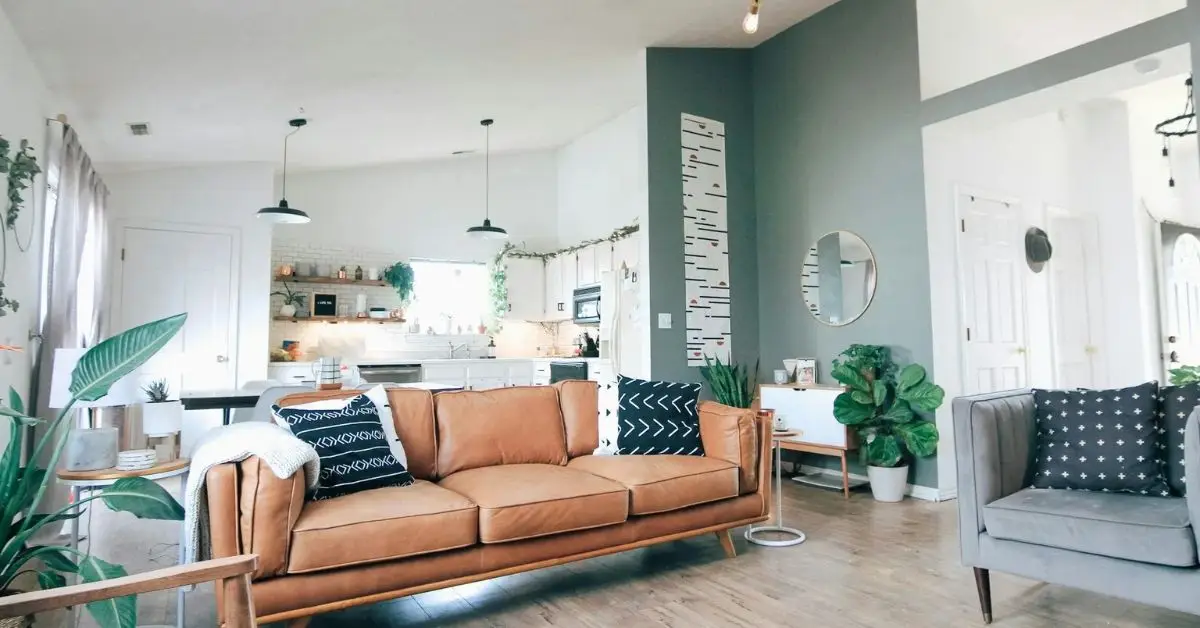
Nothing kills a room’s vibe faster than bumping into a coffee table on your way to the couch. I’ve walked through large living rooms that still feel cramped simply because the paths are blocked.
To fix this:
- Map out your main walkways—usually 30–36 inches wide is comfortable.
- Angle furniture when needed to keep traffic flowing naturally.
- Avoid oversized pieces near doors or entries that interrupt circulation.
When you respect these paths, even a smaller living room can feel spacious. Think of it like creating invisible lanes that guide movement without you noticing—but everyone benefits.
Mistake #3: Choosing Furniture That’s the Wrong Scale
I can’t tell you how many times I’ve seen rooms with tiny chairs next to a massive sectional. It makes the space feel off-balance and cluttered, even if every piece is gorgeous on its own. Scale matters more than color or style.
Here’s what to keep in mind:
- Measure your room first before buying a new sofa or chair.
- Match your key pieces to the room size—a large sectional in a tiny space will always overwhelm.
- Consider your rug as a guide: ideally, furniture should fit comfortably on it or at least have front legs on the rug to create a cohesive zone.
While rearranging furniture, I also make it a point to protect upholstery—these 7 easy ways to prevent furniture damage help me keep my sofas looking brand new no matter how often I move them.
Mistake #4: Too Many Small Pieces Breaking Up Sightlines
I get it—you want to fill every corner and make your living room versatile. But piling in too many small tables, stools, or ottomans can actually fragment the space. When I first started rearranging my own living room, I realized the eye jumps from piece to piece, and the room feels busier than it is.
What works better:
- Limit side tables and accent stools—choose a few that serve multiple purposes.
- Group smaller items rather than scattering them individually.
- Keep sightlines open between seating areas so your eyes can travel comfortably.
Overcrowding and too many small tables are common traps; I’ve shared some of my favorite clutter-busting tips to keep a living room feeling open and organized.
Mistake #5: Improper Rug Size or Placement
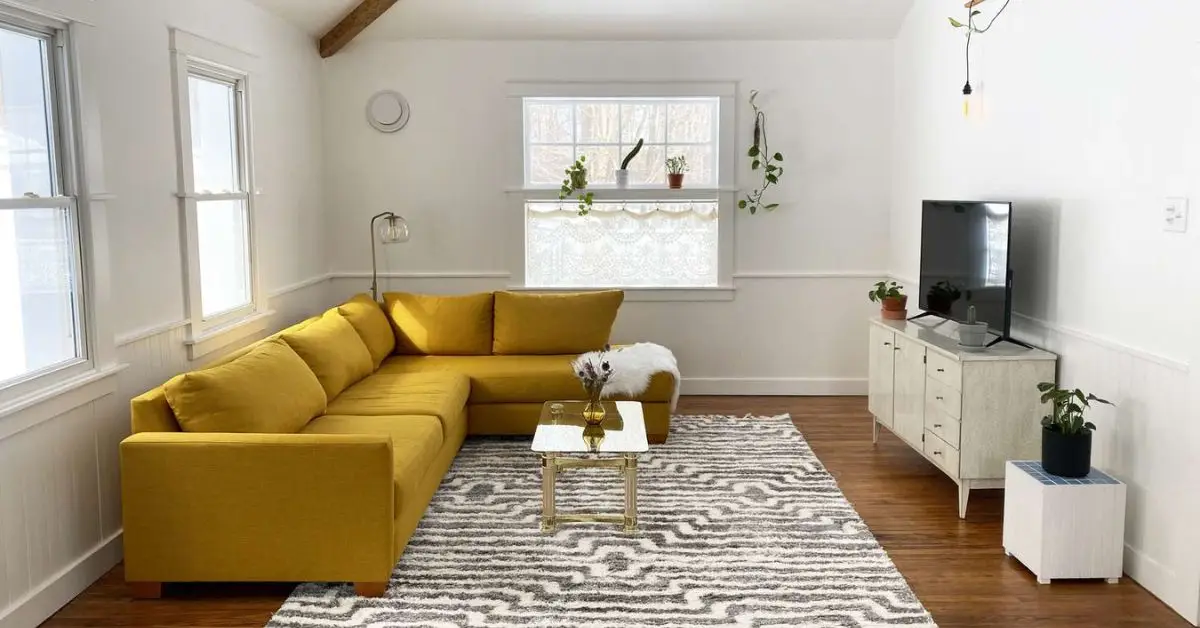
Rugs can make or break a room. I’ve seen tiny rugs swallowed by a sectional and giant rugs that dwarf everything else—it feels off. The right rug anchors furniture and visually defines zones.
Here’s my checklist:
- Front legs on the rug for sofas and chairs to create cohesion.
- Leave some floor exposed around the edges to prevent overwhelming the space.
- Scale rugs to your room: a too-small rug chops up the layout; a too-large rug can make furniture feel lost.
Mistake #6: Ignoring Focal Points and Conversation Zones
I used to just place my sofa wherever it fit—big mistake. Without a clear focal point, furniture feels scattered, and the room loses its purpose. A fireplace, window, or TV can be your anchor, but the arrangement should encourage people to interact naturally.
How I fix this:
- Identify your main focal point first—it dictates where the largest seating piece goes.
- Create conversation zones by angling chairs and sofas toward each other.
- Balance secondary pieces around the main zone instead of crowding the focal point.
Spriha Jain highlights this approach in her tips for living room layout, showing how purposeful zones make rooms feel alive rather than random.
Mistake #7: Overcrowding or Oversized Sets
I’ve walked into living rooms where every piece matches perfectly—but the room still feels heavy and stiff. That’s the trap of oversized or uniform sets. When everything looks the same size and style, your eye has nowhere to rest, and the space loses personality.
Here’s how I approach it:
- Mix shapes and sizes: Pair a large sofa with a smaller accent chair or ottoman.
- Leave breathing room: Don’t push every piece into the corner—space is part of the design.
- Prioritize key pieces: Let your sofa or focal chair dominate, and keep side tables minimal.
This simple shift creates a visual hierarchy and instantly makes the room feel curated rather than crowded. Otazen Stories explains why balancing scale and variety is key when arranging furniture—it’s not just aesthetics, it’s how your room feels to live in.
Practical Step‑by‑Step Floor Plan Approach
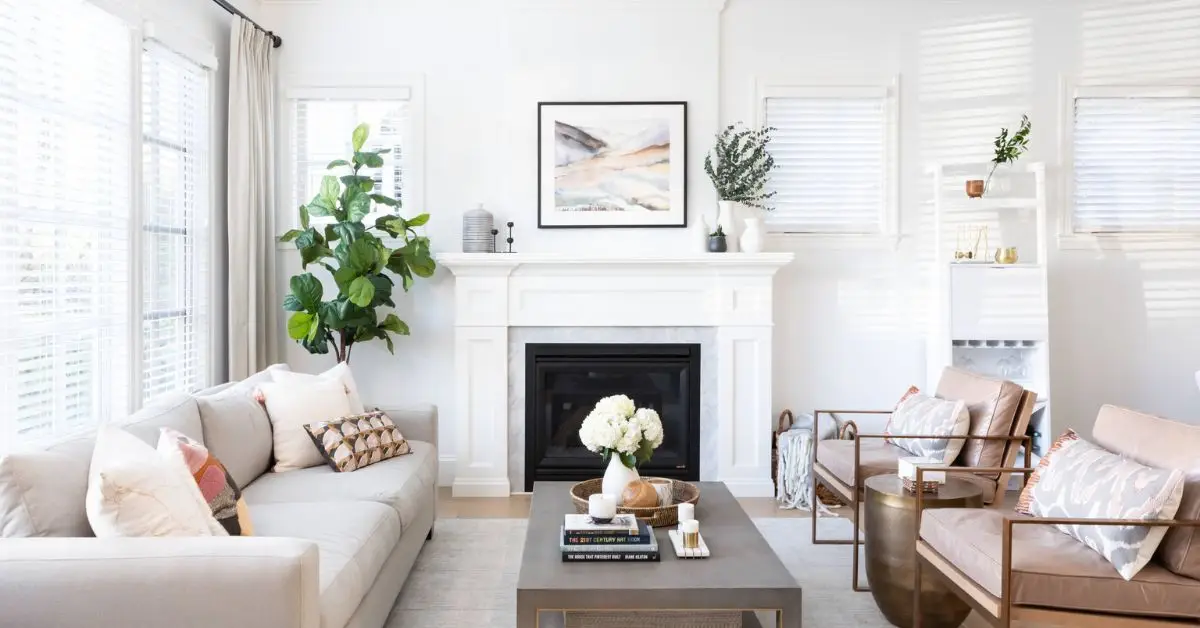
Sometimes I see people get overwhelmed staring at an empty living room. You might have all the right pieces, but without a plan, it feels impossible to make them work together. I’ve learned that a simple, step-by-step workflow saves time and prevents mistakes. Here’s how I tackle it:
- Measure your room footprint first — width, length, and key features like windows or doors.
- Mark natural traffic paths — make sure people can move around comfortably, usually 30–36 inches wide.
- Identify your focal point(s) — fireplace, TV, or a view; everything else orients around it.
- Pick scale-compatible key pieces — start with the sofa or largest chair.
- Arrange the conversation zone first — position seating to encourage interaction.
- Add secondary items sparingly — side tables, ottomans, or accent chairs fill gaps but don’t crowd.
After arranging the conversation zone and focal points, I often look for clever ways to hide things out of sight—these hidden storage ideasAfter arranging the conversation zone and focal points, I often look for clever ways to hide things out of sight—these hidden storage ideas
are a lifesaver for keeping surfaces clean without sacrificing style. are a lifesaver for keeping surfaces clean without sacrificing style.
When you follow this sequence, suddenly the room feels balanced and functional, not like a random collection of furniture. You’re not just moving pieces—you’re designing a space that works for how you actually live.
Final Takeaways: What to Fix First
After going through all these common mistakes, I like to give myself (and my clients) a clear action list. If you want to make your living room feel spacious and inviting quickly, focus on these first:
- Traffic flow — clear pathways make the biggest immediate difference.
- Focal point & conversation zones — give your space a purpose.
- Furniture scale & breathing room — remove or replace pieces that overwhelm the room.
- Rug placement — anchors the layout and ties everything together.
Once those are in place, the rest—decor, side tables, and accents—can follow naturally.
I’d love to hear how your living room layout turns out. Did one of these mistakes stand out in your own space? Share your experience in the comments below or check out more practical interior tips at Build Like New to make your home feel organized and effortless.
Disclaimer: The tips and advice in this article are for general informational purposes only. Individual room layouts, furniture sizes, and personal preferences may vary. Always measure your space and consult professionals when needed before making major design changes.