11 Things You Should Know Before Using a Sink Skirt in Your Kitchen or Bathroom
Walk into a stylish kitchen or bathroom today and you might notice a small design detail that’s quietly making a comeback — the sink skirt. Instead of cabinet doors or exposed plumbing, a piece of fabric hangs below the sink, hiding pipes and adding a softer, more traditional look.
At first glance, it feels like a clever idea. You get hidden storage, easy access to plumbing, and a design that looks warm instead of bulky.
But then the practical question hits.
Is a sink skirt actually sanitary in a kitchen or bathroom?
I’ve heard this concern from many homeowners. Kitchens deal with food splashes, grease, and constant water use. Bathrooms have humidity, soap residue, and sometimes mold. So adding fabric into those spaces naturally makes people wonder if it could trap moisture, bacteria, or odors.
And honestly, that concern isn’t wrong.
Fabric in damp environments can become unhygienic if it’s not handled properly. But the truth is a bit more nuanced than most people think. A sink skirt isn’t automatically unsanitary — the real factors are the material, installation, and how often it’s cleaned.
That’s exactly what we’re going to unpack.
In this guide, I’ll walk you through 11 sink skirt hygiene facts every homeowner should know. Some of them might challenge common assumptions, and a few might change how you think about using fabric around sinks.
By the end, you’ll know whether a sink skirt is a smart choice for your home — or a design decision that could create hidden hygiene problems.
But before we get into the hygiene facts, let’s first understand what sink skirts actually are and where they’re commonly used.
What Is a Sink Skirt?
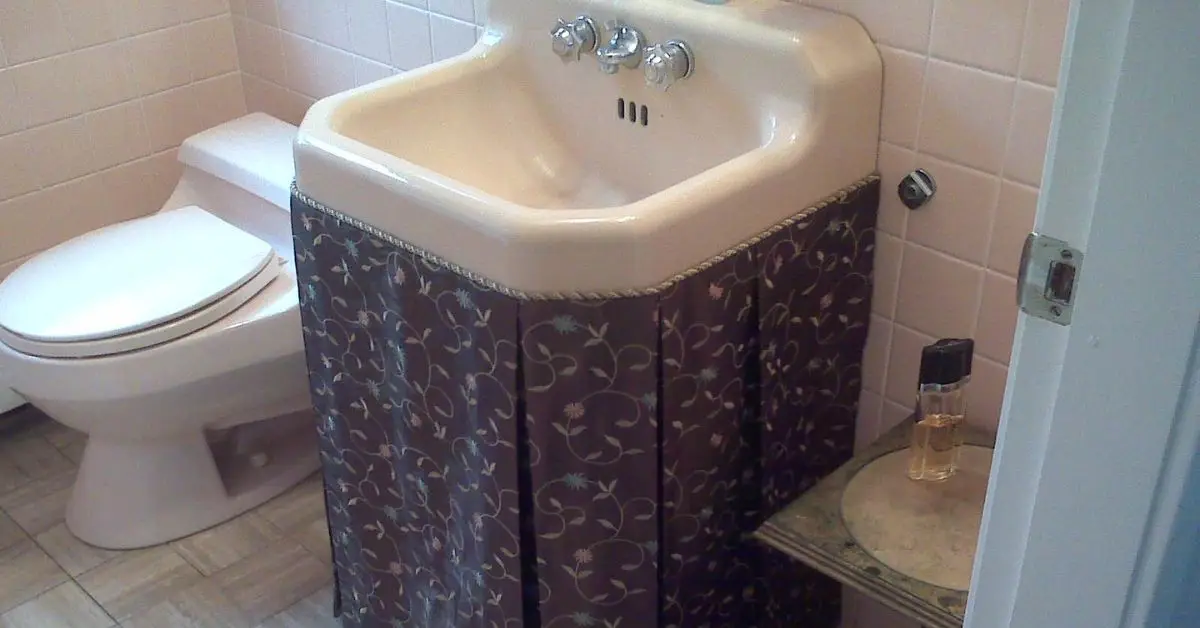
If you’ve never used one before, a sink skirt is simply a piece of fabric installed below a sink to hide plumbing and storage space.
Instead of cabinet doors, you have a curtain-style panel. It’s usually attached with Velcro, a tension rod, or adhesive strips so you can remove and wash it easily.
I like to think of it as a flexible alternative to a vanity cabinet. You get:
- Hidden pipes
- Quick access for repairs
- Soft, decorative appeal
- Extra hidden storage
It looks simple. But when you’re thinking about hygiene, the environment around that fabric matters more than the fabric itself.
And that’s where most people get confused.
Kitchen vs Bathroom Sink Skirts — How Usage Affects Cleanliness
When you ask, “Are sink skirts sanitary in a kitchen or bathroom?” you’re really comparing two very different environments.
I always tell homeowners: don’t judge the skirt — judge the setting.
In the Kitchen
Your kitchen sink deals with:
- Food particles
- Grease splashes
- Raw meat residue
- Constant hand washing
- Frequent water spray
If the skirt sits too close to splash zones or isn’t washed often, it can absorb moisture and tiny food particles. That’s where bacteria risk increases.
In a high-use kitchen, fabric needs stricter maintenance. You can’t treat it like decoration — it becomes part of your cleaning routine.
In the Bathroom
Now compare that to a bathroom.
Here, the main factors are:
- Humidity from showers
- Toothpaste splatter
- Soap residue
- Skincare and grooming products
Bathrooms usually don’t deal with food contamination, but they do deal with moisture buildup. And moisture is what allows mold and mildew to grow — especially if ventilation is poor.
So the risk shifts. It’s less about food bacteria and more about trapped humidity.
Why This Comparison Matters
When you search for whether sink skirts are sanitary, you’re not just asking about fabric. You’re asking:
- Is it safe near food?
- Will it grow mold?
- Is it harder to keep clean than cabinets?
And the honest answer is this: sanitation depends on where you install it and how you maintain it.
A lightly used guest bathroom is very different from a busy family kitchen. If you don’t separate those contexts, you’ll get oversimplified answers.
Now let’s talk about the real fears people have — because I’ve seen these same concerns come up again and again in homeowner discussions.
Why People Question Sink Skirt Sanitation
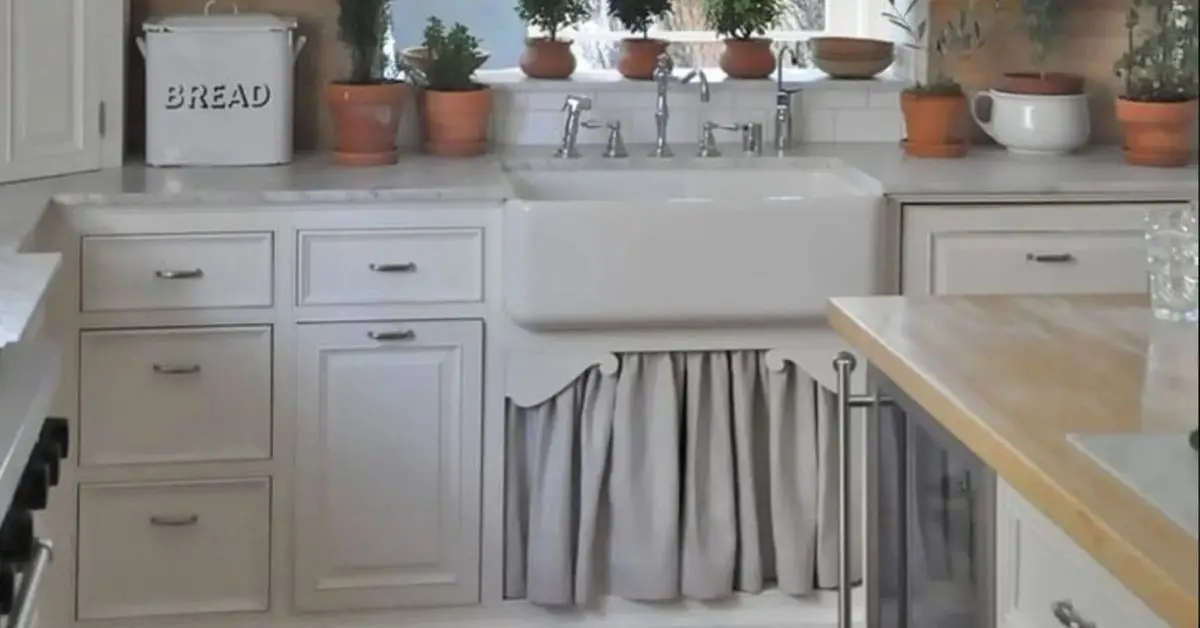
Whenever I see this topic discussed in cleaning groups or homeowner forums, the concerns are almost always the same.
People aren’t worried about style. They’re worried about hygiene.
Even home design articles that touch on this trend, like those on The Spruce, often mention maintenance as the deciding factor.
But when you read real conversations online, the fears feel more direct.
Here’s what people usually bring up:
Common Hygiene Concerns From Homeowners
- Bacteria buildup: Fabric can trap moisture. If it stays damp, people assume it becomes a breeding ground for germs.
- Mold and mildew: Especially in bathrooms without strong ventilation, fabric near sinks can stay humid longer than you realize.
- Odors: Grease, food splashes, or dampness can cause a musty smell over time.
- Hard-to-clean pleats or folds: Decorative skirts with heavy pleating may trap dust and debris in seams.
- Cross-contamination fears: In kitchens, some worry about raw meat splashes landing on fabric and not being sanitized properly.
And honestly, these aren’t irrational fears.
If you ignore maintenance, any damp textile can become unhygienic. Dish towels, shower curtains, and bath mats all face the same risks.
The difference is this: most of us already accept that those items need regular washing. With sink skirts, people sometimes forget that it’s still fabric living in a wet zone.
So the real question isn’t whether sink skirts are automatically unsanitary.
It’s whether you’re willing to treat them like any other washable textile in a high-moisture area.
Now let’s look at what actually happens at a microbial level when fabric sits near sinks — and whether the risk is as big as people think.
Fact #1: Fabric Can Harbor Moisture and Microbes
Let’s start with the concern most homeowners have.
Fabric placed near water can hold moisture. And when moisture stays trapped for long periods, it creates an environment where bacteria and fungi can grow.
I often explain this using everyday household fabrics:
- Kitchen and dish towels
- Bath towels
- Shower curtains
- Any textile that stays damp
All of these fabrics live in moist areas of the home. And when they don’t dry quickly, microbes begin multiplying faster than you’d expect.
This idea shows up even in articles about sink skirts — including one on Houzz, where designers explain how and why these skirts are used around sinks. The discussion isn’t about germs per se, but it highlights how fabric interacts with moisture and water-prone zones.
That doesn’t mean all fabric is automatically unhygienic.
It simply means maintenance matters.
If you install a sink skirt and treat it like any other washable textile instead of an untouchable decoration, hygiene concerns fade.
Here’s what actually keeps things sanitary:
- Washing the skirt regularly
- Letting it fully dry after cleaning
- Minimizing constant moisture buildup
- Keeping it away from heavy splash zones
In simple terms, the skirt itself isn’t the problem — neglect is.
If you clean it with the same attention you give your towels or bath mats, the hygiene risk stays manageable.
Fact #2: Kitchen Sink Skirts vs Bathroom Sink Skirts — Hygiene Comparison

When people ask me whether sink skirts are sanitary, the first thing I ask is simple:
“Are you installing it in the kitchen or the bathroom?”
Because the hygiene risks differ significantly depending on where the skirt lives.
Most design conversations focus on how the skirt looks. But when it comes to sanitation, the environment around the sink matters much more than the skirt itself.
Let’s break it down.
Kitchen Sink Skirts
Kitchen sinks deal with more contamination sources.
During daily use, the area around your kitchen sink is exposed to:
- Food particles
- Grease splashes
- Raw meat juices
- Vegetable residue
- Dishwashing water
If the skirt hangs too close to the sink bowl, those tiny splashes can land on the fabric.
Over time, this can lead to:
- Bacteria growth
- Grease buildup
- Food-related odors
That’s why kitchen sink skirts usually need more frequent washing.
Bathroom Sink Skirts
Bathrooms usually don’t deal with food contamination.
Instead, the primary hygiene challenge is humidity.
A bathroom sink area often experiences:
- Steam from hot showers
- Moist air buildup
- Toothpaste splashes
- Soap residue
If ventilation is poor, fabric can stay slightly damp for long periods — and that’s when mold or mildew can form.
So here’s the key difference:
- Kitchens → bacteria and food residue
- Bathrooms → humidity and mold risk
Understanding this helps you decide how often the skirt needs cleaning.
Fact #3: Material Matters — Some Fabrics Are More Hygienic
Not all sink skirts behave the same way.
The material you choose affects how much moisture it absorbs and how quickly it dries.
Some fabrics soak up water easily, while others resist it.
Here’s a simple comparison homeowners often overlook.
| Fabric Type | Hygiene Score | Why It Matters |
|---|---|---|
| Cotton | Medium | Absorbs moisture but washes easily |
| Linen | Medium | Breathable but can hold humidity |
| Polyester | High | Less absorbent and dries faster |
| Waterproof / coated fabric | Very High | Resists moisture and stains |
From a hygiene perspective, fast-drying fabrics usually perform better.
That’s because bacteria and mold thrive in damp environments. If the material dries quickly after exposure to water, microbes have less opportunity to grow.
When I help homeowners choose materials for sink skirts, I usually suggest:
- Lightweight cotton blends
- Polyester fabrics
- Water-resistant textiles
Heavy decorative fabrics may look beautiful, but they tend to trap moisture and dry slowly.
Fact #4: Proper Installation Can Reduce Hygiene Issues
Many hygiene problems people blame on sink skirts actually come from poor installation, not the fabric itself.
A few small setup choices can make a big difference.
Keep the Fabric Off the Floor
If the skirt touches the floor, it can collect:
- Dust
- Hair
- Moisture
- Cleaning residue
Ideally, the bottom edge should sit slightly above the floor.
Avoid Constant Splash Zones
If your sink splashes frequently, the skirt shouldn’t hang directly against the basin.
Leaving a small gap reduces how often the fabric gets wet.
Use Removable Attachments
One of the smartest choices is using removable mounting options.
These include:
- Velcro strips
- Adhesive hook tape
- Small tension rods
This setup makes it easy to remove the skirt for washing.
And that matters more than most people realize.
Because when something is easy to remove, you’re far more likely to clean it regularly — which is what truly keeps a sink skirt sanitary.
Fact #5: How Often Should You Wash Sink Skirts?
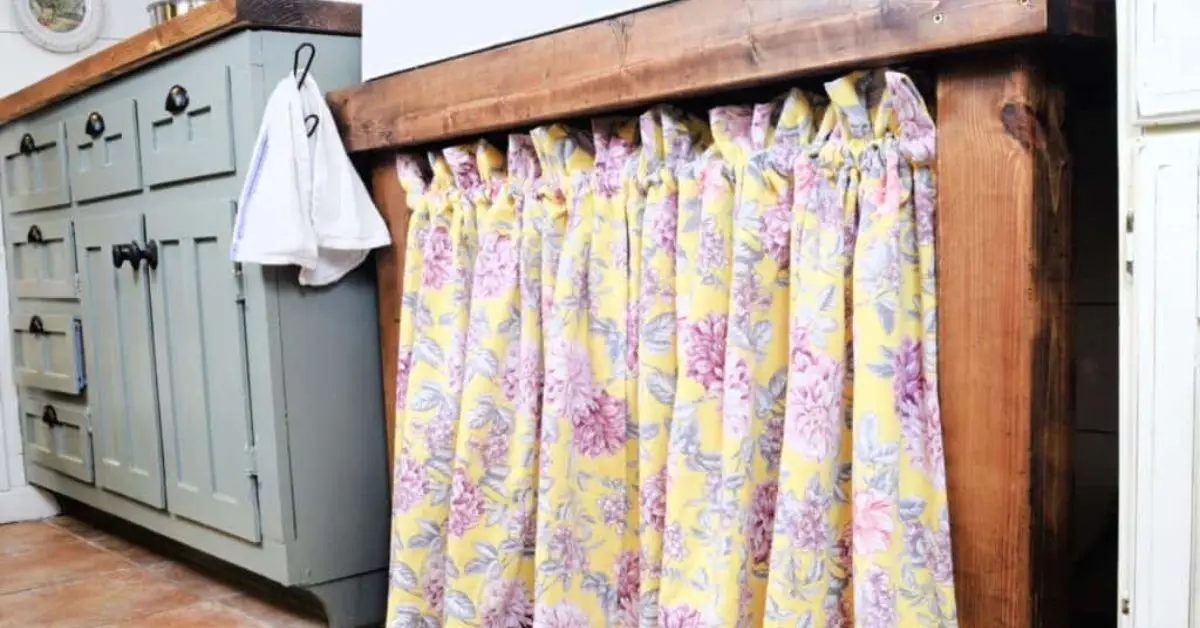
One of the top questions I hear is: How often should I actually wash a sink skirt?
Think about other fabrics that live around water:
- Dish towels
- Bath towels
- Shower curtains
They all need regular washing to stay hygienic. Sink skirts are no different.
Here’s a guideline I usually suggest:
- Kitchen skirts: every 1–2 weeks (because of food splashes)
- Bathroom skirts: every 2–4 weeks (humidity is the main issue)
- Busy households: weekly washing for safety
The goal is simple: prevent moisture and residue from becoming a breeding ground for microbes. While you’re at it, make sure to avoid storing items that could encourage bacteria growth — here’s a helpful list of things you should never store under your kitchen sink and where to put them instead.
Fact #6: Best Cleaning Practices for Sink Skirts
Cleaning a sink skirt the right way makes a big difference. Here’s what works best:
- Use warm or hot water to remove grease and kill more bacteria.
- Detergent matters — a strong laundry detergent works for kitchens, mild for bathrooms.
- Dry completely before reinstalling; never put a damp skirt back under the sink.
- Tackle mold proactively — for humid bathrooms, washing with a bit of white vinegar or oxygen bleach helps.
- Removable fabrics win — if it’s easy to detach, you’ll actually clean it regularly.
Fact #7: Signs Your Sink Skirt Needs Immediate Cleaning or Replacement
Sometimes the fabric gives you clear warning signs. Watch out for:
- Visible mold spots – gray or black patches
- Musty smell – trapped dampness
- Grease or food buildup – especially in kitchen skirts
- Discoloration or stiff fabric – signs of residue accumulation
If you see these, it’s time to wash or replace the skirt. Ignoring them increases health risks, so act quickly. If you notice grease buildup, musty smells, or other warning signs under your kitchen sink, it’s also a good time to check for dangerous items hidden underneath that could pose health or safety risks.
Fact #8: Alternatives to Fabric Sink Skirts
Not everyone wants fabric under the sink, especially if hygiene is a priority. You have options:
- Vinyl skirts – water-resistant, easy to wipe clean
- Metal panels – stainless steel or aluminum, very hygienic
- Open shelving – better airflow, easy to clean, exposes plumbing
If you prefer an open area instead of a fabric skirt, there are smart ways to maximize storage around a pedestal sink without compromising on hygiene or accessibility.
These alternatives hide pipes and still reduce maintenance while keeping your sink area sanitary.
Fact #9: Scientific Take on Bacteria Load in Fabric vs Hard Surfaces
People often assume fabric is dirtier than hard surfaces. But research tells a more nuanced story.
- Hard surfaces like metal or plastic can allow bacteria to survive longer if not wiped properly.
- Fabrics may trap microbes, but washing removes them efficiently.
So a well-maintained fabric skirt is not automatically unhygienic.
Fact #10: How Sink Skirts Fit Into Overall Kitchen/Bathroom Hygiene
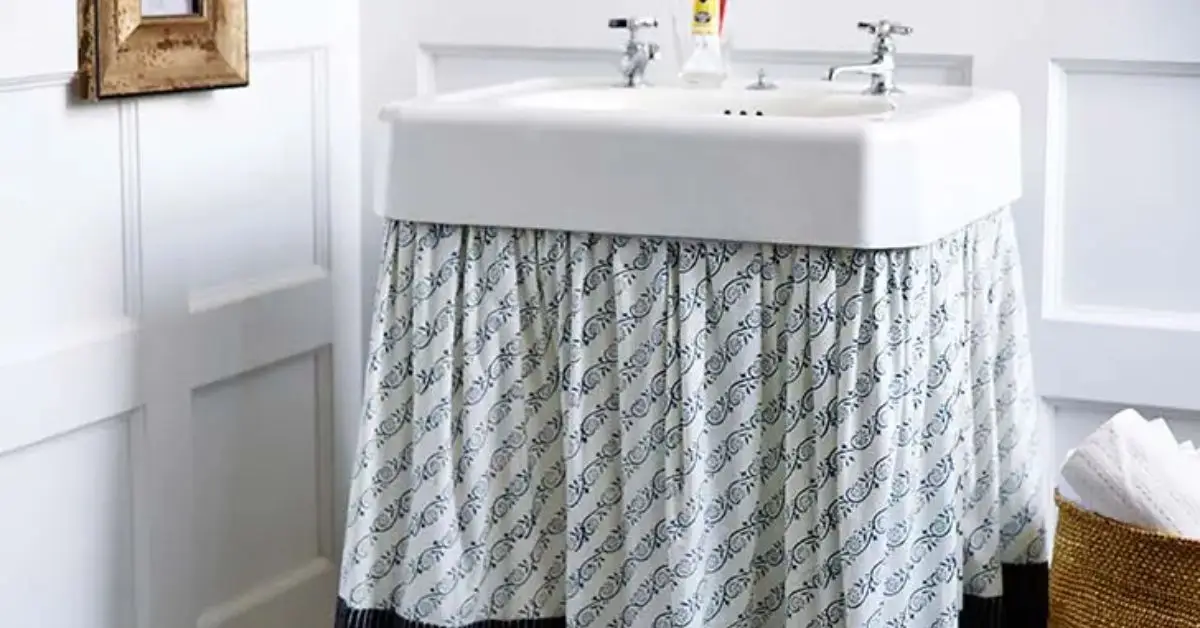
A sink skirt is just one piece of the puzzle. Overall hygiene matters more:
- Wipe sink edges regularly
- Clean faucet handles
- Sanitize countertops
- Dry wet areas after use
Treat the entire sink zone as a hygiene area. When you do this, whether you have a fabric skirt, vinyl, or open shelving, your risk of germs drops dramatically.
Fact #11: When Sink Skirts Are (Actually) Fine — Myth vs Reality
Here’s the reassurance most homeowners need:
- Fabric skirts are fine if they’re washable, don’t touch the floor, and dry quickly.
- Kitchen skirts just need more frequent cleaning.
- Bathroom skirts benefit from good ventilation.
The myth that all sink skirts are unhygienic comes from neglect, not the fabric itself.
If you follow proper maintenance, a sink skirt can stay both stylish and sanitary.
For practical installation, care, and style examples, see Boxwood Avenue’s guide on bathroom sink skirts.
Practical Takeaways: A Quick Sink Skirt Hygiene Checklist
We’ve covered a lot of details, but if you’re standing in your kitchen or bathroom right now wondering whether a sink skirt is a good idea, here’s the simple version I want you to remember.
Think of a sink skirt the same way you think about any fabric around water. If you install it correctly and clean it regularly, it can work perfectly well.
Here’s the checklist I personally recommend homeowners follow.
Sink Skirt Hygiene Checklist
Before installing or using a sink skirt, make sure you follow these steps:
- Choose the right material: Pick fabrics that dry quickly like cotton blends or polyester.
- Keep the skirt off the floor: Fabric touching the floor collects dust, moisture, and bacteria.
- Avoid splash zones: Leave a small gap between the sink basin and the fabric to reduce constant wetting.
- Use removable attachments: Velcro strips or tension rods make it easy to remove the skirt for washing.
- Wash it regularly: Kitchen skirts should be cleaned every 1–2 weeks. Bathroom skirts every few weeks.
- Dry the fabric completely: Never reinstall a damp skirt under the sink.
- Watch for warning signs: Musty smells, grease stains, or mold spots mean it’s time to clean or replace it.
- Maintain the entire sink area: Clean faucet handles, sink edges, and countertops regularly to avoid cross-contamination.
If you follow these habits, a sink skirt becomes just another washable part of your home—not a hygiene problem.
Your Turn
I’m curious about your experience.
Do you currently use a sink skirt in your kitchen or bathroom, or are you considering installing one?
Drop your thoughts or questions in the comments. Real homeowner experiences always make these discussions more helpful.
And if you enjoy practical home improvement and maintenance tips like this, you’ll find more guides and ideas on Build Like New, where we share simple ways to make your home cleaner, smarter, and easier to maintain.
Disclaimer: This article is for informational purposes only and is not a substitute for professional cleaning or health advice. Always follow manufacturer instructions for materials and consult experts if you have specific hygiene or health concerns.