5 Genius Paint Storage Hacks Every Homeowner Should Know
I’ve seen it too many times—people stash leftover paint in the garage, thinking it’s safe, only to find it ruined months later. I’ve been there myself, opening a can to find it thick, lumpy, or smelling off. The truth is, garages seem convenient, but the temperature swings and humidity can quietly destroy your paint long before you plan to use it again.
In this article, I want to walk you through the smart ways to store paint so it lasts, plus the common garage mistakes that sneak up on all of us. By the end, you’ll know exactly what to do to protect your investment and avoid wasting money—and frustration—on paint that’s gone bad.
What Happens to Paint When Stored Improperly
I’ve learned the hard way that paint doesn’t just “sit there” safely once it’s in a can. If you leave it in the wrong spot, it can spoil faster than you think. Here’s what you need to watch out for:
- Temperature swings – Heat can make latex paint separate or turn sticky, while freezing temps can make it clump or even crack the can. I’ve opened cans before only to see a solid mass at the bottom.
- Humidity issues – A damp garage can rust the lids and let moisture creep in, ruining the paint. Even a small amount of water can change the texture and make it unusable.
- Breakdown of binders and solvents – Extreme cold or heat damages the chemical structure, so even if it looks okay, it may not apply smoothly or last long once you start painting.
When you understand these risks, you start valuing proper storage instead of guessing. It’s the difference between saving your paint for a future project and tossing money down the drain.
Myth vs Reality: Is the Garage a Good Storage Spot?
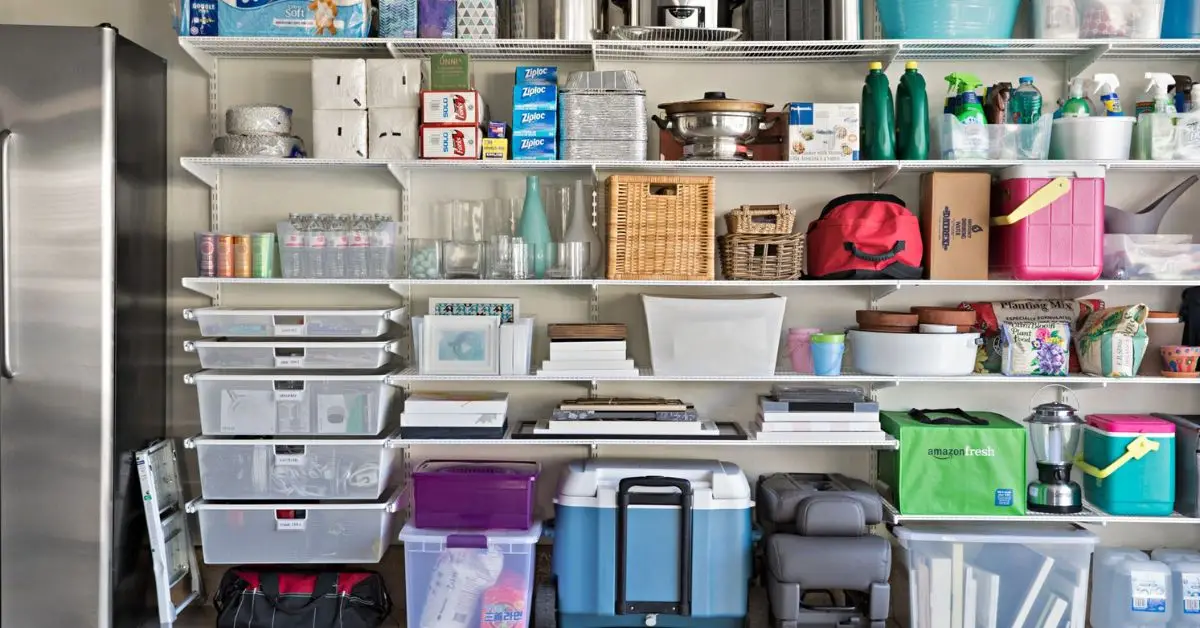
I used to think “garage equals safe storage,” but that’s not always true. The truth depends on your garage’s actual conditions:
- Summer vs Winter – Garages can get scorching hot in summer and drop below freezing in winter. Those swings stress the paint more than any other factor.
- Basements, attics, or cabinets comparison – A basement or interior closet often provides a steadier temperature and lower humidity than a garage. Even a simple shelf off the floor can make a difference.
- Expert advice – According to Benjamin Moore’s paint storage guidelines, keeping paint in a temperature-controlled environment and sealing it tightly is the safest way to ensure it stays usable.
Knowing these realities lets you make smarter decisions about where to store your paint—and stops those “why did my paint go bad?” moments before they happen.
Smart Way 1 — Temperature‑Controlled Storage Area
I’ve found that controlling the temperature is the single biggest factor in keeping paint usable. A few small changes can save you a lot of frustration:
- Keep it steady – Ideally, store paint between 60–80°F. Temperatures outside that range speed up chemical breakdown.
- Shelf placement matters – Put cans off the concrete floor, away from direct sunlight, and avoid areas near heaters or vents.
- Track your environment – Even a simple thermometer on the shelf can help you notice dangerous spikes. I like to jot down the temperature once a week during extreme seasons.
This setup is simple, but it’s often missing from garage storage advice. Controlling heat and cold keeps your paint ready whenever you need it.
Smart Way 2 — Use Airtight Containers and Seal Cans Properly
I’ve learned that even perfect temperature can’t save paint if the can isn’t sealed right. Here’s how I handle it:
- Seal smart – After each use, place a piece of plastic wrap over the opening before closing the lid. A thin layer of oil on the rim prevents rust.
- Label everything – I write the color, room, and date of storage directly on the lid. It saves confusion when you’re looking for leftover paint months later.
- Smaller containers for leftovers – If you only have a few ounces left, I pour it into a smaller airtight container to reduce the air inside.
Smart Way 3 — Organize by Paint Type and Expiration
Organization isn’t just about neat shelves—it directly affects whether your paint is usable. I follow this simple approach:
- Sort by type – Keep water-based and oil-based paints separate; each has different storage needs.
- Know the shelf life – Latex paint usually lasts 2–10 years unopened; oil-based 15 years. Opened cans have shorter spans, so I track dates carefully.
- Quick reference chart – On my shelf, I keep a sticky note chart with types, colors, and dates. Makes grabbing the right can fast and avoids accidental mixing.
This approach fills a gap most guides ignore: helping you immediately find the right paint without risking spoilage.
Smart Way 4 — Winter & Summer Garage Storage Adjustments
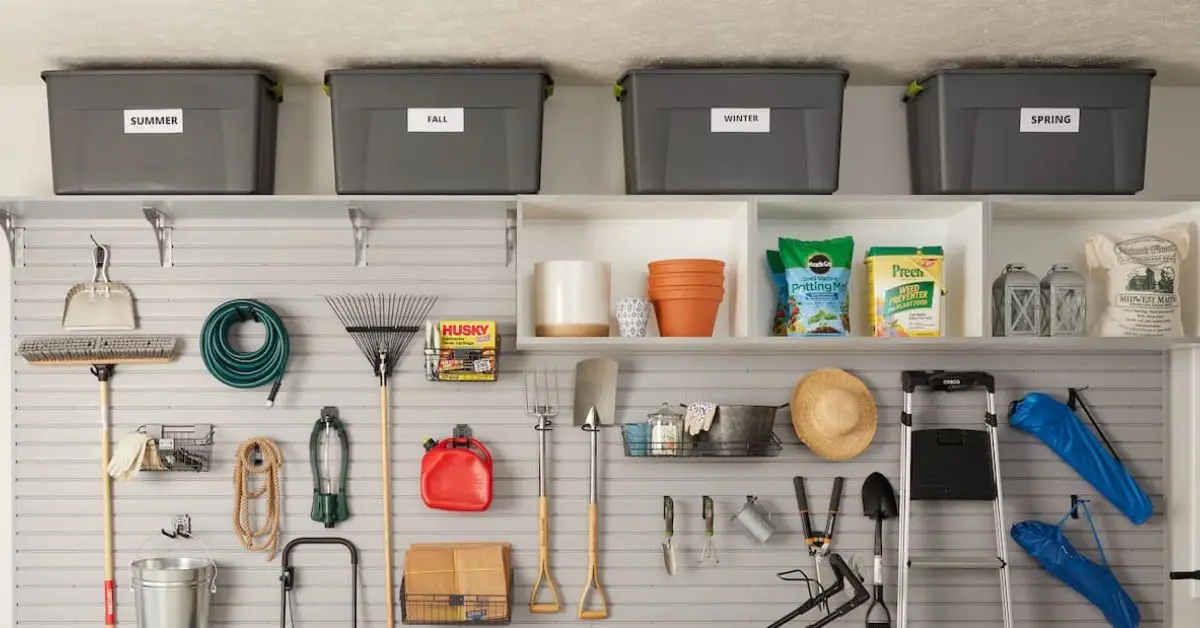
Garages can be unpredictable. I learned that seasonal tweaks make a big difference:
- Winter – Insulate cans in cardboard boxes or towels to avoid freezing. Even a partially full can can freeze and ruin the paint. So it helps to understand how an uninsulated garage can affect your storage—check out 5 ways your uninsulated garage could cost you big for more tips on protecting your space in winter.
- Summer – Keep paint out of direct sun and on shaded shelves. Warm air accelerates drying and separation.
- Extreme temps – If a heatwave or freeze is expected, I temporarily move cans to an interior closet or insulated box.
Experts agree—Rawlins Paints emphasizes protecting paint from freezing and extreme heat for consistent quality.
Smart Way 5 — Use Secondary Storage Tools (Paint Racks and Cabinets)
Finally, I’ve found that a small investment in organization tools pays off big:
- DIY shelving – Simple wood shelves or stackable bins keep cans upright and off the floor.
- Affordable racks – Paint-specific racks are inexpensive and reduce tipping risk.
- Elevate everything – I always keep cans at least a few inches off concrete to avoid moisture wicking.
Adding these tools creates a safer, more reliable storage system that keeps your paint usable and your garage clutter-free. If you want more ideas for clearing clutter and maximizing garage space, check out 8 easy DIY garage storage hacks to clear clutter fast.
Garage Mistakes That Ruin Paint (and How to Avoid Them)
I’ve made some of these mistakes myself, and I’ve seen plenty of friends do the same. Avoiding them can save you a lot of wasted paint and frustration:
- Storing cans directly on concrete – Moisture from the floor can rust lids and even contaminate the paint inside. I always elevate my cans a few inches to avoid this.
- Leaving lids loose – Even a tiny gap lets air and dust in, drying out the paint or creating a skin layer on top. I double-check every lid before storing.
- Storing in direct sunlight – UV and heat accelerate chemical breakdown. I keep my cans on a shaded or covered shelf for safety.
- Dumping old paint without testing – Just because a can looks old doesn’t mean it’s gone. Martha Stewart’s guide highlights how improper garage storage is a common cause of wasted paint and offers tips to avoid it.
Before you start reorganizing or converting your garage for storage, make sure you know the 10 must-know legal rules before converting your garage into a living space, so your paint storage plans stay safe and compliant
Recognizing these mistakes is the first step to keeping paint usable for years. I’ve even saved cans I thought were ruined just by fixing one or two of these storage errors.
How to Tell If Paint Is Still Usable
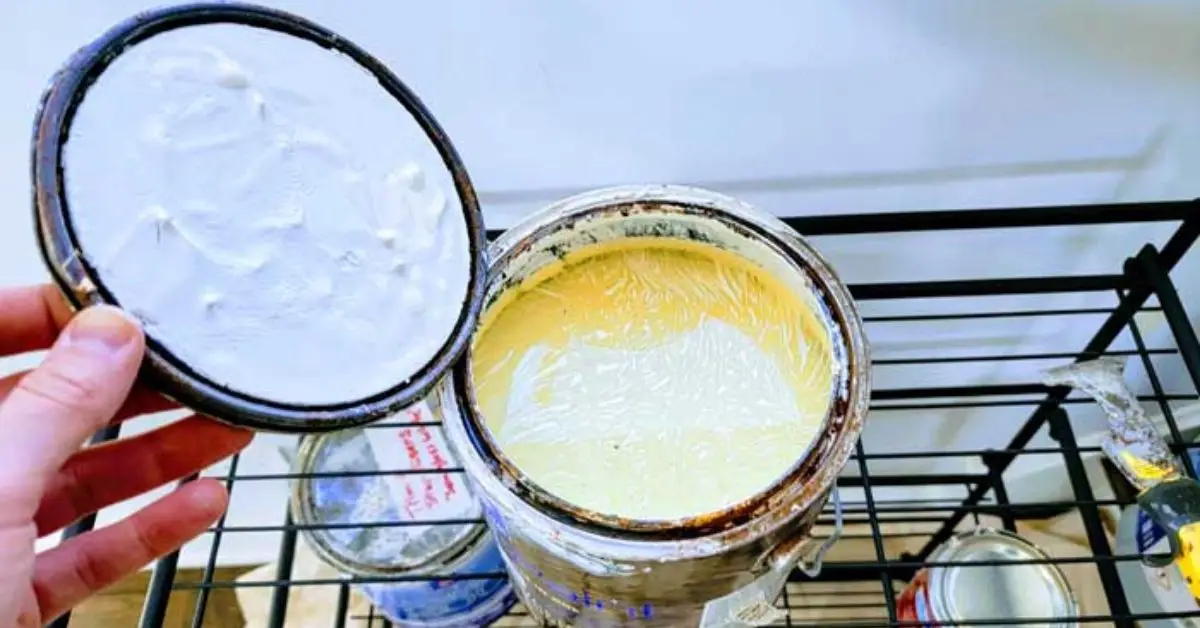
Even with perfect storage, it’s smart to check paint before using it. I always do these simple tests:
- Shake test – If it doesn’t mix back together smoothly, it might be past its prime.
- Smell test – A strong, sour, or chemical odor is a sign it’s no longer safe to use.
- Separation and remixing – Latex paints may separate slightly, which is normal. Stir thoroughly; if chunks remain, discard.
- Texture and color test – Apply a small patch on cardboard or a hidden area. If it spreads evenly and dries properly, it’s good to go.
These quick checks prevent surprises mid-project and give you confidence that your paint will perform as expected.
Wrap-Up: Keep Your Paint Ready for Any Project
After years of trial and error, I’ve learned that the right storage can make all the difference. Keep your paint in a temperature-controlled spot, seal cans tightly, organize by type, and adjust for seasonal extremes—these small steps save time, money, and frustration. Take a few minutes to set up your garage or storage area properly, and you’ll always have ready-to-use paint when inspiration strikes.
I’d love to hear from you—what storage hacks have worked in your garage? Share your tips in the comments below, or check out more practical DIY advice at Build Like New to keep every project running smoothly.
Disclaimer: The information in this article is for general guidance on storing paint safely. Results may vary based on paint type, climate, and storage conditions. Always follow manufacturer instructions on the paint can, and take proper safety precautions when handling or storing chemicals. Build Like New is not responsible for damage, injury, or paint spoilage resulting from storage decisions.