Spring Allergy Hotspots: 10 U.S. Cities With Severe Pollen and How to Block It at Home
Every year when spring gets closer, most people start thinking about sunshine, blooming flowers, and spending more time outside. But if you deal with seasonal allergies, the arrival of spring can feel very different. For many of us, it means weeks of sneezing, itchy eyes, headaches, and that constant feeling of congestion that just won’t go away.
I’ve noticed that many people assume allergies are simply part of the season. What they often don’t realize is that the city you live in can make your allergy symptoms much worse. Some places naturally produce far more pollen than others because of their climate, vegetation, and longer growing seasons.
That’s why certain cities across the United States experience much more intense allergy seasons every year. Warm temperatures, heavy humidity, and dense tree coverage can create the perfect environment for pollen to spread and linger in the air.
In fact, recent data looking at allergy patterns across major U.S. cities highlights several locations where residents struggle the most during spring. These places tend to see higher pollen exposure and longer allergy seasons, making everyday life tougher for people sensitive to environmental allergens.
The good news is that even if you live in one of these high-pollen areas, there are simple steps you can take to reduce exposure and keep your home more comfortable during allergy season.
Before we get into the cities that face the toughest allergy seasons, let me ask you something: have you ever wondered whether your location might be making your allergies worse without you realizing it?
What the Thumbtack City Allergies Report 2026 Reveals
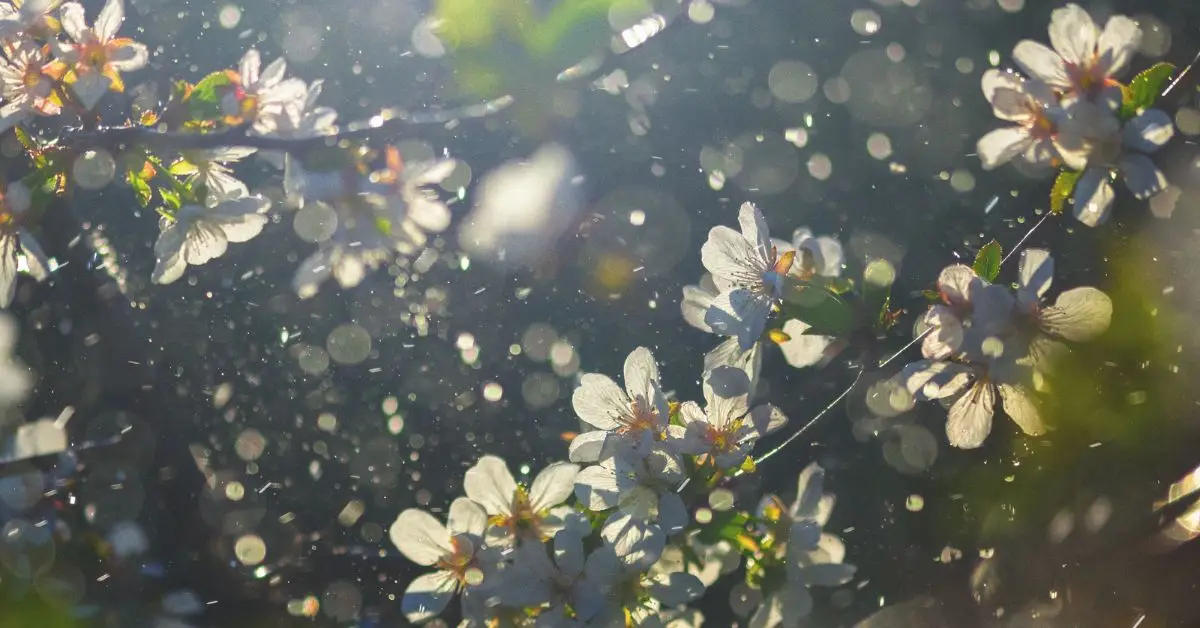
If you’ve ever felt like your allergies get worse depending on where you live, you’re probably right. Climate, trees, humidity, and even city landscaping can make allergy seasons far more intense in some places.
That’s exactly what the Thumbtack City Allergies Report 2026 tried to understand. Instead of focusing only on pollen measurements, the report looked at real homeowner behavior during allergy season. The insights were shared in Thumbtack’s report on the sneeziest cities in America.
How Thumbtack Identified the Most Allergy-Prone Cities
Thumbtack analyzed demand for home services that people typically book when allergies start getting difficult to manage indoors.
These services included:
- Air quality improvement services
- Pollen control around the home
- HVAC maintenance and filter replacement
- Duct and vent cleaning
When requests for these services increase across a city, it usually signals that pollen levels and indoor allergens are becoming a real problem for residents.
Why Home-Service Demand Reveals Allergy Trends
Think about what you do when allergies get bad. You start cleaning more, checking your air filters, and looking for ways to keep pollen from entering your home.
In cities where allergy seasons are especially tough, homeowners often:
- Upgrade air filtration systems
- Clean HVAC ducts and vents
- Seal doors and windows
- Schedule HVAC maintenance during peak pollen months
When thousands of households begin requesting these services at the same time, it becomes a strong indicator that the local allergy season is hitting harder than usual.
America’s “Sneeziest Cities” According to the Thumbtack Report
Based on this data, several U.S. cities stood out for experiencing particularly intense allergy seasons. Many of them are located in the Southeast, where humidity, dense tree coverage, and long growing seasons allow pollen to spread easily.
Here are the 10 cities where allergy sufferers may struggle the most:
1. Atlanta, Georgia
- Dense tree canopy
- Long growing seasons
- High humidity levels
2. Charlotte, North Carolina
3. Austin, Texas
4. Washington, D.C.
5. Dallas, Texas
6. Orlando, Florida
7. Tampa, Florida
8. Baltimore, Maryland
9. Raleigh, North Carolina
10. Seattle, Washington
If you spotted your city on this list, the next thing you’re probably wondering is simple: how do you actually keep pollen from taking over your home during allergy season?
The Environmental Factors Driving Severe Allergy Seasons

If you noticed something while looking at the list of allergy-heavy cities, you’re not alone. Many of them are located in the Southeastern United States. That’s not a coincidence.
The region has several environmental conditions that make pollen seasons stronger and longer. According to insights explained by the American College of Allergy, Asthma & Immunology, weather patterns and plant growth cycles play a huge role in how intense allergy seasons become.
High Humidity Encourages Pollen and Mold Growth
Humidity creates the perfect environment for allergens.
When moisture levels stay high:
- Plants release more pollen
- Mold spores grow faster
- Allergens stay suspended in the air longer
For someone with allergies, this means symptoms can feel stronger and last longer throughout the season.
Longer Growing Seasons Mean Longer Pollen Exposure
Warm climates allow plants to grow for more months each year.
That often leads to extended pollen cycles, such as:
- Tree pollen in early spring
- Grass pollen in late spring and summer
- Weed pollen later in the year
Instead of a short allergy window, people in these regions may experience symptoms for several months at a time.
Dense Vegetation and Tree Coverage
Many Southeastern cities are filled with parks, tree-lined neighborhoods, and dense vegetation.
While this greenery looks beautiful, it also produces large amounts of pollen from:
- Oak trees
- Pine trees
- Grass and weeds
The more vegetation a city has, the more pollen it releases into the air during peak seasons.
Weather Patterns That Spread Pollen Quickly
Wind and temperature swings can also make allergies worse.
Certain weather conditions can:
- Carry pollen across long distances
- Spread allergens rapidly across neighborhoods
- Keep pollen circulating in the air for longer periods
This combination of humidity, plant growth, and wind patterns helps explain why so many Southeastern cities dominate allergy rankings every year.
The Hidden Allergy Trigger in Damp Cities: Mold
Seattle might look surprising on the list at first. The city isn’t known for extreme pollen counts like some Southern locations.
But the local climate introduces a different allergy problem: moisture.
Early Spring Pollen
Even though the weather is cooler, Seattle still experiences a noticeable spike in tree pollen during early spring.
Many residents begin feeling allergy symptoms when trees start releasing pollen after the winter months.
Year-Round Mold Spores Due to Moisture
Seattle’s damp weather creates an environment where mold can grow easily.
Mold spores thrive in places such as:
- Wet soil and fallen leaves
- Damp outdoor surfaces
- Basements and poorly ventilated spaces
Because moisture is common throughout the year, mold spores can become a constant allergy trigger.
Why Mold Allergies Are Often Mistaken for Pollen Allergies
Many people assume their symptoms are caused only by pollen.
But mold allergies can produce very similar reactions, including:
- Sneezing and nasal congestion
- Itchy eyes
- Persistent sinus pressure
If symptoms continue even outside peak pollen months, mold could be part of the problem.
The Surprising Ways Allergens Sneak Indoors
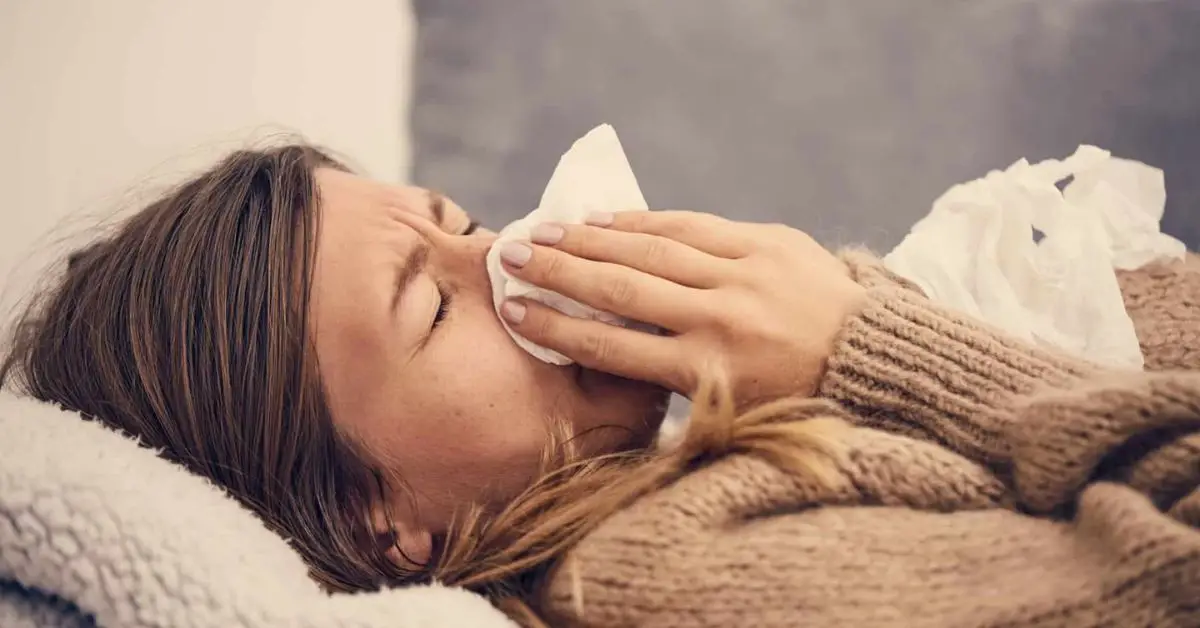
You might think pollen only affects you outdoors. In reality, a large portion of allergen exposure actually happens inside the home.
That’s because pollen particles easily travel indoors without you noticing.
Clothing and Shoes Carry Pollen Particles
After spending time outside, pollen can cling to:
- Jackets
- Pants
- Shoes
- Hair
When you walk inside your home, those tiny particles often come with you. This is especially common after travel or outdoor trips, which is why many homeowners follow routines like these 4 cleaning tasks to do after returning from vacation to stop dust and pollen from spreading inside the house.
Pets Bring Pollen in Their Fur
Dogs and cats that spend time outdoors can carry allergens back inside.
Pollen can stick to their:
- Fur
- Paws
- Collars
Even a quick walk outside can bring pollen into your living space.
Open Windows and Ventilation Gaps
Fresh air can feel nice during spring, but open windows also allow pollen to drift indoors.
Allergens can enter through:
- Open windows
- Door gaps
- Ventilation openings
Outdoor Yard Buildup That Spreads Indoors
Pollen doesn’t stay only on plants. It often collects on outdoor surfaces like:
- Patios
- Deck furniture
- Driveways and walkways
From there, it can easily be tracked indoors on shoes or blown inside through open spaces.
Once pollen enters your home, it can settle into carpets, furniture, and air ducts — which is why controlling indoor exposure becomes just as important as avoiding outdoor allergens.
Proven Home Strategies to Reduce Indoor Allergens
If you live in a city where pollen levels spike every spring, the goal isn’t just avoiding outdoor exposure. If you’re using a humidifier to make indoor air more comfortable during allergy season, it’s also important to know that certain additives can actually make things worse—here are 7 humidifier add-ins that could harm your health and what experts recommend avoiding. What really matters is keeping those allergens from taking over your home.
Over the years, I’ve noticed that small daily habits can make a surprisingly big difference. Here are four simple strategies that help reduce indoor pollen exposure.
1. Stop Bringing Pollen Inside
Most people don’t realize how easily pollen travels indoors. It sticks to clothes, shoes, hair, and even pet fur.
A few small habits can help prevent that:
- Remove your shoes immediately after entering the house
- Change clothes after spending time outdoors
- Shower to rinse pollen from your hair and skin
- Bathe pets regularly, especially if they spend time outside
When you build this routine, you dramatically reduce how much pollen ends up inside your living space.
2. Seal Doors and Windows
Even tiny openings around doors and windows can allow pollen to drift inside.
Take a few minutes to check for gaps and make small fixes like:
- Inspecting and replacing weather stripping
- Keeping windows closed on high-pollen days
- Sealing small gaps around window and door frames
These small adjustments can make your home far more resistant to airborne allergens.
3. Maintain Your Outdoor Spaces
Your yard can actually become a major source of pollen exposure if it isn’t maintained regularly.
Keeping outdoor areas tidy helps limit the buildup of allergens around your home:
- Trim trees and hedges regularly
- Mow the lawn before grass pollen spreads
- Rinse patios, decks, and outdoor furniture
When pollen piles up outside your home, it eventually finds its way indoors. Managing your yard helps reduce that cycle.
4. Improve Indoor Air Quality
Once pollen enters your house, it tends to settle into carpets, fabrics, and air systems.
Because allergens easily settle into bedding and soft fabrics, following simple routines like these 10 winter bedding care hacks everyone should know can help reduce dust, pollen, and other irritants inside your home.
That’s why indoor air maintenance is so important. Some helpful steps include:
- Vacuum carpets and rugs frequently
- Clean upholstered furniture
- Replace HVAC filters regularly
- Schedule duct cleaning when necessary
These steps help remove allergens that would otherwise keep circulating through your home.
Simple Ways to Monitor Daily Pollen Counts
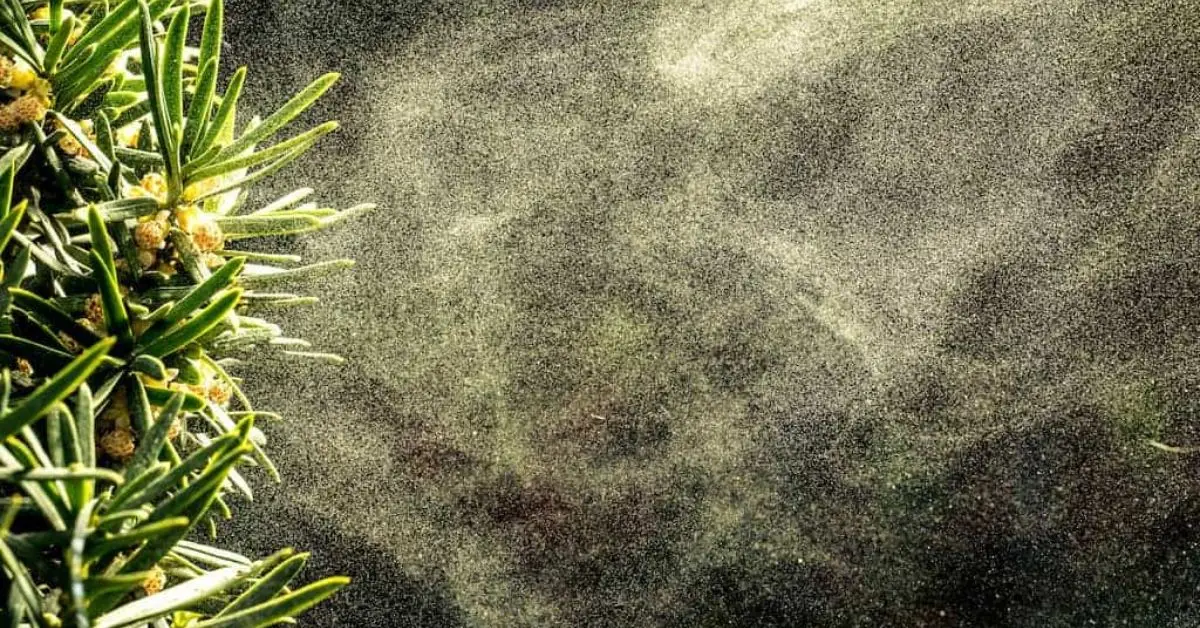
Before heading outside, it helps to know what pollen levels look like for the day. Even small changes in weather can cause pollen counts to rise quickly.
One simple habit I recommend is checking pollen forecasts before planning outdoor activities. Websites like the daily pollen tracker on Pollen.com allow you to see local pollen levels and allergy forecasts.
You can also monitor conditions through:
- Weather apps that include pollen tracking
- Allergy forecast websites
- Local health or environmental alerts
When pollen counts are extremely high, limiting outdoor exposure during peak hours can make a noticeable difference in how you feel.
How Travelers Can Prepare for High-Pollen Destinations
If you’re planning to visit one of the cities known for intense allergy seasons, preparation can make the trip much easier.
Before traveling, it’s smart to:
- Check pollen counts for your destination
- Pack allergy medications or antihistamines
- Limit outdoor activities during peak pollen hours
Many people forget that allergy triggers can change depending on location. Taking a few precautions before your trip can help you avoid turning a relaxing visit into a week of sneezing and congestion.
If you travel often during spring, one habit I recommend is simply checking pollen levels the same way you check the weather forecast. It only takes a minute, but it can save you a lot of discomfort.
Key Takeaways for Allergy Season 2026
If there’s one thing I want you to remember from this guide, it’s that allergy season isn’t just about pollen in the air — it’s also about how your environment and home habits influence your exposure.
Here are a few important takeaways to keep in mind for 2026:
- Southeastern cities dominate allergy rankings because warm temperatures and dense vegetation create ideal pollen conditions.
- Humidity and longer growing seasons allow pollen and mold to stay active for extended periods.
- Home maintenance and air filtration can significantly reduce the amount of allergens circulating indoors.
- Monitoring daily pollen forecasts helps you plan outdoor activities and limit exposure during peak allergy days.
Even if you live in one of the cities with the toughest allergy seasons, small changes in your daily routine and home maintenance can make a noticeable difference in how you feel.
I’m curious to hear from you — how bad is allergy season where you live? Do you have any tricks that help you manage pollen at home? Share your experience in the comments so others can learn from it too.
And if you enjoy practical home tips like these, you can explore more guides and maintenance ideas on Build Like New, where we regularly share simple ways to keep your home healthier, cleaner, and easier to manage year-round.
Disclaimer: This article is for informational purposes only and should not be considered medical advice. Allergy symptoms and treatments can vary, so consult a qualified healthcare professional for diagnosis or treatment if you experience persistent or severe symptoms.