Painting Mistakes to Avoid: 5 Household Items You Should Never Paint
Painting is one of the easiest ways to change how a home looks. I’ve seen people refresh an entire room over a weekend just by opening a can of paint. Because of that, many homeowners start believing that if something looks old, dull, or worn out, painting it will fix the problem. If you’re planning a painting project, it’s also worth knowing that some areas actually benefit from the right paint choices. For example, there are unexpected places you can paint to instantly upgrade your home that many homeowners overlook.
But that isn’t always true.
Some things in your house should never be painted, no matter how tempting it feels. A quick coat might make them look better for a few days, but it can also create problems you didn’t expect. Paint can block moving parts, damage certain materials, or stop important items from working the way they’re supposed to.
What looks like a simple DIY upgrade can slowly turn into a frustrating issue—sticking doors, malfunctioning fixtures, or surfaces that start peeling and breaking down much faster than they should.
The problem is that many homeowners don’t realize these risks until after the damage is already done.
Before you pick up a brush for your next project, it helps to know which items should always stay paint-free and why. In the sections ahead, I’ll walk you through five common things in your house that you should never paint—and the serious problems they can cause if you do.
Why Knowing Things You Shouldn’t Paint Matters
When you start a DIY painting project, it’s easy to think a fresh coat will improve anything in the house. I’ve seen many homeowners paint fixtures, hardware, and surfaces just to make everything look uniform.
But the truth is, some items are not meant to be painted at all.
Painting the wrong surfaces can create problems you don’t expect. Paint can block moving parts, damage certain materials, or even interfere with safety features in your home.
Some common issues include:
- Moving parts getting stuck after paint dries
- Peeling or cracking paint on materials that don’t hold it well
- Reduced lifespan of fixtures or appliances
- Safety concerns if paint blocks vents or sensors
Another mistake people make is using exterior paint indoors. Exterior paint is designed for outdoor conditions and may release stronger fumes inside. A professional guide from Wheel of Color, Inc. explains why exterior paint isn’t ideal for indoor spaces.
Once you know which things should stay paint-free, you can avoid costly repairs and frustrating DIY mistakes.
Item 1: Electrical Outlets, Switch Plates, and Safety Fixtures
When painting a room, many people simply paint around outlets and switches—or worse, paint right over them.
I’ve seen this happen with outlet covers, light switches, smoke detectors, and carbon monoxide alarms.
The problem is that these aren’t just decorative pieces. They are important safety fixtures, and paint can interfere with how they work.
Common issues include:
- Paint entering outlet openings
- Switches becoming sticky or hard to press
- Smoke or CO detectors getting partially blocked
- Heat buildup around electrical parts
Why Outlets and Safety Alarms Must Stay Paint-Free
Electrical fixtures need to stay clean and unobstructed. Even a thin paint layer can block small vents or sensors and reduce their effectiveness.
How Professional Painters Handle These Areas
Instead of painting over them, professionals usually:
- Remove outlet and switch covers
- Use painter’s tape around electrical areas
- Reinstall covers after the paint dries
It takes only a few minutes but prevents safety risks and future electrical issues.
Item 2: Moving Parts — Door Hardware, Hinges, and Window Tracks
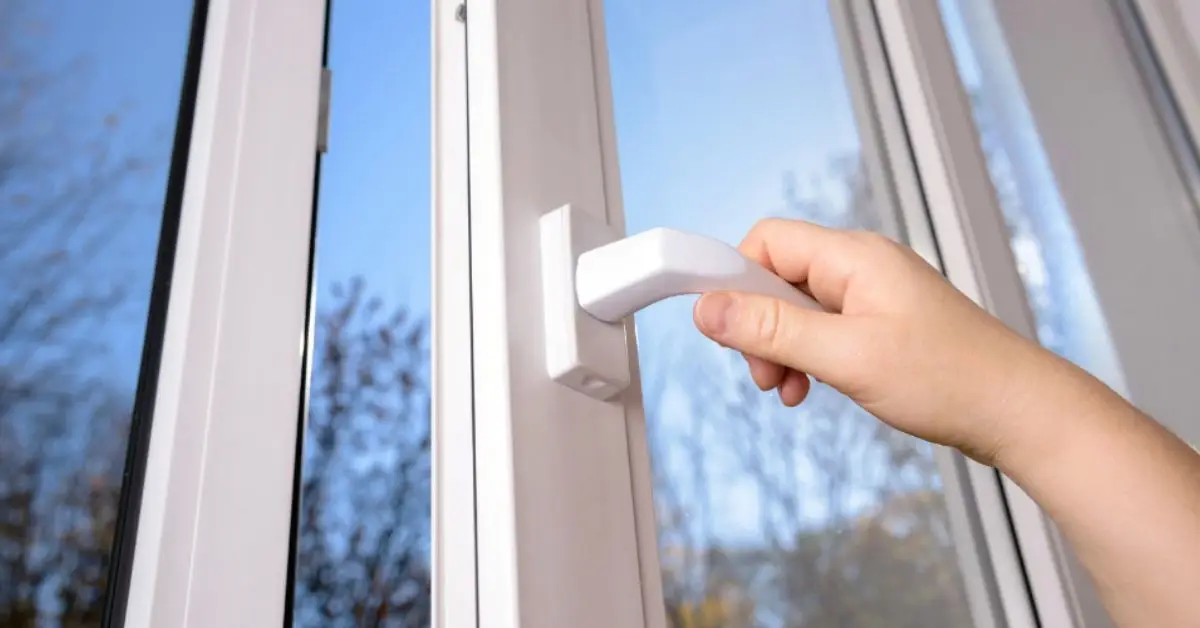
When people repaint doors or window frames, they often brush right over the hinges, handles, and tracks. I’ve seen this mistake in many homes, and it almost always causes problems later.
These parts are designed to move smoothly, but paint can easily seep into the tiny gaps and grooves. Once it dries, the hardware starts sticking, squeaking, or resisting movement.
This is especially common with window tracks, which many guides rarely talk about. When paint builds up inside the track, windows stop sliding properly and sometimes get completely stuck.
How Paint Disrupts Moving Hardware
Even a small amount of paint can affect how mechanical parts work. Over time, it may cause:
- Door hinges to stiffen or squeak
- Window tracks to become sticky or blocked
- Handles and locks to stop moving smoothly
- Paint cracking and flaking around moving areas
Because these parts constantly move, the paint layer usually breaks down quickly, leaving a messy and uneven surface.
Alternatives: Hardware Replacement vs Painting
Instead of painting hardware, there are better ways to refresh the look.
You can:
- Replace old hinges or handles with modern finishes
- Clean and polish existing hardware
- Use spray finishes designed for metal hardware if refinishing is necessary
These options keep the hardware functional while still improving the appearance.
Item 3: High-Use Surfaces — Kitchen Countertops and Floors
Countertops and floors deal with constant contact, moisture, and heat every single day. Because of that, regular wall paint rarely lasts long on these surfaces.
I’ve seen homeowners paint countertops or floors hoping for a quick upgrade, but the finish often starts wearing down within months.
High-traffic surfaces usually experience:
- Heavy foot traffic
- Frequent cleaning and moisture exposure
- Heat from cooking appliances
- Constant friction from daily use
Because of this, paint tends to peel, chip, or trap moisture underneath. Paint choices can cause problems in other parts of the house too. For example, some homeowners accidentally damage their home’s exterior look by choosing the wrong porch colors, which we explained in this guide on porch paint shades that could ruin your curb appeal.
Many professional painters also point out that painted floors often require constant touch-ups. A renovation guide from We Paint & Renovate explains why many high-traffic surfaces are poor candidates for standard paint.
Countertops: Health and Wear Downsides
Kitchen countertops face heat, spills, and food preparation every day. Painted surfaces may:
- Scratch easily from utensils
- Wear down from constant cleaning
- Absorb stains or moisture
Some professionals even discourage DIY countertop paint kits because they often require frequent refinishing.
Floors: Durability Issues and Safer Options
Floors experience the most physical stress in a home. Regular paint can:
- Chip under foot traffic
- Peel in humid areas
- Create uneven or slippery surfaces
Better alternatives include:
- Durable floor coatings designed for traffic
- Vinyl, laminate, or tile upgrades
- Professional refinishing for wood floors
Many refinishing professionals even mention that high-traffic painted surfaces need constant maintenance, which defeats the purpose of a quick DIY upgrade.
Item 4: Appliances and Plastic Fixtures
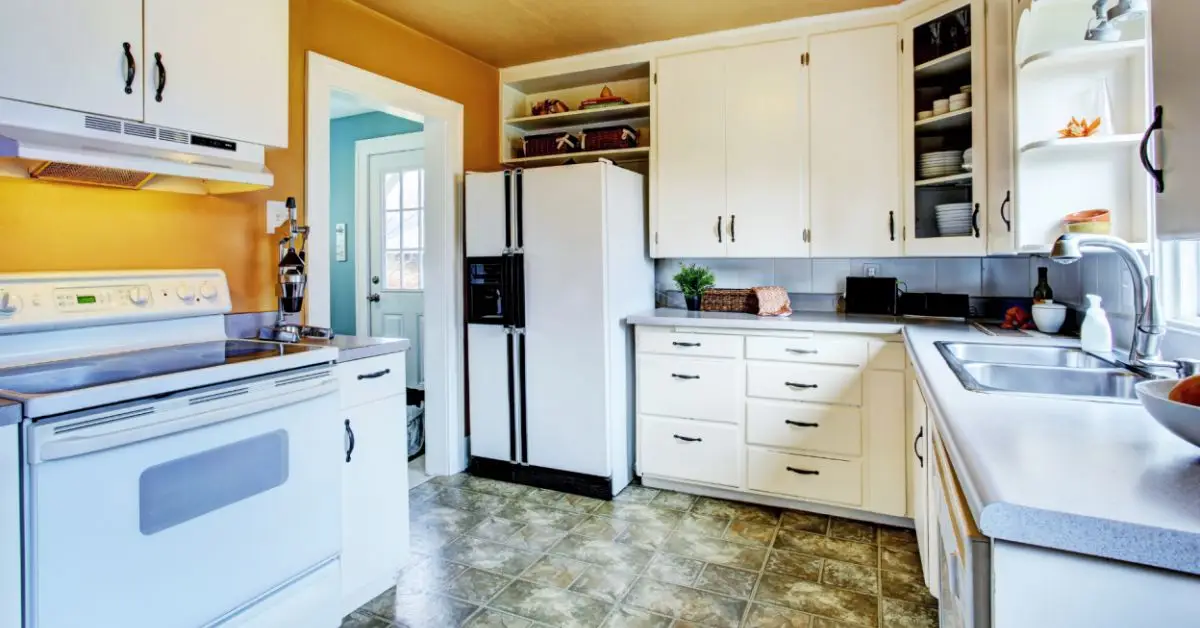
It might seem harmless to paint an old appliance or plastic fixture just to make it match the room. I’ve seen people do this with refrigerators, fans, plastic light covers, and even small kitchen appliances.
But these items are built to handle heat, airflow, and electrical components. Adding paint can interfere with how they function.
In some cases, it can even create safety risks.
Electrical Hazard Risks
Appliances rely on proper airflow and heat control. Paint can sometimes block small vents or coat surfaces that were designed to release heat.
This can lead to problems like:
- Heat getting trapped around the appliance
- Electrical components overheating
- Reduced efficiency of cooling or ventilation systems
Plastic and Moving Component Problems
Plastic fixtures may look like easy paint targets, but the results rarely last.
Paint tends to struggle on plastic surfaces because they expand, contract, and flex with temperature changes.
Common issues include:
- Paint turning yellow over time
- Cracking or peeling on plastic surfaces
- Fan blades losing balance if coated unevenly
These problems can turn a simple cosmetic change into a functional issue.
Item 5: Antique, Sentimental, or Heirloom Pieces
I understand the urge to modernize old furniture or decor. Sometimes a vintage piece looks outdated, and painting it seems like the fastest way to refresh it.
But when it comes to antiques or sentimental items, painting can permanently remove their original character and value.
Once the original finish is covered, it’s often very difficult—or impossible—to restore.
What Makes Antiques Different
Antique furniture and heirloom items often carry value because of their original finish, craftsmanship, and age.
Painting them can:
- Destroy the original patina
- Reduce collectible value
- Erase historical details or materials
Many restoration specialists recommend preserving the original surface whenever possible. Design experts also note that repainting antique pieces can significantly reduce their value, something discussed in home design guidance from Ideal Home.
Better Alternatives: Restoration and Conservation
If an antique piece looks worn or damaged, painting isn’t the only option.
Better solutions include:
- Professional restoration to repair the original finish
- Gentle cleaning and polishing
- Conservation techniques that protect the piece without altering it
Many restoration professionals suggest preserving the original character rather than covering it with paint. In fact, some collectors say the age and imperfections of an item are exactly what make it valuable.
Bonus: Painting Exterior vs Interior — Why Using Exterior Paint Inside Is a Problem
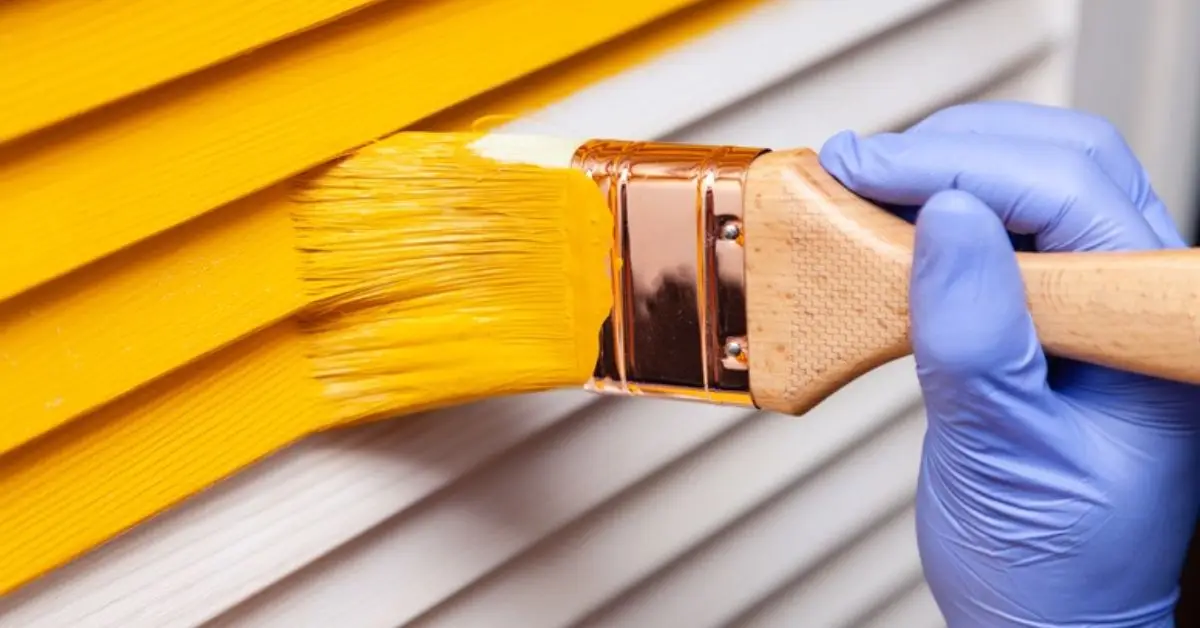
I’ve noticed many homeowners assume exterior paint is simply a stronger version of interior paint. So they use leftover exterior paint indoors, thinking it will last longer.
But exterior paint is formulated for weather, sunlight, and temperature changes, not for indoor air environments. When used inside, it can create issues that most people don’t expect.
VOCs and Indoor Air Quality
Exterior paint often contains stronger chemicals designed to handle outdoor conditions. Indoors, those chemicals can release fumes for a long time.
This process, called off-gassing, may lead to:
- Strong paint odors that linger for weeks
- Poor indoor air quality in closed rooms
- Headaches or irritation for sensitive individuals
Many homeowners online have shared similar experiences. In one Reddit discussion, users reported that using exterior paint indoors caused strong smells that lasted far longer than typical interior paint, making the room uncomfortable for days or even weeks.
Peeling and Poor Adhesion Risks Indoors
Another issue is how exterior paint behaves on indoor surfaces. Since it’s designed to expand and contract outdoors, it may not bond well with indoor materials.
That can lead to problems like:
- Peeling paint on interior walls
- Uneven or sticky finishes
- Paint that takes longer to fully cure
Because of these differences, professionals generally recommend using paint designed specifically for interior spaces.
Practical Alternatives to Painting These Items
If you want to refresh parts of your home, painting isn’t always the best option. I usually recommend looking at solutions that improve the appearance without damaging the original function of the item.
Hardware Upgrades
Small hardware changes can instantly update a space.
For example:
- Replace old door handles or hinges with modern finishes
- Install new cabinet knobs or pulls
- Swap outdated light fixtures for newer styles
These upgrades often make a bigger visual impact than painting.
Professional Refinishing Tips
Some surfaces simply need the right treatment instead of paint.
Professionals often recommend:
- Refinishing wood furniture instead of painting it
- Restoring antique pieces to keep their original value
- Using specialty coatings designed for specific materials
This keeps the item functional while still improving its appearance.
Peel-and-Stick and Other Decor Solutions
If you’re aiming for a quick makeover, there are safer alternatives.
You could try:
- Peel-and-stick backsplash tiles
- Decorative adhesive films for cabinets
- Removable wallpaper or wall panels
These options refresh a space without permanently altering fixtures or materials.
Common DIY Painting Pitfalls That Lead People to Paint the Wrong Things
Most painting mistakes don’t happen because people are careless. They usually happen because homeowners simply don’t realize certain items shouldn’t be painted at all.
I’ve seen a few common patterns behind these mistakes.
Not Prepping Correctly
Sometimes people skip preparation and paint directly over hardware or fixtures instead of removing them first.
That often leads to:
- Paint covering hinges or outlet plates
- Paint getting into small mechanical parts
- Uneven finishes around fixtures
Misunderstanding Paint Types
Different paints are designed for different environments. Another mistake many DIYers make is storing leftover paint the wrong way, which can ruin the paint before the next project. If you keep paint in your garage or storage space, this guide explains smart ways to store paint without ruining it.
Using the wrong type—like exterior paint indoors or wall paint on high-traffic surfaces—can cause:
- Peeling and cracking
- Strong lingering odors
- Surfaces wearing down quickly
When to Call a Professional
If a project involves:
- Electrical fixtures
- Antique furniture
- Appliances or complex materials
It’s usually safer to get advice from a professional before painting.
A quick consultation can prevent expensive mistakes later.
Takeaways: What Never to Paint and Why
Before painting anything in your home, it helps to remember a simple rule: not every surface is meant to be painted.
From electrical fixtures to moving hardware and valuable heirlooms, some items need to stay paint-free to protect their function, safety, or value.
Knowing what to avoid can help you:
- Prevent damage to appliances and fixtures
- Avoid costly repairs or replacements
- Protect valuable or sentimental items
- Keep your home safe and functional
Small DIY choices can make a big difference over time.
If you enjoy practical home improvement tips like this, you can explore more guides and ideas on Build Like New, where we share smart ways to upgrade your home without costly mistakes.
And I’m curious about your experience.
Have you ever painted something in your house and later realized it was a mistake?
Share your story in the comments—your experience might help another homeowner avoid the same problem.
Disclaimer: This article is for informational purposes only and reflects general home improvement guidance. Always consult a qualified professional or technician before making changes to electrical fixtures, appliances, or valuable items in your home.