5 Hidden Areas You Can Paint to Completely Refresh Your Space
You know, we often think of painting as just covering the walls. But what if I told you that some of the most impactful transformations in a home don’t even touch your walls at all? I’ve spent years helping people rethink their spaces, and the spots you’d never expect to paint—like staircases, trim, or even hidden corners—can completely change how a room feels. In this article, I want to show you five surprising places you can paint that will instantly upgrade your home, along with practical tips so you don’t just imagine it—you can actually do it.
By the end, you’ll see your home differently, and I promise, these aren’t the usual, “slap a color on a wall” suggestions. Let’s dive in and uncover the areas that make the biggest impact with the smallest effort.
What “Unexpected Spots You Can Paint” Really Means
When I say “unexpected spots,” I’m not talking about your usual walls or ceilings. I mean those hidden or overlooked corners of your home that most people pass by without a second thought—but that can make a huge difference when you give them color.
It’s a mindset shift. Instead of asking, “Where should I paint?” ask, “Which overlooked spots could suddenly feel intentional and styled?” These are the areas that let you experiment, surprise yourself, and inject personality into your home without committing to a full-room overhaul. Just like certain porch colors can completely change your home’s curb appeal, painting overlooked interior spots can dramatically shift how you experience your space.
Think beyond the walls. Think stair risers, door trims, cabinet interiors, and the backs of furniture. When you start seeing your home this way, you’ll realize how many opportunities there are to create impact with just a brush and a splash of paint.
Spot #1 — Staircase: Transforming a Transitional Area
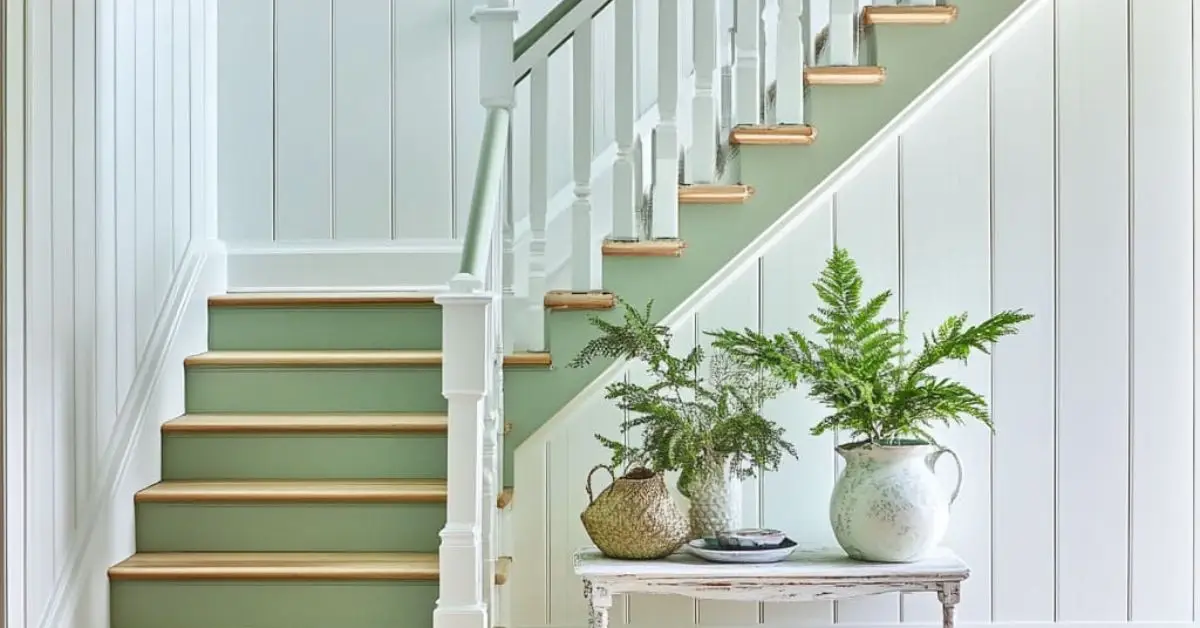
Staircases are more than a way to get from one floor to another—they’re a chance to make a statement. I’ve seen homes where painting the stairs completely changes the flow and feel of a space.
Here’s why it works:
- Why staircases amplify impact
- Every step guides the eye upward. A painted staircase can create movement, rhythm, and even make the space feel taller or cozier depending on the color.
- Using a bold hue or a subtle gradient draws attention without overwhelming the room.
- Two-tone vs. riser painting
- You can paint the risers a contrasting color to the treads for a graphic effect.
- Or keep the treads natural and only paint the risers to highlight vertical movement.
- Both approaches turn a functional structure into a visual centerpiece.
- Painter tips to avoid drips and imbalance
- Use painter’s tape carefully along edges to keep lines crisp.
- Consider a satin or semi-gloss finish for durability and easy cleaning.
- If you’re nervous about committing, try a tester stripe first—it helps you see how light and shadow interact with color.
If you want more inspiration and real examples of creative staircase painting, I found Real Simple’s guide on surprising spots you can paint really helpful—they showcase a few bold and tasteful options that might spark ideas.
Spot #2 — Window Frames and Trim: Framing Your Home’s Character
I’ve noticed that window frames and trim often get overlooked, even though they’re constantly in your line of sight. Painting them can add definition, make your windows pop, and subtly influence the mood of a room.
Here’s how I approach it:
- Architectural clarity
- Trim can highlight room structure, making walls and furniture look more intentional.
- A contrasting color adds depth without taking over the room.
- Color psychology and light
- Light-colored trims can open up a dark space.
- Dark trims can make bright rooms feel cozy and grounded.
- Quick tips
- Use a semi-gloss for durability and easy cleaning.
- Keep a consistent trim color across rooms to maintain flow.
For practical inspiration and examples of trim and casing transformations, I often refer to J&S Painting Plus’s guide on surprising surfaces to paint—they show how even small changes can make a big visual impact.
Spot #3 — Interior Doors and Cabinet Interiors: Personality in Unexpected Places
Doors and cabinets are touchpoints you interact with daily. Painting them can completely redefine the way you experience a room, especially when you choose unexpected colors.
Here’s what I keep in mind:
- Doors as circulation guides
- A bold door color can act like a signpost, directing movement and drawing attention.
- Even subtle shades add sophistication and tie your home’s color story together.
- Cabinet interiors for surprise and delight
- Painting the inside of cabinets or drawers gives a pop of color that’s revealed only when opened.
- It creates playful moments and depth in otherwise hidden spaces.
- Practical tips
- Use durable paint that handles frequent opening and closing.
- Test color samples inside and outside the cabinet—they can look very different under varying light.
For guidance on how cabinet color transforms mood and depth, Ideal Home’s feature on overlooked painting spots has excellent visuals and tips.
Spot #4 — Behind Furniture & Hidden Corners: Rediscover Forgotten Spaces
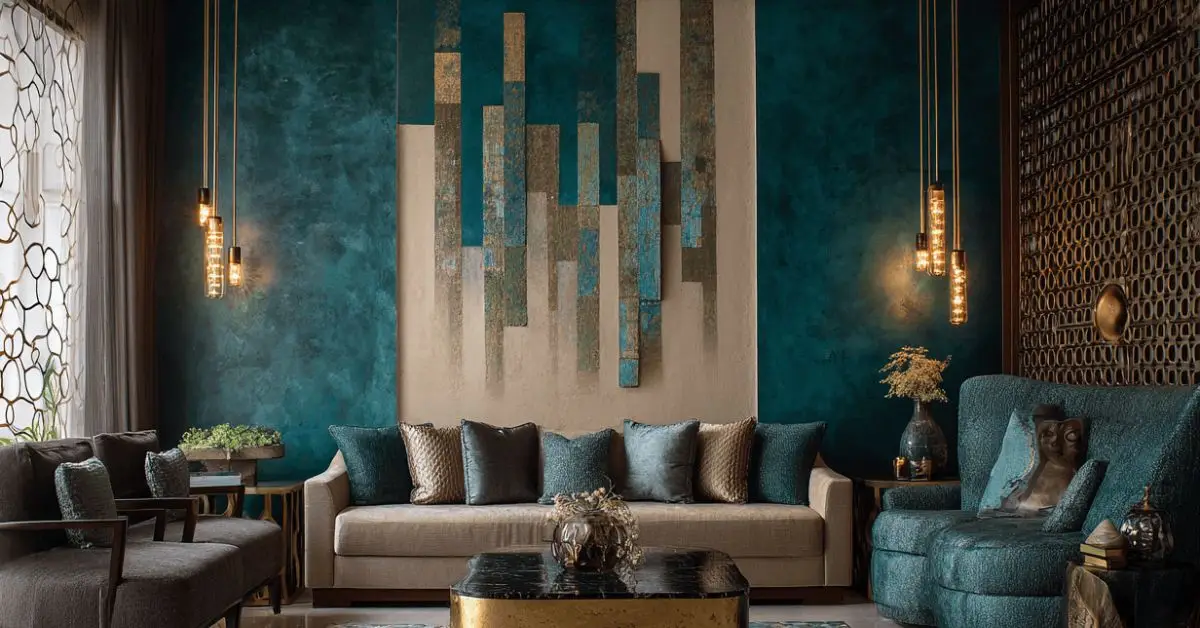
Some of the most striking transformations happen in places you rarely see—behind couches, in reading nooks, or even pantry interiors. I’ve painted these spots in client homes and been amazed at how a simple color choice can make these overlooked areas feel intentional. And if you’ve ever wondered how to reach tricky hidden areas, like behind a toilet, there are simple step-by-step approaches to make it easy and stress-free.
Here’s my approach:
- Behind couches
- Paint a bold accent wall or a hidden stripe that shows when furniture is moved.
- It adds drama without dominating the room.
- Reading nooks
- A cozy corner deserves a color that invites you to linger.
- Lighter shades expand the space; warmer tones make it intimate.
- Pantry interiors
- Even a small pop of color inside a pantry can make daily routines feel a little more joyful.
- Helps small spaces feel curated rather than cluttered.
Spot #5 — Ceiling: The Fifth Wall
Ceilings are often the most neglected surface in a room, but I’ve learned they’re a secret opportunity to make a big statement. Painting your ceiling doesn’t just add color—it can completely transform the feeling of a space.
Here’s how I approach it:
- Patterns and gradients
- A subtle gradient can give the illusion of height or depth.
- Geometric patterns create a sense of movement and interest without overwhelming the room.
- Thematic designs
- Think sky motifs for a calming bedroom or soft abstract shapes for a living area.
- Ceilings can also echo accent colors elsewhere, tying the whole room together.
- Practical tips
- Choose a finish that reflects light appropriately—matte for subtlety, satin for a touch of shine.
- Keep scale in mind: smaller rooms benefit from lighter shades; larger rooms can handle bolder statements.
Treat your ceiling as a canvas—it’s a chance to surprise yourself and anyone who enters the room.
Bonus Ideas — Unexpected Surfaces Worth Painting
I always like to add a few bonus ideas for those who want to push creativity further. These are surfaces most people ignore but that can elevate your home instantly.
- Radiators & baseboard heaters
- Painting them the same color as your walls helps them blend in.
- Or use a contrasting color to make functional elements feel intentional.
- Fireplace mantel & built-ins
- Adding color here anchors the visual hierarchy of a room.
- It draws the eye naturally and creates a sense of curated design.
- Floor accents or faux tile painting
- Shape zones in open spaces or add personality on a budget.
- Painted patterns can mimic tiles or rugs, creating a layered look without permanent changes.
These bonus surfaces are exactly the kind of overlooked opportunities I’ve seen most competitors miss. For even more inspiration, check out six hidden items in your home you can paint for an instant makeover—it’s amazing what a little color can do. Tackling them lets you go beyond the obvious and really show your personal style.
How to Prep and Execute Safely (Quick DIY vs Pro)
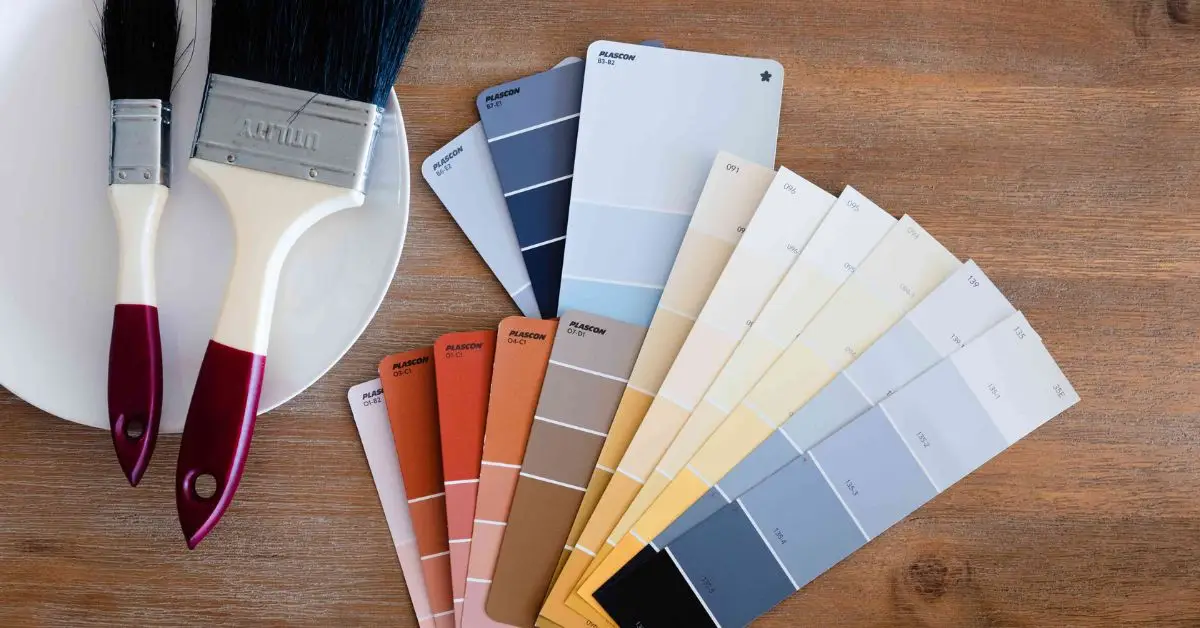
I know the idea of painting unexpected spots can feel intimidating, but with the right prep, it doesn’t have to be. Whether you’re a DIY enthusiast or thinking of hiring a pro, a little planning goes a long way.
- Choose the right paint and finish
- High-traffic areas like doors or stair risers do well with semi-gloss or satin finishes.
- Hidden spots like cabinet interiors can handle matte or eggshell finishes for a subtle effect.
- Surface preparation
- Clean thoroughly to remove dust and grease.
- Light sanding helps paint adhere, especially on trim, metal radiators, or previously painted surfaces.
- Safety first
- Use painter’s tape for crisp edges.
- Protect floors and furniture with drop cloths.
- Ventilate spaces when working with strong paints or primers.
- DIY vs Pro
- Small, low-risk spots like window trim or behind furniture? You can handle these yourself.
- Larger, tricky surfaces like ceilings with patterns or staircases with intricate details? A pro might save time and frustration.
Common Mistakes to Avoid
I’ve seen so many homeowners get excited, only to feel frustrated midway. Here’s how to dodge common pitfalls:
- Bleeding edges – Not taping carefully can ruin crisp lines.
- Unbalanced color schemes – A bold accent works best when balanced with neutral tones elsewhere.
- Ignoring lighting – Natural and artificial light changes how paint looks; always test samples in multiple lighting conditions.
- Skipping prep – Paint won’t stick or last long on dusty, greasy, or rough surfaces.
By keeping these in mind, you’ll save time, money, and stress—and end up with a home that feels polished and intentional.
Final Takeaways — Design With Intention
Here’s what I want you to remember: painting isn’t just decoration—it’s a way to influence mood, define space, and highlight what matters in your home. Every unexpected spot you paint is a small design statement that says, I care about this space.
- Use color to create flow and contrast.
- Think beyond walls—look at ceilings, corners, furniture, and cabinets.
- Plan your projects strategically, balancing bold choices with subtle touches.
If you try any of these ideas, I’d love to hear about it! Share your before-and-after experiences in the comments. And if you want more practical inspiration and tips for refreshing your home, check out Build Like New—we cover hands-on advice for every space in your house.
Disclaimer: The tips and ideas shared in this article are for informational purposes only. Always follow safety guidelines and consult a professional for complex or high-risk painting projects. Results may vary depending on your home’s materials and conditions.