14 Essential Oils That Work as Natural Ant Repellents
I’ve spent more time than I care to admit chasing ants out of my kitchen, and I’ve tried everything from sprays to traps. But here’s the thing: the chemical stuff works, sure—but it doesn’t feel safe around kids or pets. That’s when I started looking into essential oils.
Essential oils aren’t magic bullets, but they do something chemicals can’t—they disrupt ants’ navigation naturally. Ants rely heavily on scent trails to find food, so a strong aroma like peppermint, cinnamon, or citrus can throw them off completely. The best part? You can control where and how you use it, keeping your home safe while nudging those little invaders out.
In this article, I want to show you 14 essential oils that actually work against ants, explain why they work, and give practical tips on using them safely. By the end, you’ll have a toolkit for keeping ants away without relying on harsh chemicals—and maybe even feel a little smug when you see them retreat.
How Essential Oils Affect Ant Behavior
When I first started experimenting with essential oils, I realized it wasn’t enough to just sprinkle them around and hope for the best. To really get results, you need to understand how ants think—or at least how they navigate your home.
Ants rely heavily on pheromone trails. These invisible scent lines guide them from their nest to food sources and back. If those trails are masked, confused, or interrupted, ants get lost, frustrated, and often turn back. That’s where essential oils come in.
Here’s what I’ve learned works best:
- Masking their trails: Oils with strong scents like peppermint or lemon can completely overwhelm the chemical cues ants leave behind.
- Disrupting communication: Certain compounds, like cinnamaldehyde in cinnamon or menthol in peppermint, interfere with the signals ants use to communicate.
- Direct irritation: In higher concentrations, some oils can actually irritate or repel ants enough to make them avoid an area entirely.
I found a really useful resource from Edens Garden on the best essential oils to repel ants that breaks down which oils contain these active compounds and why they work. It helped me understand which ones are worth trying first in your home.
Once you grasp this, using essential oils stops being guesswork—you’re not just sprinkling scents; you’re actively interfering with how ants navigate and communicate. For extra tips on preventing ants during colder months, check out these natural ways to stop ants in winter. And trust me, that knowledge makes the next section on the specific oils far more powerful and credible.
Essential Oils That Repel (or Kill) Ants
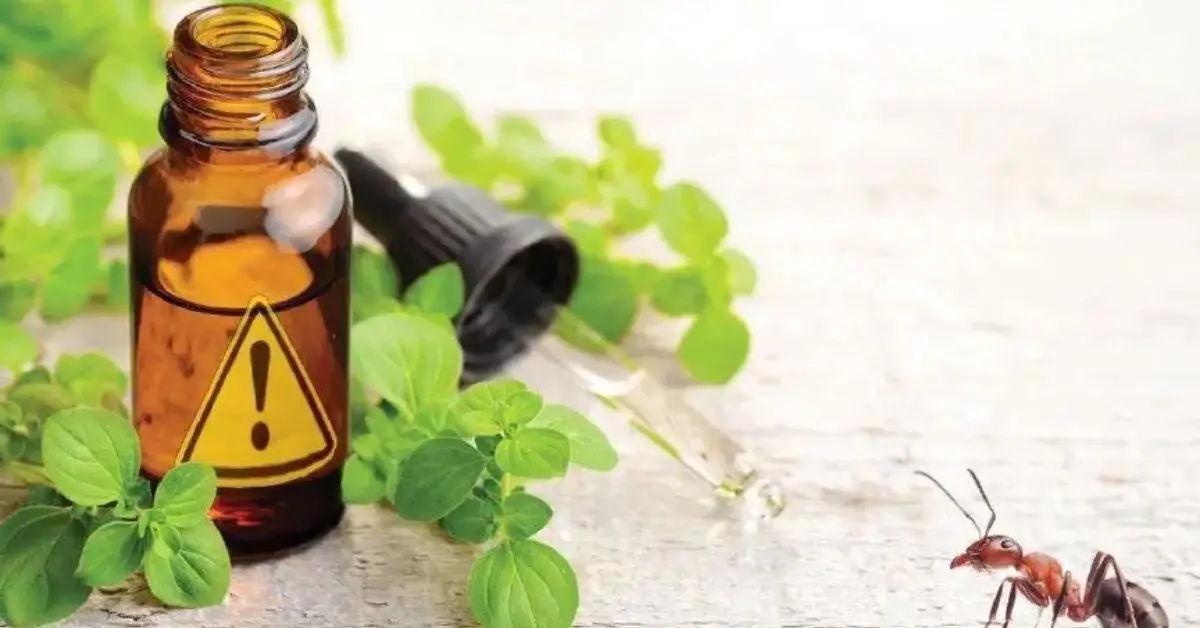
When I first figured out that essential oils could actually make ants rethink entering my space, I started testing the ones that show up most often in studies and real‑world use. Some oils are just scents ants hate, others actively interfere with how they communicate and move. Below are the 14 oils I’ve found effective, why they work, and how I recommend using them safely:
1. Peppermint Oil
- Why it’s effective: Menthol’s strong smell disrupts ant navigation and communication.
- Use: Mix a few drops in water and spray along cracks and entry points.
- Safety: Can irritate skin or airways in sensitive folks.
2. Cinnamon Oil
- Why it’s effective: The spicy aroma, especially cinnamaldehyde, creates an intense sensory barrier ants avoid.
- Use: Great along door thresholds and baseboards.
- Safety: May stain surfaces if used neat.
3. Lemongrass Oil
- Why it’s effective: Contains citral, which has been shown in research to be both toxic and repellent to ants at certain application rates.
- Use: Works well near kitchens and trash areas.
- Tip: Best when diluted.
4. Tea Tree Oil
- Why it’s effective: Potent scent masks pheromone trails ants rely on.
- Use: Dilute and spray along seen trails.
- Safety: Too strong for direct skin contact.
5. Lemon / Other Citrus Oils
- Why it’s effective: Citrus oils contain d‑limonene, which interferes with trails and can be toxic to ants.
- Use: Effective around outdoor thresholds.
6. Clove Oil
- Why it’s effective: Eugenol gives it a powerful smell ants hate and a repellent effect.
- Use: Can be blended with peppermint for a stronger barrier.
7. Cedarwood Oil
- Why it’s effective: Woody aroma disrupts insects’ sensory abilities.
- Use: Handy around storage areas or closets.
8. Eucalyptus Oil
- Why it’s effective: Strong medicinal scent that masks food trails ants use to navigate.
- Use: Good for bathrooms and damp areas.
9. Lavender Oil
- Why it’s effective: Ants dislike the linalool/linalyl acetate, yet it’s pleasant for you.
- Use: Best in living spaces where scent matters.
10. Thyme Oil
- Why it’s effective: Strong aromatic compounds disturb ant navigation.
- Use: Powerful, so dilute well.
11. Patchouli Oil
- Why it’s effective: Musky scent repels ants when part of a blend.
- Use: Better with other oils for broader effect.
12. Spearmint Oil
- Why it’s effective: Similar to peppermint but sweeter — still confusing to ants.
- Use: Nice alternative if peppermint smell feels too sharp.
13. Lemon Eucalyptus Oil
- Why it’s effective: Combines citrus and eucalyptus action for outdoor barriers.
14. Geranium Oil (Optional Additive)
- Why it’s effective: Often mentioned in natural blends to boost repellent power.
A lot of what I read has scientific backing — for example, this study on how oregano oil and the compound carvacrol can repel fire ants explains one of the ways plant oils can interfere with ant chemical communication and make them avoid treated areas naturally.
Mixing a couple of these oils usually gives you a broader scent profile that ants are more likely to avoid, rather than relying on just one. And because their effectiveness varies by species and environment, blending and frequent reapplication often works better in real life.
How to Make Essential Oil Ant Repellent Sprays
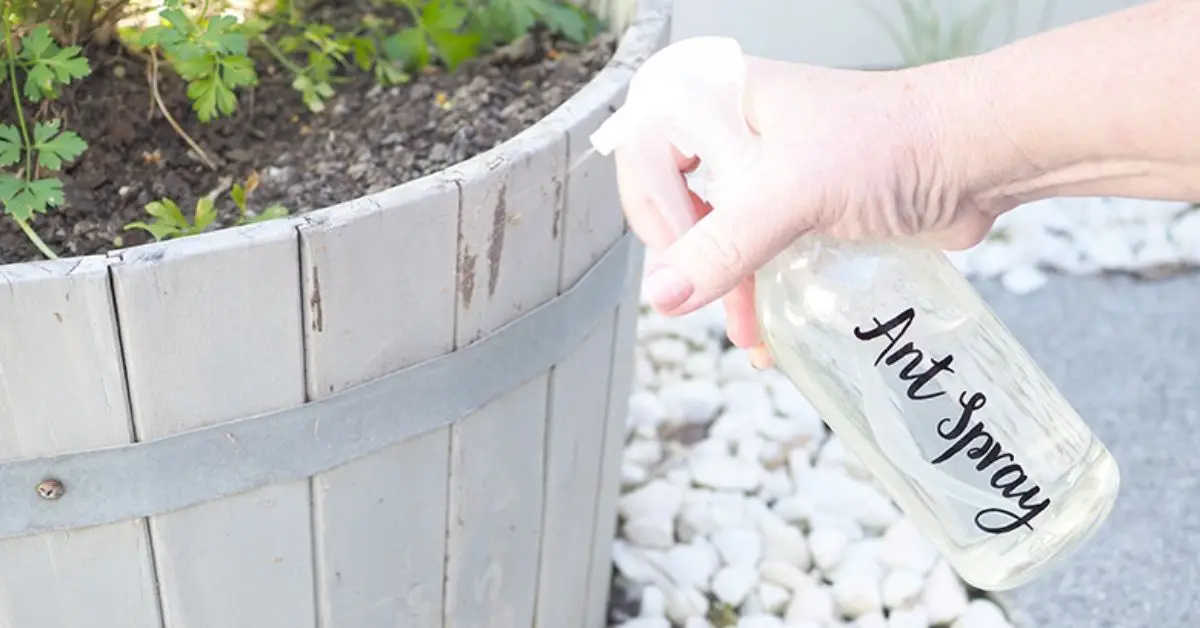
Once I understood which oils work, the next step was figuring out how to actually use them in a way that ants avoid. A few simple sprays make a big difference and are safer than chemical alternatives.
Here’s a basic recipe I use:
- DIY Ant Spray:
- 10–15 drops of essential oil (peppermint, cinnamon, or clove)
- 1 cup of water
- 1 teaspoon of mild dish soap (helps oil mix with water)
- Mix in a spray bottle and shake well before each use
- How I apply it:
- Spray along baseboards, window sills, and entry points
- Use lightly around food prep areas—avoid direct contact with food
- Refresh every few days or when the scent fades
- Cotton ball trick:
- Drop a few cotton balls soaked in oil at strategic corners or closets
- Replace every 2–3 days for consistent deterrent
If you want a more detailed guide with additional blend ideas and dilution tips, I found a practical resource on making essential oil ant sprays that explains how to adjust concentrations for effectiveness.
Safety and Precautions When Using Essential Oils Around Your Home
While essential oils are natural, they aren’t automatically safe for pets, kids, or all surfaces. I’ve learned the hard way that a little caution goes a long way.
- Pet hazards: Oils like cinnamon, tea tree, and clove can be toxic to cats and dogs. Keep sprays and soaked cotton balls out of reach.
- Children & sensitive individuals: Always dilute oils before applying around kids or anyone with sensitive skin.
- Surfaces to avoid: Some oils can stain wood or fabric; test a small area first.
- Ventilation: Spray in a well-ventilated area to reduce strong odors and potential respiratory irritation.
By following these simple precautions, you can keep ants away without compromising the safety of your family or your home.
Common Mistakes to Avoid With Essential Oil Ant Control
When I started experimenting, I noticed a few patterns among people who tried essential oils and got frustrated:
- Mistaking scent for effectiveness: Just because your home smells minty doesn’t mean the ants are gone. The aroma can fade faster than you think, and ants may still find a way in.
- Over-reliance without hygiene: Oils can help, but if you leave crumbs, open trash, or gaps in doors, ants will still find a path. Oils work best as part of a broader strategy.
- Expecting oils to kill established colonies: If ants have a nest inside your walls or under the foundation, oils alone won’t solve the problem.
Reading through real user experiences on Reddit threads really helped me understand where DIY attempts fail. It’s easy to assume these oils are magical, but knowing the limitations keeps your expectations realistic.
When to Consider Professional Pest Control
There’s a point where essential oils stop being enough. I learned that even the best DIY sprays can’t handle large infestations or ants hidden deep inside walls.
- Large infestations: If you see hundreds of ants daily, or repeated trails despite your sprays, it’s time to escalate.
- Structural trails: Ants traveling inside walls or foundations are unlikely to be deterred by surface sprays.
- What pros do differently: Professional services use targeted baiting, nest removal, and techniques to stop ants at the source. Knowing when to call them can save you weeks of frustration.
Think of essential oils as your first line of defense, but not the only one. Knowing when to step up keeps your home ant-free without endless trial and error. And if you’re curious about natural strategies for other critters, learn how planting just a few common plants can keep rats away from your home.
Summary and Action Plan
Here’s a simple checklist I use to keep ants away naturally:
- Most effective oils: Peppermint, cinnamon, clove, citrus, and lemongrass.
- DIY spray: 10–15 drops oil + 1 cup water + 1 tsp mild soap, applied along entry points.
- Safety: Dilute properly, keep out of reach of pets/kids, test on surfaces.
- Placement strategy: Baseboards, window sills, closets, and corners where ants travel.
By combining the right oils, good hygiene, and monitoring for persistent trails, you can significantly reduce ant problems. For a broader approach to keeping multiple pests out, you might want to explore these 10 easy ways to stop ants, flies, and mosquitoes from invading your home.
I’d love to hear what’s worked for you—drop a comment below with your experience or tips. And if you want more practical home maintenance and DIY guides, check out Build Like New for all the latest tricks and advice to keep your home fresh, safe, and functional.
Disclaimer: The information in this article is for educational purposes only. Essential oils may help deter ants, but results can vary depending on species, infestation size, and home conditions. Always follow safety guidelines, and consult a professional if the problem persists.