I Can’t Believe How Simple This Mom Hack Keeps My Fridge Clean
I’ll never forget the first time I opened our fridge after a week of busy workdays and got hit with that familiar, awful smell. It made me pause, wrinkle my nose, and wonder how something as essential as a fridge could turn into a mini science experiment. My mom, who’s always had a knack for simple, effective household fixes, noticed my frustration and handed me a little tip that changed everything.
Since then, I’ve kept my fridge smelling fresh without harsh chemicals or endless scrubbing—and I want to share exactly what worked for me, why it works, and a few other practical tricks I’ve picked up along the way.
Why Does Your Fridge Get That Nasty Smell in the First Place?
I used to think fridge odors were just “one of those things” you had to live with—until I started noticing patterns in my own kitchen. Once you understand the root causes, preventing them becomes way easier than chasing them after they’ve taken over.
Here’s what’s really happening inside your fridge:
- Spoiled food releases gases and bacteria break down: Every leftover, overripe fruit, or forgotten container is quietly producing odors at a microscopic level. It’s not just gross—it’s science.
- Moisture and hidden spills create mold and mildew: Even a tiny puddle at the back of your fridge or a clogged drain can start producing a musty smell you won’t notice right away. HackMD lists common fridge moisture issues you might miss.
- Food stored without lids cross-contaminates smells: Open containers, unwrapped cheese, or uncovered leftovers can quickly turn your fridge into a blend of all the aromas inside—not always in a good way.
Understanding these causes is key. Many “quick hacks” fail because they mask the smell temporarily without addressing why it started in the first place. Once you spot the source, the fixes actually stick.
Mom’s Classic Hack: The Simple Everyday Fridge Odor Removal Trick That Works

My mom’s solution was one of those household tricks that feels obvious once someone shows you—but I never thought of it myself. Here’s how she helped me tackle odors in a way that’s effortless and surprisingly effective.
Step-by-step:
- Take a small, clean bowl of baking soda and place it in the fridge. This isn’t just for show—baking soda naturally absorbs and neutralizes odors.
- For a little extra freshness, she sometimes added a few drops of lemon juice on top. The citrus doesn’t just smell good—it also helps neutralize acidic odors.
- Leave it in the fridge for a week, then replace it with a fresh bowl. Consistency is what makes this trick work long-term.
Why it works:
- Baking soda is chemically basic, so it reacts with acidic odor molecules, neutralizing them instead of just masking them.
- Adding lemon is optional, but it enhances freshness and creates a pleasant aroma.
Quick comparison with other household absorbers:
- Charcoal bags: Absorb odors effectively but take up more space and cost more.
- Coffee grounds: Work well for mild odors, but the scent can mix with your food.
- Newspaper or kitty litter: Community-tested, but can feel like extra clutter.
This hack is my go-to because it’s simple, affordable, and actually works without overwhelming scents or complicated routines.
Tried and True Natural Odor Absorbers That Professionals and Home Cooks Use
After I started using my mom’s tip consistently, I realized that some odors are stubborn enough to need a little extra help. Luckily, there are a few natural solutions that pros and home cooks swear by. Here’s what I’ve found works best:
Baking Soda: The Classic Neutralizer
- How to use it properly: Open box in the fridge, a small bowl on a shelf, or sprinkled lightly in spills. Each method works, but I personally keep a bowl on the middle shelf—it balances accessibility with efficiency.
- Why it works: Baking soda is basic, so it neutralizes acidic odor molecules instead of just covering them.
- Extra tip: Replace every 1–2 months for maximum effectiveness.
For more details on why baking soda is so reliable, Simply Recipes explains the science and best practices naturally.
Activated Charcoal: Heavy-Duty Odor Absorber
- Charcoal absorbs odors at a molecular level, making it great for strong or lingering smells.
- A small bag can last for months, much longer than a bowl of baking soda.
- Reddit users often report charcoal as the go-to when a fridge has stubborn smells after cleaning.
Coffee Grounds, Citrus Peels & Salt Methods
- Coffee grounds neutralize odors while adding a mild, pleasant aroma.
- Citrus peels (lemon, orange) can help balance sour or acidic smells naturally.
- Salt sprinkled in small bowls works for mild moisture-related odors.
- These methods are easy, inexpensive, and backed by community-tested experiences on sites like Nspirement.
Having a toolkit of natural odor absorbers gives you options depending on the severity of the smell. You can combine methods for a fresh, neutral, and inviting fridge without harsh chemicals.
A Pro Cleaning Routine: Step-by-Step Fridge Refresh Before You Try Any Hack

I’ve learned that even the best odor hacks can fail if the fridge isn’t actually clean. Before you set up bowls of baking soda or charcoal, follow this routine:
Complete Emptying + Expired Food Check
- Take everything out of your fridge.
- Toss anything expired or suspicious—don’t just push it to the back.
- This immediately reduces a large portion of potential odor sources.
Deep Clean with Vinegar and Warm Soapy Water
- Mix warm water with a few tablespoons of vinegar.
- Wipe down shelves, drawers, and walls thoroughly. While wiping down shelves is essential, don’t forget to check under your fridge—these 7 genius ways to clean under your fridge, stove, and dishwasher without moving them make it easy to reach the hidden spots where odors often start.
- Vinegar kills bacteria and neutralizes odors without leaving a chemical smell.
Cleaning Drain Holes, Gaskets, and Drip Pans
- Many people miss these spots, but they trap spills and moisture.
- I use a soft brush or pipe cleaner to remove buildup in drain holes.
True deodorizing starts with a proper clean. If you skip this step, even the best natural absorbers will only mask the smell temporarily.
How to Maintain a Fresh Smelling Fridge Long‑Term
Keeping your fridge odor-free isn’t just about one quick fix—it’s about building small, consistent habits. I realized that once I added a simple routine, the fridge stayed fresh for weeks without constant intervention. Here’s what I do:
- Weekly wipe‑downs + spill spot checks: Even tiny spills can start to smell if left unattended. I take a few minutes each week to wipe shelves and drawers.
- Airtight food storage habits: Containers with tight lids prevent odors from mixing. I also wrap cheeses, meats, and strong-smelling leftovers separately.
- Replace odor absorbers on a schedule: Baking soda or charcoal bags lose effectiveness over time. I mark my calendar to swap them every 1–2 months.
- Temperature tips to minimize bacterial break-down: Keeping the fridge at 37–40°F slows bacterial growth and helps food stay fresh longer.
Once you follow a simple routine, you’re not chasing smells anymore—you’re preventing them. This turns your fridge into a fresh, inviting space every time you open it.
When DIY Hacks Aren’t Enough: Signs Your Fridge Might Need Professional Help
Even the best cleaning routines and natural hacks can fall short sometimes. I learned this the hard way when a lingering smell refused to go away despite all my tricks. Here’s what to watch for:
- Persistent smell even after thorough cleaning: You’ve emptied the fridge, washed every shelf, wiped gaskets, and used absorbers—but the odor still sticks. That’s a sign of a deeper issue.
- Mold growth inside seals: Rubber door gaskets can harbor mold in tiny crevices that regular wipes can’t reach. Black or green spots are a warning. If you notice persistent odors or mold in your fridge, it might be time to inspect the seals—here are 7 signs your fridge seal needs cleaning or replacement so you can prevent hidden smells from spreading.
- Drain clog or cooling system issues: Sometimes the problem isn’t food at all—it’s blocked drains, sticky drip pans, or a malfunctioning cooling component.
Understanding why DIY methods sometimes fail helps. For instance, baking soda absorbs fridge odors at a molecular level, which explains why surface tricks might not fully eliminate deep or persistent smells.
Knowing when a smell is more than stubborn food debris prevents wasted time, protects your food, and keeps your fridge running efficiently. Instead of guessing, you can take confident next steps.
What Products Support Fridge Odor Control
Even after cleaning and using natural hacks, some fridges benefit from dedicated products. I’ve tried a few over the years, and these are the ones I trust:
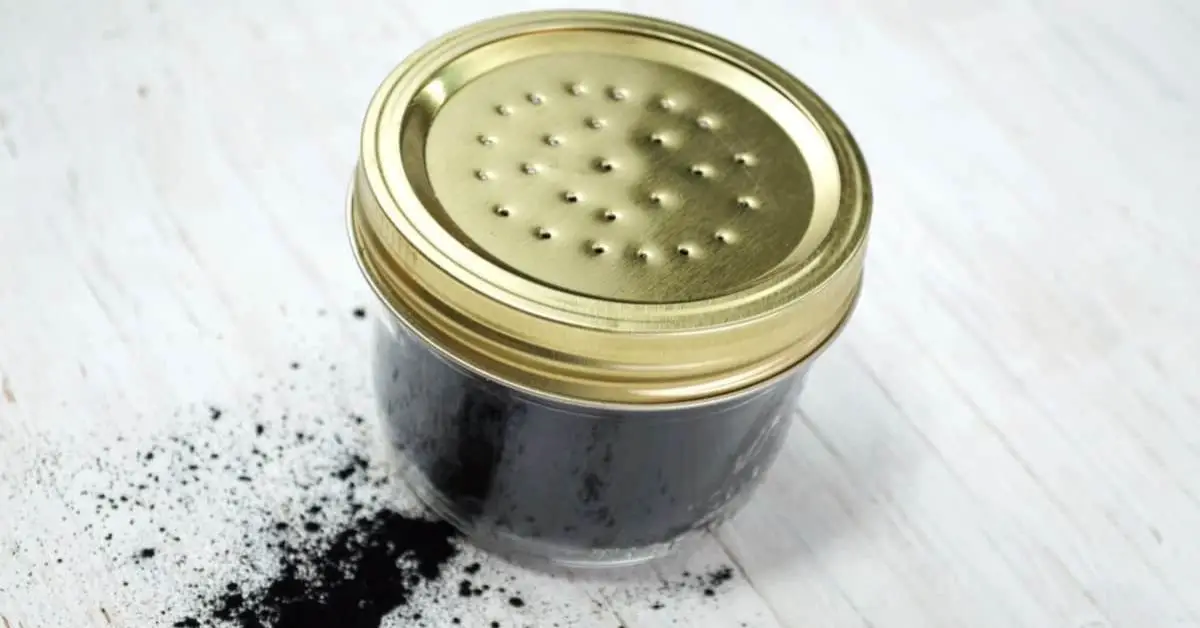
- Charcoal deodorizers that last months: Activated charcoal bags quietly absorb odors over time, making them perfect for busy kitchens.
- Odor absorbers vs neutralizers: Baking soda or charcoal absorbs odors, while some sprays neutralize them chemically. I usually stick to absorbers because they’re safe and low-maintenance.
- Non-toxic natural options: If you prefer eco-friendly solutions, consider bowls of coffee grounds, citrus peels, or even newspaper—simple, inexpensive, and effective. For a simple, long-lasting approach, I also rely on this one kitchen staple that can keep your fridge spotless and odor-free, which complements natural absorbers like baking soda and charcoal perfectly.
Having reliable products on hand makes it easy to maintain a fresh fridge, even during busy weeks or for those stubborn odors that natural hacks alone can’t fully eliminate.
Final Thoughts
Keeping your fridge odor-free doesn’t have to be complicated or expensive. From my mom’s simple baking soda trick to natural absorbents, pro cleaning routines, and long-term maintenance, there’s a combination of strategies that really works. The key is understanding why odors happen and addressing them consistently.
I’d love to hear from you—what’s your go-to fridge odor hack? Share your tips or questions in the comments below. And if you want more practical, tested home improvement hacks like this one, check out my website, Build Like New, for more guides and expert advice.
Disclaimer: The tips and product suggestions in this article are for informational purposes only. Results may vary depending on your fridge type and conditions. Always follow manufacturer instructions and consult a professional if you notice persistent odors or mechanical issues.