Say Goodbye to Stubborn Cast Iron Residue With This Salt Trick
When I first started cooking on cast iron, I struggled with one thing more than anything else: stubborn, stuck-on residue. No matter how careful I was, those little bits of food seemed impossible to remove without scrubbing away layers of seasoning. Then I discovered the simplest tool in my kitchen—coarse salt.
Using salt to clean cast iron isn’t just a trick; it’s a game-changer. It scrubs away residue without harming the pan’s natural seasoning, and it’s completely chemical-free. Over the years, I’ve refined exactly how to use it so you can get your cast iron clean, maintain its seasoning, and even bring back that natural nonstick surface. In this guide, I’ll walk you through everything I’ve learned so you can tackle stubborn residue with confidence—and maybe even enjoy the process.
Understanding the Problem – Stubborn Residue on Cast Iron
When I first noticed my cast iron pan developing that stubborn residue, I realized it wasn’t just about laziness—it’s how these pans work and how we treat them. Here’s what usually causes the buildup:
- Burnt-on food: Even small bits left from high-heat cooking can harden over time.
- Grease accumulation: Layers of cooking oil that aren’t wiped clean can turn sticky or rancid.
- Improper cleaning habits: Scrubbing too hard or using harsh detergents can leave residue or damage the seasoning.
Over time, this residue doesn’t just look bad—it affects your cooking. Food can stick more easily, flavors can get off, and your pan loses its smooth, natural nonstick surface.
Why Regular Soap Can Be Harmful
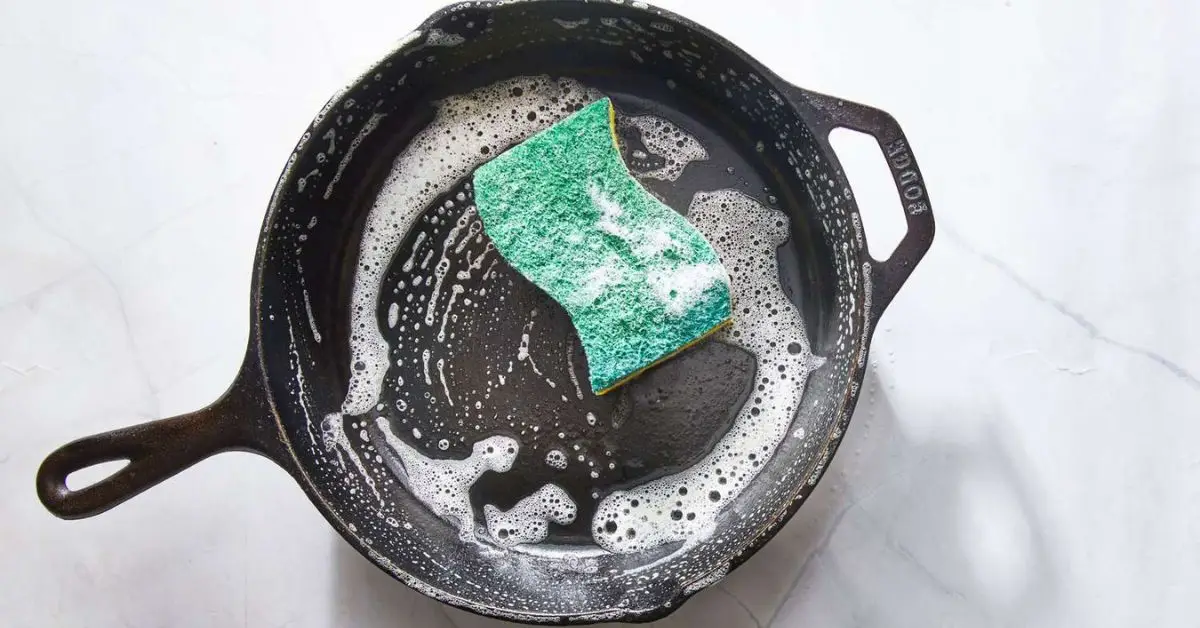
I know it’s tempting to reach for soap when a pan looks grimy, but here’s the problem: harsh detergents strip away the seasoning you’ve built up. That layer of polymerized oil is what keeps your pan naturally nonstick.
Without it, you’ll spend more time scrubbing and less time enjoying your food. That’s why I always turn to salt first—it cleans without undoing all the work your seasoning has done. If you want a bit more on this, The Kitchn has a great explanation on how to clean cast iron skillets and why soap isn’t always the answer.
How to Use Salt to Clean Cast Iron – Step-by-Step Guide
I’ve found that using salt isn’t complicated, but the details matter. Here’s what you need and how I do it:
Materials Needed
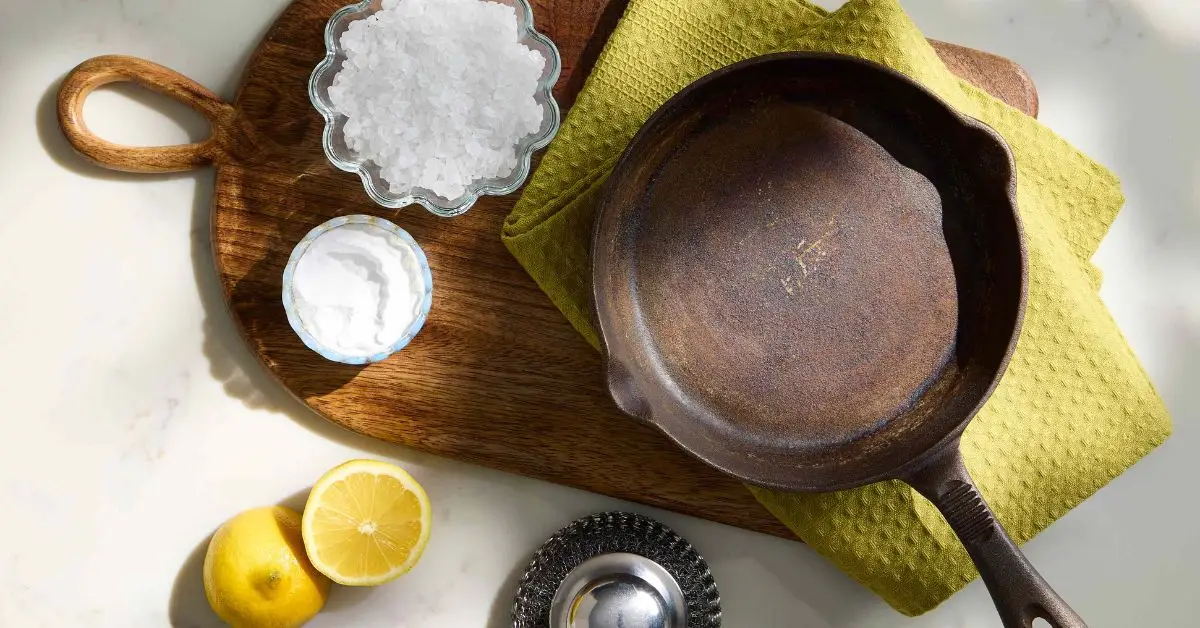
- Coarse salt (kosher or sea salt works best)
- Paper towels or a clean cloth
- Hot water
- Optional: a spatula or wooden scraper for stubborn bits
Cleaning Process
Step 1: Heat the Pan Slightly
Warming your pan helps loosen stuck-on food. You don’t need it piping hot—just warm enough that residue softens.
Step 2: Sprinkle and Scrub with Salt
- Generously sprinkle coarse salt over the pan’s surface.
- Use a paper towel or cloth to scrub in a circular motion, letting the salt act as a gentle abrasive. Salt is surprisingly versatile—you can check out 8 household items you can clean with salt most people don’t know to see how else it can make your cleaning routine easier
- For really tough spots, a wooden spatula works wonders without scratching.
Step 3: Rinse and Dry
- Rinse lightly with hot water—keep it minimal so you don’t wash away seasoning.
- Immediately dry the pan thoroughly with a towel to prevent rust.
Step 4: Re-Season if Needed
- If you notice a dull spot or dryness, rub a small amount of oil over the surface and heat it briefly.
- This keeps your pan nonstick and ready for your next meal.
Tackling Extremely Stubborn or Rusty Pans
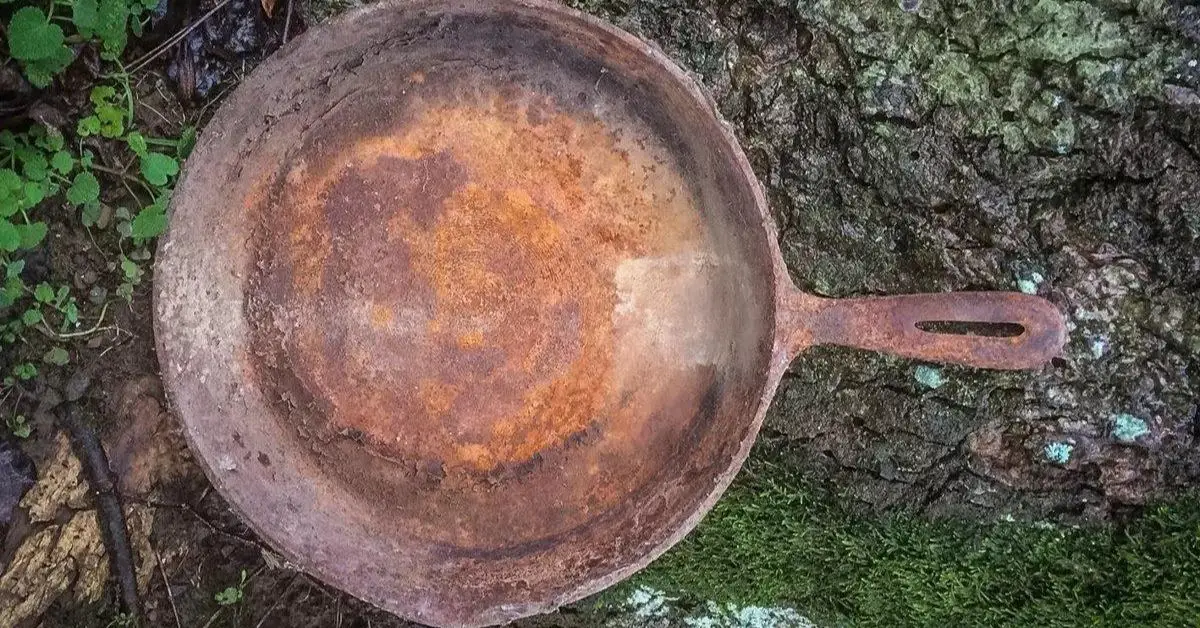
Even after using salt, there are times when a pan just refuses to cooperate. I’ve had my share of stubborn residue and light rust patches, and here’s what I do:
- Combine salt with mild abrasives: Sprinkle some baking soda on top of the salt to gently tackle really stuck-on bits.
- Use a scraper carefully: A wooden or silicone spatula can help lift residue without damaging the seasoning.
- Oven cleaning for severe cases: For deep rust or baked-on food, I sometimes use the oven method, following careful steps to protect the pan’s seasoning.
The key is to never overdo it. Aggressive scrubbing or harsh chemicals might clean faster, but they can strip the seasoning you’ve worked so hard to maintain. Just like stubborn cast iron residue, there are hard-to-clean areas around the house that benefit from extra attention, and I’ve shared my full checklist for tackling them. If you want more tips from cast iron pros, check out the Field Company’s advice on maintaining cast iron for stubborn pans.
Why Salt Is Safer and More Effective
After years of trial and error, I’ve realized why salt consistently comes out on top compared to other cleaning methods:
- Preserves seasoning: Salt scrubs without stripping the polymerized oil layer.
- Non-toxic and food-safe: You don’t need harsh chemicals in your kitchen.
- Inexpensive and accessible: You probably already have it at home.
Quick Comparison: Salt vs Soap vs Scrapers
| Method | Pros | Cons | Best Use Case |
|---|---|---|---|
| Salt | Preserves seasoning, safe, effective | Needs some elbow grease | Everyday cleaning & stuck-on residue |
| Soap | Easy, widely available | Strips seasoning, can over-clean | Occasional deep clean if re-seasoning afterward |
| Scrapers/Chainmail | Can remove heavy residue quickly | Can scratch if not careful | Very stuck-on food only |
Enhancing Your Cast Iron Cleaning Routine
Over the years, I’ve picked up a few small tricks that make salt cleaning even more effective. These tips help you maintain your pan without extra stress:
- Combine salt with other ingredients: For a little extra cleaning power, rubbing a halved lemon over the salted surface helps lift stuck-on grease naturally. A light coating of oil afterward restores the shine.
- Frequency matters: I usually salt-clean after most meals, but reserve deep cleaning for pans with stubborn residue or occasional rust spots.
- Avoid over-scrubbing: Too much force can wear down seasoning. I let salt do the work and only apply gentle pressure.
These insider practices go beyond basic cleaning, giving you a routine that preserves your pan and saves time. You can find similar pro tips in The Spruce’s cast iron care guide for inspiration.
Keeping Your Cast Iron in Top Shape
Cleaning is only part of the story. Long-term maintenance is what keeps a pan performing beautifully for years:
- Dry immediately: After rinsing, I always towel-dry my pan or heat it briefly on the stove to prevent rust.
- Regular oiling: A thin coat of cooking oil after cleaning keeps the seasoning strong and the surface nonstick.
- Storage tips: Store in a dry area and avoid stacking pans directly without protection.
- Quick fixes for stickiness: If residue lingers after cooking, a light salt scrub or re-oiling usually solves it instantly.
Maintaining your cast iron pan is all about routine care—similar to how I keep my fridge fresh using my mom’s simple tip for odor-free results.
Pitfalls That Can Damage Cast Iron
Even with salt, there are mistakes I see people make over and over. Avoiding these keeps your pan healthy:
- Using fine salt: It can scratch your seasoning; always stick to coarse or kosher salt.
- Leaving salt too long: Don’t let moisture sit on the pan—it can promote rust.
- Overusing soap after salt cleaning: This can undo all your careful seasoning maintenance.
Salt Cleaning Checklist
Over the years, I’ve learned that the best way to keep your cast iron spotless is to follow a simple, repeatable routine. Here’s my quick salt-cleaning checklist you can reference anytime:
- Heat the pan slightly – warms stuck-on residue for easier removal.
- Sprinkle coarse salt – enough to cover the bottom but not a mountain.
- Scrub gently with a cloth or paper towel – let the salt do the work; avoid harsh scrubbing.
- Rinse lightly with hot water – minimal water preserves seasoning.
- Dry immediately – prevents rust from forming.
- Re-season if needed – a small coat of oil keeps your pan nonstick and shiny.
I’d love to hear from you:
- What’s your favorite trick for keeping your cast iron spotless? Drop your tips or questions in the comments below!
- If you want more practical kitchen guides and hands-on cleaning advice, check out Build Like New—we share step-by-step tips to help you maintain your kitchen tools and appliances like a pro.
By following these steps, you’ll never fear stubborn residue again, and your cast iron will stay smooth, seasoned, and ready for every meal.
Disclaimer: The tips and methods shared here are based on personal experience and trusted sources. Always use caution when handling hot pans or cleaning chemicals. Results may vary depending on your pan’s age, material, and seasoning.