Deadly Mobile Home Fire In Selma Claims Life of Elderly Man and His Pets
When I first read about the mobile home fire in Selma, the part that stayed with me was not just the fire itself. It was the fact that an elderly man and his two dogs never made it out.
In a story like this, you are not looking at just another local news report. You are looking at how fast life can change when a fire breaks out and escape is not easy.
According to local reporting, the fire started Sunday morning at a mobile home park in Selma and spread so quickly that neighbors said there was no real chance to save him.
That detail matters. It tells you this was not only tragic, it was also sudden, violent, and deeply human.
People nearby tried to help. One neighbor even worked to stop the flames from reaching his own home while trying to rescue the man and the dogs trapped inside.
I think stories like this deserve more than a quick headline and a few facts. You deserve to understand what happened, why mobile home fires can turn deadly so fast, and what this kind of loss teaches all of us about fire safety, elderly residents, and pet rescue planning.
If you have ever wondered whether a fire like this could happen in your neighborhood, this is the part you need to read closely.
Mobile Home Fire in Selma Turns Fatal Within Minutes
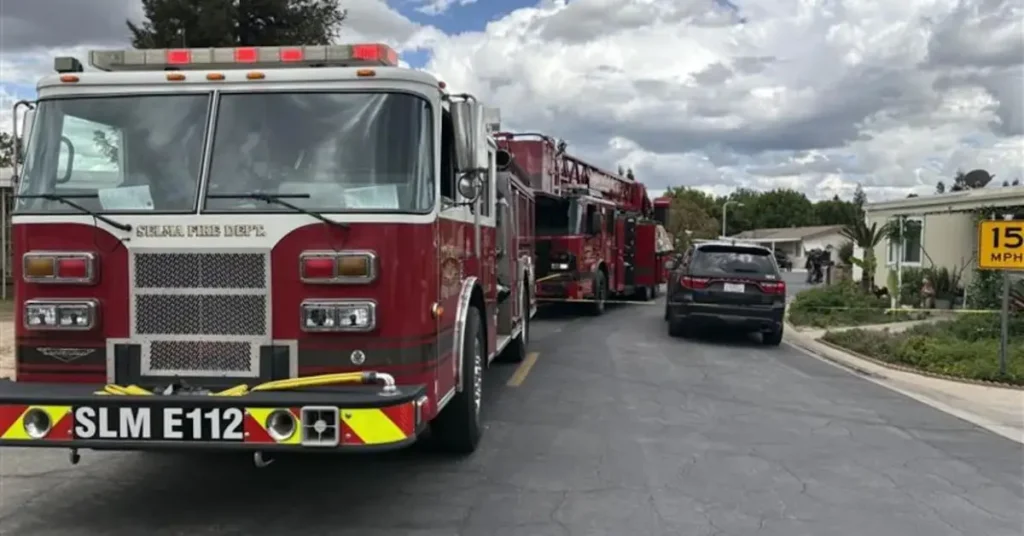
This incident shows how quickly a normal morning can turn into a life threatening situation, especially in a mobile home setting.
What Happened on Sunday Morning
The fire started around 10:30 a.m. at a mobile home park in Selma. Firefighters reached the spot and worked for hours to control the flames, but the fire had already spread rapidly.
I checked the local coverage, and as reported by ABC30, the situation escalated so quickly that there was very little time for anyone nearby to respond effectively.
Victim and Losses
An elderly man lost his life in the fire, along with his two dogs. This was not just a fire incident, it was a personal loss that affected the entire neighborhood.
The mobile home was heavily damaged, and two cars on the property were also burned. The intensity of the fire is clear from the level of destruction.
Why the Victim Could Not Escape the Fire
There are certain factors in this case that made escape much more difficult than usual.
Mobility Challenges and Fire Risk
Neighbors shared that the man had difficulty moving. When mobility is limited, even a small delay during a fire can become critical.
In situations like this, getting out quickly is not always possible, and that increases the risk significantly.
A similar pattern was seen in another tragic incident where escape delays proved fatal, as covered in this breakdown of a house fire that claimed a life while authorities investigated the cause.
When Seconds Matter in Fire Emergencies
Fires in homes can spread within minutes, especially in compact spaces. That means you do not get much time to think or react.
If there is any delay, the chances of escaping safely drop fast. That is exactly what makes incidents like this so dangerous.
“It Was So Big and So Fast” – How Quickly the Fire Spread
This is the part that makes you pause. Fires like this do not give you time to think, they move faster than most people expect.
Eyewitness Accounts
One neighbor described the fire as overwhelming from the very beginning. Vivian Piestrup said it was “so big and so fast” that there was no real chance to save him.
When you hear something like that, you understand this was not a slow burning situation. The flames were intense, and they took over the mobile home in minutes.
Why Mobile Home Fires Escalate Rapidly
Mobile homes are built differently, and that plays a big role in how fires behave.
The space is compact, which means heat builds up quickly. Many structures also include materials that catch fire easily, allowing flames to spread faster than in larger homes.
If you combine that with limited ventilation and tight layouts, the fire can become uncontrollable in a very short time.
You can see a similar rapid fire spread in this case where flames quickly damaged a historic structure in Hollywood, explained in detail in this report on how a fast moving fire impacted the Magic Castle property.
Data from National Fire Protection Association also highlights how residential fires can escalate within minutes, especially in smaller structures.
The Emotional Impact – Neighbors Describe a Devastating Loss

Beyond the fire itself, what stays with you is how people around reacted to it.
Community Reactions
Neighbors described the situation as heartbreaking. There was shock, but also a sense of helplessness because they could not do enough in time.
When something like this happens in a close community, it affects everyone, not just the victim’s home.
Human Side of the Incident
One neighbor shared that they had known the man for years and said, “Everybody liked him.” That tells you this was someone people genuinely cared about.
There is also the emotional weight of losing pets in such a situation. For many, that feels just as painful as losing a family member.
If you put yourself in their place, you can sense the trauma this leaves behind. It is not just about a fire, it is about a life, memories, and a connection that is suddenly gone.
Failed Rescue Attempt – The Neighbor Who Tried to Save Them
This part shows how people react when something goes wrong right in front of them. Not everyone stands back. Some try, even when the odds are against them.
Rescue Effort Details
A neighbor living nearby tried to control the situation as much as he could. He worked to stop the flames from spreading toward his own home while also attempting to rescue the man and his dogs trapped inside.
But the fire had already grown too strong. Even with effort and urgency, there was no safe way to reach them in time.
Heroism in Crisis
People in the community still see his actions as heroic. He did what most would hesitate to do, stepping in during a dangerous moment.
When you look at situations like this, you realize that sometimes being a hero does not mean saving someone. It means trying, even when the outcome is uncertain.
Why Pets Are Often the Silent Victims in House Fires
Pets are often the most vulnerable during a fire, and this case is a clear example of that.
Why Animals Struggle to Escape
When a fire starts, animals do not react the way humans do. Their first instinct is panic, not escape planning.
Many pets hide under beds, inside closets, or in corners where they feel safe. That instinct, while natural, makes it harder for them to be found in time.
Smoke inhalation is another major factor. In many cases, it affects animals before flames even reach them. Guidance from ASPCA also points out that pets often become disoriented quickly in smoke filled environments.
Hidden Dangers in Mobile Homes That Increase Fire Risk
There are certain built-in risks in mobile homes that many people overlook until something goes wrong.
Structural and Safety Issues
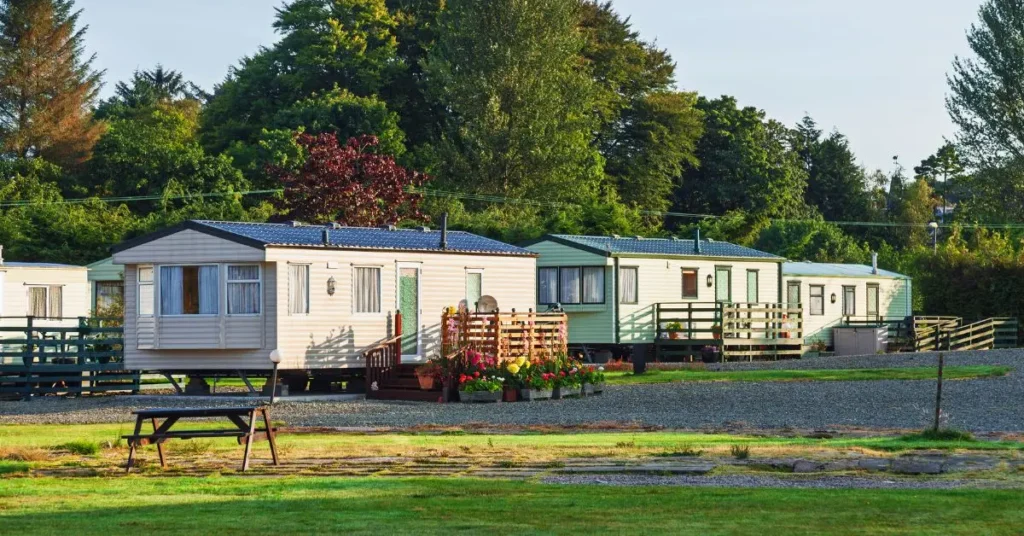
Older wiring is one of the biggest concerns.
In some cases, even modern devices can trigger dangerous fires, like this incident involving a lithium ion battery that caused a home to be engulfed in flames.
If it is not maintained properly, it can become a serious fire hazard over time.
Mobile homes also tend to have fewer exits, which limits escape options during emergencies. When you combine that with a compact layout, the situation can turn dangerous very quickly.
Another issue is heat retention. Smaller spaces trap heat faster, which allows fires to grow more intense in less time.
If you think about it, these factors together explain why fires in mobile homes can become deadly much faster than expected.
What This Fire Teaches About Emergency Preparedness
If you look beyond the incident, there are a few clear lessons that can actually help you avoid something like this.
Critical Safety Lessons
First, smoke alarms are not optional. They are your first warning system, and they only work if they are installed and maintained properly.
Second, you need a fire escape plan. Not just in your head, but something you have thought through and practiced. In an emergency, you will not have time to figure things out.
Regular maintenance also matters more than most people think. Faulty wiring or neglected repairs can quietly increase fire risk over time.
Special Focus for Elderly Residents
If someone in your home has limited mobility, planning becomes even more important. You cannot rely on last minute reactions.
Think about assisted evacuation in advance. Who will help, how quickly, and through which exit. Also, keep emergency contacts easily accessible so help can be reached without delay.
Quick Safety Checklist Every Household Should Follow
This is something you can quickly scan and actually use.
60-Second Fire Safety Checklist
Make sure your smoke detectors are working and tested regularly.
Keep exit paths clear at all times. Even small obstacles can slow you down when seconds matter.
Plan how you will evacuate pets. Do not assume you will be able to find them easily during a fire.
If you take a minute to check these things today, you reduce your risk more than you realize.
Sensitivity Note and Ongoing Investigation
At the time of reporting, the exact cause of the fire is still under investigation. Details may change as officials continue their work.
It is also important to remember that this is not just a case study. A life was lost, and a family and community are dealing with that loss.
I want to hear from you. Have you ever checked your home for fire safety risks, or is this something you keep putting off
You can share your thoughts in the comments. Your experience might help someone else take action in time
For more practical home safety insights and real world guidance, you can also visit Build Like New.
If you want simple and real world safety insights like this, you can stay connected here: Follow on X for quick updates or Join the Facebook community for discussions and alerts I keep sharing real incidents and what you can actually learn from them.
Disclaimer: This article is based on available reports and public information at the time of writing. It is intended for awareness and educational purposes only. For official updates or emergency guidance, always refer to local authorities and verified sources.