Lithium‑Ion Battery Sparks Major House Fire in Northampton County
I still remember the first call I got about the house fire on Millstone Road in Northampton County—it was late Saturday night, and the reports sounded serious. By the time firefighters arrived, the home was completely engulfed, with flames spreading to a shed, nearby woods, and even a propane tank. Reading about it later, I couldn’t shake how quickly a single spark—or in this case, a malfunctioning lithium-ion battery—can turn a quiet night into a disaster.
As someone who’s followed fire safety for years, I felt it was important to dig deeper, not just to report what happened, but to help you understand how these incidents start, how firefighters tackle them, and what we can all do to prevent a tragedy in our own homes.
How Lithium-Ion Batteries Can Trigger House Fires
When I learned that the fire likely started in a shed storing lithium-ion batteries, it really hit home how unpredictable these devices can be. These batteries are everywhere—power tools, e-bikes, even small electronics—but when they malfunction while charging, the heat can build up quickly, sometimes leading to what firefighters call a “thermal runaway.” I’ve seen firsthand how a single spark in the wrong place can escalate into a massive blaze.
Experts warn that overcharging, damaged cells, or improper storage dramatically increases the risk. You might think a shed is a safe place to charge batteries, but even small errors can turn it into a danger zone. For the full report on how this fire unfolded in Northampton County, you can check out the WRAL coverage here.
Firefighting Efforts and Safety Challenges
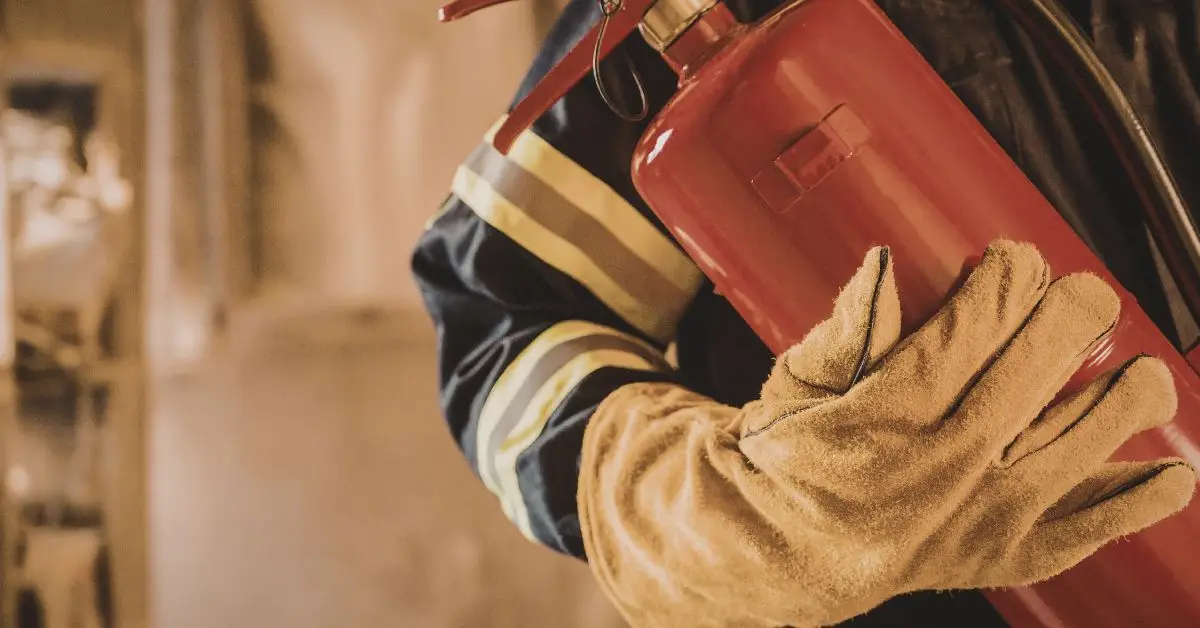
Watching the crews respond was a reminder of how dangerous these situations get fast. Firefighters had to take a defensive approach to make sure the fire didn’t spread to the surrounding woods or the propane tank that was venting. I can’t imagine standing there as the flames crept closer—they were on site from 10:40 p.m. all the way until 4:30 a.m., with follow-ups the next day to tackle hotspots.
It also showed me how teamwork matters. Multiple agencies—including local volunteer fire departments and EMS teams—coordinated under high pressure. You start to realize how even a single propane tank or nearby forest can turn a routine call into a life-threatening challenge. Seeing their strategy made me think about what I’d do in my own home to reduce risk and protect my family.
Aftermath: Displacement and Damage
I kept thinking about the family whose home burned down that night on Millstone Road. The house was a total loss, along with so many personal things you just can’t replace—photos, keepsakes, everyday items that make a house feel like home. You don’t realize how much those things matter until they’re gone, and I can only imagine how hard that hit the homeowners and neighbors who watched it happen.
Similar heartbreak was seen during the Champaign home fire, where residents faced the loss of their home and belongings and had to start over from scratch read more about the Champaign fire.
It wasn’t just the emotional shock, either. The fire spread from the shed to nearby woods and even involved a propane tank that was venting. That kind of damage ripples outward – affecting people, pets, and even the land around the property. Fires like this remind me how one moment can change a whole community’s sense of safety.
How to Prevent Battery‑Related House Fires
After seeing what happened in Northampton County, I want to share the practical, no‑nonsense steps you and I can take to keep something like this from happening in our own homes:
- Charge With Care: Always use the charger that came with the device. Don’t charge batteries overnight or leave them unattended. A charging error can turn a battery into a fire starter.
- Store Smart: Don’t pile spare batteries together in a shed with flammable stuff. Keep them in cool, dry, well‑ventilated spaces, away from things that burn easily.
- Safety Gear Matters: Working smoke detectors and a good fire extinguisher aren’t optional. They’re the first line of defense and can give you crucial time if something goes wrong.
- Understand the Risks: If you’re using lithium‑ion batteries, it’s worth knowing why they can be dangerous and what signs to watch for. Research from the National Fire Protection Association shows that these batteries present a significant fire hazard when damaged, improperly stored, or mishandled during charging — and understanding that risk helps you avoid it.
Prevention doesn’t have to be complicated — it just has to be consistent. Making a few changes in how you charge and store batteries can save you from a disaster you never saw coming.
For quick updates on fire safety tips and alerts in your area, some homeowners find following local WhatsApp channels useful for staying informed in real time.
Community Support and Social Media Reactions
When I scrolled through the local fire department’s posts after the Northampton County fire, I was struck by how quickly the community rallied. People flooded the comments with encouragement for the crews, showing just how much these volunteers mean to the town. One commenter, Gene Francis Gregory, wrote, “Great job, everyone! Impressive teamwork indeed!” Another, Danny Lynn Jax, added, “Good job GVFD! Always on top of it! I remember those days well!” Even KJ Johnson praised the response, saying, “12 House, you set the bar high! Excellent work on the recent structure fire response. Great to see a professional fire house.”
It reminded me that a fire isn’t just about the flames—it’s about people. Acts of heroism like the teen and her mother who rescued a neighbor from a Long Island house fire show how individuals can make a huge difference in emergencies read their story. The firefighters, the neighbors, even the strangers who chime in online, everyone plays a part in recovery and morale. Seeing this level of community support makes me think about how important it is to stay connected, appreciate those who keep us safe, and learn from their professionalism.
Here’s a glimpse of the community’s response directly from Gaston Fire & Rescue’s Facebook post:
Reading these comments, I felt a mix of relief and gratitude—relief that no one was seriously hurt, and gratitude for the people who dedicate themselves to protecting our homes and lives. It’s a reminder that even amid disaster, community spirit shines bright.
Lessons Learned from Northampton County Fire
After following this fire closely, I realized there are a few critical lessons we can all take to heart—especially if you have lithium-ion batteries at home.
- First, treat charging seriously: never leave batteries unattended, and always use the charger that comes with your device.
- Second, watch where you store them—sheds, garages, and other fire-prone spaces can turn a small spark into a disaster.
- Third, review your insurance coverage. Fires happen fast, and being prepared can save you financial and emotional stress down the road.
Incidents like the Lancaster house fire, which tragically killed three people, highlight why having adequate insurance and emergency plans is so important read more about the Lancaster fire.
For me, the biggest takeaway is simple: prevention is not optional. A few small steps in how you handle batteries, store flammable materials, and prepare your home can make a huge difference.
I’d love to hear from you—have you taken any extra precautions at home after reading about this fire? Share your tips and experiences in the comments below, or visit Build Like New for more practical safety guides and home protection advice. Let’s make sure our homes and families stay safe, one step at a time.
For more home safety tips, updates on local incidents, and practical guides, follow us on X and join our Facebook community.
Disclaimer: This article is for informational purposes only and is based on verified news sources and expert guidance. It is not a substitute for professional fire safety advice or emergency services. Always follow local regulations and consult professionals for safety concerns.