A Senior Resident and His Pet Perished After a Fatal House Fire in Springville Fire Officials Report
The call came in just after 5:30 in the morning. Most of us were still asleep. But on Avenue 176 near Campbell Creek Drive in Springville, a home was already burning. Inside, an elderly man in his late 80s and at least one of his cats had no way out.
By the time Tulare County Fire arrived, half the house was gone.
What Happened That Morning
Tulare County Fire Department responded to a reported house fire on Avenue 176 in Springville, California, in the early hours of Monday, May 12, 2026.
Fire Captain Francisco Benitez described the scene plainly: “This had been burning for a while, so there was a lot of debris.” It took more than a dozen engines and close to four hours, with help from Cal Fire and Porterville City Fire, to fully extinguish the blaze.
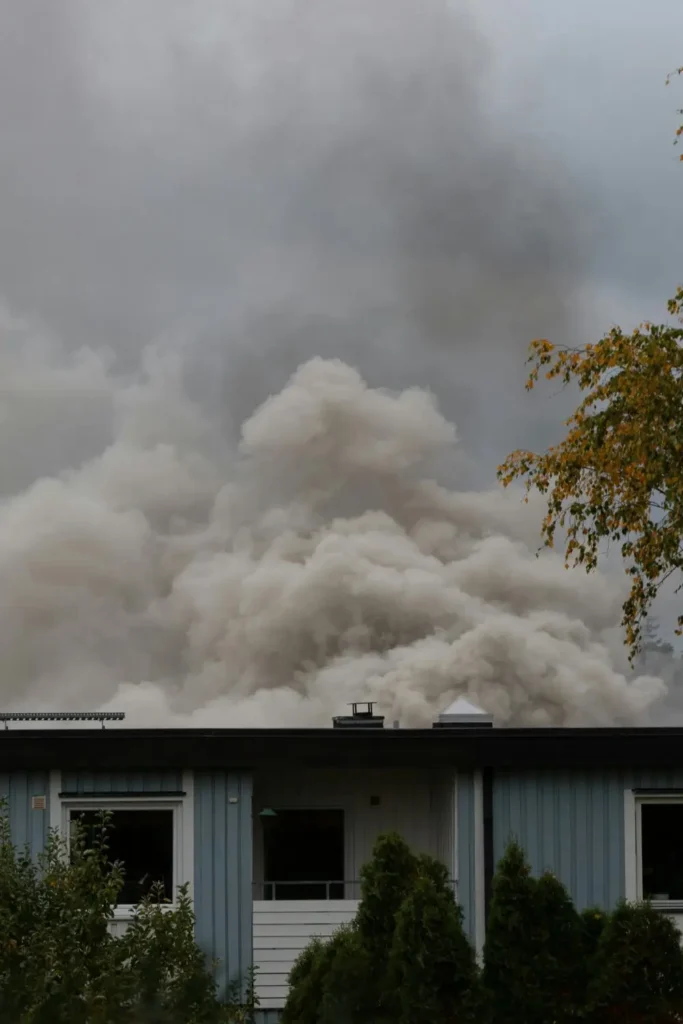
Flames and heavy smoke were visible from miles away.
The Man Behind the Door
His neighbor, Mark Seitz, had known him for 11 years.
“When he wasn’t sick, he used to come over and talk for what seemed like hours,” Seitz recalled.
He described the man, who was in his late 80s and had been dealing with ongoing illness, as someone who loved the outdoors, church, and his animals. “I think he had two or three cats. That’s why he built that little fence up front.”
He didn’t have much family around. But he was, by every account, a good neighbor and a good man.
His identity has not yet been officially released. According to ABC30/KFSN, who first reported the story, investigators initially believed two people had died but later confirmed that one set of remains belonged to an animal.
Firefighters searched the home multiple times before making that discovery.
A Pet Who Couldn’t Escape Either
Here’s something most news reports glossed over: the animal didn’t make it out, and that’s not a coincidence.
Pets almost never run out of a burning home. They hide under beds, in closets, wherever feels safe.
By the time smoke fills those spaces, it’s already too late. Smoke inhalation is the number one cause of pet deaths in house fires, not the flames themselves.
This is why the loss of the man’s cat hits differently. He built a fence for them. He cared for them when he had little else.
And it’s not the first time we’ve seen animals pay the price in a home fire. A garage fire in Sandy, Oregon wiped out an entire flock of chickens, a reminder of just how fast and indiscriminate fire can be when it catches.
If you follow local fire and home safety news, there’s a WhatsApp channel that puts out updates on incidents like this one.
Worth keeping an eye on if you want to stay informed without digging through news sites every day. Join here.
Why This Matters and It’s Bigger Than Springville
This fire isn’t just a local tragedy. It reflects a national pattern that doesn’t get nearly enough attention.
According to the U.S. Fire Administration (USFA), adults aged 85 and older are 3.4 times more likely to die in a home fire than the general population. From 2014 to 2023, fire death rates for older adults have climbed steadily, not dropped.
Roughly 37% of all U.S. home fire deaths involve people aged 65 and older. Isolation, illness, mobility issues, and living alone all make it harder to escape and harder for anyone else to know something is wrong.
We’ve seen this pattern play out before. In another recent incident, thick smoke billowing from a Johnston house fire showed just how quickly a residential fire can escalate into something uncontrollable, giving occupants almost no time to react.
This man had all of those factors working against him.
If You Have an Elderly Loved One Living Alone, Read This
You don’t need a lecture. Just three things worth doing today:
- Monitored smoke detectors – not just battery ones. A monitored system calls for help even when no one’s home to hear the alarm.
- A pet alert sticker on the front door – it tells firefighters exactly how many animals are inside. It takes two minutes and can save a life.
- A check-in routine – a daily text, a weekly visit. That neighbor didn’t have much family around. Sometimes, being that person for someone is the whole thing.
And while you’re thinking about protecting the space around you, most people focus on fire but overlook other hazards creeping into their property.
If you want to make your home surroundings safer overall, here’s a practical guide on keeping unwanted animals out of your yard that covers the same mindset.
A Name We Don’t Know Yet, a Life We Shouldn’t Forget
The investigation is still ongoing. The cause of the fire is unknown. It may be weeks before we have answers.
But we know enough already. A man who loved his cats, tended his yard, and talked to his neighbor for hours built a small fence in his front yard for the animals he cared for. That fence is probably still standing.
Did this story make you think of someone you know? Drop a comment below. If you have an elderly neighbor who lives alone, or you’ve dealt with something like this firsthand, share it. These conversations matter more than most people realize.
For more stories like this one, along with practical home safety guides and rebuild resources, visit Build Like New.
And if you want to stay updated, follow us on X (Twitter) and join our Facebook community. We cover real incidents and what actually helps when things go wrong.
Disclaimer: This article is for informational purposes only. Details are based on reports available at th.e time of publication and may change as the investigation continues