Ohio Retirement Home Fire Kills Woman and Leaves Four Hospitalized With Smoke Inhalation
It was 1:50 in the morning. Most residents of Bill E. Mitchell Retirement Village in Heath, Ohio, were asleep in their units – 45 in one building, 45 in another. Then a fire broke out on the first floor.
By the time firefighters arrived, one woman was already on the floor of her smoke-filled room.
What Happened That Night in Heath, Ohio
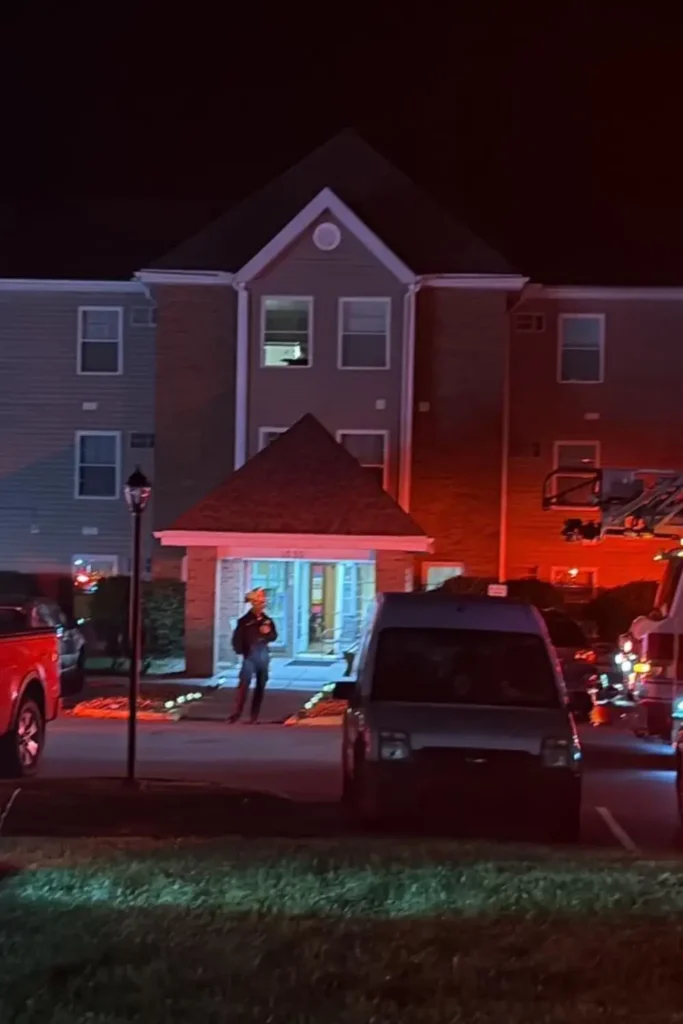
Heath Fire Department crews rushed to 1030 S. 30th St. in Licking County after a call came in just before 2 a.m. on May 11, 2026.
When they got there, the unit had heavy fire and smoke. The woman inside was pulled out – but she was pronounced dead at the scene.
Four other residents were taken to Licking Memorial Hospital with smoke inhalation. As of the latest update, all four are in stable condition.
According to a report by The Columbus Dispatch, the fire was contained to one unit. Fire Chief Warren McCord confirmed the cause is still under investigation. The victim’s identity has not been released.
Neighbors were evacuated to a church across the street. The building didn’t burn down. But a woman lost her life – and that’s the part that stays with you.
The Part Every Report Is Missing
Here’s something most news outlets didn’t mention: Bill E. Mitchell is an independent living facility – not a nursing home, not assisted living.
That distinction matters more than it sounds.
Independent living communities operate under far less stringent federal fire safety oversight than nursing homes or assisted care facilities.
Residents are expected to be capable of self-evacuation. But at 1:50 a.m., in a smoke-filled hallway, how realistic is that for a senior citizen living alone?
Nobody’s asking that question publicly. They should be.
This isn’t the first time a residential fire has exposed how little protection people actually have inside their own homes.
In a recent garage fire in Sandy, Oregon, the damage spread far beyond what anyone expected – a reminder of how fast fire moves when the right safeguards aren’t in place.
Why This Matters – The Numbers Behind the Risk
This isn’t just a local story. It’s a window into a national problem that’s getting worse every year.
According to data from the U.S. Fire Administration (USFA), adults 65 and older are 2.5 times more likely to die in a fire than the general population.
For those 85 and older, that risk jumps to 3.6 times higher. And over the last decade, the fire death rate among older adults has climbed 26%.
Here’s the part that makes the Heath fire feel even more preventable: only 17% of home fires happen between 11 p.m. and 7 a.m. – but those nighttime fires account for 41% of all fire deaths.
Think about that. The most dangerous window for fires is when seniors are least able to respond – asleep, disoriented, potentially with reduced hearing or mobility.
The NFPA reports that in senior residential facilities with fully functioning sprinkler systems, 88% of fires never spread beyond the room of origin.
Whether Bill E. Mitchell had a fully operational system is something investigators haven’t confirmed yet.
We’ve seen what happens when thick smoke takes over a structure quickly – like in this Johnston house fire where crews were racing against smoke spread from the moment they arrived.
If these kinds of stories concern you, there’s a community that tracks and discusses fire incidents and home safety updates – you might find it useful to follow along on this WhatsApp channel for timely coverage as stories like this one develop.
Questions the Community Deserves Answered
The investigation is ongoing. But there are things families shouldn’t wait for officials to answer.
If your parent or grandparent lives in a retirement community – independent living, assisted, or otherwise – ask the facility these questions today:
- Is the building fully sprinklered?
- When was the last fire drill, including one during overnight hours?
- What’s the evacuation plan for ground-floor units?
- How does staff alert residents if a fire starts at 2 a.m.?
Ohio’s administrative code actually requires facilities to conduct fire drills during sleeping hours. Whether that’s being followed at every independent living community in the state is another question worth asking.
These situations also put first responders in serious danger. In the Laurel Springs house fire, a firefighter was hurt and a mayday was called – a stark reminder of what crews walk into when a residential fire gets out of hand.
A Loss That Raises Bigger Questions
A woman died in her home – a place she chose to live independently, safely, in her later years. Her name hasn’t been released. Her story isn’t fully told yet.
But this much is clear: the fire safety gap for senior independent living communities is real, it’s documented, and it keeps showing up in stories like this one.
This is a developing story. Updates will be added as the investigation progresses and victim information is officially released.
Does this story hit close to home for you? If you have a family member living in a retirement community, drop a comment below – what fire safety questions have you asked the facility, or what do you wish you’d asked sooner?
Your experience could genuinely help someone else reading this.
For more stories on residential fires, home safety, and what these incidents mean for everyday families, head over to Build Like New – we cover the stories that matter, without the noise.
Follow us on X (Twitter) and the Facebook community to stay updated as this story develops and for coverage of similar incidents across the country.
Disclaimer: This article is for informational purposes only, based on early reports from local news outlets and official statements. Details may change as the investigation continues.