Storm Damage Spreads Across Memphis as Trees Fall on Residential Properties
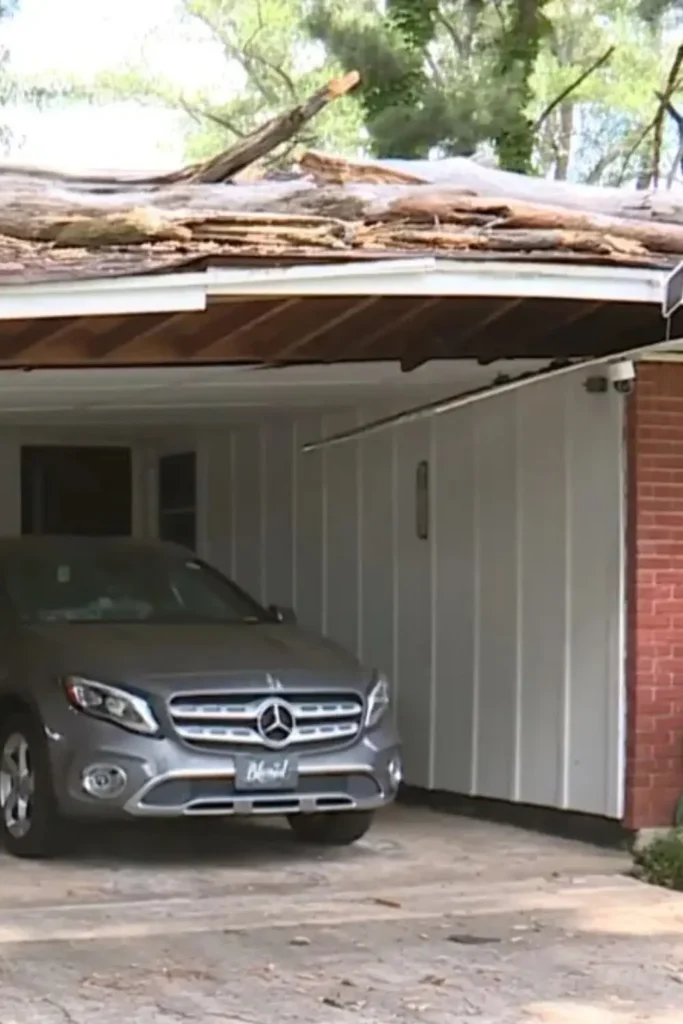
Saturday night felt ordinary for Yvonne Reeves. She was sitting in her Whitehaven home on Byron Drive, watching television, when the storm rolled in.
Then came the thump. Then breaking glass.
A large tree had crashed through her roof, causing extensive damage to her home. Despite the wreckage, no one was injured.
Reeves told WREG, “I’m grateful to God that it’s as well as it is. It could have been worse. I’m thankful I wasn’t injured because I already have some health issues going on.”
That kind of calm after something that terrifying says everything about how fast these situations can escalate and how little warning you actually get.
The Storm Hit More Than One Home
The Byron Drive incident wasn’t isolated. Severe thunderstorms that rolled through affected just over 13,000 MLGW customers across the Memphis area.
Drivers were also forced to divert on Marlin Road and Faronia Road in Whitehaven, where a downed tree blocked traffic while Public Works crews worked to clear the area. Cleanup was still ongoing into Monday morning across the Mid-South.
Why This Matters More Than You Think
Most people think falling trees are rare. They’re not.
In 2025, 34 people were killed in the U.S. by trees or branches brought down by high winds, more than lightning deaths that same year, according to NOAA’s Storm Data database.
Another 101 were injured. There were over 17,000 reports of thunderstorm high winds or storm wind damage across the U.S. in 2025 alone.
And it’s not just trees. Homes in the U.S. get hit by all kinds of sudden, unplanned impact events.
We’ve covered situations where two cars collided and sent a vehicle crashing into a Tyler home and cases where a drunk driver crashed into a Modesto home at 1 AM, killing two people inside.
The damage pattern is strikingly similar and so is the homeowner’s helplessness in those first few minutes.
The full picture on falling tree dangers during storms is something every homeowner in storm-prone areas needs to understand.
If you want updates on incidents like these as they happen, there’s a WhatsApp channel covering home safety and property damage news that’s worth following: Build Like New on WhatsApp.
If This Happens to Your Home, Do This First
1. Get out if it’s serious. Sagging ceilings, cracking walls, or groaning sounds mean leave now. Don’t wait.
2. Stay away from downed power lines. Call the utility company. Don’t touch anything near them.
3. Document before you touch anything. Photos, video, multiple angles, inside and outside. This is your insurance claim.
4. Call your insurer immediately. Most standard homeowners policies cover sudden storm tree damage. Start the process as early as possible.
5. Tarp the roof, board broken windows. These steps prevent further damage from the elements while the claims process moves forward.
It’s worth remembering that sudden structural damage catches homeowners off guard almost every time.
We saw the same shock play out when a car with nobody inside crashed through a Tennessee home and nobody saw it coming. The aftermath and the questions are always the same: What do I do now? Am I covered?
Key Takeaways
- Yvonne Reeves is safe but her home took serious damage with zero warning
- Over 13,000 Memphis-area customers lost power in the same storm system
- Falling trees kill more Americans annually than lightning
- Document everything before touching anything, your insurance claim depends on it
- MLGW outage hotline: (901) 544-6500
Have trees near your home that concern you after reading this? Or been through a storm like this yourself? Share your experience in the comments — it might help someone else know what to expect.
If you found this useful, follow Build Like New on X and join the conversation in our Facebook community. We cover real incidents, home safety tips, and what to actually do when things go wrong at home.
Disclaimer: This article is for informational purposes only. For insurance coverage specifics, contact your homeowners insurance provider directly.