Burglary in Cedar Rapids Neighborhood Shows Why Home Security Matters
A 32-year-old Cedar Rapids man is facing serious felony charges after allegedly breaking into a Northeast side home over the July 4th weekend and walking out with a handgun.
According to KCRG-TV9, Adrian Pereira was charged with first-degree burglary while armed with a dangerous weapon, trafficking in stolen weapons, and carrying a dangerous weapon as a person ineligible to do so. All three are felonies under Iowa law.
The alleged break-in happened at a home on the 6700 block of Devonshire Drive in NE Cedar Rapids. Clothing and a handgun were reportedly among the stolen items.
Three Charges, Each Telling a Different Story
Most local news stops at the headline. But three separate charges here means three separate things went wrong, and each one carries its own legal weight.

First-degree burglary in Iowa is a Class B felony. That means up to 25 years in prison. It applies when someone enters an occupied structure while armed with a dangerous weapon. If someone was home at the time, the stakes go even higher.
Trafficking in stolen weapons under Iowa Code §724.16A makes it a felony to knowingly possess or transfer a stolen firearm, even if you didn’t pull the trigger. First offense is a Class D felony. If the weapon ends up used in a crime, it escalates to Class C.
Carrying as an ineligible person strongly suggests Pereira has a prior disqualifying record. Iowa recently toughened these penalties. First-time offenders now face a mandatory minimum of two years, no exceptions.
Three charges. Potentially decades of exposure. This wasn’t a minor slip.
Why This Matters Beyond the Headline
Here’s what most local coverage misses: a stolen handgun is not just a missing object. It’s a public safety problem that can outlast the original crime by years.
According to the ATF’s National Firearm Commerce and Trafficking Assessment, approximately 266,000 guns are stolen in the U.S. every year, enough to arm one in every five violent offenders annually. And 95% of those come from private citizens, not gun stores.
Only 28% of stolen firearms are ever recovered by their owners. The rest enter a shadow market that law enforcement spends years trying to trace.
Handguns are the most commonly stolen firearm in residential break-ins, present in at least 63% of burglaries involving a stolen gun. They’re small, easy to conceal, and worth real money on the street.
The July 4th timing matters too. Holiday weekends mean more homes are unoccupied, neighbors are distracted, and routine surveillance drops. Burglars know this.
The NE Cedar Rapids neighborhood on Devonshire Drive is residential, not remote. This could’ve happened on any block.
Residential break-ins rarely stay isolated either. When Irvine police busted an organized burglary ring operating across Southern California, investigators found the same pattern: quiet neighborhoods, holiday-adjacent timing, and stolen items that moved fast into the wrong hands.
If you follow residential crime cases and want updates as stories like this develop, there’s a channel worth having in your feed.
What Homeowners Should Take Away
If your neighbor’s home was just broken into, your home security plan deserves a second look. Not because it’s guaranteed to happen again, but because these incidents cluster.
Firearms need to be locked. Iowa has no mandatory safe storage law, but a firearm in a drawer is a firearm waiting to be stolen. A quick-access gun safe costs less than the average burglary loss, estimated at $2,661 per incident.
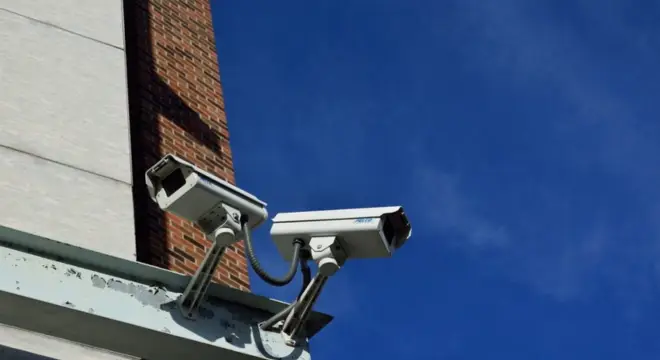
Visible deterrents still work. A survey of convicted burglars found that 37% would avoid a home with an outdoor security camera. Motion-sensor lights, cameras at entry points, and even a neighbor with eyes on your property all reduce risk.
Entry points matter more than people think. In Madison, a burglar walked straight through an unsecured garage door and into the home with no forced entry needed.
The Madison garage burglary case showed exactly how overlooked interior entry points become the easiest path inside. A deadbolt on your interior garage door is one of the cheapest fixes with the highest impact.
Vacant and distracted properties are prime targets. In the Atascocita case, a repairman was found dead inside a vacant property, a reminder that unoccupied or infrequently monitored homes carry their own risk profile, especially during holiday weekends when neighbors aren’t watching.
Holiday weekends are high-risk windows. Leave lights on timers. Let a trusted neighbor know you’re away. Don’t announce travel on social media. These are basic habits, but most people skip them.
Wrapping Up
Adrian Pereira has been charged, not convicted. Every person is presumed innocent until proven guilty in court. The case is ongoing.
But this incident is a reminder that a break-in isn’t just a property crime. When a gun leaves a home in someone else’s hands, the consequences can follow a community for a long time.
If this story hit close to home, take five minutes this week to check your entry points, review your camera coverage, and if you own a firearm, make sure it’s secured.
Have you upgraded your home security after a nearby break-in? What actually worked for you? Drop it in the comments. Your experience might help someone else on the block.
For more home security news, local crime coverage, and practical safety guides, visit Build Like New. We cover the stories that affect your home and break down what they actually mean for you.
For more stories like this with the context most outlets skip, follow Build Like New on X (Twitter) and join the conversation in our Facebook community. That’s where these cases get discussed in real time.
Disclaimer: This article is for informational purposes only. Adrian Pereira is charged but has not been convicted. All individuals are presumed innocent until proven guilty in a court of law.