Montana Man Returns Home to a Break In and the Security Footage Tells the Whole Story
Most burglaries are about opportunity. A door left unlocked. A window cracked open. Someone watching the house go dark.
This one was different. The burglar did not need to guess his way in. He already knew the combination to the safe.
That detail changes the entire conversation about what home security actually means.
What Happened in St. Ignatius
On January 11, 2025, a homeowner in St. Ignatius contacted law enforcement to report a possible burglary at his residence. He said 15 firearms were missing.
Surveillance footage showed Gentry William Brown, 28, directing a vehicle to park in a nearby alley, then walking to and from the residence between 2 a.m. and 5:45 a.m. The footage also showed Brown returning later that same evening and entering the residence again.
When officers interviewed Brown, he admitted entering without permission. He also told investigators he had previously worked for the homeowner and knew the combination to the safe where the guns were stored.
According to Lake County Leader, Brown pleaded guilty on June 25 in Polson District Court to two counts of burglary and one count of theft of a light vehicle in a separate case.
The plea agreement calls for a joint recommendation of 16 years in Montana State Prison on the burglary charges, plus restitution of $13,532.14. Sentencing is set for August 13.
The Safe Did Not Fail. The Access Policy Did.
Brown did not crack the safe. He walked up, entered the combination, and opened it.
The lock worked exactly as designed. The problem was that someone outside the household still knew how to use it.
This is the part of home security that rarely gets discussed. People invest in quality safes and alarm systems, then forget to update who has access when circumstances change.
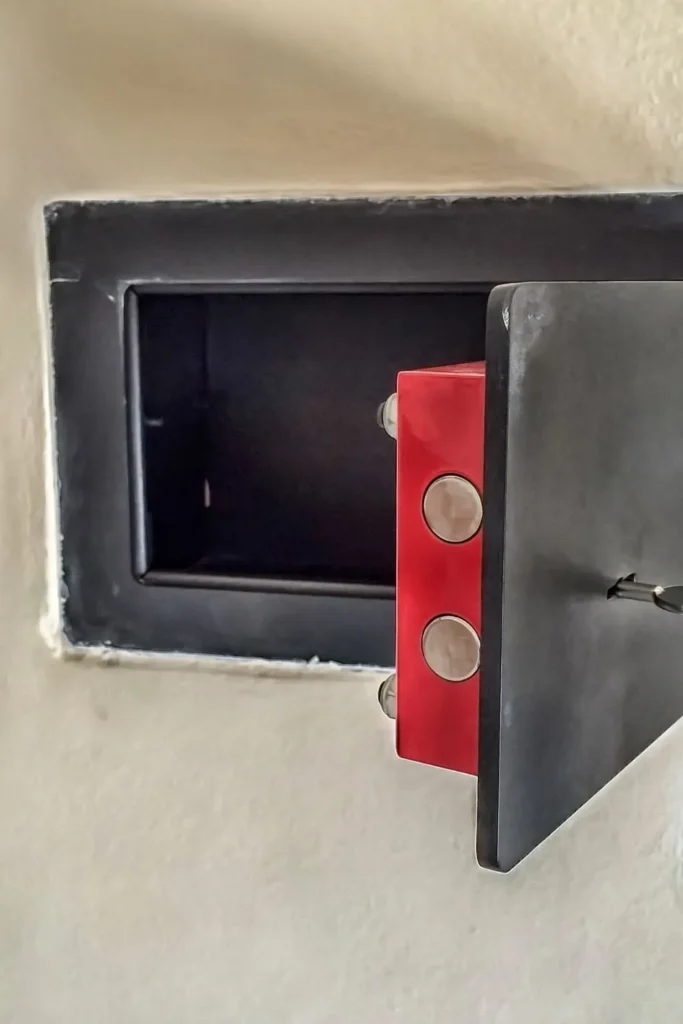
A former employee. A contractor. A relative who used to live there. Anyone who once had a legitimate reason to know the combination and was never told it changed.
When that access is not revoked, the lock becomes symbolic.
This Pattern Shows Up More Often Than People Realize
Insider-access burglaries, where someone uses prior knowledge of a home to commit a crime, follow a pattern that traditional security setups are not designed to catch.
Organized crews operate the same way at a larger scale.
Irvine police recently dismantled a group linked to more than 10 targeted residential burglaries across Southern California, with investigators noting the crew selected homes based on prior observation and identified entry points that made the jobs look almost frictionless from the outside.
The Madison burglary case earlier this year made a similar point, where investigators found that a homeowner’s garage became the entry point after a gap in basic access control the homeowner had not thought to close.
The physical lock is rarely the weakest link. The access list usually is.
If you follow residential crime stories and want to stay ahead of what is happening, there is a WhatsApp channel worth adding to your reading list that covers these cases as they develop. Useful if you want to stay informed without digging through news feeds.
Why This Matters
Firearms theft is not just a personal loss. It is a public safety issue.
The ATF recommends securing firearms in a locked safe or cabinet and reporting stolen guns immediately. But the guidance most gun owners skip is access management.
When someone who once had a reason to know your combination no longer should, that combination needs to change.
Beyond firearms, this applies to any secured storage in your home. A safe is only as secure as its current access list.
Gun owners should also keep records separate from the safe itself, including serial numbers, purchase receipts, and photos. That documentation helps law enforcement identify recovered firearms and supports any insurance claim after a theft.
A repairman in Atascocita, Texas, arrived at a vacant property for a routine job and never came home. These cases are reminders that what starts as a property dispute can become something far more serious. Access control is not just about protecting belongings.
Key Takeaways
- Gentry William Brown, 28, pleaded guilty to two counts of burglary after stealing 15 firearms from a St. Ignatius home
- Brown had previously worked for the homeowner and knew the combination to the safe
- Sentencing is set for August 13, with a joint recommendation of 16 years in Montana State Prison
- Restitution in the burglary case is set at $13,532.14
- The ATF recommends updating safe combinations whenever access circumstances change
- Keep firearm records including serial numbers and purchase receipts stored separately from the safe
- Insider-access burglaries follow a pattern traditional security systems are not built to catch
What would you do differently after reading this? Would you change your safe combination today, or is this the kind of thing most people push off? Drop your take in the comments.
Wrapping Up
The safe in that St. Ignatius home was not broken. It was opened. That distinction is the whole story.
A lock is only as strong as the list of people who can use it. When that list is not maintained, the hardware does not matter.
If this kind of story is useful to you, Build Like New covers property crime, home security, and real incidents that affect homeowners. Worth bookmarking at Build Like New if you want more than just the headline.
Follow the conversation on X (Twitter) and join the Facebook community. These stories get discussed in real time, right there.
Disclaimer: This article is for informational purposes only. All details are based on publicly available reports at the time of publication.