Firefighters Had No Water for 15 Minutes While This Florida Home Was Swallowed by Fire
Early Tuesday morning, a house on Zamora Street in Vilano Beach, Florida, caught fire around 4:30 a.m. By the time St. Johns County Fire Rescue arrived, there was almost nothing they could do to save it.
The building collapsed before firefighters could make any real progress. At that point, they had to pull back completely and switch to defensive operations. Just trying to keep the fire from spreading next door.
No one died. But the home was gone.
And here is the part that should concern every homeowner: the nearest fire hydrant was more than 1,000 feet away.
What the Code Actually Says
St. Johns County’s own land development code requires that no residential home should be more than 600 feet from a fire hydrant. Hydrants are supposed to be spaced every 660 feet.
The house on Zamora Street was nearly double that distance from the nearest one.
A neighbor, Edward Raffanello, woke up to firetrucks outside his window. He told First Coast News that firefighters were waiting 10 to 15 minutes just to get water to their pump ropes.
Fifteen minutes. In a house fire, that is an eternity.
Why This Neighborhood Was Left Behind
The county confirmed these homes were built before the development code was updated and before St. Johns County even took over utilities in Vilano Beach. The area was historically serviced by a private utility provider, not the county.
So the homes exist. The people live there. But the infrastructure that was supposed to protect them was never fully updated to match modern safety standards.
This is not a mistake that happened overnight. It is a slow-moving gap that nobody fixed.
This Is Not Just a Vilano Beach Problem
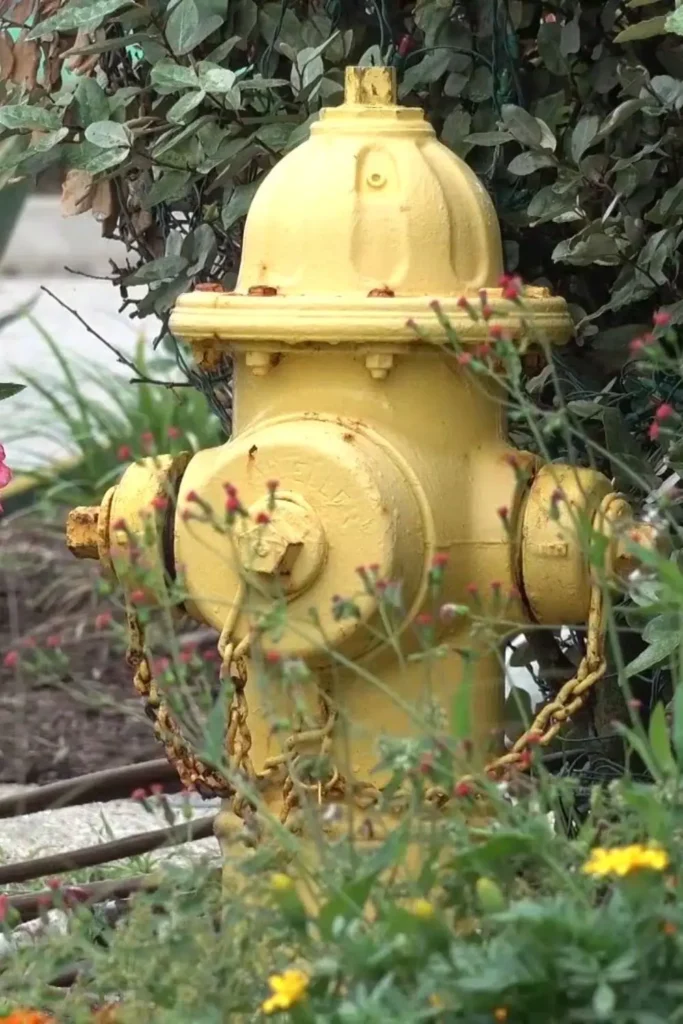
Older neighborhoods across the U.S. are sitting in the same situation. Homes built decades ago predate current NFPA standards, which require at least one hydrant within 600 feet of any single-family home.
This pattern shows up in the most painful ways. When 21 pets died in a Wisconsin house fire while the owner was away, the absence of nearby water access was again part of why the fire could not be stopped in time.
Water shortage is not always about drought either. When a fire tore through four Raleigh townhomes in just 90 minutes, reduced water pressure and access made a fast fire faster.
The infrastructure gap is real, it is widespread, and it keeps showing up in fire after fire.
Why This Matters
According to the NFPA’s 2024 fire loss report, U.S. fire departments responded to an estimated 1,388,000 fires in 2024. Home structure fires caused 2,920 deaths and $11.4 billion in direct property damage that year alone.
Delayed water access does not just slow firefighters down. It changes the outcome entirely.
And the consequences are not always just property loss. In some fires, the delay costs lives, like in the Altoona house fire on Skyview Drive where one person did not make it out.
What You Can Do Right Now
Check how far your home is from the nearest fire hydrant. Use Google Maps satellite view or call your local fire department. Most maintain public hydrant maps.
If you are in an older neighborhood, contact your county utilities department and formally request a hydrant placement review. St. Johns County confirmed residents can make this request directly.
Hydrants can only be added where water mains are at least six inches in diameter, but the conversation is worth starting.
If you want to stay on top of fire incidents and home safety news as they happen, there is a WhatsApp channel that covers exactly this kind of breaking story. Worth having in your updates if this is something you care about.
Also: a working smoke alarm still gives you the early warning that buys critical minutes when a hydrant cannot.
What the Vilano Beach Fire Is Really Telling Us
A home being legally built does not mean it is safely protected by today’s standards. Infrastructure ages. Codes improve.
But homes in older neighborhoods often get left behind, quietly, slowly, and without anyone noticing until something burns.
One neighbor is already pushing for change on Zamora Street. That is exactly how this starts.
If you live in an older area, this is worth a five-minute check.
Do you know how far the nearest fire hydrant is from your home? Drop your answer in the comments. You might be surprised, and your answer could help someone else reading this realize they should check too.
For more coverage on home fires, safety gaps, and what they mean for where you live, follow Build Like New on X and join the conversation on the Build Like New Facebook page. We post updates as stories develop.
Disclaimer: This article is for informational purposes only. Please contact your local fire department or county utilities department for fire safety concerns specific to your property.