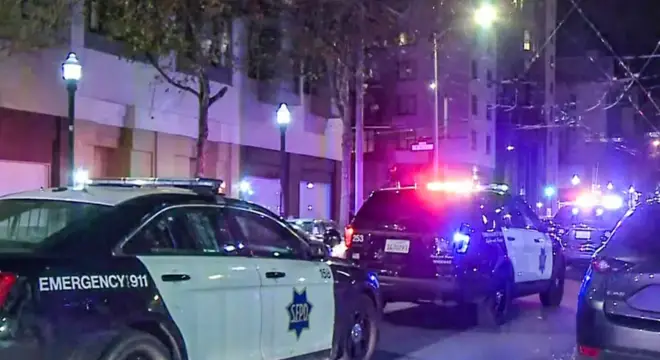
Tesla Slams Into North Tampa Porch While Family Was Still Asleep Inside
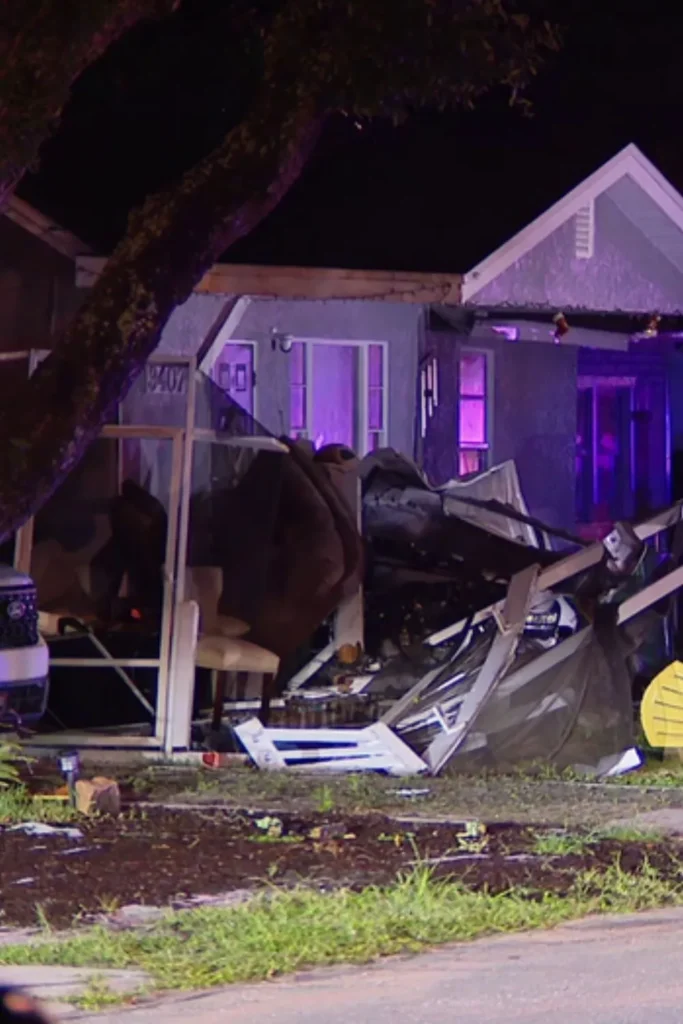
Early Tuesday morning in North Tampa, a family inside their home had no idea a Tesla was about to hit their front porch. There was no warning. No time to move. Just impact.
The crash happened on June 30, 2026, in the 9400 block of North 13th Street. The home was occupied. A utility wire came down. And Tampa police are now piecing together exactly how it happened.
This is the second time in under two weeks that a Tesla has driven into an occupied residential home in the United States.
What Happened on North 13th Street That Morning
A Tesla struck the front porch of a home in the North Tampa area early Tuesday morning, according to the Tampa Police Department.
The home was confirmed occupied at the time. No injuries were reported.
TECO sent crews to repair a downed utility wire knocked down during the collision. Utility officials have not confirmed how long repairs will take for the surrounding neighborhood.
Tampa police are investigating the circumstances leading up to the crash. Speed is being looked at as a possible contributing factor.
What Police Are and Are Not Saying
The driver’s identity has not been released. The Tesla model involved has not been confirmed. There is no mention in the initial police statement of Autopilot or any automated driver-assistance feature being active at the time.
That absence is worth noting, given what is happening nationally right now.
According to Fox 13’s reporting at the scene, no additional information has been released and no charges have been filed.
Police have confirmed very little. But the timing of this crash, just 11 days after another Tesla drove into a Texas home and killed a 76-year-old woman, makes every unanswered question feel heavier.
This Is the Second Tesla Into a Home in Two Weeks
On June 19, 2026, a Tesla Model 3 allegedly operating on a driver-assistance system slammed into a brick home in Katy, Texas, near Houston. Martha Avila, 76, was standing inside and was killed.
The driver, Michael Butler, told authorities the car’s automated system was active at the time.
Tesla VP of AI Ashok Elluswamy responded on X that the driver had manually pressed the accelerator to 100 percent, reaching 73 mph in a residential area. That account has not been independently verified.
Elon Musk posted on X that the crash “makes no sense.”
The NHTSA launched a Special Crash Investigation on June 22. The NTSB opened a separate probe two days later. The Avila family has since filed a lawsuit against Tesla.
Now, 11 days later, a Tesla has driven into another occupied home. This time in Tampa. And again, the family had no warning.
This kind of crash is not new territory. The family in East Windsor, Connecticut who had a car come through their home for the second time in under a year is a stark reminder of how quickly a front wall stops being a barrier.
If you want to stay ahead of how incidents like this develop, there is a WhatsApp channel that covers residential and property stories as they break. Worth having on your radar.
Why This Matters
This is not just a local traffic story. It connects to a larger national question about who is responsible when automated driving technology fails.
The NHTSA has opened more than 46 special crash investigations into Teslas involving self-driving technology over the past decade. In more than a dozen of those, at least one person was killed.
A separate federal probe is currently open into 2.88 million Tesla vehicles over 80 documented instances of FSD executing traffic violations.
In December 2025, a California administrative law judge ruled that Tesla’s “Full Self-Driving” label was, in the judge’s words, “actually, unambiguously false.”
In August 2025, a federal jury found Tesla 33 percent liable for a 2019 Autopilot crash, with potential damages of $243 million.
Vehicles ending up inside occupied homes for different reasons keeps surfacing across the country. A drunk driver on Main Street in Wanatah, Indiana sent his car into a home and died in the crash while residents had no time to react.
In another case, a crash notification led responders straight into a death investigation inside the home, showing that when a car hits a house, the story rarely ends at the porch.
The Tampa family got out without injuries. The woman in Texas did not. Both crashes now sit inside the same unanswered national question: when a car drives into someone’s home, who is actually responsible?
Key Takeaways
- Tesla struck an occupied home on North 13th Street, North Tampa, on June 30, 2026
- Home was occupied at the time; no injuries reported
- TECO repaired a downed utility wire at the scene
- Speed is under investigation; no charges filed
- Driver identity and Tesla model not yet disclosed
- Crash happened 11 days after a Tesla killed a woman inside her Texas home
- NHTSA and NTSB both have active probes into the Texas crash
- Tesla’s automated systems are under multiple separate federal investigations
When a car drives into an occupied home and the family had no warning, who should be held responsible: the driver, the software, or the company that built it? Drop your take in the comments. Genuinely curious where people land on this one.
Wrapping Up
A Tampa family woke up Tuesday to a car in their front porch. They are fine. But the more you look at this, the harder it is to call it just a local story.
If this kind of story is your thing, Build Like New covers vehicle crashes into homes, residential safety incidents, and the bigger patterns most outlets rush past. Worth bookmarking if you want the full picture.
For more stories like this as they develop, follow Build Like New on X (Twitter) and join the conversation on the Facebook community. That is where these incidents get discussed in real time.
Disclaimer: This article is for informational purposes only. All details are based on publicly available reports and official statements at the time of publication. The Tampa investigation remains ongoing and no conclusions have been drawn about the cause of the crash.