Albert Lea Family Saved From House Fire by Smoke Alarms
I have covered house fires for years, but stories like the recent Albert Lea house fire still hit differently. A home on Alcove Street was completely destroyed in minutes.
Everything inside was gone. And yet, the people and their pets walked out alive. Not because of luck, but because a small device most of us ignore actually did its job.
When I read what happened, one detail stood out. The family was not even in immediate danger when the fire started.
They heard their smoke alarms, checked a bedroom, saw the fire, and got out before things got worse. That decision, made in seconds, is what saved their lives.
You and I both know how easy it is to overlook something like a smoke alarm. Maybe the battery is low. Maybe it goes off randomly and gets annoying.
So we ignore it. This incident is a reminder that those small habits can turn into life or death moments without warning.
If a fire can destroy an entire home this fast, the real question is simple. Are you actually prepared if this happens in your house tonight?
Details of the Albert Lea House Fire
When I went through the full report from ABC 6 News coverage, what stood out to me was how simple details can explain everything. This was not a slow incident. It escalated quickly, and every second mattered.
Incident Timeline
If you look at the timing, it all started on April 25 at around 7:16 p.m. at a home on Alcove Street. By the time firefighters reached the scene, the fire was already visible on two sides of the house.
That tells me one thing clearly. A house fire does not build slowly the way most people imagine. It spreads fast, often before you even realize what is happening.
Response and Emergency Services
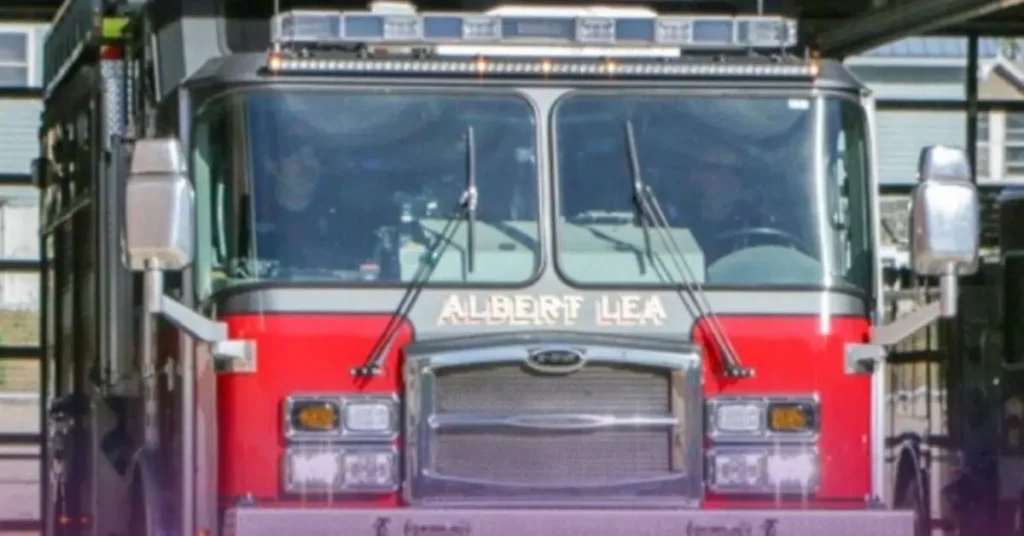
From what I can see, the response was quick and well coordinated. Albert Lea Fire Rescue arrived and used hose lines to bring the fire under control.
At the same time, the Minnesota Fire Marshal’s Office stepped in to investigate the cause, which is still under review. Police, ambulance services, and even the Salvation Army were also part of the response.
When you look at this, you realize a house fire is never just one team handling it. It becomes a full system response because the impact goes beyond just the fire.
Residents and Pets
This is the part where you and I should pause for a second.
The family had already made it out before firefighters arrived. They were safe at a neighbor’s house, with no injuries reported.
And the reason they got out in time was simple. They heard their smoke alarms, checked a rear bedroom, saw the fire, and left immediately with their pets before calling 911.
The home was completely destroyed, but every life inside was saved. That contrast is hard to ignore. It makes you think about your own home. If something like this happens tonight, would you even get that early warning?
How Smoke Alarms Saved Lives
When I break this down, it is not complicated. It is a chain reaction that worked exactly the way it should.
Early Warning in Action
The smoke alarms went off. The family did not ignore them. They checked a bedroom, found the fire, and called 911.
That sequence sounds simple, but most people miss one step. Either they delay or they assume it is nothing serious. In this case, they acted immediately, and that is what made the difference.
Seconds That Matter
The house and everything inside it was completely destroyed. That alone tells you how fast the fire spread.
But here is what I want you to notice. Even though the damage was total, there were no injuries. That gap between loss of property and saving lives comes down to just a few seconds of early action.
Fires like this can wipe out everything in minutes, just like in this garage fire that left a family without shelter, where the damage escalated before anyone could react.
If those alarms had not worked or had been ignored, the outcome could have been very different.
Common Causes of Residential Fires
When I see incidents like this, I do not just focus on what happened. I look at what usually causes these fires in the first place.
Investigative Status
The exact cause of this fire is still under investigation. And honestly, that is normal.
But for you and me, this is still a learning moment. You do not need the exact cause to understand the risks inside your own home.
Common Risk Factors
From years of data, a few causes keep coming up again and again.
Electrical faults are one of the biggest ones. Old wiring or overloaded circuits can spark without warning.
Cooking accidents are another major factor, especially when something is left unattended.
Heating equipment also plays a role, especially during colder months when devices run longer than usual.
And in some cases, the outcome turns deadly, like this early morning house fire where one person lost their life, showing how quickly things can go wrong.
If you want to explore real data behind these risks, reports from the U.S. Fire Administration give a clear picture of how common these causes actually are.
Lessons from the Albert Lea Incident
What I take from this is not just the story. It is what you can do differently starting today.
Fire Safety Tips
Start with the basics. Test your smoke alarms regularly. Do not wait for them to fail.
Make sure batteries are working. A dead alarm is as good as no alarm.
And most importantly, have a simple escape plan. Not something complicated. Just a clear path that everyone in your home understands.
Behavioral Insights
This is where most people get it wrong.
I have seen many cases where alarms go off, and people ignore them thinking it is a false alert. That habit can be dangerous.
I have seen situations where small negligence leads to serious consequences, like this case where a father was charged after a fatal house fire, which could have been prevented.
Another thing people forget is their pets. In a real emergency, panic takes over. If you have not thought about how to get them out, you lose time.
This incident shows something very clearly. It is not just about having safety tools. It is about how you react when they actually go off.
I usually keep sharing short real-life fire incidents and quick safety takeaways in a simple format so people stay aware without going through long reports.
Fire Safety Checklist for Every Household
At this point, I think the real question is not what happened there. It is what you are doing in your own home right now.
Smoke Alarm Placement and Maintenance
You should not just have smoke alarms. You should have them in the right places.
Install them in bedrooms, hallways, and every level of your home. Test them regularly. Do not wait for that low battery sound to remind you.
If an alarm is not working, it is not a small issue. It is a silent risk sitting on your ceiling.
Emergency Escape Plan
I always tell people to keep this simple.
You need two ways out of every room if possible. Everyone in your home should know where to go once they are outside.
Do not assume you will figure it out in the moment. Fires create confusion fast. A simple plan removes hesitation.
Regular Drills for Family and Pets
This is the part most people skip.
Run a quick drill with your family. It does not have to be perfect. Just make sure everyone knows how to react.
And think about your pets too. In real situations, they hide or panic. If you have not planned for them, you lose time trying to find them.
Community and Expert Recommendations
What I like about this incident is that the message coming out of it is very clear. It is not just advice. It is coming from people who deal with these situations every day.
Fire Department Advice
Albert Lea Fire Rescue has already made it simple.
Check your smoke alarms. Make sure they work. Practice your escape plan.
It sounds basic, but this case proves that following these steps is what saved lives.
Expert Guidance
If you look at broader recommendations, they all point in the same direction.
The American Red Cross and the National Fire Protection Association both emphasize early warning systems and quick evacuation.
You can also go through practical home safety steps shared by the American Red Cross.
When multiple trusted organizations repeat the same advice, it is usually because it works.
Prevention Beyond the Home

Fire safety is not just an individual responsibility. It works better when the whole community is involved.
Community Programs
Many local areas run smoke alarm distribution programs, especially for older homes.
Awareness campaigns also help people understand risks they usually ignore.
If your area offers something like this, it is worth paying attention. Small steps at a community level can prevent larger incidents.
Schools and Neighborhood Outreach
Teaching kids about fire safety is one of the smartest long term moves.
When children understand what to do, they react faster and even remind adults.
Neighbors also play a role. In this case, the family was safe at a neighbor’s home. That kind of support system matters more than people realize.
So think about it this way. Fire safety is not just about your house. It is about how prepared everyone around you is.
Key Takeaways
If I had to simplify everything from this incident, it comes down to a few clear points.
A fire can take everything from you in minutes, but it does not have to take lives. That difference is created by preparation.
Smoke alarms are not optional. They are your first line of defense. But they only work if you maintain them and actually respond when they go off.
You also need a basic escape plan. Not something complex. Just something that helps you act fast without thinking twice.
And maybe the biggest lesson is this. Most people believe these things will not happen to them. Until they do.
So let me ask you something.
Have you checked your smoke alarms recently? And does everyone in your home know exactly what to do if they go off tonight?
If this made you think even a little, drop your thoughts in the comments. I would like to know what changes you are planning to make after reading this.
And if you want more practical, real world insights like this, you can explore more on Build Like New where I break down things that actually matter for your home and safety.
If you like staying informed through real incidents like this, you can also follow along on X and join discussions inside the Facebook group, where I share updates and insights regularly.
Disclaimer: This content is for informational purposes only and is based on publicly available reports and general fire safety guidelines. It is not a substitute for professional advice, official investigations, or emergency services guidance. Always follow recommendations from your local fire department and safety authorities.