Experts Reveal How Often You Must Clean Air Ducts
I never thought much about my air ducts—until I started sneezing constantly at home, even though I don’t have allergies. It wasn’t the pets, the pollen, or even the cleaning schedule I was keeping. Turns out, the very system that’s supposed to keep my air clean might have been making me sick. Dust, mold spores, and other invisible debris can build up over time, circulating through every room without you noticing. That’s why understanding how often to clean air ducts isn’t just about maintenance—it’s about protecting your health, comfort, and peace of mind.
In this article, I’m going to break down the real signs your ducts need attention, the frequency most experts recommend, and the practical steps you can take to breathe easier at home. You’ll see why a few small habits can save you from months of hidden irritants—and maybe even a doctor’s visit.
What Air Ducts Are and How They Get Dirty
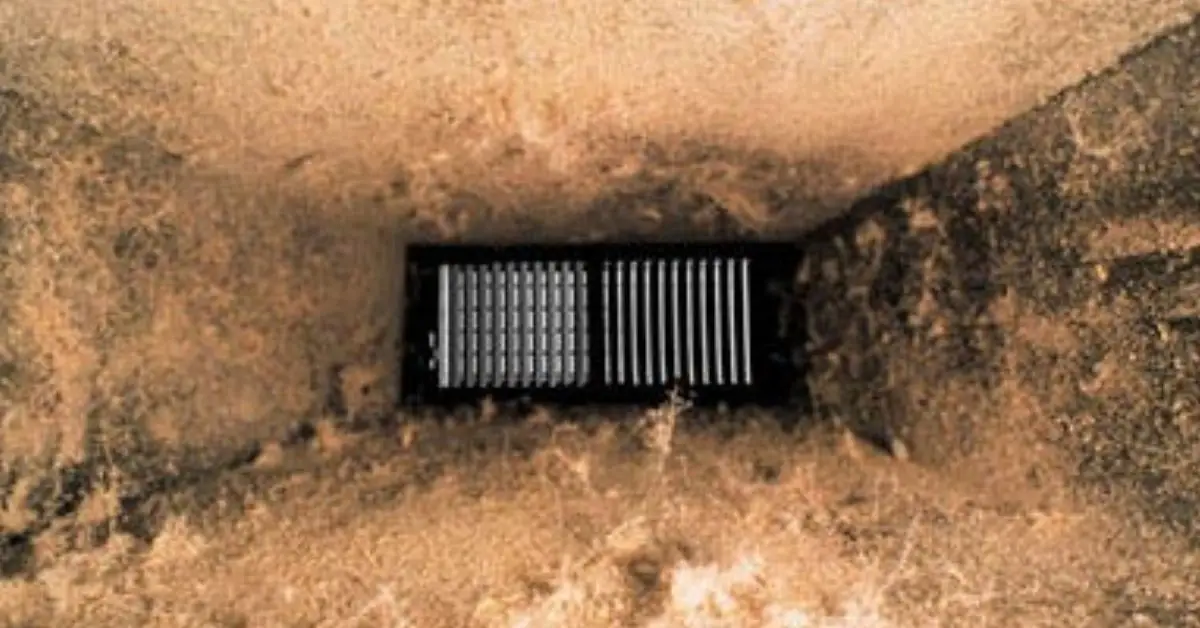
When I first looked inside my air ducts, I realized they’re more than just metal tubes hidden in walls and ceilings. They’re the highways for all the air you breathe at home. Every time your HVAC system runs, it pushes air through these ducts, delivering heat or cool air to every room. But along with that air comes a bunch of things you don’t want—dust, pollen, pet dander, and even mold spores if moisture sneaks in.
Here’s what can make your ducts a magnet for contaminants:
- Dust and dirt: Tiny particles from carpets, furniture, and clothing constantly circulate.
- Pollen and outdoor allergens: Even a closed window can’t stop every particle from entering.
- Pet dander: If you have furry friends, their shedding builds up faster than you realize.
- Moisture and mold spores: Small leaks or condensation can create a breeding ground for mold.
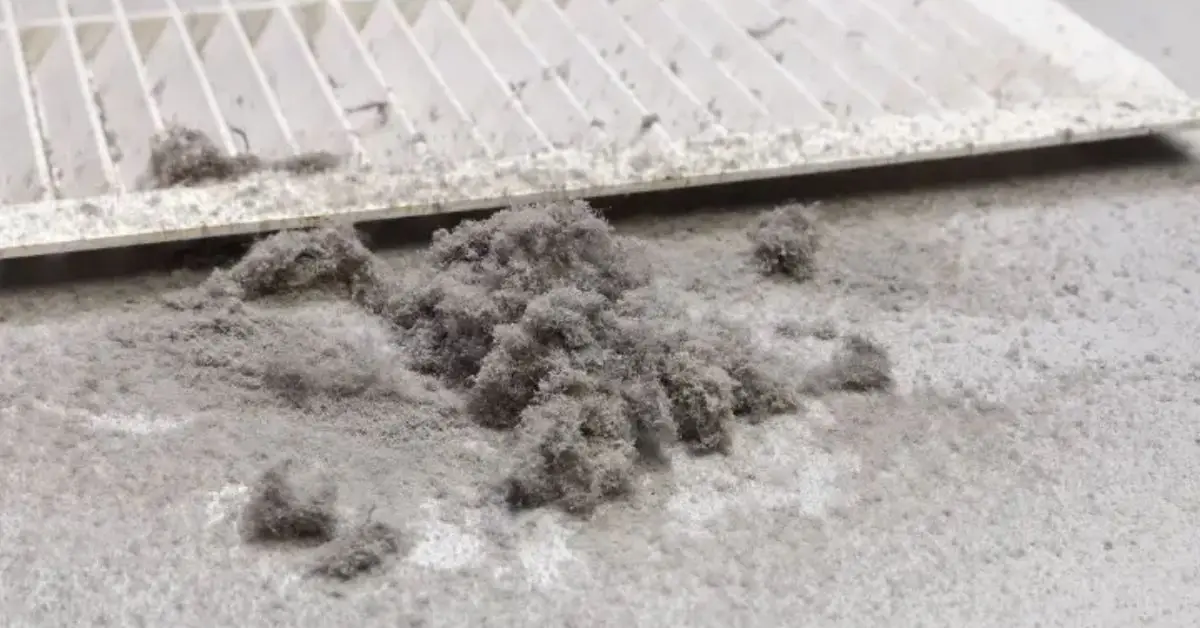
Even if your HVAC system seems to run perfectly, normal airflow actually spreads and traps these particles inside the ducts. Think of it like a river: even if the water is moving, sediments settle in corners, forming layers over time. Experts agree that without occasional cleaning, these buildups can quietly accumulate and eventually affect your indoor air quality.
Industry Standard Frequency: Base Recommendations
So, how often should you clean your air ducts? I know this is the question on everyone’s mind.
Here’s why this range makes sense:
- Most homes don’t have extreme dust or allergen loads.
- Properly maintained HVAC systems with good filtration prevent rapid buildup.
- Cleaning too often can be costly and usually doesn’t add measurable benefits.
The EPA also supports this approach, noting that routine cleaning isn’t necessary unless specific problems exist, like visible mold, pest infestations, or significant dust release from the ducts. You can read more about their recommendations on EPA’s official indoor air quality guidance.
Here’s a quick summary table for clarity:
| Home Type / Condition | Recommended Cleaning Frequency | Why |
|---|---|---|
| Standard home | Every 3–5 years | Normal dust accumulation, standard HVAC usage |
| Pets or allergies | Every 2–3 years | Higher dander and allergen load |
| Renovation / construction | Immediately after project | Dust and debris introduction |
| High pollution / smokers | 2–3 years or sooner | Increased residue in ducts |
This gives you a baseline, but in the next section, I’ll explain how to adjust frequency depending on your specific situation and what signs to watch for so you don’t wait too long.
Tailoring Cleaning Frequency: Who Should Clean More Often
Not all homes are the same, and neither are air ducts. I quickly learned that a one-size-fits-all cleaning schedule doesn’t work. Depending on your household and lifestyle, you might need to clean more often to keep the air you breathe safe and comfortable.
Here’s how I break it down:
Homes with Pets
If you’ve got dogs, cats, or even small furry friends, you’ll notice the difference fast. Dander and fur accelerate buildup inside your ducts.
- Recommended: every 2–3 years
- Signs to watch: visible hair around vents, extra dust on furniture is a common reason for more frequent cleanings.
Allergy or Asthma Sensitivities

For anyone with allergies or asthma, clean air isn’t a luxury—it’s a necessity. More frequent cleanings help reduce triggers and improve breathing comfort.
- Recommended: 2–3 years, or 1–2 years in severe cases
- Signs to watch: unexplained sneezing, congestion, or worsening asthma symptoms
After Renovations or Construction
I’ve seen friends skip cleaning after home projects, thinking dust will settle on its own. It doesn’t. Construction dust can coat duct interiors fast, which is why The Environmental Literacy Council recommends immediate post‑project cleaning to prevent debris from spreading throughout your home.
Smokers or High Pollution Areas
Residue from smoke, cooking, or outdoor pollution can make your ducts dirty sooner than usual.
- Recommended: 2–3 years or sooner if you notice buildup
- Signs to watch: lingering odors or yellowing dust
Heavy HVAC Use / Older Homes
Older homes or systems that run constantly are more prone to accumulation.
- Recommended: review every 2–3 years
- Signs to watch: uneven airflow, rapid dirt buildup
Clear, Visible Indicators You Need to Clean Sooner
Sometimes, waiting for a schedule isn’t enough. I’ve learned the hard way that your ducts will often tell you when they need attention—you just need to notice the signs.
Watch out for:
- Musty or persistent odors from vents that linger even after cleaning
- Visible dust or mold growth around vent openings
- Increased allergy symptoms indoors, especially after being home for a while
- Reduced airflow or uneven heating/cooling across rooms
- Rapid re‑dirt buildup right after a recent cleaning
These signs are far more practical than relying on a fixed number of years. They help you take action before the air quality in your home starts affecting your health, comfort, or energy bills.
Health Risks of Dirty Ducts: What Studies & Experts Say
When I finally inspected my ducts, I realized the buildup wasn’t just unsightly—it could actually be affecting my health. Airborne particles trapped in ducts circulate throughout your home, reaching every room and every breath you take.
Here’s what I learned:
- Allergens circulating through living spaces: Dust, pollen, and pet dander move freely, which can worsen sneezing, congestion, and asthma symptoms.
- Mold spores and respiratory irritation: Moisture in ducts can harbor mold, which releases spores that irritate your lungs.
- Anecdotal experiences: On Reddit, homeowners share stories of constant allergies or fatigue improving after duct cleaning.
- Scientific evidence: Studies on particulate exposure indoors show that prolonged exposure to dust and spores can contribute to respiratory issues and decreased indoor air quality.
Recognizing these risks made me realize that duct cleaning isn’t just maintenance—it’s part of protecting my health.
What Happens If You Clean Too Often

I used to think, “The more I clean, the better,” but overdoing it can actually backfire. Too frequent cleaning can be expensive, disruptive, and in some cases, even harmful to your HVAC system.
Here’s the practical breakdown:
- EPA guidance: Cleaning should generally be done as needed, not on a strict annual schedule.
- Debunking myths: Annual cleaning isn’t necessary for most homes—especially if your system is well-maintained and free of visible contaminants.
- Cost vs. benefit: Frequent cleanings can quickly add up in both time and money without providing measurable health improvements.
Knowing when to clean helps me save money, reduce hassle, and still breathe clean air.
Professional Cleaning vs. DIY: What’s Worth It
I’ve tried a bit of DIY cleaning, but here’s what I learned: some areas of your ducts are impossible to reach without professional tools. That’s why understanding the difference between DIY and professional service is key.
Consider these points:
- DIY limitations: You often can’t reach deep inside the ducts, so some buildup remains untouched.
- Professional tools and techniques: Experts use specialized brushes, vacuums, and sometimes antimicrobial treatments to reach and remove contaminants thoroughly.
- Safety considerations: Incorrect cleaning can damage duct linings, bend metal, or dislodge connections.
- Budget expectations: According to COIT Cleaning and Restoration, most professional duct cleanings range from $450–$1,000, depending on system size and complexity.
If you’re serious about indoor air quality, investing in a professional cleaning occasionally is often the safer, more effective choice than relying solely on DIY.
Maintenance Habits That Delay Deep Cleaning
Most articles tell you when to clean. Very few tell you how to avoid needing it too often.
I don’t like spending money on services I could delay with smarter habits. The truth is, your daily maintenance choices directly affect how often you’ll need deep duct cleaning. Another often-overlooked source of dust that can get pulled into your ducts is your curtains. By cleaning them regularly, you can significantly reduce the buildup of dust. Check out our detailed guide on 7 steps to remove dust from curtains for cleaner air to make sure you’re addressing all sources of indoor dust.
Here’s what actually works:
- Replace HVAC filters every 1–3 months. I treat this as non-negotiable. A clean filter traps dust and allergens before they enter your ductwork. If you have pets or allergies, lean closer to the 1-month mark. Replacing your HVAC filters on time is key to preventing dust from entering your ducts. Not sure when it’s time to replace? Here are 8 signs that you should look out for to keep your system and air quality in check.
- Clean vent covers regularly. I wipe mine down every few weeks. Dust sitting on vent grilles often gets pulled back inside the system. It’s simple, but most people ignore it.
- Control indoor humidity. Keep humidity between 30–50%. Too much moisture creates conditions where mold can grow inside ducts. A basic dehumidifier can prevent expensive problems later. Managing indoor humidity is a small habit that makes a huge difference in preventing mold growth in your ducts. If you’re wondering how to easily do this, there’s a simple 5-minute winter habit you can follow to instantly improve your air quality.
- Use air purifiers or HEPA filtration. If someone in your home has allergies or asthma, this is worth it. HEPA filters capture smaller particles that standard filters might miss.
These habits don’t eliminate the need for duct cleaning—but they stretch the timeline. And that’s the gap most competitors ignore. They give you a number (3–5 years) but don’t tell you how to make that number work in your favor.
What This Means for You (Quick, Practical Recap)
If you’ve read this far, here’s what I want you to walk away with:
- Standard homes: Clean air ducts every 3–5 years.
- Pets, allergies, smokers, renovations: You may need cleaning every 2–3 years—or sooner.
- Don’t rely only on time: Watch for musty odors, visible dust, uneven airflow, or worsening allergy symptoms.
- Avoid overcleaning: Annual cleaning isn’t necessary for most homes.
- Daily habits matter: Change filters, manage humidity, and keep vents clean to delay deep service.
Now I’m curious—when was the last time you had your air ducts inspected? Have you noticed any of the warning signs we discussed?
Drop your experience in the comments. Your story might help someone else figure out what’s normal—and what’s not.
And if you want practical home improvement advice that actually makes sense (without the fluff), visit Build Like New. That’s where I break things down the way I would for my own home—simple, honest, and useful.
Disclaimer: This article is for informational purposes only and is not a substitute for professional HVAC or medical advice. Always consult a qualified technician or healthcare provider if you have concerns about air quality, allergies, or duct cleaning.