Millions of US Homeowners Are Skipping the AC Store and Building Their Own Instead
People are not just complaining about their electricity bills this summer. They are doing something about it.
Across the country, homeowners are grabbing coolers, small fans, PVC pipes, and bags of ice and building their own cooling units from scratch.
TikTok videos of bucket ACs and cooler-fan builds are pulling millions of views. And honestly, the results are more interesting than you would expect.
Why People Are Done Paying the Bill
Summer 2025 cooling costs hit a 12-year record. The average American household was expected to spend $784 just to stay cool from June through September, according to the National Energy Assistance Directors Association.
Electricity prices rose nearly 10% in just the first five months of 2025 alone. That is not a small number. That is a shift that changes how people think about running their AC every single day.
More than 21 million Americans are currently behind on their energy bills. For a lot of people, the DIY move is not a hobby. It is the only math that makes sense.
What People Are Actually Building
Three builds are showing up everywhere right now.
The most common is the cooler-and-fan setup. A Styrofoam cooler, a small fan, two dryer vents cut into the sides, and ice packed inside. Total cost: under $15. It takes about 20 minutes to put together and starts pushing cool air almost immediately.
The bucket AC is the slightly upgraded version. A 5-gallon bucket with a lid, PVC pipes, a fan mounted on top, and ice water inside. A little more stable, a little wider cooling radius.
The copper coil build is the most involved. Cold water from a cooler gets pumped through copper tubing coiled inside a PVC pipe, with a fan blowing over the coils.
It costs around $40 to $80 to build and works better in humid climates because the fan never blows directly over melting ice.
For a detailed step-by-step guide on how to build your own AC unit, Realtor.com has a solid breakdown worth reading before you start cutting holes in anything.
The Honest Results
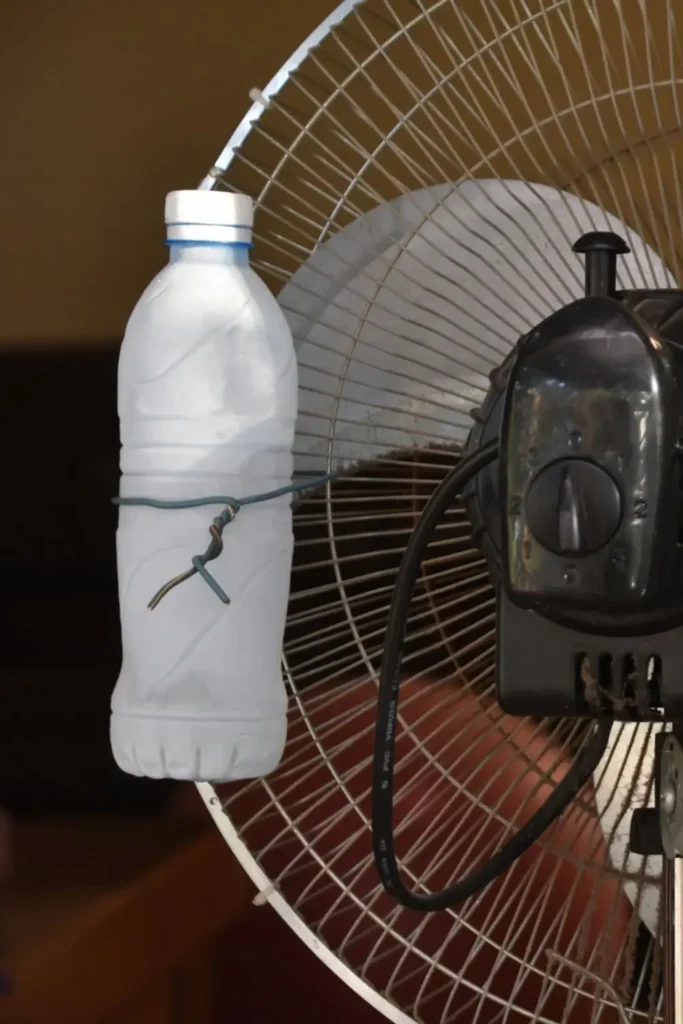
Here is where most articles go quiet. So let’s actually talk about it.
A DIY cooler-fan unit drops the temperature in your immediate space by 10 to 15 degrees at most. That is personal cooling, not room cooling. It works well at a desk, beside a bed, or in a small enclosed space. It does not cool your living room.
Ice in a well-sealed build lasts around 4 to 6 hours. Frozen water bottles stretch that to 8 to 10 hours and melt slower.
The part nobody mentions: in humid climates like Florida, Houston, or the Carolinas, ice-based units can actually make you feel stickier.
As the ice melts, it adds moisture to the air. Swamp cooler builds have the same problem in humid regions. They are built for dry states like Arizona, Nevada, and Utah.
If you are buying ice bags every day at $3 to $5 each, you may end up spending more than a window AC unit would cost in electricity over a month. Know your use case before committing to daily ice runs.
One thing most DIY cooling guides also skip: your existing AC system works a lot harder when the air around it is already compromised.
If you have not checked your air filter lately, these 8 signs that it is time to replace your air filter are worth a look before summer peaks.
And if your unit is still covered from winter, here is what HVAC experts say about when to uncover your AC in spring so it runs efficiently when you need it most.
If you want to stay updated on home cost stories and housing moves as they happen, there is a WhatsApp channel that covers exactly this kind of thing in real time. Good source if you do not want to wait for the news cycle to catch up.
Why This Matters
This trend is not just a quirky summer thing. It is a signal of where things stand.
Average U.S. residential electricity bills in 2025 are roughly 30% higher than they were in 2021.
The federal program that helps about 6 million low-income Americans pay their cooling bills, LIHEAP, has faced proposed elimination. Only 26 states offer any summer cooling assistance at all.
Extreme heat is the leading weather-related killer in the United States. Heat-related deaths nearly doubled between 2020 and 2023.
When someone cannot afford to run their AC, the decision to build a $15 cooler unit is not just creative. It is a health call.
CBS News covered the full scope of the 2025 summer electricity burden, including how the pressure falls hardest on low and moderate-income households who already spend more than 8% of their income on energy costs.
There is another layer here that people overlook. When homes are not being cooled properly, moisture and heat build up indoors in ways that create real health problems beyond just discomfort.
If you have ever had concerns about what poor ventilation can lead to over time, these 10 ways to test for toxic mold at home without a specialist are genuinely useful to know.
The gap between what cooling costs and what people can actually afford to pay is getting wider. DIY AC is one answer to that gap. But it sits inside a much bigger story about what it costs to live comfortably in America right now.
Key Takeaways
- Average summer cooling bill hit $784 in 2025, a 12-year high
- Electricity prices rose nearly 10% in just the first 5 months of 2025
- The cooler-and-fan build costs under $15 and takes under 30 minutes
- DIY units cool personal space by 10 to 15 degrees, not full rooms
- Ice lasts 4 to 6 hours per fill; frozen water bottles extend it to 8 to 10 hours
- Ice-based builds increase humidity and backfire in already-humid climates
- Swamp cooler designs work best in dry Western states
- Over 21 million Americans are currently behind on their energy bills
Have you tried building your own cooling setup this summer? Did it actually work, or did the ice last two hours and leave you sweating anyway? Drop it in the comments. Genuinely curious what people are putting together out there.
Wrapping Up
The people building their own AC this summer are not doing it because it is fun. They are doing it because the bill hit a number they could not ignore.
Whether these builds fully solve the problem or just take the edge off a brutal afternoon, the resourcefulness behind them is real. And the economic pressure driving it is not going away.
If this kind of story resonates, Build Like New covers the real side of home costs, housing decisions, and what it actually takes to maintain a home in 2025. Worth bookmarking if you want more than just the surface headline.
For more stories like this as they break, follow Build Like New on X (Twitter) and join the conversation over on the Facebook community. That is where these topics get discussed as they happen.
Disclaimer: This article is for informational purposes only. All figures are based on publicly available data at the time of publication.