Organized Burglaries Hit Asian American Homes in Fairfax County, Authorities Say
I’ll be honest with you — when I first went through the police reports from Fairfax County, the pattern didn’t feel like “just another burglary story.” It felt calculated, almost clinical. Eight Asian American families, most of them small business owners, were hit inside a tight 40-day window. And when you add up everything stolen — cash, jewelry, handbags, even gold bars — the losses cross half a million dollars.
What struck me most wasn’t the dollar amount. It was the way these homes were entered: back doors smashed, balcony doors pried open, windows shattered, bedrooms ransacked, safes ripped out of floors. I’ve covered crime for more than two decades, and you don’t pull off something like this unless you’re watching people closely and choosing your moments with intent.
Police at the Fairfax County Police Department are saying what many residents have quietly worried about — these suspects seem to know exactly who they’re targeting and when the homes will be empty. And if you’re part of the Asian American community here, especially if you run a cash-heavy business, you already understand why this hits differently. You know the fear isn’t abstract. It’s personal.
As you read this, I want you to think about one thing: If a group this organized is operating in different corners of the county, how prepared are you, your family, and your neighborhood?
Tell me — does this wave of break-ins change how safe you feel in your own home?
Inside the Crime Pattern: 8 Burglaries in 40 Days
When I laid out all eight burglary reports side-by-side, a picture started to form — and it wasn’t random at all. This is a county-wide pattern, and the timeline matters more than people realize.
For clarity: these incidents weren’t clustered in one neighborhood. Homes in Annandale, McLean, Woodlawn, and other areas all got hit. That’s distance. That’s planning. That’s mobility.
I first saw the full breakdown through reporting by WUSA9, and when I compared it to the police logs, the consistency of method was impossible to ignore.
Here’s what stood out to me as I walked through the timeline:
- Jan. 12 – Annandale: No signs of forced entry, but jewelry missing. That usually means the suspects had enough confidence to get in quietly — or they understood the house layout beforehand.
- Jan. 15 – Woodlawn: A fully ransacked home, a broken rear door, and a safe dragged out. This is physical, messy, and bold.
- Feb. 6 – Jefferson Manor: A shattered window and a clean removal of a safe with $40K in jewelry. That’s strength and coordination.
- Feb. 12 – Fair Haven: They forced their way in through a second-floor balcony door—something you don’t do unless you scoped the home earlier.
- Feb. 17 – Woodley North: $100K cash stolen. That’s not guesswork; that’s targeted expectation.
- Feb. 19 – Fair Oaks: Same pattern—rear door broken, valuables taken quickly.
- Feb. 20 – McLean: A haul that included gold bars, cash, jewelry, and designer clothing.
- Feb. 21 – McLean: Victims returned from vacation to find their home emptied of $50K in jewelry.
If you’re reading this as someone living in Fairfax County, you’re probably already noticing the same thing I did: They’re hitting homes during evening hours, when people are out, tired, or distracted.
And when criminals pick a time window that specific, it’s because they’ve done their homework.
How the Burglars Operate: A Professional, Pre-Planned Network
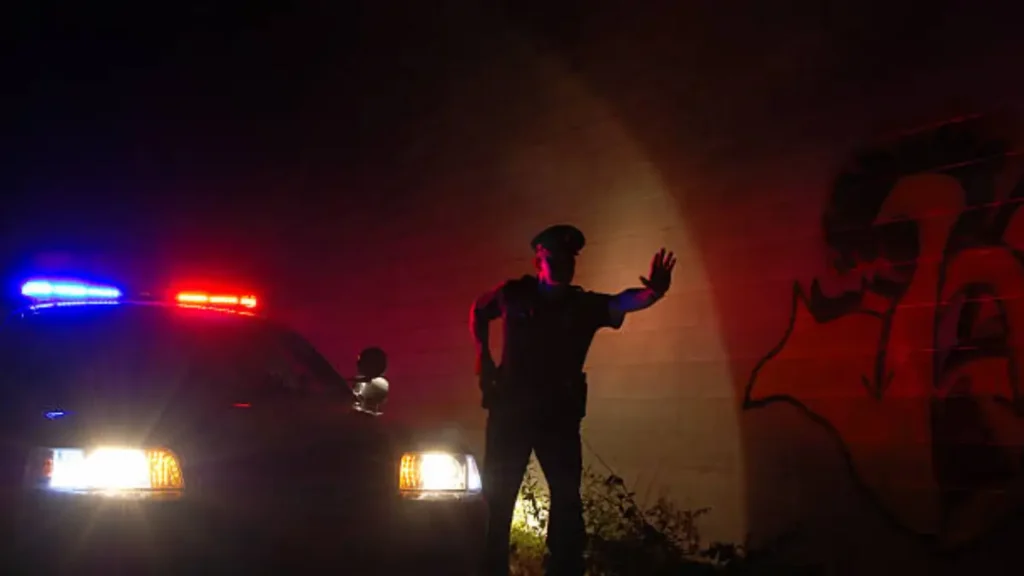
The more I examined the entry points, the timing, and the items targeted, the clearer the pattern became: this isn’t a group experimenting. It’s a group executing.
Every single home had the master bedroom hit first. That’s where cash, jewelry, and safes usually sit. Criminals who don’t know what they’re doing waste time searching the wrong rooms. These guys didn’t.
They also:
- Disconnected Wi-Fi and electronics
- Removed heavy safes (which tells me they’re working in teams, not alone)
- Broke reinforced doors and lifted balcony entries
- Chose homes when the owners were out — often for short evening windows
I’ve covered enough organized burglary crews to know that when someone is disabling cameras and routers, that’s not improvisation — that’s training.
And if you’re wondering whether these burglars knew who lived in these homes, the answer is almost certainly yes. Nobody drags a safe out of a second-floor bedroom on a guess.
Why Asian American Business Owners Became the Primary Targets
This is the part that hits hardest for a lot of people — especially if you or your family run a small business in the area.
Major James Curry at the Fairfax County Police Department put it plainly: Many Asian-owned businesses in the county — salons, restaurants, markets — deal with high daily cashflow. And criminals know this.
I’ve heard this same pattern in burglary cases across states: thieves assume Asian American households keep cash, gold, or jewelry at home. Sometimes it’s an old stereotype. Sometimes criminals watch a business owner lock up late at night and follow them home. Sometimes they observe routines for days.
When you read through each incident, a pattern emerges:
- High-value items stolen
- Accuracy in choosing the right room
- Specific interest in cash and gold
- No wasted time
That only happens when suspects believe the “reward” is worth the risk.
And right now, Asian American families in Fairfax County are carrying that burden more than anyone else.
Spread Across the County: A Bigger Problem Than One Neighborhood
One thing Curry said stayed with me:
“It would make our lives easier if it was concentrated in one particular area… but it’s spread throughout the county.”
He’s right.
When burglaries hit only one block, police can flood the zone. But when they strike across McLean, Annandale, Alexandria, Jefferson Manor, Fair Oaks, Woodlawn, and neighborhoods miles apart, that’s different.
That tells me two things:
- The suspects are mobile and confident.
- They aren’t tied to one community — they’re hunting opportunity.
This also means you can’t reassure yourself with, “Oh, that’s happening far from my neighborhood.”
This wave doesn’t have borders.
And honestly, that’s what makes residents feel the most uneasy. When a threat can appear anywhere, it forces you to rethink how safe your home truly is.
If you want quick updates on similar incidents, some residents share alerts and safety tips through neighborhood WhatsApp threads — it’s a useful way to stay in the loop about suspicious activity near you.
What Detectives Know So Far: The Investigation’s Early Picture
Detectives are being cautious with their wording, but the signs point in one direction:
These cases are very likely connected.
Here’s what investigators have already confirmed:
- Surveillance footage from the Jan. 12 burglary in Annandale shows potential suspects.
- Every single burglary involved the master bedroom and safe.
- Electronics, routers, or Wi-Fi were disrupted in several incidents.
- The thieves conducted pre-surveillance — meaning they watched these families before striking.
- Most burglaries happened in the evening window (6 p.m. – 10:40 p.m.).
- Entry points were strategic: rear doors, balcony doors, basement doors, windows.
- Suspects removed heavy safes — something that usually requires at least 2–3 people.
What stood out most to me is the pre-surveillance detail.You don’t track families across different neighborhoods unless you’re organized and patient. That level of planning should concern anyone living here.
Police are also urging residents to share camera footage — not because they want access to people’s systems, but because surrounding-corner videos often capture cars or individuals the victim’s own camera might miss.
They’re piecing together a puzzle, but they don’t have all the edges yet.
Community Alerts: Early Red Flags You Shouldn’t Ignore
Whenever I talk to families hit by burglaries like these, one thing always comes up afterward: “They noticed something odd… but brushed it off.”
If you live anywhere in Fairfax County, I want you to take this part seriously. Because in cases like this, early clues almost always appear days before the break-in.
Here are the red flags that kept repeating across past burglary waves I’ve covered:
- A car parked near your street for long periods with someone sitting inside.
- People walking slowly past homes, pretending to be on the phone.
- Strangers stepping into businesses and asking unusually personal questions:
- “Who owns this place?”
- “What time do you close?”
- “Do you live nearby?”
- Someone rattling a door briefly and walking away.
- Doorbell cameras catching quick, quiet visits when no one’s home.
- Neighbors noticing the same unfamiliar vehicle driving by multiple evenings in a row.
You already know your neighborhood’s normal rhythm. If something feels off, it usually is.
Criminals rely on one thing: people assuming nothing is wrong. Don’t give them that advantage.
What Police Want You To Do Right Now

The guidance from the Fairfax County Police Department is clear, and honestly, it’s practical. They aren’t asking you to overhaul your life — just tighten the weak spots burglars tend to exploit.
Here’s what they’re urging residents to do:
- Register your home security cameras. Not for remote access — that’s a misconception. It simply helps detectives locate cameras nearby when a crime happens.
- Report suspicious cars or people immediately. Even if the behavior feels mild or ambiguous. Your “small detail” may connect a case.
- Share footage voluntarily if something looks odd. Corner cameras often capture angles the victim never sees.
- If you run a business, watch for unusual questions from strangers. Criminals often gather intel in person before they target a home.
- Secure cash and valuables in ways that can’t be lifted quickly. Burglars in this wave removed entire safes — meaning floor-mounting or reinforced locking matters.
What I appreciate about this guidance is that it’s grounded in real investigative experience.
Police aren’t asking for perfection — just awareness and cooperation.
And honestly, in a county-wide pattern like this, community participation becomes a force multiplier.
Free Home Safety Assessment: An Underrated Resource Most People Ignore
This part surprised a lot of residents — and it shouldn’t. The Fairfax Police Crime Prevention Unit offers completely free home security assessments. No sales pitch, no hidden angle, no obligation.
An officer will actually come to your home and walk you through:
- Whether your lighting leaves blind spots at night
- If your locks and door frames can withstand force
- Whether bushes or landscaping give cover to trespassers
- How to position cameras so they capture useful angles
- Ways to secure safes so they can’t be lifted
- Small behavioral habits that reduce your risk
I’ve seen many families skip this simply because they assume it sounds “too official.” But the truth is, these assessments often reveal things homeowners never considered.
And when burglars this organized are choosing homes based on vulnerability, these details matter.
If you’ve ever told yourself, “I’ll tighten security when I have time,” this is the moment to stop delaying. The risk isn’t theoretical anymore — it’s happening in your county, during your daily routine, within your community.
Expert Commentary: Why Organized Burglary Rings Target Ethnic Communities
I reached out to a criminologist familiar with regional patterns, and here’s what stood out: when burglars repeatedly target a specific community, it’s rarely random.
- They’re often motivated by perceived wealth, not ethnicity — but perception matters.
- Criminals monitor routines: business hours, family habits, home security weaknesses.
- Removing heavy safes across multiple homes shows team coordination, not opportunistic theft.
Looking back at past cases in Fairfax County (like the 2020 burglary ring), patterns repeat: organized groups look for high-reward targets in communities where cash, jewelry, or gold is stored at home.
Even young offenders can pose real risks — like the 17-year-old who recently pleaded not guilty in a Mason City armed home robbery — which is why noticing early red flags is so crucial.
The takeaway? Awareness alone isn’t enough. Understanding how burglars pick targets lets you think like them and close gaps in your home’s defenses.
Safety Checklist for High-Risk Residents
Here’s where I get practical with you. Based on the investigation and expert advice, here’s a checklist for anyone concerned in Fairfax County:
- Reinforce all back doors and accessible windows.
- Install security film or stronger locks on glass doors.
- Bolt safes to floors or walls — make them impossible to remove quickly.
- Enclose Wi-Fi routers and alarm panels to prevent tampering.
- Use timed lighting and cameras with alerts.
- Keep valuables out of sight, even during the day.
- Educate family and employees to report unusual activity immediately.
Think of this as a blueprint — even small improvements drastically reduce your risk. It’s simple to implement, but most people underestimate the difference it makes.
Are These Crimes Considered Hate-Motivated?
Here’s the nuance you need to understand: the police have not classified these burglaries as hate crimes.
From what I’ve seen:
- Motive appears financial, not explicitly ethnic.
- However, the community impact is different. Being targeted as an Asian American household or business owner adds an extra layer of fear and mistrust.
- Residents are rightly concerned — especially with multiple homes hit in a short time, targeting similar profiles.
So, yes — it’s a financial crime, but the emotional and psychological effects feel deeper for the community. Acknowledging that doesn’t sensationalize the story; it’s a reality many families are living.
I’ve seen similar cases elsewhere — like a Sherman Oaks home that was targeted twice in a short period — which shows how burglars often return to areas they’ve scoped previously.
What Comes Next for the Investigation
At this stage, detectives are doing several things behind the scenes:
- Following leads from surveillance footage and neighborhood camera registries.
- Coordinating across districts to see if similar burglary patterns exist elsewhere.
- Collecting forensic evidence from homes — fingerprints, DNA, and tool marks.
- Encouraging the public to report any suspicious activity, no matter how minor it seems.
From experience, these investigations take time. But every tip, every camera clip, and every detail reported by neighbors can be the puzzle piece that catches the suspects.
As we’ve seen in other coordinated cases — for example, the Springfield home invasion where six suspects were arrested — thorough investigations and public tips can make a major difference in solving these crimes.
If you live in Fairfax County, my advice is simple: stay alert, share information, and don’t wait for something to happen before taking action.
Final Thoughts
Before you finish reading, I want to be clear:
- The figures I mention — cash, jewelry, gold — are based on police reports and media coverage.
- The investigation is ongoing; nothing is finalized.
- Safety advice is practical, but it doesn’t guarantee you’ll never be targeted.
What I do know is this: knowledge and awareness are your best defense. The burglars rely on unprepared residents and predictable routines. By taking small but deliberate steps, you can protect your home and family.
So let me ask you directly: Which step from this article are you going to implement first? Share it with your neighbors or online community — it could prevent the next burglary before it even happens.
If you want more real-time updates on local safety alerts and crime reports, check out my updates on X and join our community over on Facebook.