Do Porch Lights Really Deter Burglars? Experts Weigh In
When you think about a burglar, what comes to mind? For me, it’s not the black-clad cartoon figure with a bulging bag of loot that movies love to show. The truth is far less glamorous—and far more surprising. Most break-ins don’t happen under the cover of night.
According to FBI statistics, the majority of residential burglaries occur during the day, often when homes are empty because everyone’s at work or school.
I’ve read interviews with convicted burglars, and here’s the kicker: only about a third of them plan their break-ins in advance. The rest are opportunists—often teenagers—who move quickly, grab what they can, and get out in under five minutes. That’s why a porch light blinking on or off might not be the game-changer most people think it is.
In this article, I want to dig into what really works when it comes to lights and home security. I’ll show you what experts like Marcus Felson, a pioneer in studying criminal behavior, say about lighting—and why your neighbor’s watchful eye, a barking dog, or even strategic landscaping might matter far more than leaving the porch light on all night.
Common Misconceptions About Burglars

When most people picture a burglar, they imagine someone sneaking in at night, all stealthy, wearing black, and carrying a huge bag of stolen goods. I used to think the same. Reality check: it’s rarely that dramatic.
Most burglars are opportunists. Studies show that the typical profile is often a teenager looking for a quick score. They don’t spend hours casing a house. Break-ins are fast—sometimes over in under five minutes. A lot of the time, the door isn’t even locked.
And here’s a surprising twist: most residential burglaries happen during the daytime, not at night. That’s when people are out running errands or at work, making it easier for an intruder to slip in unnoticed.
So, if your first thought is that porch lights alone will keep burglars away, you’re already starting with a flawed assumption. Understanding who burglars are—and when they strike—is the first step in defending your home effectively.
Why Porch and House Lights Aren’t a Magic Shield?
I know many homeowners think that just turning on porch lights is a surefire way to keep intruders away. I used to believe that too—until I dug deeper into the research. According to How Stuff Works, lights do have a role, but they are far from a standalone solution.
Motion-activated exterior lights can startle a burglar—especially if they’re pointed correctly to illuminate the intruder’s face. If they shine into your neighbor’s yard instead, all anyone sees is a blinding light and not the person trying to break in.
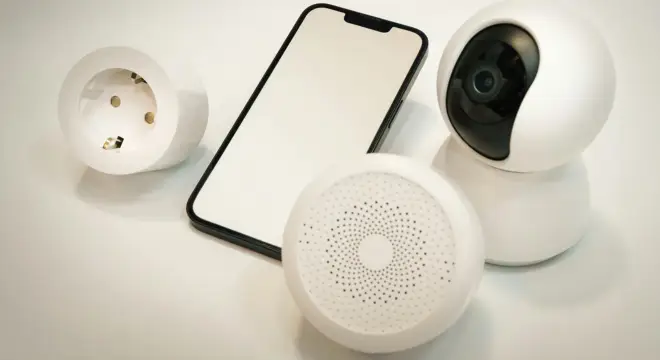
Timed interior lights are another popular tactic. Smart bulbs, like Philips Hue, can mimic occupancy. But clever thieves don’t just look at lights—they notice uncollected mail, packages on the porch, and empty driveways. According to studies from Australia and the U.K., these are the real red flags for burglars.
Even when a burglar approaches your front door, they might knock first to check if anyone’s home. So while lights can complement your security strategy, they’re far from a silver bullet.
Just like lights aren’t foolproof, leaving a spare key under the doormat or flowerpot can create a false sense of security—here are safer places to store spare keys.
What Actually Deters Burglars — Expert Insights
If lights aren’t the whole answer, what is? I’ve learned that the single most effective deterrent is community awareness. Marcus Felson, a criminal justice expert, emphasizes knowing your neighbors.
Introduce yourself, make sure people recognize you, and maintain open lines of communication. If someone unfamiliar tries to enter your home, they’re much more likely to be noticed and reported.
Timing matters too. Since most break-ins happen between 10 a.m. and 2 p.m., neighbors who are home during the day—retirees or people working from home—become invaluable allies. They can pick up your mail, park in your driveway as a decoy, and keep an eye out for anything unusual.
Lights, dogs, locks, and alarms are all useful—but social awareness and neighborly vigilance are often far more effective.
And while installing motion sensors, don’t forget to protect outdoor electrical boxes—they can be exposed to weather and damage if left uncovered.
Lights in Context — How to Use Them Effectively

Now, I don’t want you to think that lights are useless—they’re just one layer in a multi-layered strategy. Motion sensors are far more effective than lights that are always on. Place them at entryways, pathways, and spots where an intruder’s face will be illuminated.
Avoid leaving lights on constantly when you’re away for days. That often signals an empty house, making you a target rather than protecting you.
Combine lights with proper landscaping: trim hedges and shrubs so your home is visible from the street. The goal is to reduce hiding spots and increase visibility for both neighbors and passersby.
When used smartly, lights can spook a burglar and give you extra seconds to respond—but only if they’re part of a well-thought-out plan.
If you want quick, real-time tips on keeping your home safe, there are channels that share daily home security insights and easy reminders—you can get these directly on WhatsApp for quick access.
Additional High-Impact Deterrents
Let me be blunt: if you really want to stop burglars, lights alone won’t do it. According to Felson, a barking dog is one of the most effective deterrents. It calls attention instantly and can scare off even the most determined intruder.
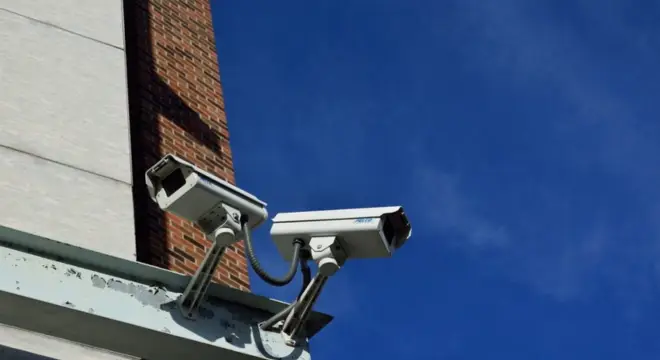
Security cameras and alarms add another layer of protection, especially when paired with motion-activated lights. And again, neighborhood involvement is crucial. A community that looks out for each other creates a level of vigilance that lights simply can’t replicate.
Ultimately, it’s about layers: lights, visibility, locks, alarms, dogs, and neighbors. None of these alone is perfect, but together, they create a robust defense.
Practical Homeowner Checklist — Making Lights Work for You
Let’s get practical. If you want your lights to actually contribute to home security, here’s what I’d do:
- Use motion-activated exterior lights at front and back doors, pathways, and entry points. Make sure they illuminate the intruder, not your neighbor’s yard.
- Avoid leaving lights on constantly when you’re away. Timers or smart bulbs can mimic occupancy, but don’t rely on them alone.
- Keep valuables out of sight from windows and doors. Thieves often look for easy grabs in plain view.
- Trim hedges and maintain clear sightlines. Visibility is your friend—neighbors and passersby need to see any unusual activity.
- Introduce yourself to neighbors and encourage watchfulness. People who are home during the day are your best defense.
- Consider a dog or alarm system. A barking dog or triggered alarm draws immediate attention and can stop a burglary in its tracks.
Each of these steps is small on its own but powerful when combined. Think of it like a security puzzle—every piece counts.
While you’re checking lights and alarms, it’s also smart to unplug appliances after use—small steps like this can prevent unexpected hazards around your home.
Key Takeaways — Lights Help, But They’re Not Enough
Here’s the bottom line: porch and house lights can reduce risk, especially when used intelligently. Motion-activated lights, smart timers, and strategic placement matter. But don’t kid yourself—they won’t stop burglars on their own.
Your strongest defenses are:
- Knowing your neighbors
- Maintaining visibility
- Using layers of security like locks, cameras, dogs, and alarms
- Being mindful of when your home is most vulnerable
I’ve learned that lighting is a tool, not a shield. When combined with community awareness and layered security, it can make your home less appealing to opportunistic thieves.
So here’s my question for you: Have you ever thought about how your neighborhood could work together to make all your homes safer? Take a moment to look around—sometimes the best security is the one right next door.
For more expert tips on home safety and smart living, check out our Home Security category—we regularly update it with practical guides you can implement today.
Disclaimer: The information in this article is for general educational purposes only and should not be considered professional security advice. Individual results may vary depending on your home, neighborhood, and circumstances. Always consult local authorities or security experts for personalized guidance.