Is It Legal to Trim a Neighbor’s Tree Roots in Your Yard? A Homeowner’s Guide
If you’re here, something has probably already gone wrong.
Maybe roots from your neighbor’s tree are pushing up your driveway. Maybe they’re creeping toward your foundation. Or maybe you just noticed thick roots spreading into your yard and you’re wondering how bad this could get.
Now you’re stuck with a simple but stressful question: can you trim your neighbor’s tree roots on your property without getting into legal trouble?
On the surface, it sounds straightforward. It’s your land. The roots crossed the line. So you should be able to cut them, right?
But this is where things get uncomfortable.
Tree law isn’t just about property lines. It’s about damage, responsibility, and whether your actions could harm the tree itself. If cutting those roots weakens the tree and it later falls, the situation can flip fast — and suddenly you’re not the one complaining.
I’ve seen neighbor disputes over trees spiral quickly. What starts as a landscaping issue turns into tension, certified letters, insurance claims, even court threats. And most people never meant for it to go that far.
So before you take action, it’s worth understanding where your rights actually begin — and where they quietly stop.
Are you trying to fix damage that’s already happened, or are you trying to prevent something worse down the road?
Property Line Rights: What “Encroaching Roots” Really Mean
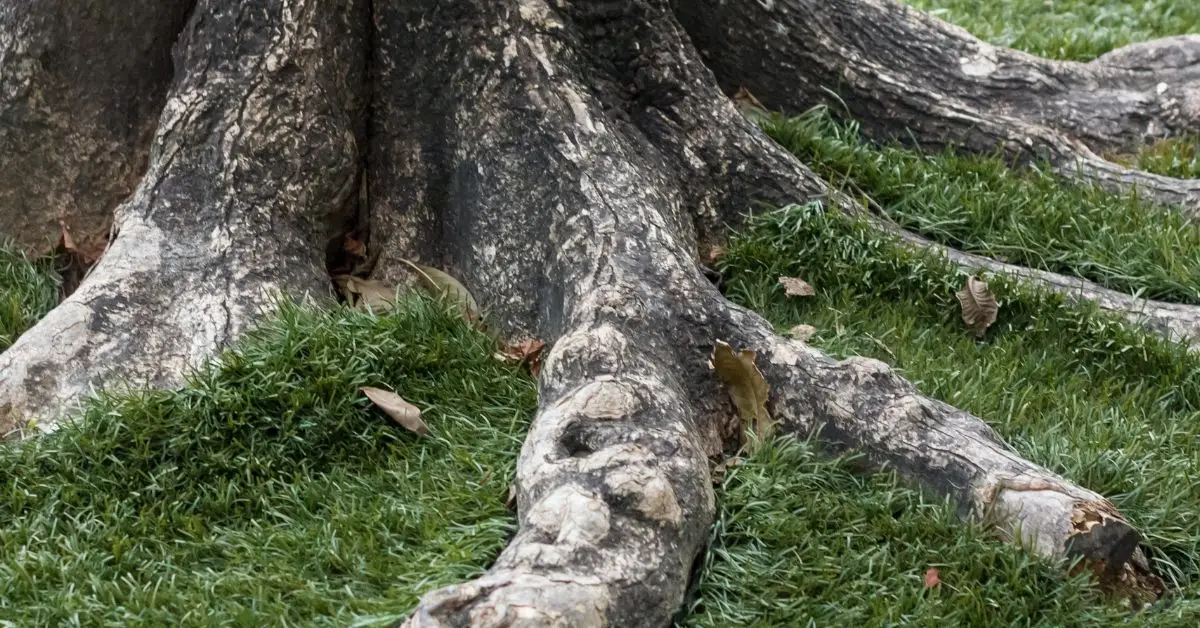
When we say roots are “encroaching,” we mean they’ve physically crossed the property boundary and entered your land.
That matters legally.
Under common law principles followed in most states, you generally have the right to trim branches and roots up to your property line — as long as you stay on your side and don’t cause unreasonable harm.
As explained by FindLaw, homeowners may cut encroaching branches or roots, but they can’t trespass or negligently damage the tree in the process.
That distinction is important.
You’re not cutting “your tree.”
You’re trimming parts of your neighbor’s tree that have crossed into your space.
And the law treats that carefully.
How Roots Extend Beyond the Trunk (and Why That Matters)
Here’s something most people don’t realize.
A tree’s root system can spread two to three times wider than the canopy. That means even if the trunk is clearly on your neighbor’s property, major structural roots could already be under your driveway.
So you might think:
“It’s just a root in my yard. I’ll cut it.”
But what if that root is structurally supporting the tree?
Large roots aren’t just feeding lines. Some are anchoring roots. Cutting them improperly can destabilize the entire tree. And if that tree falls later — especially in a storm — questions will be asked.
That’s where disputes begin.
Property Ownership vs. Tree Encroachment Under Common Law
Here’s the key difference you and I need to keep straight:
- The tree belongs to your neighbor (if the trunk is fully on their property).
- The portion that crosses into your property can generally be trimmed by you.
- But you cannot destroy or recklessly damage the tree.
That’s the balance courts look at: Your right to use and protect your property vs. your neighbor’s right to keep their tree intact.
So yes, you likely have the right to trim.
But the smarter question is this:
Can you trim in a way that protects both your property and yourself from future liability?
Before we go further, ask yourself — are you dealing with surface roots affecting landscaping, or large structural roots near a driveway or foundation?
What Most Articles Get Wrong About Trimming Roots
When you start digging into this topic, you’ll notice one thing almost every guide repeats:
“You can cut anything that crosses your property line.”
That sounds straightforward, but it doesn’t tell the full story.
The real issue isn’t just where the roots are. It’s how trimming affects the tree and whether your actions could create legal trouble later.
That’s the nuance many articles skip — and it’s exactly where most people get confused.
“You Can Always Cut Roots Up to Property Line” — The Reality
Yes, in many states you generally have the right to trim roots that invade your property.
But that right doesn’t mean you can do whatever you want with them.
Here’s the part that matters most: the law doesn’t just look at whether the roots crossed the line. It looks at:
- Whether the trimming was reasonable
- Whether it caused unnecessary harm to the tree
- Whether the action could foreseeably damage property later
In other words, cutting to the boundary isn’t a free pass. Your intent and the impact of the trimming matter just as much.
That’s why I don’t like oversimplifications — they leave out the part where most disputes actually happen.
When Cutting Turns Into “Tree Injury” vs. Simple Trimming
A few roots on your lawn are annoying. That’s a maintenance issue.
But chopping through large structural roots? That can weaken a tree’s stability.
And that’s where the law starts paying attention.
If cutting roots leads to a tree becoming unstable or dying, you’re no longer doing simple maintenance. You’re affecting someone else’s property interest in the tree.
Many legal guides explain this balance — that you have trimming rights, but not at the cost of harming the tree itself.
For example, Nolo’s FAQ on trees and neighbors breaks this down clearly: you may cut encroaching parts, but you can’t do so in a way that harms the overall tree.
That’s the distinction most short articles gloss over.
Legal Framework in the U.S. — Variations by Jurisdiction
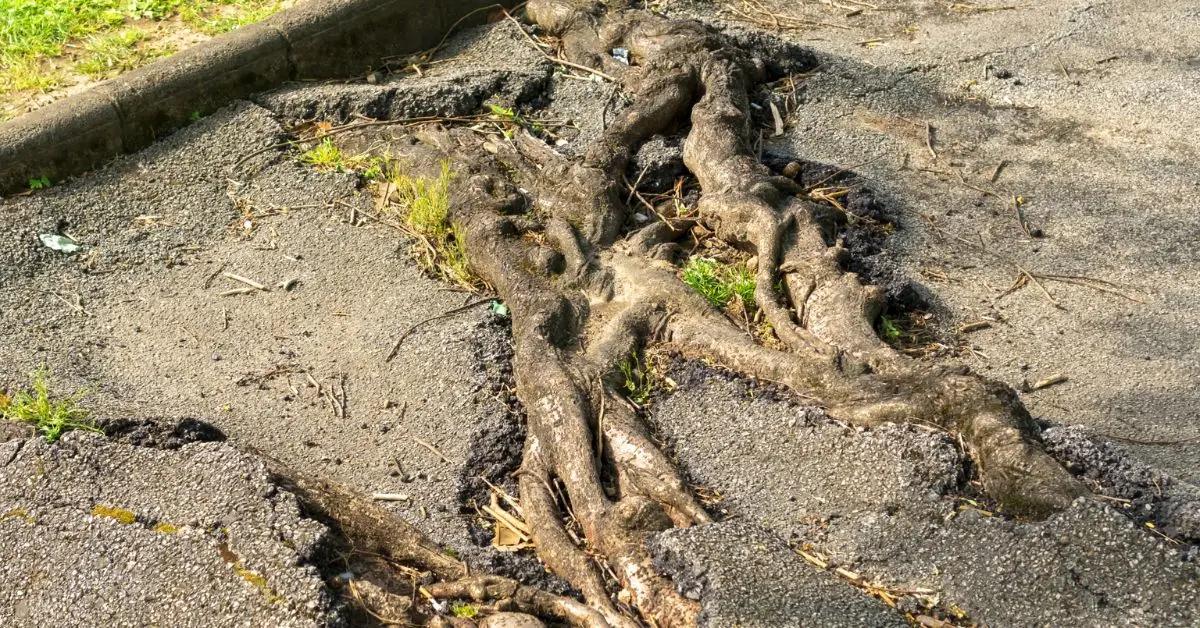
Now let’s talk about how this actually plays out in law.
There isn’t one national rule that every state follows to the letter. Instead, most states follow common law principles that balance two competing interests:
- Your right to protect your property
- Your neighbor’s right to enjoy their property — including healthy trees
Some states lean more toward protecting property owners who trim nuisance roots. Others place heavier emphasis on preventing injury to a neighbor’s tree.
Because of this variation, generalizations are risky.
Self-Help Doctrine — Cutting Roots on Your Land
In many places, homeowners are allowed to take reasonable actions — like trimming roots or branches — when those parts cross onto their land.
This idea comes from the principle often referred to as self-help, meaning you can remove the nuisance without asking permission as long as you don’t harm the tree or trespass onto the neighbor’s land.
But reasonableness is the keyword.
Just because you can trim doesn’t mean every cut is legally justified.
Limits of Self-Help — Tree Health & Reasonableness Standard
If your trimming goes beyond simple nuisance control and actually harms the tree, you can end up on the hook.
Courts often look at:
- How much of the root system you cut
- Whether the tree becomes weakened afterward
- Whether there was a safer alternative
So even though you have rights, they are balanced against the neighbor’s ownership interest in the health and stability of the tree.
That’s why most disputes don’t come from the boundary itself — they come from how much you actually removed and what happened next.
When Cutting Is Legal vs. Illegal
What You Can Do Without Permission
In most cases, you’re legally allowed to:
- Trim roots and branches that have crossed onto your property
- Stay entirely on your side of the property line while doing it
- Hire a professional to do the work — as long as they stay on your land
These are actions aimed at protecting your own property — and they’re generally accepted.
What You Cannot Do Without Permission
But there are clear limits:
- You cannot set foot on your neighbor’s property to cut roots
- You cannot cut roots in a way that harms the tree’s structural integrity
- You cannot intentionally kill the tree or remove it
That’s when rights become liabilities.
Before you act, ask yourself:
Am I dealing with a surface nuisance, or am I about to cut something that could weaken the entire tree?
Your answer to that question often determines whether you stay within your rights — or step into legal trouble.
Liability and Damage Claims
This is the part most homeowners don’t think about until it’s too late.
Yes, you may have the right to trim roots on your property. But if something goes wrong after you cut them, the focus shifts from your rights to your responsibility.
And that’s where the financial risk comes in.
Legal Risks — When Trimming Roots Could Cost You
If trimming weakens the tree and it later:
- Falls during a storm
- Damages a fence, car, or roof
- Injures someone
- Dies completely
You could be pulled into a dispute.
And if the tree actually falls, responsibility isn’t always as obvious as people think. I explain that in detail in this breakdown of who’s responsible when a tree from your yard lands in a neighbor’s yard.
Courts often ask simple but serious questions:
- Did you act reasonably?
- Did you cut more than necessary?
- Could a professional have avoided the damage?
If the answer suggests negligence, you may be liable for damages.
This isn’t just theoretical. Property damage claims tied to tree disputes do happen — and they can get expensive quickly.
Tree disputes often turn into insurance questions. If you’re unsure how liability works when a neighbor’s property causes damage to yours, I’ve broken that down clearly in this guide on who covers repairs when a neighbor’s pipe bursts and causes damage.
Tree Replacement Value and Treble Damages Concepts
Here’s something that surprises a lot of people.
In some states, if you wrongfully destroy or severely damage a tree, you may owe more than just basic replacement cost.
Certain jurisdictions allow enhanced damages, sometimes called treble damages, where the amount awarded can be multiplied — especially if the damage is considered intentional or reckless.
And mature trees are not cheap.
A large, established tree can be valued in the thousands — sometimes tens of thousands — depending on species, size, and impact on property value.
So what started as “just trimming roots” can turn into a serious financial issue if the tree declines afterward.
Cases When You Could Be Sued
You’re more likely to face legal trouble if:
- You trespass onto your neighbor’s land to cut roots
- You sever major structural roots near the trunk
- You ignore a warning from an arborist
- The tree dies shortly after your trimming
- You refuse to communicate or document what you did
Courts don’t just look at the cut. They look at your behavior around it.
Did you try to handle it responsibly?
Or did you act impulsively?
That difference matters.
Best Practices — Safe and Lawful Root Trimming
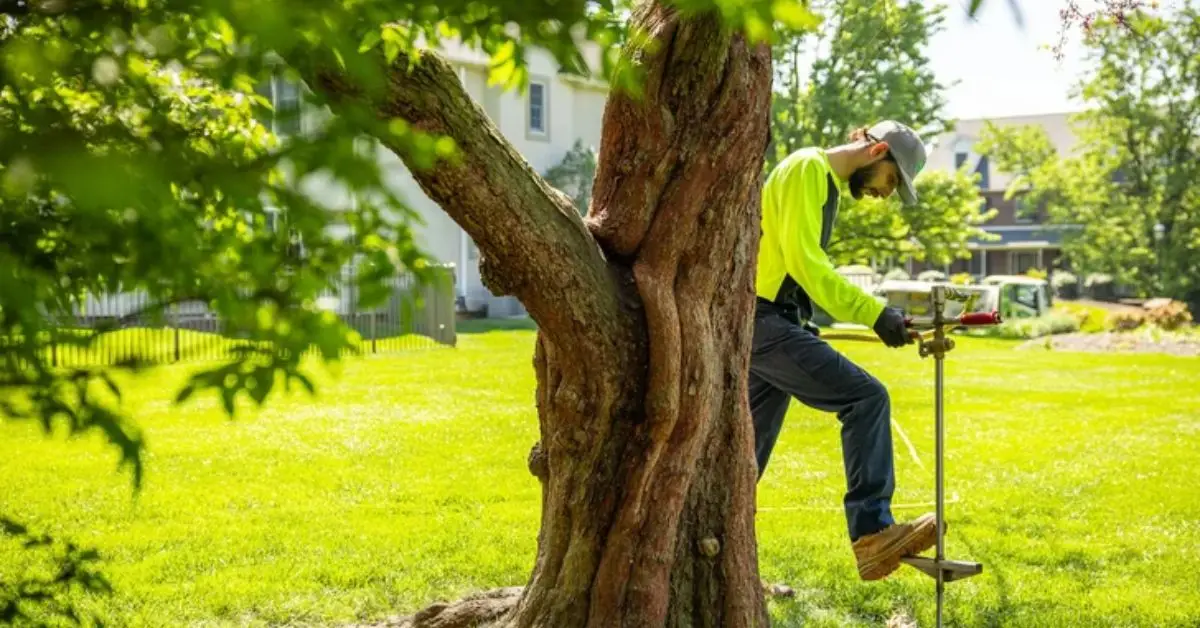
If you want to protect both your property and yourself, don’t rush this.
There’s a smarter way to approach it.
Step-by-Step Approach Before You Trim a Root
Before cutting anything, slow down and work through this checklist:
- Confirm the exact property boundary
- Identify whether the roots are structural or minor
- Consider whether damage is already occurring
- Think about documentation
A careful approach can prevent a costly mistake.
Get a Survey / Confirm Property Line
You might think you know where your boundary is.
But guessing isn’t protection.
A professional survey removes doubt. If a dispute arises later, having a confirmed boundary line strengthens your position significantly.
It also prevents accidental trespass — which can instantly change the legal tone of the situation.
Consult a Certified Arborist — Health & Safety
This step is often skipped — and it shouldn’t be.
A certified arborist can tell you:
- Whether the root is structural
- How much can be safely removed
- Whether cutting could destabilize the tree
Even practical homeowner guidance like this explanation from Martha Stewart on trimming a neighbor’s tree roots stresses bringing in a professional before cutting significant roots, precisely because improper trimming can harm the tree and expose you to liability.
That’s not just gardening advice — that’s risk management.
If a professional gives guidance and you follow it, you’ve shown you acted responsibly.
Notify Your Neighbor (Written Is Best)
You may not legally need permission to trim on your side.
But communication changes everything.
A simple written notice that says:
- What roots you plan to trim
- Why you’re trimming them
- When work will occur
…can prevent misunderstandings later.
If a problem develops months down the road, you’ll be glad you documented your intentions.
Sometimes the smartest legal move isn’t aggressive — it’s transparent.
Special Situations That Change the Rules
Most homeowners think this is just about roots crossing a line.
But there are situations where the rules shift completely — and if you don’t recognize them early, you can walk straight into a bigger problem.
Boundary Trees vs. Encroaching Roots
Here’s a major distinction.
If the trunk of the tree sits entirely on your neighbor’s property, it’s generally their tree.
But if the trunk grows directly on the property line, it may legally be considered a boundary tree — and that changes everything.
With a boundary tree:
- Both neighbors may share ownership
- Neither party can remove or seriously damage it without the other’s consent
- Decisions often require agreement
So before you assume you’re dealing with simple encroachment, confirm where the trunk actually sits.
Roots crossing your yard are one thing. A jointly owned tree is something else entirely.
HOA / Local Ordinances – Municipal Tree Rules
This is where many articles fall short.
Your city or HOA may have specific tree protection rules that override general trimming rights.
Some municipalities require permits before removing significant roots. Some HOAs regulate alterations that could affect neighborhood appearance or shared landscaping.
If you skip this step and cut first, you might not just upset your neighbor — you could violate local regulations.
Always check:
- City tree preservation rules
- Protected species lists
- HOA covenants or bylaws
It takes minutes to check. It can save you months of headaches.
Heritage / Protected Trees — What Happens Then
Some trees are classified as heritage, landmark, or protected due to age, species, or environmental value.
If that applies, trimming significant roots could:
- Require a permit
- Trigger inspection
- Lead to fines if done improperly
In these cases, even if roots are on your property, your ability to cut may be restricted.
This is one of those rare situations where “it’s on my land” doesn’t automatically win.
Legal & Peaceful Ways to Resolve a Neighbor Tree Conflict
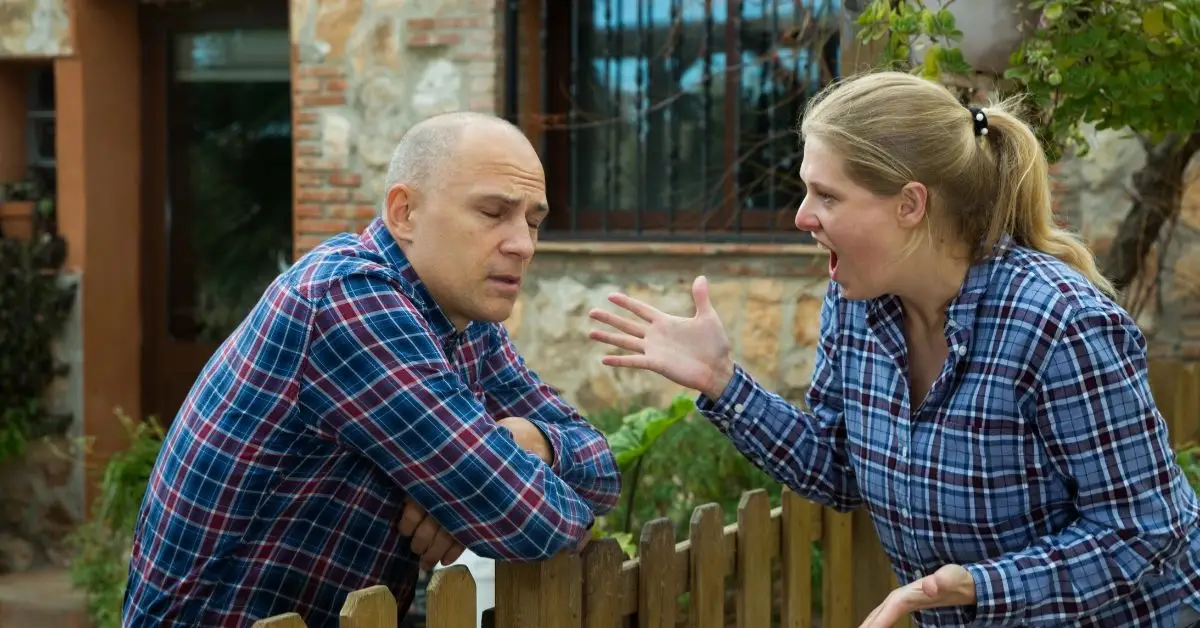
If you’re feeling tension already, I want you to pause for a second.
Tree disputes can become deeply personal. What starts as a property issue can turn into a relationship breakdown.
Litigation is rarely the first smart move.
Sometimes protecting your property also means protecting the relationship. If you want to keep things civil long-term, here are meaningful things you can do for your neighbors after a snowstorm — small gestures like these often prevent small disputes from becoming permanent ones.
Mediation and Written Agreements
Sometimes the best step isn’t legal action — it’s structured conversation.
You can:
- Share photos of the root issue
- Get an arborist’s written opinion
- Propose cost-sharing for professional trimming
- Put any agreement in writing
A short written agreement clarifying:
- What will be trimmed
- Who pays
- Who performs the work
…can prevent future conflict.
Mediation is another option if direct conversation feels tense. It’s far less expensive than court and often resolves disputes faster.
When to Talk to a Lawyer
You don’t need a lawyer for every root.
But you should consider legal advice if:
- The tree has already caused structural damage
- Your neighbor is threatening legal action
- The tree is large and high-value
- There’s disagreement over property boundaries
- The tree may be protected or jointly owned
An early consultation can clarify your exposure and prevent mistakes.
Waiting until after something goes wrong usually costs more.
Smart, Safe, and Legal Root Management Strategy
If you step back and look at this clearly, the pattern is simple.
You likely have the right to trim roots that cross onto your property.
But the safest approach always includes:
- Confirming the boundary
- Checking local rules
- Assessing structural impact
- Communicating openly
- Acting reasonably
This isn’t just about what you’re allowed to do.
It’s about protecting your property without creating a bigger problem.
Before you make a decision, ask yourself:
Are you solving a root issue — or creating a long-term dispute?
If you’re dealing with a similar situation right now, drop your experience in the comments. I read them.
And if you want more practical, straight-talking home advice like this, visit Build Like New — where we break down real homeowner problems without the fluff.
Legal Disclaimer: I’m sharing general information based on common U.S. property law principles. This is not legal advice, and laws vary by state, city, and HOA. Before making decisions that could affect property value or create liability, consider consulting a local attorney or certified professional.