The Dishwasher Tablet Trick That Makes Stovetop Grease Disappear
If you’re anything like me, greasy stovetops are the kind of kitchen mess that makes you groan every time you open the oven. I’ve tried everything—sprays, scrapers, even those “miracle” cleaners that promise to work in seconds—but nothing felt fast, simple, and actually effective. That’s when I discovered the dishwasher tablet trick. Yes, the same little tablet you usually toss in your dishwasher can cut through stubborn grease like a pro, without harsh fumes or hours of scrubbing.
In this guide, I’m going to show you exactly how to use it safely, step by step, so your stovetop is sparkling clean in a fraction of the time. By the end, you’ll not only save effort but also understand why this little hack works, and how to avoid common mistakes most people make.
Why Dishwasher Tablets Work on Greasy Stovetops
I know it sounds a bit surprising at first—why would a dishwasher tablet, something meant for your dishes, work on a greasy stovetop? But here’s the science behind it. These tablets are packed with enzymes and surfactants, the same kind of cleaning agents used in heavy-duty degreasers. They break down stubborn grease and baked-on food, loosening it so you can wipe it away with minimal effort.
Compared to traditional stovetop cleaners, dishwasher tablets are gentler on surfaces like glass or stainless steel while still tackling tough grime. I even checked advice from experts at Martha Stewart, who explain that the enzymes in dishwasher tablets are excellent at dissolving oil and residue without harsh chemical smells.
So, next time you’re staring at a greasy mess, you don’t need dozens of sprays—you just need a little tablet and the right approach.
What You’ll Need (Quick Checklist)
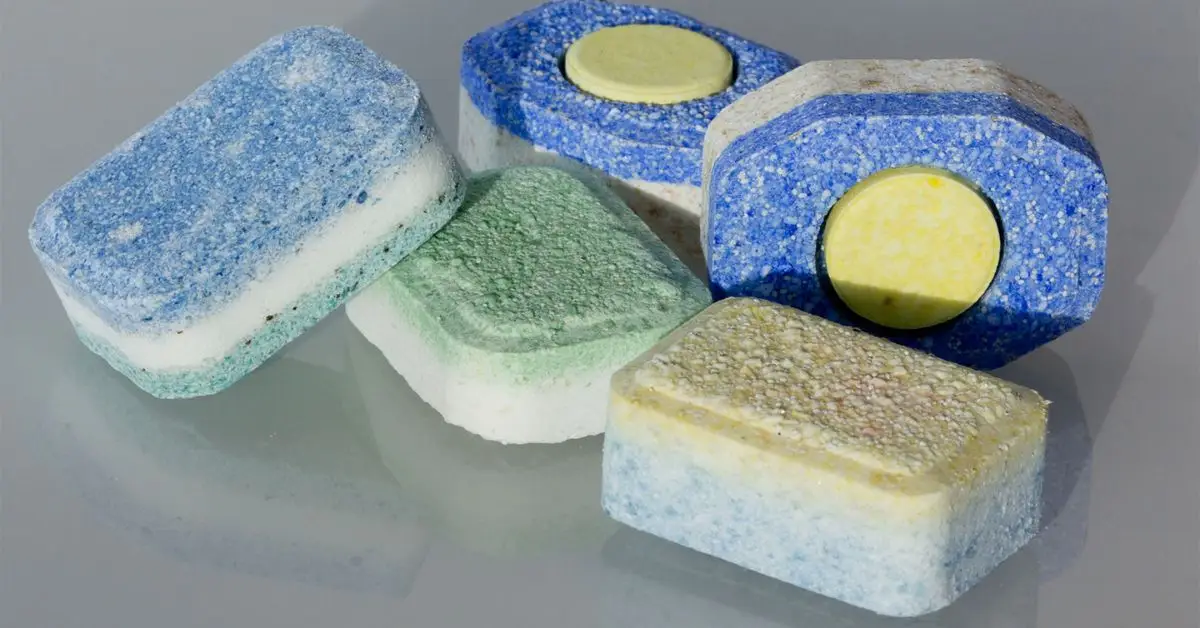
Before we dive in, let’s make sure you have everything ready. This saves time and keeps the process stress-free.
Essential Supplies
- 1 dishwasher tablet (brands like Finish or Cascade work well)
- Warm water
- Non-scratching scrubber or soft cloth
- Optional: baking soda for extra stubborn spots
- Optional: spray bottle for easy application
Safety Tips Before You Start
- Make sure your stove is turned off and cool
- Wear protective gloves if your skin is sensitive
- Work in a well-ventilated space, especially if you’re using hot water
Having your supplies ready and following these safety tips will make the cleaning process faster and more effective—you’ll get results without the stress or mess.
Step‑by‑Step Method: Clean Your Greasy Stovetop with a Dishwasher Tablet
Cleaning your stovetop with a dishwasher tablet is easier than it sounds, but doing it step by step makes all the difference. I’ll walk you through exactly what I do to get a greasy stove sparkling in minutes.
Step 1 — Pre‑Clean Loose Debris
Before anything else, I remove crumbs, food bits, or any loose debris.
- This helps the tablet solution focus on the stubborn grease.
- Use a dry cloth or soft brush to sweep away particles.
Step 2 — Dissolve the Tablet in Warm Water
I always dissolve the tablet in a bowl of warm water first.
- Warm water activates the enzymes and surfactants faster, breaking down grease more efficiently.
- Avoid boiling water, which can damage certain stove surfaces.
Step 3 — Apply the Solution
Next, I gently pour or sponge the solution onto the greasy areas.
- For gas stoves, remove burner grates and drip pans first.
- For glass or induction stoves, pour carefully to avoid overflow.
Step 4 — Let it Sit for Maximum Grease Breakdown
Patience pays off here. I usually let the solution sit:
- 10–15 minutes for light grease
- 20–30 minutes for stubborn baked-on messes
This gives the enzymes time to work without scrubbing aggressively.
Step 5 — Scrub and Wipe
I use a non-scratch scrubber or soft cloth to wipe away loosened grease:
- Circular motions help lift stubborn spots. For those stubborn spots that don’t come off with the tablet alone, combining it with household items you can clean with salt can make the process even more effective.
- Avoid metal scrubbers on glass surfaces—they can leave permanent marks.
Step 6 — Final Rinse and Dry
Finally, I rinse the area with clean water and dry it with a soft towel:
- Ensures no residue remains that could smoke the next time you cook.
- Leaves the stovetop shiny and streak-free.
For extra tips on gentle cleaning techniques for different surfaces, I found The Spruce really helpful—they explain why certain scrubbing tools are better for glass and induction stoves.
Special Considerations by Stovetop Type
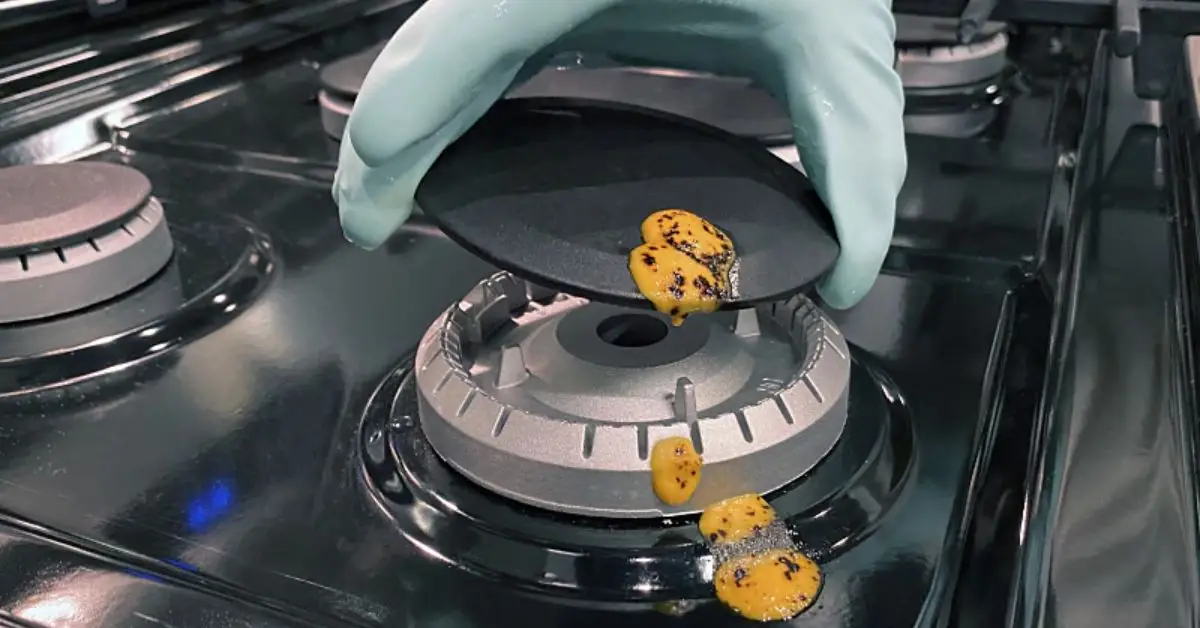
Not all stove tops are created equal. I’ve learned that adjusting your approach depending on your stove type makes a huge difference.
Gas Stove Tops
- Remove burner grates, caps, and drip pans for thorough cleaning.
- The dishwasher tablet solution works well in a shallow soak for these parts.
Electric Coil Stovetops
- Handle coils and drip trays carefully.
- Apply the solution to trays only—never soak the electrical components.
Smooth Glass or Induction Stovetops
- Abrasive scrubbers can permanently scratch the surface.
- Stick to soft cloths or specialized non-scratch scrubbers for safe, streak-free cleaning.
How This Dishwasher Tablet Method Compares to Other Cleaners
When I first discovered the dishwasher tablet trick, I wondered how it stacked up against everything else I’d tried. Let me break it down for you so you know when it’s the best choice.
Commercial Degreasers
- Strength: Often very powerful, can remove baked‑on grease quickly.
- Cost: Usually more expensive than a simple dishwasher tablet.
- Fumes & Safety: Many produce strong chemical smells; gloves and ventilation are recommended.
Natural Cleaning Alternatives
- Vinegar and Baking Soda: Fewer chemicals, environmentally friendly.
- Effectiveness: Works fine on light grease but can take longer on stubborn, baked‑on messes.
Dishwasher Tablet vs Baking Soda Paste
- Dishwasher tablets work best for quick, tough grease removal.
- Baking soda paste is better for gentle cleaning or small spot treatments.
For more expert ideas on using dishwasher tablets for different cleaning hacks (including grease‑cutting uses around the home), Real Homes has a solid roundup that reinforces how versatile these tablets can be.
Troubleshooting Common Problems
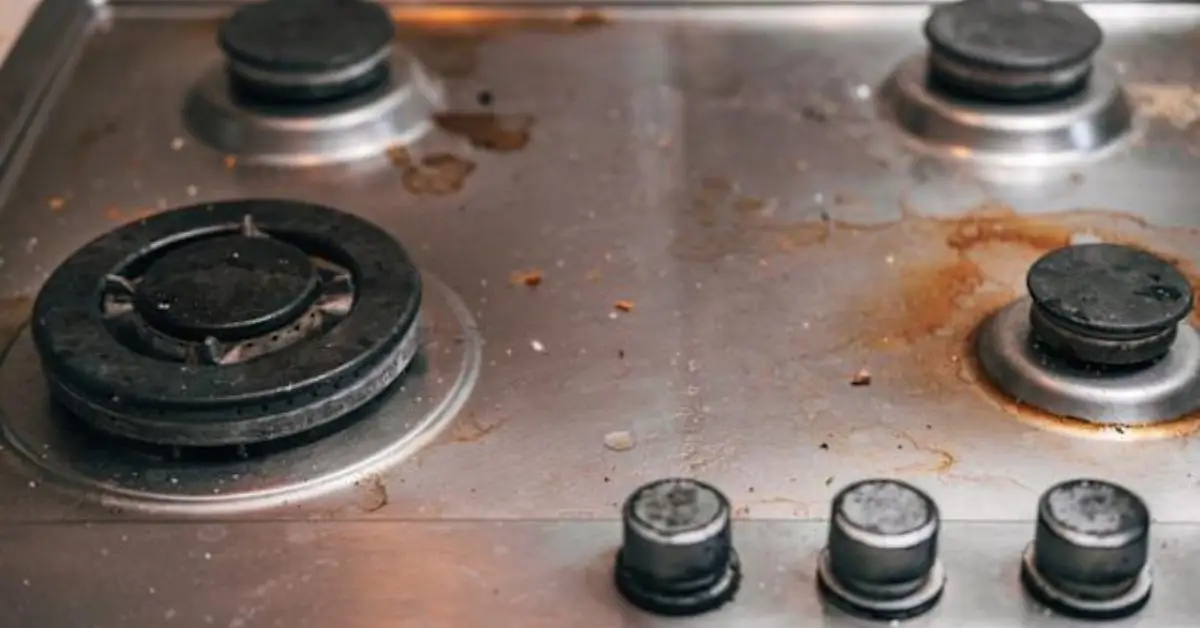
Even the best hacks can run into little bumps. Here’s what I do when things don’t go perfectly.
Grease Not Coming Off Easily
- Let the tablet solution sit a bit longer.
- Repeat the application if necessary, especially for baked‑on messes.
Tablet Residue or Film
- Rinse thoroughly with clean water.
- Use a soft cloth to wipe down surfaces after soaking to remove any leftover tablet residue.
Streaks on Glass Stovetops
- Always use a soft microfiber cloth.
- Buff gently in circular motions until the surface shines without streaks.
Expert Tips to Maintain a Clean Stovetop After Every Cook
Keeping your stovetop clean doesn’t have to be a once-in-a-while battle. I’ve picked up a few habits that make maintenance almost effortless—and trust me, they really save time in the long run. While keeping your stovetop spotless, I also recommend checking which items are stored nearby—this guide on the 5 most dangerous items to keep next to your stovetop and safer alternatives shows you how to avoid common hazards.
- Wipe spills immediately after cooking – I always grab a damp cloth or sponge right after a meal. The grease hasn’t baked on yet, so it wipes away easily. And if you notice grease spreading to drawers or handles, you can try these 2 simple tricks to remove sticky grease from kitchen drawers fast to keep your whole kitchen looking clean.
- Use stovetop liners – These little sheets catch spills and crumbs, making cleanup a breeze. I swap them weekly, and it keeps the surface almost spotless.
- Weekly light cleaning – Even when it looks clean, I give the stovetop a quick wipe with the dishwasher tablet solution. It prevents buildup and keeps things sparkling without scrubbing.
Summary of Best Practices
Let’s wrap this up so you have a quick reference for next time you face a greasy stovetop:
- Best solution for grease: Dishwasher tablets work fastest for stubborn baked-on messes.
- When not to use this method: Avoid on heavily scratched surfaces or delicate stovetops without testing first.
- Safety reminders: Stove off and cool, gloves for sensitive skin, and rinse thoroughly to prevent residue.
If you’ve tried this trick—or have your own stovetop cleaning hacks—I’d love to hear about it! Drop a comment below and share your experience with the Build Like New. Your tips might even help someone else finally beat that stubborn grease.
Disclaimer: The cleaning methods described are for general household stovetops. Always check your appliance manufacturer’s instructions before using any cleaning product. Use caution, wear gloves if needed, and test in a small area first. Build Like New is not responsible for any damage or injury resulting from these tips.