10 Shocking Ways Pouring Oil Down the Sink Ruins Your Home Plumbing
I’ve learned the hard way that a little bit of cooking oil doesn’t just disappear when you pour it down the sink. At first, it seems harmless—just a small splash from frying or a leftover tablespoon—but over time, that tiny habit can lead to clogged pipes, foul smells, and even bigger problems like costly plumbing repairs.
If you’ve ever wondered why your sink drains slower than it used to or noticed a strange odor coming from the pipes, you’re not imagining things. If you’re curious what else plumbers wish you’d stop sending down your sink, I’ve broken down other common mistakes in this guide on 9 everyday items plumbers warn against pouring down your drain — and some of them might surprise you.
I want to walk you through why pouring oil down the drain is more dangerous than most people realize—and show you how a few simple changes in your kitchen routine can save a lot of headaches down the line.
What Happens When You Pour Oil Down the Drain — The Science Behind the Damage
I used to think that a little cooking oil in the sink was harmless. But here’s the thing: even small amounts can cause a lot of trouble over time. Understanding how oil behaves inside your pipes helps you see why it’s such a big deal—and why ignoring it can lead to headaches you don’t want.
When oil goes down your drain, it doesn’t just wash away. Here’s what actually happens:
- Cooling and solidifying: Hot or warm oils may look liquid, but as they travel through your pipes, they cool down and start to solidify. This sticky layer builds up slowly, grabbing onto other debris like food particles or soap residue. Over weeks or months, it can form stubborn clogs that are really hard to remove.
- Layering effect: Even if you rinse with hot water, that oil can stick to the pipe walls. Each pour adds a new layer, and eventually, you’re looking at serious blockages that make your drains slow or even completely backed up.
- Fatberg formation: On a bigger scale, when oil enters city sewer lines, it can combine with other fats, wipes, and debris to form massive “fatbergs.” These can weigh tons, block municipal sewer systems, and cause costly repairs beyond just your home.
I learned about these consequences in detail from Grease Connections, where experts explain how even small household habits can scale into real plumbing and environmental problems.
So next time you’re tempted to rinse that pan, remember: it’s not just about avoiding a clog—it’s about preventing a slow, invisible problem that grows with every pour.
10 Specific Reasons You Should Never Pour Oil Down the Drain
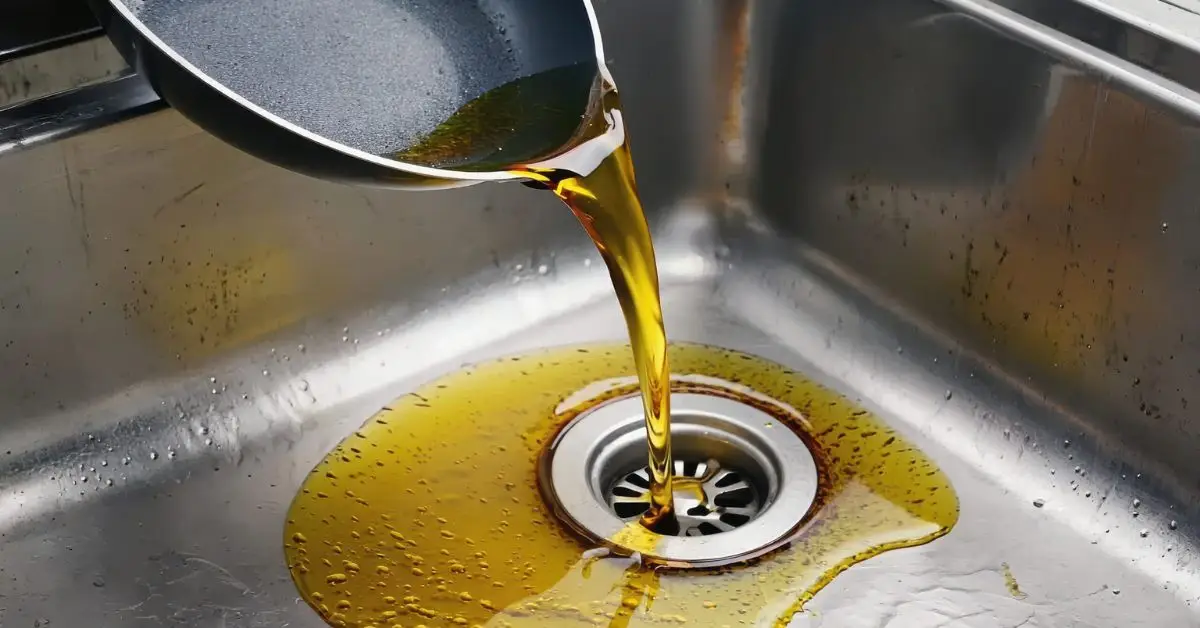
I know it’s tempting to rinse that pan with a bit of leftover oil, especially when you’re in a hurry. But every time you do, you’re setting the stage for problems that don’t show up immediately — and when they do, they’re expensive and annoying to fix. Here are the ten biggest reasons I’ve seen—and experienced—why this is such a bad idea:
1. Persistent Clogs That Grow Over Time
- Even a teaspoon of oil can cling to pipe walls.
- Each pour adds a sticky layer that gathers food debris and soap.
- Over weeks or months, these layers build into solid blockages that stop water flow.
2. Costly Plumbing Repairs Inside Your Home
- What starts as a slow drain can turn into a call to the plumber.
- Cleaning a clog or replacing a damaged pipe can easily cost hundreds of dollars.
- You’re paying now or paying later — but you will pay if you ignore it.
3. Damage to Garbage Disposal Systems
- Garbage disposals aren’t built for grease or oil.
- The blades and motor wear out faster when stuck with sticky residue.
- You may need a full disposal replacement sooner than you expect.
4. Slow Drainage and Backup Symptoms
- Oil buildup makes your drains slow as water struggles to pass.
- You might hear gurgling, see water backing up when you wash dishes, or spot puddles around the sink.
5. Foul Odors From Decomposing Grease
- Oil and grease break down differently over time — and that means smell.
- As grease sits and interacts with food waste, you can get unpleasant, lingering kitchen odors.
6. Corrosion and Pipe Material Weakening
- Some oils and food residues interact chemically with pipes, especially older metal ones.
- This can weaken sections of plumbing over months and years, turning small issues into leaks.
7. Legal and Municipal FOG Ordinances
- Many cities have rules that regulate FOG — fats, oils, and grease — disposal.
- Improper dumping can lead to fines or mandatory compliance measures.
- Authorities didn’t make these rules just to nag; they’re responding to real sewer system damage people cause.
8. Environmental Harm to Waterways and Wildlife
- Oil that escapes sewers can work its way into rivers and lakes.
- Once in the ecosystem, it can smother aquatic plants and harm fish.
- The harm isn’t just in your pipes — it’s in the world beyond them.
9. Increased Strain on Wastewater Treatment Systems
- Treatment plants are not designed to handle excessive oil and grease.
- When systems get overloaded with FOG, it drives up treatment costs and energy use.
10. Insurance, Property Damage Risk, and Secondary Consequences
- Severe backups can lead to leaks, mold, and water damage.
- Your home insurance might not cover damage that started with negligence, like dumping oil down a drain.
A great example of how seriously experts take this comes from the Calaveras County Water District, which reminds homeowners not to pour cooking fats, oils, or grease down the drain because they can clog sewer pipes and even trigger overflows or backups.
Common Myths About Pouring Oil Down the Drain — Debunked
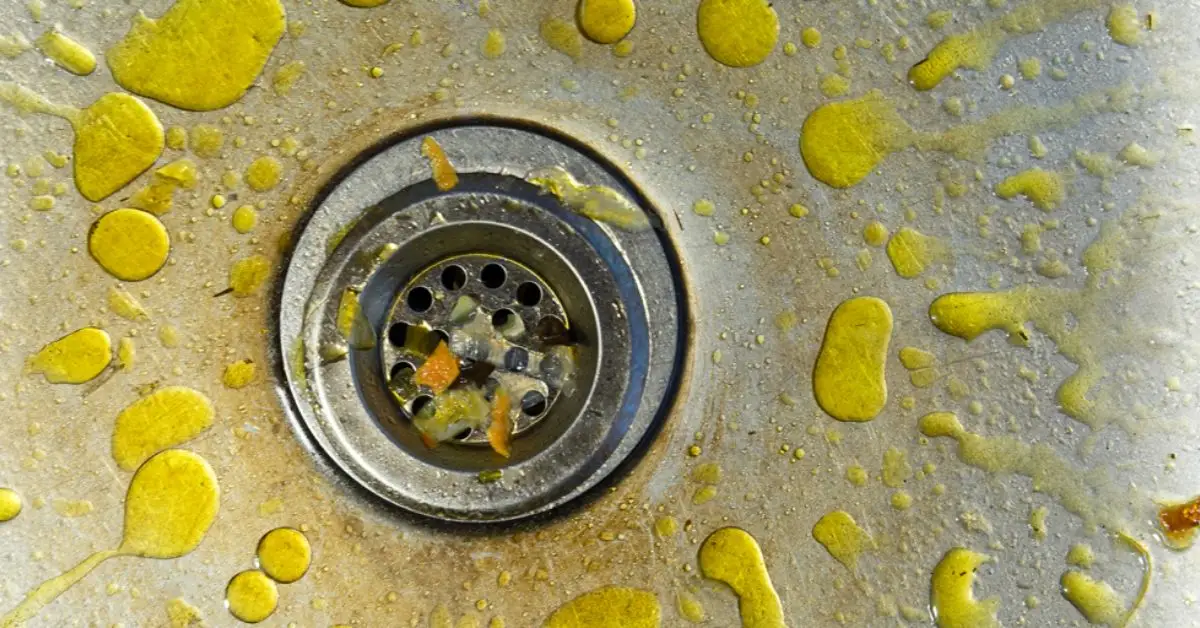
I’ve heard all the tricks. Maybe you have too.
“Just run hot water.”
“Add extra dish soap.”
“It’s just a little bit.”
The problem? These shortcuts sound logical — but they don’t actually solve the issue. Let’s clear this up.
Myth: Hot Water Makes Oil Safe to Pour
I get why this feels true. Hot water keeps oil in liquid form, so it seems like it’ll just wash away.
But here’s what really happens:
- Hot water only keeps oil liquid temporarily.
- Once that mixture moves deeper into your plumbing — where temperatures drop — the oil cools and solidifies.
- That solidified grease sticks to pipe walls and starts building up.
So even if your sink looks clear, the problem may be forming further down the line where you can’t see it.
You’re not preventing a clog. You’re just pushing it farther away from your kitchen.
Myth: Dish Soap Dissolves Grease
This one sounds scientific, right? Soap cuts grease.
Here’s the part most people don’t realize:
- Dish soap emulsifies grease — it breaks it into smaller droplets.
- It does not eliminate it.
- Those droplets still travel through your pipes and eventually reattach to surfaces.
In other words, soap delays the problem. It doesn’t remove it.
Plumbing experts at Angi explain that grease still accumulates in pipes even when rinsed with hot water and soap — it simply moves downstream before solidifying and causing damage.
When I understood that, it changed how I handled oil in my kitchen. Quick fixes aren’t real fixes.
What to Do With Used Cooking Oil — Safe Disposal Methods
Now let’s talk solutions.
If I tell you not to pour oil down the drain, I owe you better alternatives. The good news? They’re simple.
You don’t need special equipment. You just need a better habit.
Simple Household Methods (Grease Jar Method)
This is what I personally recommend:
- Let the oil cool completely.
- Pour it into a metal can, glass jar, or dedicated grease container.
- Once full, seal it and throw it in the trash.
If the oil solidifies at room temperature (like bacon grease), let it harden before discarding.
It’s simple. No plumbing risk. No stress.
Recycling Options (Biodiesel Drop-Off Programs)
Many cities have cooking oil recycling programs.
- Some waste facilities accept used cooking oil.
- Recycled oil is often converted into biodiesel fuel.
- This keeps grease out of landfills and sewer systems.
A quick search with your city name + “cooking oil recycling” usually shows drop-off locations.
If you cook often, this is a smart long-term solution.
Reuse and Repurposing Ideas
Not all used oil needs to be trashed.
You can:
- Strain and reuse frying oil a limited number of times.
- Save bacon grease for cooking (stored safely in the fridge).
- Use small amounts for seasoning cast iron cookware.
Just make sure the oil is filtered and not burned.
I always tell people: the goal isn’t perfection — it’s awareness. Once you understand what oil does inside your pipes, you stop seeing the sink as a dumping ground.
What’s your current habit? Are you rinsing pans under hot water, or are you ready to switch to a safer method?
Warning Signs You’ve Already Damaged Your Drainage
Let’s be honest — most people don’t think about their pipes until something feels off.
If you’ve poured oil down the drain in the past, I’m not here to judge you. I’m here to help you spot the warning signs early — before a small issue turns into a plumbing disaster.
Here’s what I tell homeowners to watch for:
Slow Drainage and Backups
This is usually the first red flag.
- Water taking longer than usual to drain
- Sink filling up while the dishwasher runs
- Minor backups that seem to “fix themselves”
Oil buildup narrows the inside of your pipes. You might not notice it at first, but over time, that reduced flow becomes obvious.
If your sink drains slower today than it did six months ago, that’s not random.
Odors and Gurgling Noises
Your plumbing talks. Most people just ignore it.
Pay attention to:
- Gurgling sounds after water drains
- A bubbling toilet when you run the sink
- Musty or rotten smells coming from the drain
Oil and grease trap food particles. That trapped waste starts decomposing. The smell is often your first real clue that buildup is sitting somewhere in the line. If you’re already noticing smells or tiny flies near the sink, that buildup may be attracting pests — I shared practical solutions in this guide on how to stop drain flies in their tracks with cleaning hacks that actually work.
Persistent Blockages Despite Fixes
If you’ve already tried:
- Boiling water
- Baking soda and vinegar
- Store-bought drain cleaners
- A plunger
…and the clog keeps coming back, that’s a pattern.
Recurring blockages usually mean there’s hardened grease deeper in the pipe. At that point, surface-level fixes won’t solve it.
That’s when you stop treating symptoms and start addressing the root problem.
When to Call a Professional Plumber
I’m a big believer in smart DIY. But I’m also realistic. And if you like handling minor fixes yourself before calling a pro, I recently covered a plumber-recommended tool that speeds up home repairs in this article on the single tool that makes DIY plumbing jobs 10 times faster.
There’s a line between “minor buildup” and “structural plumbing issue.”
You should seriously consider calling a professional if:
- Multiple drains in your home are slow at the same time
- You notice water backing up into tubs or floor drains
- There’s sewage smell inside your house
- Clogs return within days after clearing
- You hear loud gurgling from different fixtures
Those are signs the issue may be deeper in your main sewer line.
At that stage, waiting usually makes it worse — and more expensive.
A licensed plumber can use a drain camera to inspect the line and confirm whether grease buildup is the culprit. Hydro jetting or professional cleaning might be necessary if the blockage is severe.
I’ve seen homeowners ignore early signs and end up dealing with water damage, mold, and thousands in repairs. Catching it early is everything.
Now I want to hear from you.
Have you ever dealt with a grease-related clog? Did you fix it yourself — or did it turn into a bigger problem?
Drop your experience in the comments. Your story might help someone else avoid the same mistake.
And if you want more practical, no-nonsense home improvement guidance like this, visit Build Like New. I break down real problems homeowners face — and give you solutions that actually work.
Disclaimer: This article is for informational purposes only and is not a substitute for professional plumbing advice. Every home’s plumbing system is different. If you’re experiencing serious drainage issues, consult a licensed plumber for proper diagnosis and repair.