Stop Using Mothballs: 10 Safe Ways to Keep Mice Out
I get it—you’ve probably seen those little white balls in closets or basements and heard people say, “Just put mothballs out, and mice will leave.” I used to wonder the same thing. Honestly, it sounds simple, right? Smell so strong it keeps pests away. But here’s the thing: it doesn’t really work. I’ve seen plenty of homeowners, even seasoned DIYers, fall for this myth—and worse, risk their health or their pets’ safety trying to make it work.
In this article, I want to cut through the clutter and show you 10 practical, expert-recommended ways to keep mice out—all without relying on mothballs. You’ll learn what actually works, why mothballs fail, and small steps you can take today that make a real difference. By the end, you’ll feel confident about protecting your home safely and effectively.
Understanding the Myth: Will Mothballs Keep Mice Away?
Let’s get straight to it: mothballs will not keep mice away. I know it sounds counterintuitive—after all, that strong, chemical smell feels like it should send rodents running—but the truth is, it doesn’t. I’ve seen plenty of homeowners try this “quick fix” and end up frustrated or, worse, exposed to toxic chemicals.
Here’s why mothballs fail:
- How they work: Mothballs release naphthalene or paradichlorobenzene through sublimation. That’s just a fancy way of saying they turn from solid to gas. This gas is enough to deter moths in a closed container, but for mice roaming a house, it’s barely noticeable.
- Mice adapt quickly: Unlike insects, rodents have a keen sense of smell but can get used to odors if there’s food or shelter nearby. That means even if they initially avoid the area, they often come back.
- Legal limits: Using mothballs outside of closets or sealed containers for pest control is actually illegal according to EPA regulations. Misusing them can be harmful to your family, pets, and the environment.
So, right from the start, it’s safe to say: mothballs are a myth when it comes to keeping mice away, and relying on them isn’t just ineffective—it’s risky.
Why the Mothball Myth Persists

You might be wondering: if mothballs don’t work, why do so many people still use them? I’ve thought about this a lot, and here’s what I’ve noticed:
- Strong smell = perceived power: That pungent chemical scent feels like it should work. People see it and assume any animal nearby will run for cover.
- Anecdotal “success stories”: I’ve read Reddit threads where homeowners swear their mice disappeared after placing mothballs. But on closer look, the mice usually returned or simply moved elsewhere.
- Historical beliefs: Old product claims and outdated advice reinforced the idea that mothballs were a universal rodent repellent. For many, it’s just what they grew up hearing.
The takeaway? The myth sticks because it’s easy to believe and visually obvious, but science and experience tell a very different story. If you want real results, you need strategies that target what mice actually care about: food, shelter, and easy access.
The Hidden Dangers of Using Mothballs for Mice
You might think, “It’s just a few mothballs—how dangerous can it be?” I’ve been there too, but the risks are real, and many articles don’t spell them out clearly. Here’s what you need to know before even thinking about scattering them around:
- Health risks for you and your pets: Inhaling mothball fumes can cause headaches, nausea, and dizziness. Long-term exposure has been linked to liver and kidney damage in humans. Pets, especially cats and dogs, are even more sensitive.
- Environmental hazards: If you put mothballs outside, they can leach into soil and water. This contamination isn’t just bad for your garden—it affects the surrounding ecosystem.
- Legal and regulatory issues: Misusing mothballs for general pest control is illegal. The EPA strictly limits how and where they can be used. You don’t want a simple DIY fix turning into a legal headache.
For a detailed breakdown of safe practices and why off-label use is dangerous, check out this guide from No Bugs.
How Mice Really Find Their Way Inside

Understanding why mice keep showing up in your home is key to stopping them. I’ve noticed that once you see the patterns, prevention suddenly makes sense.
- Food, warmth, and shelter: Mice aren’t just wandering aimlessly—they’re searching for places to eat, stay warm, and nest. Even a tiny crumb on the counter or a pile of clothes in the corner can be irresistible. Understanding how small pests like ladybugs can become indoor nuisances can help you see why blocking every entry point is so important (find out why some bugs are considered pests).
- Tiny entry points matter: Mice can squeeze through holes as small as a pencil. That’s why even the smallest crack or vent can be an open invitation.
- Quick expert fact: Integrated pest management professionals stress that blocking access is far more effective than any smell-based repellent because it attacks the problem at the source.
Once you realize what really draws them in, the next steps become straightforward: remove food sources, seal holes, and eliminate cozy hiding spots. That’s where real prevention begins.
The Foundations of Prevention: Seal Entry Points Like a Pro
If there’s one thing I’ve learned after dealing with mice infestations, it’s this: sealing entry points works better than any smell or trap alone. I used to focus only on traps, but until I blocked their access, nothing truly changed.
Here’s what I do:
- Check common access points: Foundations, vents, gaps around pipes, windows, doors, and attic openings. Even tiny cracks can be enough for a mouse to slip inside.
- Best materials to use: Steel wool and copper mesh are my go-to. Mice can chew through cardboard or wood, but these materials are virtually chew-proof.
- Entry measurement benchmarks: Any hole larger than ¼ inch should be sealed. I even tape steel wool into tiny cracks—if they can fit a pencil, they can fit a mouse.
Taking the time to systematically block these spots can drastically reduce the chance of mice returning. It’s basic, but incredibly effective.
10 Expert‑Recommended Alternatives That Actually Work
Now comes the part I really love—practical, expert-tested ways to keep mice out. I’ve tried them all, and these ten tips are the ones that consistently work when done right:
- Improve Sanitation (Remove Food & Water Sources): Mice are driven by easy access to food and water. I keep counters clean, store snacks in sealed containers, and never leave pet food out overnight.
- Use Snap Traps Strategically: Set them along walls, behind furniture, and near entry points. Bait with peanut butter or chocolate for best results. I check them daily.
- Try Humane Traps Where Appropriate: If you prefer not to kill, live traps are an option. Just remember, relocation should be far from your home—mice can return if it’s nearby.
- Peppermint Oil (Strong Natural Repellent): I soak cotton balls in peppermint oil and place them near suspected entry points. It’s not foolproof, but many homeowners find it deters mice from small areas.
- Other Scents Mice Hate (Cinnamon, Cayenne, Bay Leaves): Sprinkling these around closets or cabinets adds another layer of deterrence. I combine them with peppermint oil for better effect. You can also use common foods as natural pest repellents, which work surprisingly well alongside peppermint oil (see 9 foods that double as natural pest repellents).
- Ultrasonic Devices: Do They Really Help?: These emit high-frequency sounds. I’ve seen mixed results—some homeowners report fewer sightings, others notice no change. Treat them as a supplementary tool, not a primary solution.
- Food Storage Tactics (Sealed Containers, Remove Pet Food at Night): I always store dry goods in airtight containers and put pet food away overnight. Reducing accessible food makes your home much less attractive.
- Yard & Perimeter Maintenance to Deter Rodent Shelter: Keep shrubs trimmed, remove debris piles, and maintain a clear perimeter around the house. I find mice are less likely to hang around when there’s nowhere to hide.
- Professional Exclusion Services (When DIY Isn’t Enough): Sometimes, the problem is too widespread. Calling in a pest professional to seal hard-to-reach areas can save time and prevent repeat infestations.
- Routine Home Inspection Checklists for Seasonal Prevention: I perform a quick home check every season—look for new gaps, signs of gnawing, or droppings. Routine inspection keeps problems small before they grow. Following seasonal home habits is another smart way to prevent pests from getting a foothold in your house (check out 7 seasonal home habits every homeowner should know).
These ten strategies work best when combined. I usually start with sealing access points, then layer in traps, repellents, and sanitation. Over time, you’ll notice the difference: mice stop finding your home attractive, and that’s the real win.
Common Mistakes People Make When Trying to Repel Mice
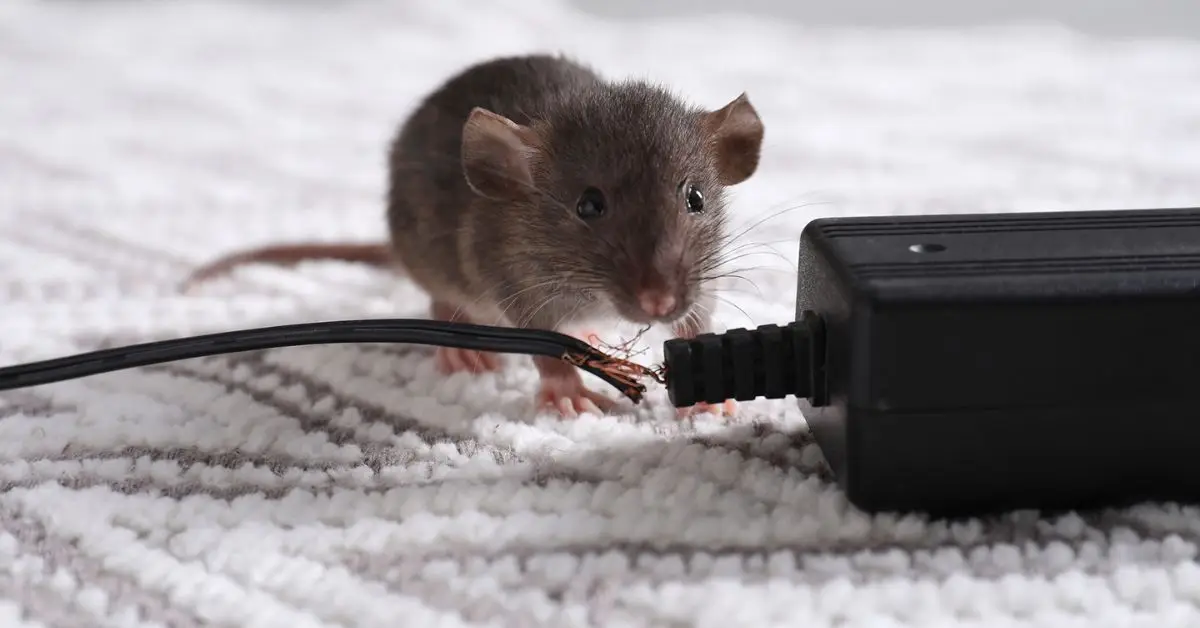
Even with the best intentions, I’ve seen homeowners make mistakes that keep mice coming back. Here are the pitfalls I want you to avoid:
- Scattering repellents without sealing entry points: I’ve had friends sprinkle peppermint oil or other deterrents everywhere, but if mice can still squeeze in, it won’t make a difference.
- Relying solely on smell: Strong scents might annoy mice temporarily, but they quickly adapt. Don’t expect a smell alone to keep them out.
- Using toxic products incorrectly: Mothballs, rodenticides, or other chemicals can be dangerous if misused. Always read instructions and don’t improvise.
Avoiding these mistakes saves you time, money, and stress—and keeps your family and pets safe.
Quick Reference: What Does Repel Mice (Checklist)
Here’s a simple, at-a-glance guide I follow—it’s practical and easy to implement:
- Seal Entry Points – Stops mice at the door; do this first.
- Snap or Humane Traps – Catches the ones already inside; check daily.
- Peppermint Oil or Other Repellent Scents – Adds a deterrent layer; refresh weekly.
- Maintain Clean Food Storage – Reduces temptation; use airtight containers.
- Perimeter & Yard Maintenance – Removes outdoor hiding spots; trim shrubs and debris.
- Routine Home Inspections – Catches new issues early; do seasonally.
This checklist is quick to reference, and if you stick to it, you’ll see results much faster than relying on old myths like mothballs.
Final Note — Safe Use & Legal Considerations for Household Pesticides
I always remind myself—and I recommend you do the same—that safety comes first. Follow all EPA guidelines and label instructions for any chemical products. Misuse can harm your family, pets, and the environment.
I’d love to hear from you: Have you tried any of these mouse prevention tips? Which ones worked best for your home? Drop your experience in the comments below—I check them regularly and respond to questions.
And if you want more practical home improvement tips, tricks, and guides, visit my website: Build Like New. There, I share step-by-step advice to help your home stay safe, efficient, and pest-free.
Disclaimer: This article is for informational purposes only. Always follow label instructions and local regulations when using pesticides or repellents. The author and Build Like New are not responsible for any misuse or adverse effects.