West Springfield Home Fire Chief Issues Warning After Elderly Man Nearly Dies on Home Oxygen Near Springfield
An elderly man in his 70s is in serious condition after a fire tore through his bedroom at an apartment on Riverdale Street in West Springfield.
The cause is one that fire officials have been warning about for years.
What Happened
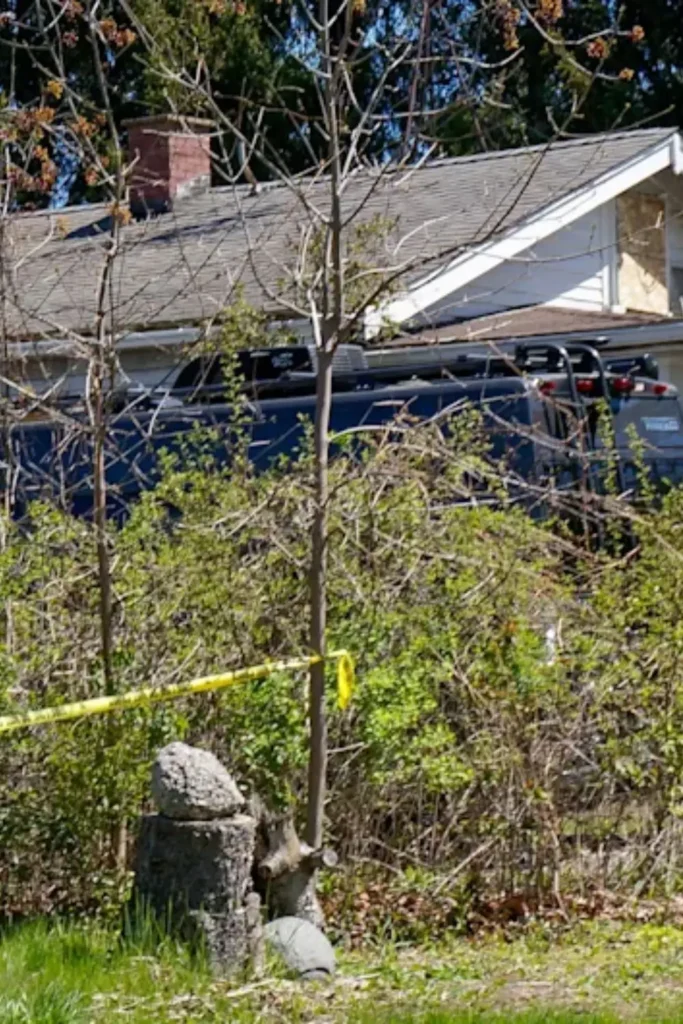
Early Monday morning, the West Springfield Fire Department responded to 2071 Riverdale Street following reports of a fire. Investigators confirmed the fire started in the man’s bedroom and was accidental.
The cause: he was smoking while using home oxygen.
According to Western Mass News, officials said the man was transported for medical care in serious condition. State Police assigned to the State Fire Marshal’s office assisted in the investigation.
Why Fire Officials Are Speaking Out
West Springfield Fire Chief Christopher J. Bartone didn’t mince words: “There’s no truly safe way to smoke, but smoking on home oxygen is especially dangerous. If you or someone you love uses home oxygen, please don’t smoke.”
State Fire Marshal Jon M. Davine added the key detail most people don’t understand: “Medical oxygen can saturate the user’s hair, clothing, and bedding, putting them at great risk for severe injury.”
That’s the part people miss. It’s not just that oxygen feeds a flame. It actually soaks into everything around the person. A small spark becomes something uncontrollable within seconds.
Why This Matters: And It’s Bigger Than One Fire
This isn’t an isolated incident.
According to the Massachusetts Department of Fire Services, smoking materials were the leading cause of fire deaths in Massachusetts in 2025, contributing to 21 fatalities. In many cases, medical oxygen made those fires far deadlier.
Last July, 10 elderly residents died at the Gabriel House assisted living facility in Fall River, the deadliest Massachusetts fire in over 40 years.
Investigators believe smoking near oxygen was a contributing factor. Victims ranged in age from 61 to 86. Many were in wheelchairs. Many couldn’t escape.
Residential fires don’t always make national headlines, but the damage to lives, property, and families is real and lasting.
Just recently, a garage fire in East Peoria caused over $100,000 in damage and destroyed a home and multiple vehicles. These fires are happening across the country, and in many cases, they were preventable.
And nationally, an estimated 150 people die every year in fires involving home oxygen therapy, according to fire incident data.
Up to 50% of home oxygen patients continue to smoke, often because the addiction is stronger than the warning.
Fires involving elderly or vulnerable residents are especially hard to escape quickly.
This rescue case in Jeffersonville, where firefighters had to pull a trapped dog from a heavy blaze, is a clear reminder of how fast things can go wrong. When mobility is limited, every second counts.
If you want to stay updated on fire incidents and home safety news as they happen, there’s a WhatsApp channel covering these stories regularly. Worth following if this kind of local fire news matters to you.
What You Can Do Right Now
Fires don’t always have a single dramatic cause. Sometimes it’s a slow buildup of ignored warnings.
In Butler County, investigators are still searching for the exact cause after a 2-alarm fire destroyed a home, a reminder that fire safety is often about what wasn’t done before the smoke alarm ever goes off.
If someone in your home uses medical oxygen, these steps aren’t optional:
- No smoking anywhere near oxygen equipment, not in the same room and not in the same building
- Ask their oxygen provider about firesafe cannula valves (thermal fuses), which cut off oxygen flow automatically when heat is detected
- Post “Oxygen in Use” signs at entry points
- Make sure smoke alarms work inside and outside every bedroom
- Download the free safety brochure from the Massachusetts Department of Fire Services, available in five languages
Key Takeaways
This fire was preventable. The technology exists, the warnings exist, and the pattern is well-documented. What’s missing is awareness, especially among families and caregivers of elderly patients who are still smoking.
If your parent, neighbor, or patient is on home oxygen, this is worth one uncomfortable conversation.
Do you know someone who uses home oxygen at home? Have you ever had to navigate fire safety in a caregiving situation? Drop your experience in the comments. Your story might be exactly what someone else needs to read.
For more fire safety coverage and home news, follow us on X (Twitter) and join the community on Facebook. More stories at Build Like New.
Disclaimer: This article is for informational purposes only, based on publicly available statements from the West Springfield Fire Department and the Massachusetts Department of Fire Services.