Two Residents Displaced After House Fire Renders Florida Home Uninhabitable
A house fire does not just burn walls and furniture. It ends the ordinary rhythm of someone’s life in minutes. No warning, no second chance, just the moment before and everything after.
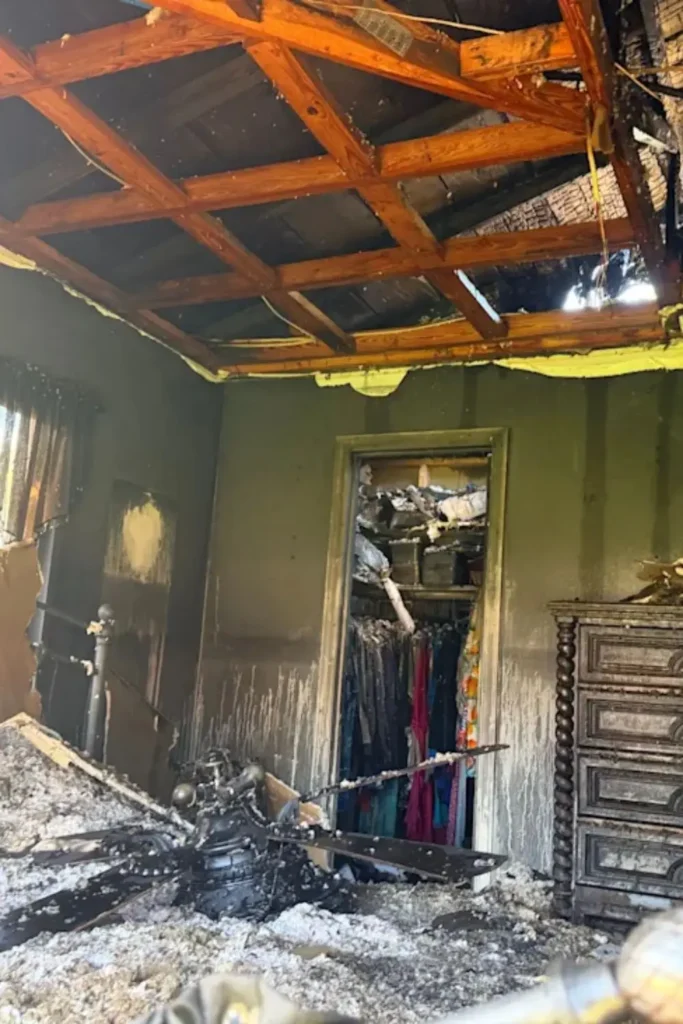
On May 15, 2026, a fire tore through a home in Indian River County, Florida, forcing both residents out and leaving the property officially uninhabitable.
No injuries were reported. But “no injuries” does not mean everyone walked away fine. It just means no one went to the hospital.
What Happened in Indian River County
Indian River County Fire Rescue responded to the blaze and brought it under control. The home was declared uninhabitable on the scene, meaning the residents could not go back.
The American Red Cross was contacted to provide emergency assistance. Two people, displaced overnight, with nothing but what they had on them.
What Actually Happens After a Home Gets Tagged Uninhabitable
Most people assume that once the fire is out, recovery starts. It does not. That is often when the harder part begins.
An uninhabitable declaration means officials have determined the structure is unsafe to occupy. Residents often cannot re-enter, not even to grab medication or documents, without official clearance.
Red Cross emergency assistance typically covers the first 72 hours: a hotel room, food, basic essentials. After that, the financial gap opens up fast. Insurance claims take time, and mortgage payments do not pause.
The Indian River County fire that displaced these two residents is one of dozens that happen across Florida every year.
When damage is severe enough that nothing is salvageable, people lose every anchor they had. That is exactly what happened when a Schenectady fire left 15 people homeless after the building was declared a total loss.
The Part Nobody Talks About
Displaced residents often face weeks without a stable address. Sometimes families escape with their lives and nothing else.
In Blackfoot, a family escaped a garage fire unharmed but still had to walk away from their home while damage was assessed. Safe, yes. Settled, not even close.
If you follow housing and property stories closely, there is a WhatsApp channel that covers these developments without the usual news cycle delay. Worth having in your feed.
Why This Matters
This is not an isolated incident. According to the National Fire Protection Association’s 2024 fire loss report, an estimated 329,500 home structure fires were reported in the US in 2024.
That is roughly one home fire every 96 seconds, causing approximately $11.4 billion in direct property damage.
Homes with working smoke alarms have a 60% lower fire death rate. That one number says everything about how preventable many of these outcomes are.
And sometimes fire stories go far darker than displacement alone.
When a child and two adults were killed in a Montebello house fire where domestic violence was suspected, it was a reminder that behind every fire report, there is a story the headline barely touches.
Florida’s high population density and aging housing stock keep residential fire numbers consistently elevated. This week’s Indian River County fire is part of that larger pattern.
Key Takeaways
- Fire displaced 2 residents in Indian River County, Florida on May 15, 2026
- Home declared uninhabitable by fire rescue officials on the scene
- No injuries reported
- Red Cross contacted for emergency assistance
- A US home fire is reported every 96 seconds, per NFPA 2024 data
- Homes with working smoke alarms have a 60% lower fire death rate
- Red Cross assistance covers roughly the first 72 hours, not long-term recovery
What do you think about how displaced fire victims are supported after the emergency crews leave? Is the current system enough, or does it leave too wide a gap? Drop your take in the comments.
Wrapping Up
Two people lost the use of their home overnight. No injuries, yes. But also no place to sleep and a recovery process that can stretch on for months.
These stories get one paragraph in local news, then disappear. They deserve more than that.
If this kind of coverage matters to you, Build Like New covers real estate, housing, and the human side of property stories regularly. Worth bookmarking.
For more stories like this as they break, follow Build Like New on X (Twitter) and join the conversation on the Facebook community. That is where these stories get discussed in real time.
Disclaimer: This article is for informational purposes only. All details are based on publicly available reports at the time of publication.