A Backyard Grill Started This House Fire in Lysander and Experts Say It Happens More Than You Think
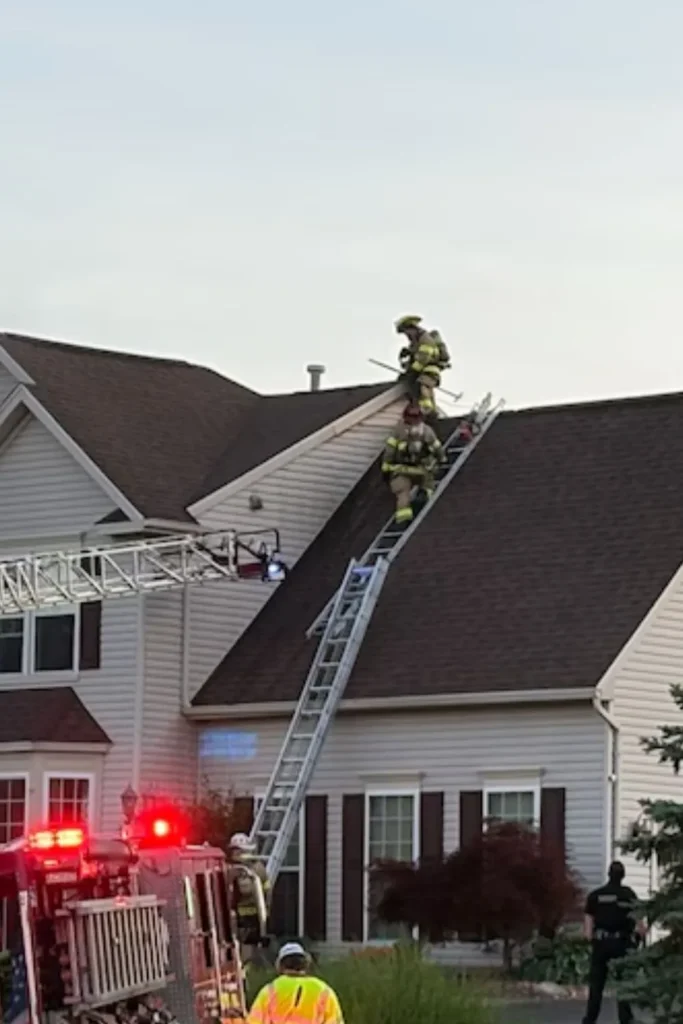
A grill fire broke out Sunday evening in Lysander, New York, and by the time firefighters arrived, it had already spread from the backyard to the home.
The fire at 7651 Haylage Circle was reported at around 7:50 p.m. John Melchior, Assistant Chief with the Belgium Cold Springs Fire Department, confirmed it started in a grill in the home’s backyard. According to Syracuse.com, no one was injured.
Lucky outcome. But luck is not a fire safety plan.
This Is Not a One-Off Story
The same week, a gas grill fire in Bothell, Washington spread into a home and pushed into the attic. Firefighters had to pull ceilings to find the hidden fire and rescued a dog trapped inside.
In Wentzville, Missouri, a single grill fire spread to three neighboring homes and displaced seven people. In March 2026, unattended BBQ embers in Kapolei, Hawaii caused a two-story residential fire.
What makes these stories harder to read is that people rarely get a warning before the fire reaches their home.
A brush fire near a San Jose mobile home park earlier this year showed the same pattern. Fire moves faster than most people expect, and by the time you notice, it has already made decisions for you.
Why This Matters
We are entering the most dangerous window of the year for grill fires right now.
According to NFPA data from 2020 to 2024, U.S. fire departments responded to an annual average of 12,141 home fires involving grills, including 6,110 structure fires. These incidents caused 15 deaths, 171 injuries, and $241 million in property damage every single year.
July is the peak month. June is second. We are right in the middle of it.
How a Grill Fire Actually Reaches Your House
Most people think a grill fire stays at the grill. It does not.
Grill temperatures cross 500°F within minutes. Grease buildup in the drip tray or on the burners ignites fast and sends serious heat toward your siding, wooden deck, porch railings, and exterior walls.
One in four grill structure fires starts on an exterior balcony or open porch. In 8% of those fires, the first thing that caught was an outside wall. The U.S. Fire Administration found that more than half of grill fires happen simply because something flammable was too close to the heat source.
If you want to stay ahead of fire safety stories that affect homeowners directly, the Build Like New WhatsApp channel covers incidents like this as they happen.
What Most Homeowners Are Getting Wrong
The 10-foot rule. Almost nobody follows it.
Your grill needs to be at least 10 feet away from your home, deck railings, eaves, and any overhanging structure. Not 4 feet. Not on the covered porch because it looks like rain.
Grease buildup is responsible for 20% of all grilling fires. One in three gas grill fires that spread to a structure happened because the grill had not been cleaned. And never leave a grill unattended, not for 5 minutes, not to grab a drink.
When a fire does reach a home and families are not prepared, the damage goes far beyond the structure. When a fire destroyed a Beaverton home and left 11 people with nowhere to go, the displacement was not the fire’s only damage. It was just the beginning of it.
Six Things to Check Before You Grill This Weekend
- Place the grill at least 10 feet from your home and any structure
- Check propane hoses for cracks or leaks before every use
- Clean the drip tray and grates, because grease is kindling
- Keep a Class B fire extinguisher outside near the grill, not inside
- Never use water on a grease fire, it spreads the flame
- Stay at the grill. Always.
Have you actually measured how far your grill sits from your house? Drop your answer in the comments. It might be a wake-up call for someone else reading this.
The Lysander fire ended without injuries. But as stories like the Spokane wildfire that left one woman no time to grab anything except her cat and her husband’s ashes remind us, when fire moves, it does not wait.
Do not wait for your own close call. For more home safety stories that matter, visit Build Like New. Follow us on X and Facebook for updates as these situations develop.
Disclaimer: This article is for informational purposes only.