Is a Historic Home Worth It? Pros and Cons for Buyers
I’ve seen this question come up again and again—usually right after someone walks into an old house and feels something they didn’t expect.
You’re not just looking at walls and rooms. You’re imagining who lived there, what the place has witnessed, and whether owning a piece of that history is a smart move—or an expensive mistake.
That emotional pull is real. And it’s exactly why historic homes divide buyers so sharply.
Most SERP articles jump straight into bullet-point pros and cons. What they miss is why people are even tempted in the first place. If you don’t understand that, the rest of the decision feels confusing.
A historic home usually means a property recognized for its age, architecture, or cultural value—often listed on a local, state, or national historic register. But for buyers like you, the label matters less than the experience.
You’re drawn to details modern homes rarely offer. Thick wood doors. Hand-crafted trim. Floor plans that feel human, not copy-pasted. These homes don’t just look different—they feel different.
I’ve noticed something interesting while researching buyer discussions and expert commentary:
People don’t start this journey because they want tax credits or resale value. They start because the home feels personal.
Only later do the practical questions hit.
Can I renovate this place?
Will the rules control every decision?
Am I buying charm—or signing up for stress?
That’s the real search intent behind “historic home buying pros and cons.” You’re not asking for a generic list. You’re trying to figure out whether your emotional reaction aligns with reality.
And that’s exactly how this guide is structured.
I’ll walk you through the benefits that actually hold up in real life, the downsides buyers often underestimate, and the trade-offs most articles avoid talking about. No hype. No fear-mongering.
Just a clear way to decide if a historic home fits your lifestyle, budget, and patience level.
Before we go further, let me ask you something— What attracts you more right now: the character of an old home, or the idea of owning something truly unique?
Pro #1 — Unique Character & Unmatched Architectural Details
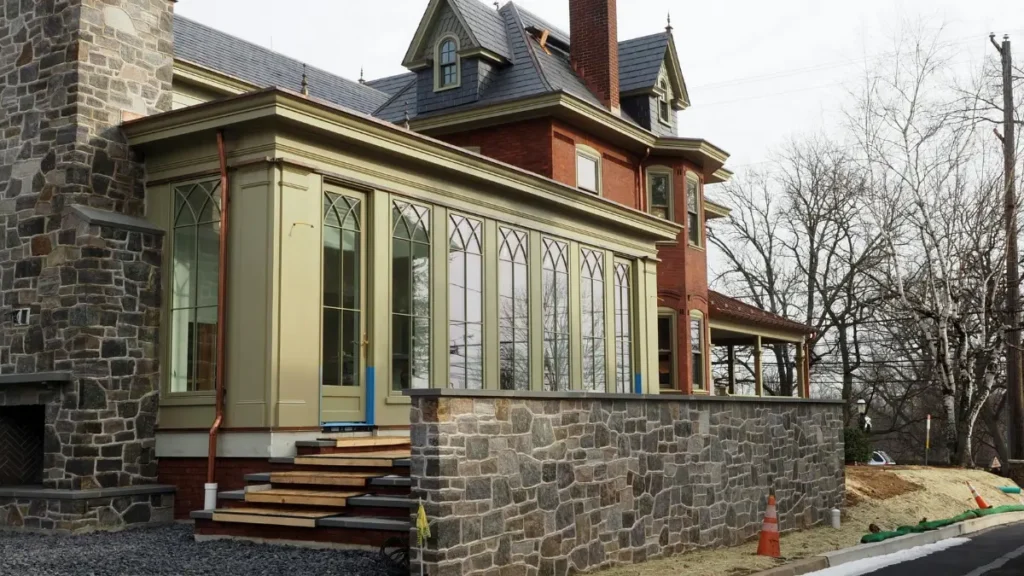
This is the reason most people even start looking at historic homes—and honestly, no modern build really competes here.
When I compare historic homes to newer construction, the biggest difference isn’t age. It’s intent. Older homes were built to last decades, sometimes centuries, not just until the next housing cycle.
You’ll often see solid wood doors instead of hollow ones. Thick plaster walls instead of drywall. Real stone, brick, or old-growth timber that’s hard—and expensive—to find today.
Then there are the details. Hand-carved stair rails. Original fireplaces. Ceiling medallions, transom windows, built-in cabinets. These aren’t decorative add-ons; they were part of the original craftsmanship.
Living in a historic home feels different because the space wasn’t designed by software. Rooms have personality. Imperfections feel human. For many buyers, that sense of warmth and story matters more than having the latest finishes.
That emotional connection is powerful—and it’s something most SERP articles mention, but rarely explain from a lived-in perspective.
Pro #2 — Tax Incentives, Grants & Financial Perks (Data-Backed)
This is where things get practical—and where a lot of articles stay frustratingly vague.
If your home is officially recognized as historic, you may qualify for federal and state tax credits when you renovate. These aren’t small perks. In some cases, a percentage of qualified rehabilitation costs can be credited back to you.
There are also state-level grants and low-interest preservation loans designed specifically to encourage people to restore historic properties rather than tear them down.
The key detail most buyers miss:
Not every renovation qualifies, and not every historic home is eligible.
Programs often require that renovations follow preservation guidelines and are approved in advance. When done right, though, these incentives can significantly reduce your long-term costs.
Over time, this can change the investment math. A home that looks expensive to maintain upfront may become far more manageable when tax credits and grants are factored in.
That’s why official programs like those highlighted by the National Park Service and referenced in major real estate guides matter—they’re not myths, but they do come with rules.
Pro #3 — Community & Neighborhood Value
One underrated advantage of historic homes is where they’re located.
Historic properties are often clustered in preserved districts, and those neighborhoods tend to have a strong identity. People choose to live there intentionally, not accidentally.
You’ll often find walkable streets, local cafes, annual home tours, and community events centered around preservation. Neighbors usually know one another—and care about maintaining the character of the area.
This sense of place creates stability. Buyers who value charm and history actively seek these neighborhoods, which keeps demand steady even when markets cool.
It’s not just about the house. It’s about belonging to a community that values what you value.
Pro #4 — Potential Higher Resale Value (With Conditions)
Yes, historic homes can sell for more—but only under the right conditions.
Location matters more than anything. A well-maintained historic home in a desirable or growing area often benefits from scarcity. There simply aren’t many homes like it, and that uniqueness can drive competition.
Condition matters just as much. Buyers will pay for preserved charm, not deferred maintenance disguised as character.
Market trends also play a role. When buyers are prioritizing lifestyle, walkability, and authenticity, historic homes tend to perform well.
But it’s important to be honest here:
If the home is in a declining area, heavily restricted, or poorly maintained, resale gains aren’t guaranteed.
That nuance is often missing from top-ranking pages—and it’s exactly why expectations need to be realistic from day one.
Before we move on to the downsides, let me ask you this: Which matters more to you right now—owning something truly unique, or having maximum flexibility with fewer long-term obligations?
The Real Cons — What Buyers Often Underestimate

This is where reality usually kicks in.
When I went through buyer discussions on Reddit, one pattern kept repeating: “I loved the house… until the inspection.” Not because people were careless—but because many of these issues don’t show up during a casual walkthrough.
Historic homes don’t just ask for love. They demand patience, planning, and money—often more than buyers expect.
Let’s talk about the downsides people only understand after they sign.
Con #1 — Strict Preservation Regulations & Red Tape
This isn’t just about “extra rules.” It’s about loss of control in places you may not expect.
If your home sits in a designated historic district, changes often need approval from a local historic commission or review board. That can include things as small as paint color or as big as window replacements.
Want modern vinyl windows? Usually not allowed.
Planning an extension? Expect design reviews and delays.
Replacing a roof? You may need specific materials that cost more.
Several real estate guides—including Raleigh Realty—point out that even well-intended upgrades can be denied if they alter the home’s original character.
The frustrating part isn’t always the rule itself. It’s the timeline. Approvals can take weeks or months, which turns simple projects into long waiting games.
Con #2 — Specialized Renovations & Hidden Structural Risks
This is the most common regret buyers talk about—and for good reason.
Older homes weren’t built with modern systems in mind. During inspections, issues like asbestos insulation, lead paint, or knob-and-tube wiring often come up unexpectedly.
Fixing these isn’t just expensive—it requires specialists.
You can’t always hire a regular contractor. Skilled craftsmen who understand historic materials are harder to find, booked far in advance, and usually cost more.
On Reddit, homeowners frequently share stories of budgets doubling after uncovering foundation damage, outdated plumbing, or unsafe wiring behind walls that looked “fine” at first glance.
These aren’t rare horror stories. They’re common enough to plan for.
Con #3 — Financing & Insurance Challenges
This is a gap most articles gloss over, but lenders don’t.
Banks tend to be cautious with historic homes because they’re non-standard. Renovation needs, outdated systems, or appraisal complications can make financing slower—or stricter.
You may be asked for larger down payments, detailed repair plans, or additional inspections.
Insurance can be just as tricky. Premiums are often higher, and coverage may be limited unless you choose a specialized historic home policy that accounts for restoration costs rather than replacement value.
It’s manageable—but it’s rarely simple.
Con #4 — Higher Maintenance & Ongoing Costs
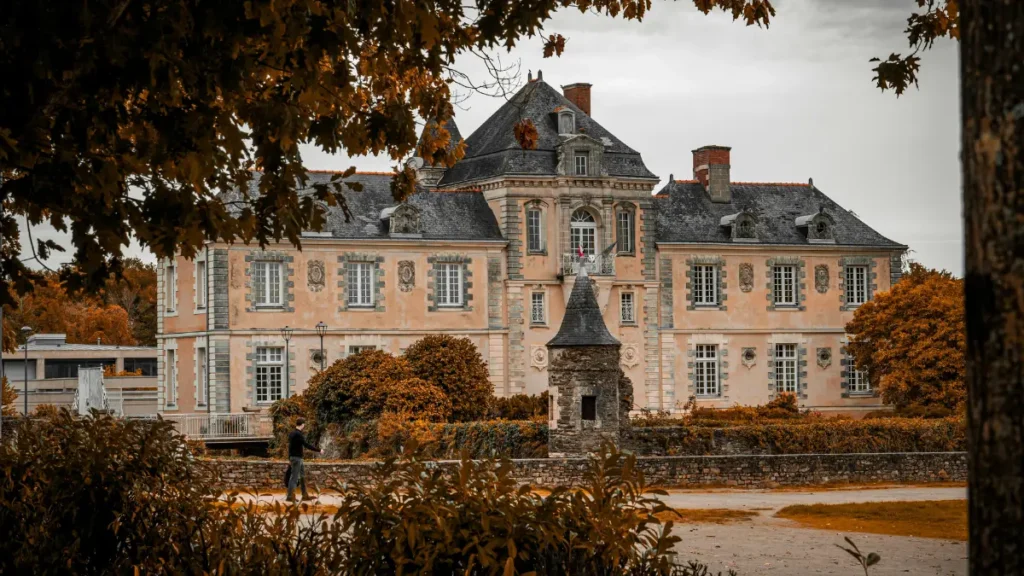
Owning a historic home isn’t about fixing things once. It’s about constant upkeep.
Older roofs, foundations, and utility systems don’t age quietly. Small issues tend to snowball if ignored, and repairs usually aren’t cheap because modern shortcuts aren’t an option.
Buyers on forums often say the same thing:
“You don’t budget for a repair. You budget for a lifestyle.”
If you’re not comfortable setting aside extra money every year for maintenance, this can quickly feel overwhelming.
Con #5 — Lower Energy Efficiency & Older Systems
Comfort is another surprise factor.
Many historic homes have insulation gaps, single-pane windows, and older heating or cooling systems. Even when everything works, energy bills are often higher than expected.
Drafts, uneven room temperatures, and limited insulation affect daily living—not just costs.
Upgrading for efficiency is possible, but again, preservation rules can limit how far you can go.
And if you’re still saving or budgeting for renovations, check out these tips to save faster for your home.
Con #6 — Lifestyle Trade-offs (Space & Modern Convenience)
This is a downside people rarely talk about openly.
Historic homes weren’t designed for modern storage needs. Closets are smaller. Bathrooms are fewer. Layouts don’t always support open living or home offices.
House Digest and buyer forums both highlight this tension: balancing charm with comfort.
You gain character, but you give up flexibility. For some people, that trade-off feels worth it. For others, it becomes a daily frustration.
Here’s the honest truth I’ve seen across research, expert sources, and real buyer experiences:
Historic homes reward patience—but punish unrealistic expectations.
So before you move forward, ask yourself this:
Are you excited by the idea of stewardship and long-term care—or are you hoping the charm will outweigh the compromises?
Once you make an offer or purchase, knowing what to do immediately after buying a home can save you headaches down the line.
Decision Checklist — Is a Historic Home Right for You?
Before you jump in, it helps to pause and evaluate your readiness. Here’s a checklist I recommend:
- Budget Range: Include purchase price, renovations, and ongoing maintenance. Be realistic—historic homes often cost more long-term than modern equivalents.
- Inspection Must-Haves: Hire an inspector familiar with historic properties. Ask specifically about wiring, foundation, roof, and original materials.
- Permit & Approval Readiness: Check local historic commission rules. Are you prepared for delays or required approvals?
- Lifestyle Priorities: Consider space needs, energy efficiency, and convenience. Does the home fit your daily routine, or will charm outweigh practicality?
If you want quick daily tips and updates while planning your home purchase, many buyers find it helpful to keep a dedicated group or channel handy to track insights and questions, like a private discussion space on WhatsApp.
Expert Tips for First-Time Historic Home Buyers
If this is your first historic home, these tips can save headaches and money:
- Inspector Questions: Ask about structural integrity, outdated wiring, plumbing, and preservation-sensitive repairs.
- Lender Approach: Prepare detailed plans for renovation, anticipate appraisal challenges, and consider specialized historic home loans.
- Grants & Tax Incentives: Check eligibility for federal and state credits, and get guidance from local preservation offices or programs like the National Park Service’s Historic Preservation Tax Incentives.
When planning your budget for a historic home, it’s also smart to consider how unexpected neighbor issues can affect property value—like those living next to vacant homes have shared.
Final Thoughts for Smart Buyers
Owning a historic home is as much a lifestyle choice as a financial one. The charm, craftsmanship, and community appeal are unmatched—but so are the regulations, maintenance, and trade-offs.
If you’re ready to embrace stewardship, plan realistically, and respect the home’s history, it can be deeply rewarding. If you prefer flexibility and minimal upkeep, a modern property may better suit your needs.
Here’s something to reflect on: What matters more to you—owning a piece of history, or avoiding surprises that could derail your plans? Your answer will guide whether a historic home is truly the right fit.
“If you want more tips on smart homeownership, historic homes, and real-life property stories, join the conversation on X or in our Facebook group.
Disclaimer: The information in this article is for general educational purposes only and may not apply to every historic home or location. Always consult local preservation authorities, inspectors, and financial professionals before making purchasing or renovation decisions. Individual results and costs may vary.