Fire-Damaged Historic Home in Dignowity Hill Faces Demolition
I have seen a lot of fire stories, but this one hits differently because it is not just about flames and damage.
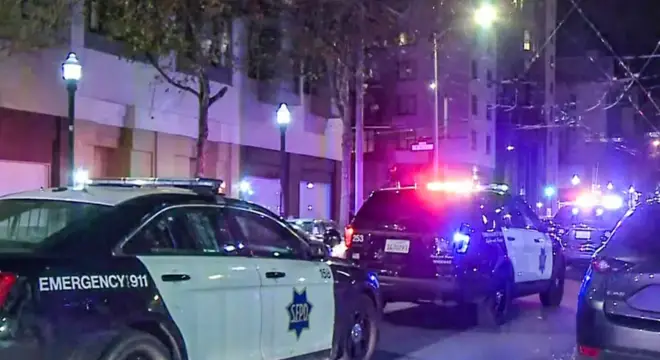
In San Antonio, two serious fires broke out within days of each other, leaving families displaced at an apartment complex on the north side and pushing a historic home in Dignowity Hill toward emergency demolition.
When I look at stories like this, I do not just see a breaking news headline. I see a bigger question you are probably asking too.
How does a city protect people in the moment while also losing pieces of its history that cannot be rebuilt once they are gone.
Historic Dignowity Hill home destroyed in separate incident
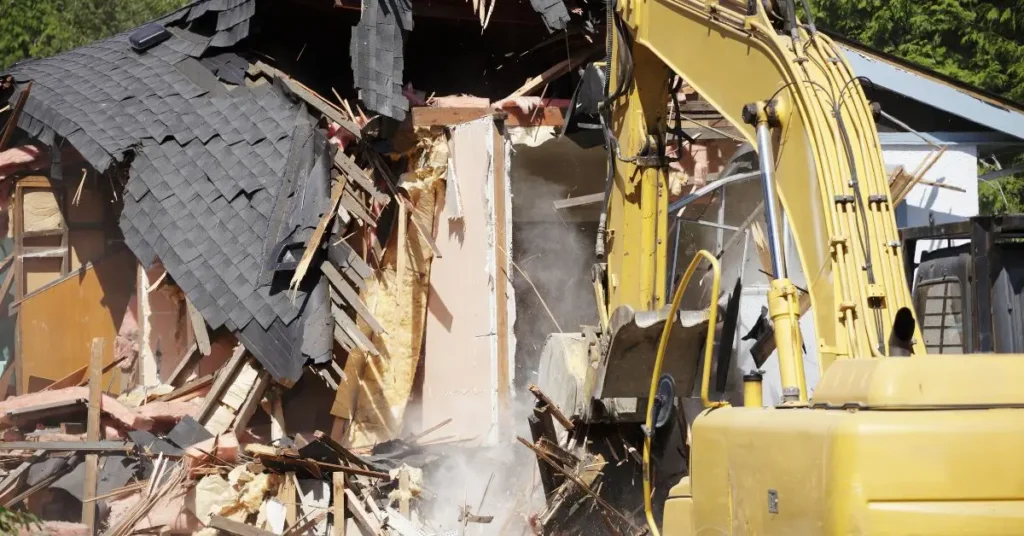
When I looked into the second fire, this one felt more serious because it involved a historic home. The house was on Nolan Street in Dignowity Hill, a well-known old neighborhood in San Antonio.
The property was empty at the time. Neighbors said the owner had already moved into a care facility, so no one was inside when the fire started. That helped avoid injuries, but the damage was still severe.
During the firefighting, parts of the structure started collapsing. At that stage, saving the building becomes very difficult.
By the next morning, inspectors had already marked it as a dangerous structure, and demolition was decided.
Eyewitness Account Reveals How Fast the Fire Spread
When you hear from someone who actually saw it happen, it gives a clearer picture. Mando, a nearby resident, said he stepped outside after hearing noise and saw the second floor already on fire.
There was panic. People were trying to get out, and police were already on site helping with evacuation. Sirens followed quickly as fire crews arrived.
How quickly the situation escalated
The fire spread fast. Within minutes, it had already reached the roof.
I have seen similar situations where fires escalate just as quickly, like in this case of a 10 year old boy who saved his family dog during a house fire.
That kind of speed leaves very little time for people to react.
In fact, fires can become uncontrollable very quickly, especially when there is nothing to slow them down.
According to the National Fire Protection Association report on sprinkler effectiveness
, when suppression systems are present, they control fires in about 97 percent of cases. Without that early control, things spread much faster.
Fire Response Timeline Shows Critical First Minutes
The emergency call came in at 7:40 a.m. The first fire truck responded within minutes and could already see heavy smoke on the way.
They quickly called for more support instead of waiting, which helped them handle the situation better.
Why early escalation saved lives
That quick decision made a difference. Firefighters were able to start evacuations early and get people out safely.
I have been noticing that updates in cases like these come in bits and pieces, and tracking them closely really helps understand what actually happens over time.
Even though part of the building is a total loss, there were no major injuries. And in cases like this, timing is usually what decides the outcome.
Why One Building Faces Demolition While Another Is Under Review

When you look at both fires, the obvious question is this. Why is one building being demolished immediately while the other is still under review?
Apartment complex still under structural evaluation
Right now, the apartment complex is not fully written off. The city’s Development Services Department is still checking how much of the structure can be saved.
In cases like this, officials look at stability, safety risks, and whether repairs are even possible. If parts of the building are still structurally sound, demolition may not be the first step.
Historic home already marked for emergency demolition
The situation with the Dignowity Hill home is very different. Inspectors quickly placed a red placard on the property.
That label means the structure is considered unsafe to the public. It is officially classified as a “dangerous premises,” which usually leads to fast action instead of long evaluation.
According to reporting by KENS5, the level of damage and structural collapse made demolition the only practical option.
What “Emergency Demolition” Means in San Antonio
If you are hearing this term for the first time, you are not alone. It sounds extreme, but it follows a clear process.
Legal definition and safety criteria
An emergency demolition happens when a building is no longer safe to stand. This usually means there is a real risk of collapse or harm to people nearby.
The city steps in when the structure becomes a public safety issue, not just a damaged property.
The 96-hour demolition rule explained
One important detail here is timing. Once a structure is officially marked dangerous, there is often a short window to act.
In this case, there is a 96 hour deadline built into the ordinance. That means demolition can move forward quickly without long delays.
Who authorizes demolition decisions
These decisions are not random. Code enforcement teams and the Development Services Department review the site and make the call based on safety.
So when you see “emergency demolition,” it usually means multiple officials have already agreed that the risk is too high to wait.
The Historic Value of the Dignowity Hill Property
This is where the story goes beyond just fire damage.
Why this neighborhood matters to San Antonio
Dignowity Hill is one of the oldest historic districts in the city. Homes here are not just buildings, they are part of San Antonio’s early development and identity.
That is why incidents like this get more attention than a typical property fire.
Loss beyond the structure
When a historic home is demolished, you are not just losing walls and a roof. You are losing design, history, and character that cannot be rebuilt the same way.
Even if something new comes up in its place, it will not carry the same story.
Risks That Made the Historic Home Unsalvageable
When you break it down, this was not a situation where the home could realistically be saved.
Structural collapse during firefighting efforts
During the fire, parts of the structure started collapsing. That alone changes everything.
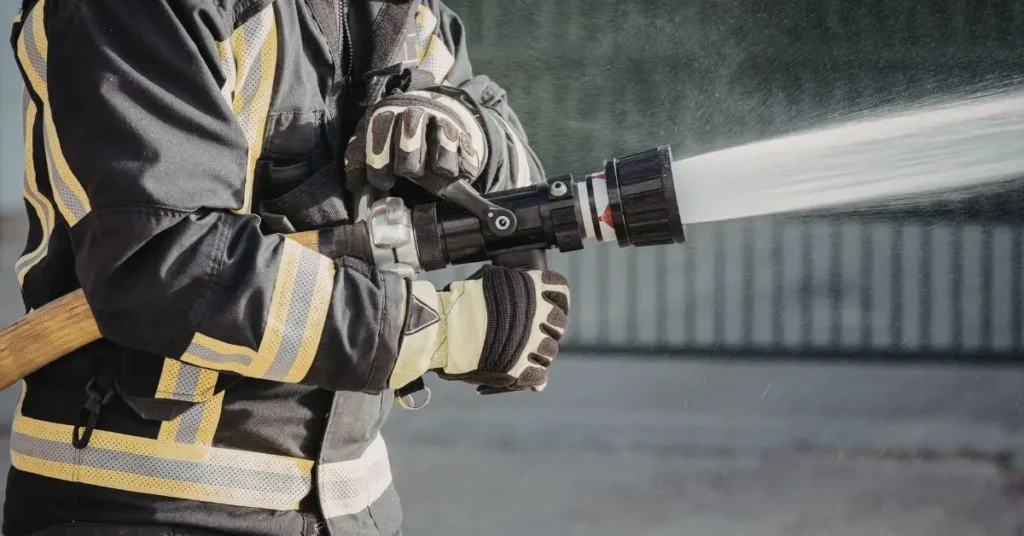
Once a building becomes unstable, firefighters cannot safely go inside or continue aggressive operations. At that point, the goal shifts to controlling the fire and avoiding further risk.
Weather and environmental factors
Weather also played a role here. Wind gusts were reported up to 28 mph.
Strong wind pushes flames faster and spreads heat across the structure. That is one reason fires can get out of control so quickly, especially in older buildings.
Electrical service as a possible factor
Another detail is that the home had electricity but no gas line.
In some cases, investigations later reveal deeper causes, like in this Pearl City house fire that was later declared intentional with major damage.
While the exact cause is still under investigation, electrical systems are often linked to residential fires. In fact, fire safety research shows that fires can escalate very quickly when there is nothing to slow them down early on.
Human Impact — Displacement and Injuries
When I look at incidents like this, the real impact is not just the damage. It is what people go through after.
Residents forced out of their homes
The apartment fire has left several residents displaced.
In a matter of minutes, people had to leave their homes, often without time to collect belongings. That kind of disruption is not easy to recover from.
And in some situations, the outcome is even more serious, like this Bettendorf house fire where one person lost their life.
Firefighter injuries highlight risks
Two firefighters were also taken to the hospital after debris fell on them.
Even though the injuries were minor, it shows how risky these situations are. Firefighters are dealing with collapsing structures, heat, and limited visibility at the same time.
What Happens Next for Both Sites
After the fire is controlled, the focus shifts to what comes next.
Timeline for demolition of the historic home
The historic property is now moving toward demolition under a 96 hour window.
This is done to remove any immediate danger from the unstable structure and prevent further risk to the public.
Ongoing investigation into fire causes
For both fires, the exact cause is still unknown.
Officials are continuing their investigation, and more details are expected once inspections are complete.
Future of the apartment complex
The apartment building is still under review.
Authorities are checking if parts of it can be repaired or if demolition will also be required. That decision will depend on how much of the structure is still safe.
Bigger Issue — Fire Risks in Aging and Historic Buildings

When I look at incidents like this, I do not see them as isolated cases. They point to a bigger issue that many cities quietly deal with.
Why older structures are more vulnerable to fires
Older buildings were not designed with modern safety standards in mind. Over time, wiring can wear out, materials can weaken, and maintenance often gets delayed.
That combination makes these structures more exposed to fire risks. Even a small issue can escalate quickly when the building itself is already vulnerable.
Challenges in preserving historic homes safely
At the same time, you cannot just upgrade everything easily. Historic homes come with restrictions.
You want to preserve their original design, but you also need to make them safe. That balance is not simple. Sometimes safety upgrades change the character of the building, and sometimes avoiding changes increases the risk.
Key Insights From These Incidents
When you step back and connect both fires, a few things become clear.
First, fires spread faster than most people expect. By the time you notice, the damage is often already severe.
Second, not every building can be saved. Once structural damage crosses a point, restoration is no longer practical.
And third, the impact goes beyond property. You are looking at displaced families, injured responders, and in cases like Dignowity Hill, the loss of something that carried history.
These are not just news stories. They are reminders of how fragile both safety and heritage can be at the same time.
I would like to hear your take on this. Do you think cities should prioritize strict safety upgrades even if it changes historic buildings, or should preservation come first?
If you are interested in more real world insights around construction, safety, and rebuilding smarter, you can also explore more on my platform Build Like New where I break things down in a practical way.
Disclaimer: This article is based on publicly available reports and ongoing developments. Details such as the exact cause of the fires and final structural decisions may change as official investigations are completed.