The $50,000 Tree Pruning Fine That Shocked San Francisco Homeowners
I never thought trimming a few branches in front of my own house could cost someone $50,000—until I saw it happen in San Francisco. You might assume that if a tree shades your sidewalk or drops limbs near your driveway, it’s yours to manage. I know I would. But in many cities, including San Francisco, some of these trees are actually public property, and pruning them without permission can land you in serious financial trouble.
When I first read about this case, I realized how easy it is to get caught between well-meaning advice from an insurance company and the strict rules of municipal regulations. You think you’re reducing risk, but if the city sees it differently, you could be facing a massive fine. In this article, I’ll break down what went wrong, how to avoid the same mistake, and the practical steps you can take before touching any tree outside your door.
Private vs. Public Trees – Who Really Owns Them?
When I first read the story of the San Francisco homeowner who got hit with a massive fine, one thing stood out to me: a tree that looks like it’s part of your yard might actually belong to the city. In this case, the homeowner trimmed trees in front of his house thinking he was protecting his property, but the city ruled those trees were publicly owned. That’s a shock most of us wouldn’t expect until we’re staring at a bill for tens of thousands of dollars.
Here’s the reality: in many cities, especially San Francisco, sidewalk and street trees are part of municipal property. Similar to other minor but costly violations, like when a single mother was fined $150 by her HOA, it’s vital to verify tree ownership before you start trimming.
Only authorized city crews are allowed to prune or maintain them. If you grab a saw and start cutting, you’re not just trimming branches—you’re potentially breaking city code. And if something goes wrong—like a branch falls and injures a passerby or damages a neighbor’s fence—the question suddenly becomes about liability, not intent. Even if you thought you were doing the right thing, you could be on the hook.
To understand exactly how this unfolded, I referred to the detailed report on Realtor.com about the San Francisco city fining homeowners for pruning trees, which breaks down how the city interpreted ownership and enforcement.
The Role of Insurance and Municipal Regulations
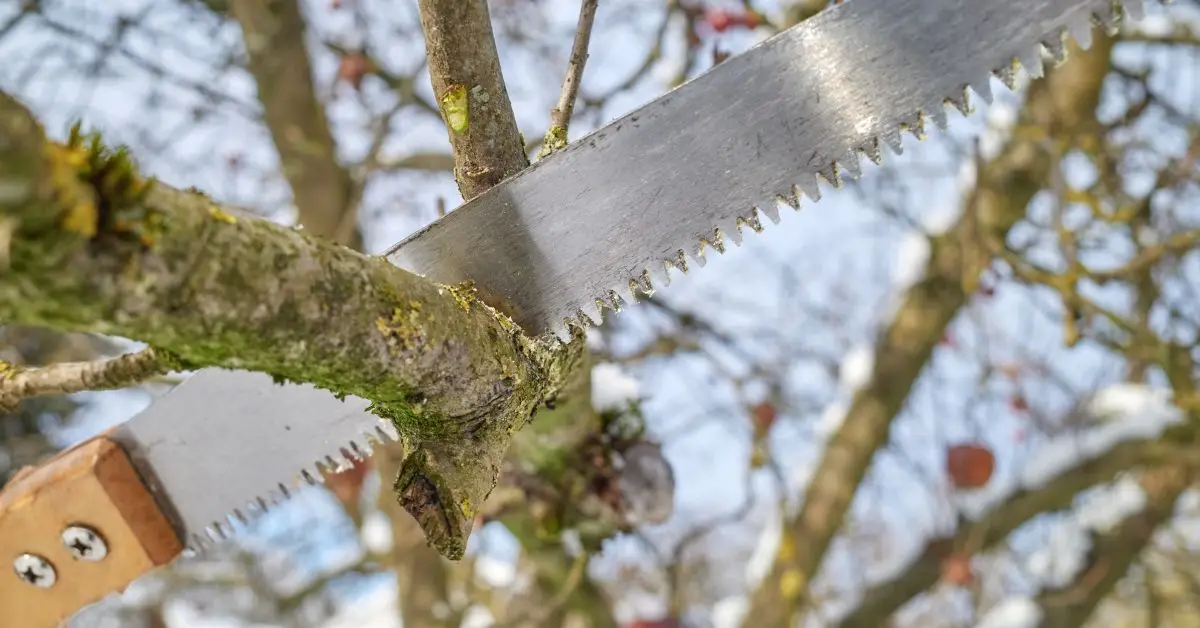
What really complicates matters is when good advice from one place contradicts strict rules from another. I’ve talked to homeowners who were told by their insurance agents to trim overhanging branches to reduce risk. That sounds sensible, right? But municipal regulations don’t always see it the same way. The advice to mitigate risk from an insurance standpoint can actually push you into violating city tree laws.
So how do you navigate this conflicting guidance? First, if an insurance company is urging you to take action, get everything in writing. A written statement from your insurer outlining what they want you to do can be invaluable later if there’s a dispute. Then, before you make any cuts, reach out to your city’s public works or urban forestry department and explain the situation. You’re not just being cautious—you’re building a paper trail that protects you.
I’ve seen simple permission checks and clear communication with city authorities save homeowners from major legal headaches. It takes a few extra minutes now, but it could save you thousands later.
How to Ensure Compliance Before Pruning
When I faced a situation like this, the first thing I did was make sure I knew exactly who owned the trees in front of my property. It’s easy to assume all the greenery around your home is yours, but that’s not always the case. I always check the city’s tree inventories or online maps first—many municipalities provide these services for free. This simple step can save you a lot of guesswork and potential fines.
I also often share quick updates and helpful tips on my WhatsApp channel, where homeowners exchange real-time advice about safely managing property trees.
Next, I make sure to hire a certified arborist if any trimming is necessary. The International Society of Arboriculture (ISA) certification is the gold standard, and it’s crucial to verify that a professional is genuinely certified. Finally, I always get written approvals before any work begins. Whether it’s from the city agency responsible for that tree or a certified arborist, having documentation protects you if a branch falls or neighbors raise concerns. Taking these preventive steps might feel like overkill, but it’s far better than facing a multi-thousand-dollar penalty.
Fines and Penalties for Illegal Pruning
Here’s the reality I learned the hard way: fines for pruning city-owned trees can range from a few thousand dollars to over $50,000, depending on the damage and replacement costs. I’ve seen it firsthand in San Francisco, where one homeowner ended up paying a staggering $50,000 because the trees he trimmed weren’t on his property.
While that case is extreme, smaller fines are more common and still painful. Knowing the rules ahead of time is just as important as understanding local laws before snow removal—check out what every homeowner should know before dumping snow in a neighbor’s yard to avoid fines and lawsuits.
Knowing the range and understanding how municipalities enforce these rules helps you make smarter decisions before you pick up a saw. If you want to see official guidelines and examples from other cities, the American Society of Landscape Architects provides resources on municipal tree regulations and penalties. Reviewing these can give you a sense of what to expect and how to avoid being caught off guard.
Expert Insights

Legal Perspective
When I spoke to legal experts like Raul Gastesi and Yosi Yahoudai, one thing became clear: liability isn’t just about intentions—it’s about following the rules. Even if you’re acting to protect your property or reduce risk, you could be held responsible for injuries or damages caused by incorrectly pruned trees. I’ve seen cases where homeowners were blindsided by city enforcement, simply because they didn’t confirm whether a tree was public property before cutting.
Arborist Perspective
From an arborist’s point of view, safety and tree health are just as important. Pruning improperly can weaken a tree, make it more prone to falling, or spread disease. That’s why I always recommend consulting a certified professional. For a clear explanation of why proper pruning is crucial for tree health and safety, I found this guide from Tree Service Express very helpful: Why Proper Pruning Is Important. It’s a practical resource that shows how professional techniques protect both your property and the tree.
Practical Checklist for Homeowners
I like to keep a simple, step-by-step approach whenever I’m dealing with trees near my home. Here’s what I follow:
- Determine Tree Ownership – Check municipal inventories or maps to see if the tree is public or private.
- Consult a Certified Arborist – Only work with professionals verified through the ISA or similar organizations.
- Document Insurer Instructions – If your insurance provider requests pruning, get their recommendations in writing.
- Obtain City Approvals – Submit any necessary requests or permits to ensure you’re legally compliant.
Staying proactive and documenting everything is crucial, similar to strategies that help homeowners protect themselves from unfair HOA rules. Following these steps has saved me and others from expensive fines and legal headaches. It’s simple, proactive, and keeps both you and the trees safe.
Avoiding Costly Mistakes
After seeing what happened in San Francisco, I realized just how easy it is to make a well-intentioned mistake that can cost tens of thousands of dollars. The key lessons I keep in mind are simple but powerful: always verify who owns the tree, consult certified professionals, document any instructions from your insurer, and get official approvals before doing anything. Taking these steps proactively not only keeps you legally safe but also protects your property and the trees themselves.
Conclusion
At the end of the day, managing trees near your home isn’t just about aesthetics—it’s about responsibility, safety, and avoiding unnecessary fines. I hope by sharing these insights, you feel more confident making the right decisions before picking up a saw or calling in help.
If you’ve had your own experiences with tree pruning, fines, or navigating city regulations, I’d love to hear your story—leave a comment below. And if you want more practical tips for home management, property care, and avoiding costly mistakes, check out my website, Build Like New, where I share step-by-step guides and real-world advice you can trust.
For ongoing tips, guides, and real homeowner stories, follow me on X and join our community on Facebook.
Disclaimer: This article is for informational purposes only and does not constitute legal or professional advice. Always consult local authorities, certified arborists, or legal professionals before making decisions about tree pruning or property maintenance.