How to Properly Store Your Humidifier When the Season Ends?
If you’re like me, your humidifier is a lifesaver during dry months—softening the air, keeping your skin from turning into sandpaper, and even helping you sleep better. But here’s the thing: once the season ends, leaving it dirty or storing it improperly can turn that little helper into a breeding ground for mold, bacteria, and nasty odors.
I’ve seen it happen too many times—humidifiers that looked fine on the outside but smelled terrible when brought back into use.
In this guide, I’ll walk you step by step through how to clean your humidifier thoroughly and store it safely so it’s ready to go next season without any surprises. We’ll cover everything from the tools you’ll need to the little mistakes most people make (and how to avoid them). By the end, you’ll know exactly what to do, and your humidifier will thank you for it—trust me.
Why Seasonal Cleaning of Your Humidifier Is Essential?
I’ve learned the hard way that skipping seasonal cleaning is a mistake. Even if your humidifier looks clean on the outside, water sitting in the tank can quickly turn into a playground for bacteria and mold. Breathing that stuff in isn’t just unpleasant—it can trigger allergies, worsen asthma, or give you a nasty cold.
On top of health concerns, a dirty humidifier doesn’t work as well. Mineral deposits can clog the nozzles, and filters gunked up with dust and slime reduce mist output. Basically, your trusty device stops doing its job—and that defeats the whole purpose of having it.
Taking the time now to clean and store your humidifier properly doesn’t just protect your health—it extends the life of the unit. Think of it as a little seasonal maintenance that saves you frustration, money, and a lot of unpleasant surprises next year.
Preparation: What to Know Before You Start
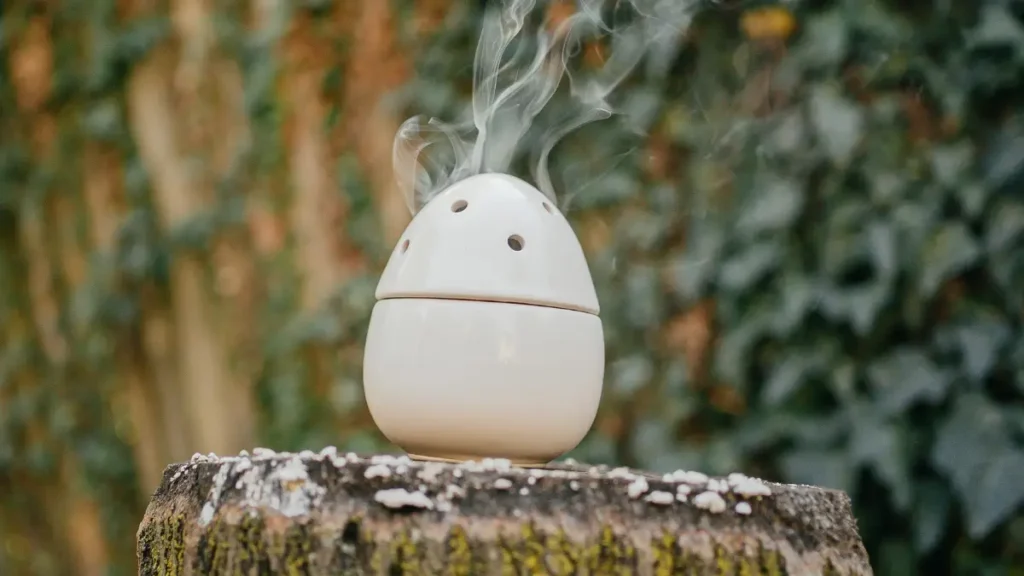
Before we dive in, let’s set ourselves up for success. I always tell people: rushing into cleaning without the right prep is a recipe for frustration.
You’ll want to gather your tools, understand basic safety, and have a clear plan so nothing gets missed.
Safety First: Unplug & Disassemble
Always unplug your humidifier before touching anything inside. I’ve seen friends try to clean while it’s still plugged in, and trust me, it’s not worth the risk.
Once it’s off, take apart any removable components—tank, nozzle, filter tray—so you can clean thoroughly.
Tools & Solutions You’ll Need
Here’s what I keep on hand:
- Distilled water (tap water leaves mineral deposits)
- White vinegar or mild disinfectant for soaking
- Soft brushes or cloths to scrub small parts
- Towels for drying
- Gloves if you want to keep your hands safe
Getting these ready before you start makes the cleaning process smooth and stress-free.
Just like forgetting to replace your HVAC filter can impact air quality, skipping proper humidifier cleaning can affect both your health and the device’s performance—here’s why changing filters matters as this guide explains.
Step-By-Step: Cleaning Your Humidifier
Now comes the core part. I follow a methodical approach, step by step, and it works every time. House Digest has a solid framework, but I’ll also add a few tips I’ve learned over the years.
Step 1: Empty & Rinse the Unit
Pour out any leftover water and rinse the tank. I usually swirl some water around to loosen deposits. Even a small amount of stagnant water can harbor bacteria, so don’t skip this.
Step 2: Soak Removable Parts
Fill the tank with a vinegar solution (about one part vinegar to two parts water) and let removable pieces soak for 20–30 minutes. This helps dissolve mineral buildup and disinfects without harsh chemicals. Pro tip: avoid mixing bleach with vinegar—it can create toxic fumes.
Step 3: Scrub Hidden Crevices
Grab a toothbrush or a cotton swab for tricky corners and nozzle areas. I like to think of it as a mini dental cleaning for your humidifier—gentle but thorough. HouseDigest emphasizes not scrubbing delicate sensors directly; soaking is safer.
Step 4: Rinse Thoroughly
After soaking and scrubbing, rinse all parts under running water until the vinegar smell is gone. Any leftover residue can affect mist quality and smell when you run the humidifier next season.
Drying Correctly Before Storage
After cleaning, the step most people skip is proper drying. I’ve learned that even perfectly cleaned humidifiers can develop mold if stored damp.
Air Dry Components Completely
I always lay out each part—tank, base, nozzles, and trays—on a towel for at least 24 hours. Make sure no water is trapped in corners. A simple visual check can save you from that musty smell next season.
Expert Tip from HouseDigest
Letting everything air dry thoroughly is the single most important step before storage. Even the smallest damp spot can turn into mold if left unchecked.
Some readers like to keep a handy list of seasonal home maintenance tips—they share quick reminders and step-by-step guides on WhatsApp, which can be really handy while cleaning or storing appliances like your humidifier.
Storing Your Humidifier for the Off-Season
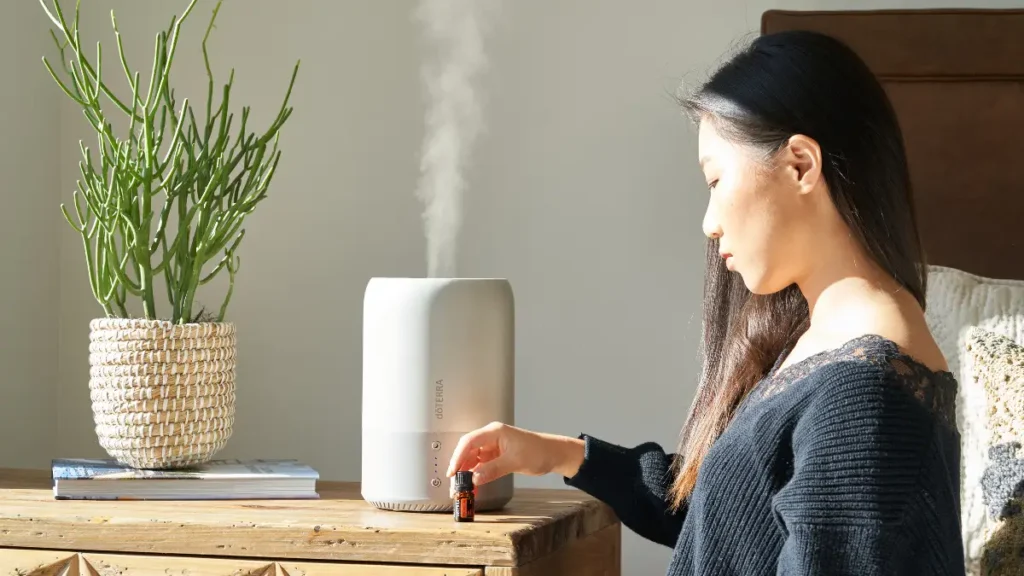
Now that it’s clean and dry, the way you store it can make all the difference. I’ve seen people carefully clean theirs only to have it smell funky when they pull it out months later.
Choose the Right Spot
Pick a cool, dry location—avoid basements or bathrooms where humidity can sneak in. Keep it away from direct sunlight to prevent plastic warping.
Wrap or Box It Safely
I usually use the original box or a breathable cloth bag. Label it with the last cleaning date so you know when it’s ready for next season.
Handle Filters Carefully
Old filters? Toss them. Store new ones in a sealed bag to keep dust and moisture away.
Even minor lapses in cleaning routines, like leaving stagnant water, can spread germs in your home—similar to the common flu cleaning mistakes I wrote about here.
Common Mistakes & How to Avoid Them
Even after cleaning and storing properly, mistakes happen. I’ve made some myself—and learned from them.
- Leaving water behind: A tiny leftover puddle can lead to mold faster than you think.
- Using harsh cleaners incorrectly: Vinegar is safe, bleach isn’t always—never mix with other chemicals.
- Neglecting the filter: A dirty filter ruins mist quality and spreads bacteria.
- Storing in a damp place: Even the cleanest unit will pick up mold if humidity sneaks in.
Storing your humidifier in a damp or poorly ventilated area can cause mold, much like improper snowblower storage can damage your equipment over the winter.
Quick Troubleshooting & Seasonal Maintenance Calendar
Even with careful cleaning and storage, sometimes your humidifier might give you trouble. I’ve faced this myself, so here’s what I do:
Troubleshooting Common Issues
- Mold smell after cleaning: Check if any water remained in crevices or the base. A quick rinse with vinegar usually fixes it.
- Mineral deposits stuck: Soak the affected parts longer in a vinegar solution or switch to distilled water going forward.
- Sensor damage or error codes: Avoid scrubbing delicate sensors directly—soak gently and wipe with a soft cloth.
Seasonal Maintenance Calendar
I like keeping a simple schedule to avoid surprises:
- Pre-season prep: Clean and check the unit before turning it on.
- Weekly cleaning during use: Quick rinse + check the water level to prevent bacteria buildup.
- Off-season storage: Clean, dry, label, and store safely.
Final Thoughts
Taking the time to clean and store your humidifier properly isn’t glamorous, but trust me—it’s worth it. I’ve saved myself months of dealing with foul smells, reduced performance, and even costly replacements just by following a few simple steps.
Now I’d love to hear from you: Have you ever had a humidifier go bad because of improper cleaning or storage? What’s your trick for keeping it fresh off-season? Share your tips in the comments so we can all avoid those frustrating surprises next year.
If you want more home maintenance tips, ideas, and quick seasonal hacks, you can follow us on X or join our Facebook group for daily updates and advice.
Disclaimer: The information in this article is for general guidance and home use only. Always follow the manufacturer’s instructions for your specific humidifier model. I’m not liable for any damage or injury resulting from misuse of cleaning solutions or improper handling.