How to Clean Safely After the Flu: 5 Common Mistakes
When someone in your home finally starts feeling better after the flu, I know the instinct.
You want to reset everything fast — wipe every surface, spray disinfectant, make the house feel “safe” again.
Most people do exactly that. And that’s where the problem starts.
Health and cleaning experts have been warning for years that post-flu cleaning is often done in the wrong way. Not because people are careless — but because they don’t realize how easily germs can spread during cleaning itself.
I’ve seen this pattern again and again in expert guidance and local health reporting: people clean aggressively, yet unknowingly push virus particles into the air, drag them from room to room, or wipe them around instead of killing them.
The result? A home that looks clean, but isn’t actually safer.
This is where a lot of flu-cleaning advice falls short. Most articles tell you what to clean. Very few explain what not to do — and that’s the real gap.
In this piece, I’m focusing on the specific cleaning habits experts say can backfire after someone has been sick. These aren’t obvious mistakes. They’re everyday habits most of us have done without thinking.
If you’ve ever cleaned your house after the flu and thought, “That should take care of it,”
you’ll want to read the next sections carefully.
Before we go further, let me ask you this: When you clean after an illness, are you sure you’re stopping germs — or could you be spreading them without realizing it?
Mistake #1 — Dry Dusting or Sweeping After Illness
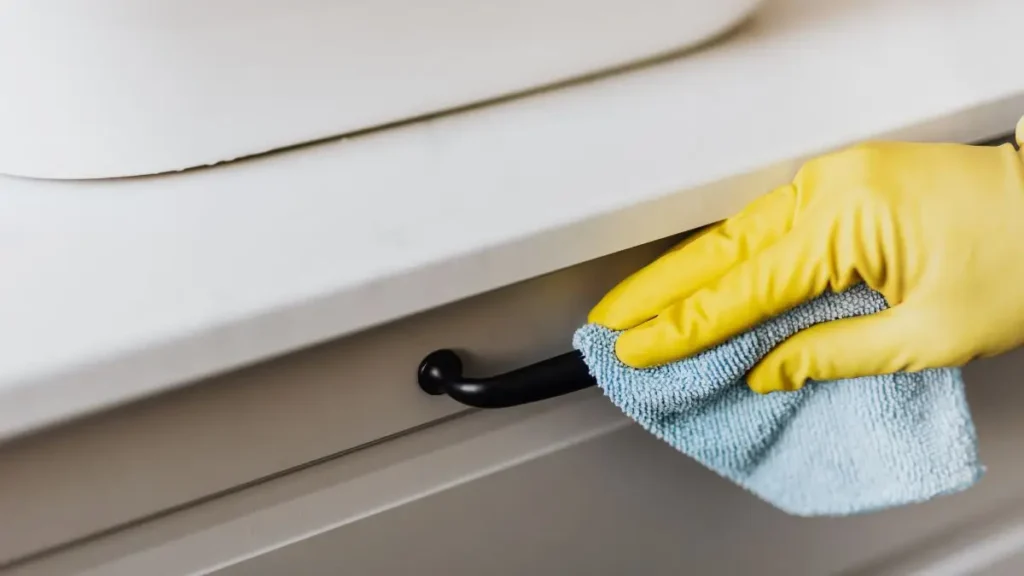
This is one mistake almost no one thinks about — and it’s one of the most risky.
When you dry dust shelves or sweep floors after someone has had the flu, you’re not removing germs. You’re often pushing them back into the air.
Health experts interviewed by WFMY News 2 have warned that dry dusting can kick virus particles off surfaces and allow them to linger in the air, where they can be inhaled or land somewhere else in the home. That means your quick cleanup can actually undo the progress you’re trying to make.
I’ve seen this advice repeated by infection-control professionals for a reason: flu viruses don’t just sit politely on surfaces. Once disturbed, they move.
What works better is wet cleaning. A damp cloth traps particles instead of launching them. A wet mop pulls germs in instead of spreading them around.
If you remember one thing here, make it this: Dry cleaning spreads. Wet cleaning contains.
Mistake #2 — Reusing the Same Rag or Mop Everywhere
This one feels efficient. It’s also a classic way germs travel.
When you clean multiple rooms with the same rag or mop head, you’re basically giving viruses a free ride from one space to another. What started in a sick bedroom can end up on kitchen counters or bathroom sinks.
Most people don’t notice this because the surface looks clean. But experts point out that cleaning tools get contaminated quickly — especially when you’re wiping high-touch areas like doorknobs, light switches, and remotes.
The fix isn’t complicated. Change cloths often. Swap mop heads. Use disposable wipes for the most-touched spots.
I always tell people this: Your cleaning tools matter just as much as your cleaning spray.
This is especially risky during winter illness season, which is why habits like using separate cloths and cleaning tools consistently can significantly lower household risk — something we’ve explained in detail in 4 simple cleaning habits that slash your family’s risk of cold & flu.
Mistake #3 — Forgetting to Clean Inside the Refrigerator
Almost everyone wipes the fridge handle. Very few people clean what’s inside.
That’s a problem.
Research shows that some viruses can survive longer on cold surfaces, which means fridge shelves, drawers, and bins shouldn’t be ignored after someone has been sick. Leftover containers, produce drawers, and condiment shelves all get touched more than we realize.
This isn’t about deep cleaning your entire fridge for hours. It’s about targeted wiping — especially areas that hands touch right before food prep.
If someone in your home was sick, the fridge isn’t just a food space. It’s a shared contact zone.
Small but important cleaning reminders like this often get missed during flu season. I regularly share quick, practical hygiene cues and home-care updates in a private WhatsApp feed — especially when illnesses are circulating.
Mistake #4 — Wiping Disinfectant Off Too Quickly
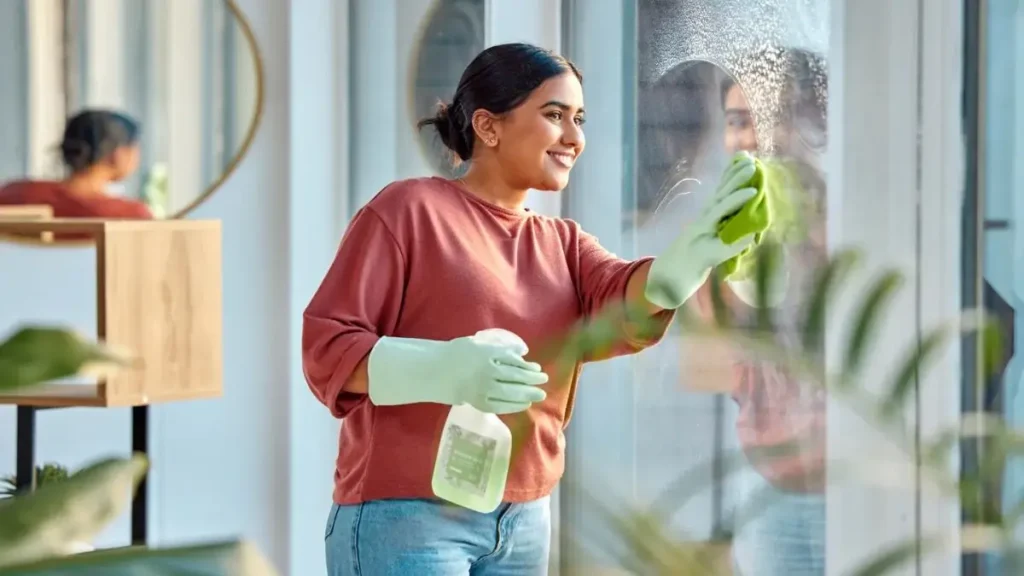
Spray. Wipe. Done. That’s how most people use disinfectants — and that’s where they go wrong.
Disinfectants need contact time to work. Depending on the product, that can mean leaving the surface wet for anywhere from 30 seconds to several minutes. If you wipe too soon, many germs survive.
The American Cleaning Institute has been repeating this warning for years, yet it’s still widely ignored. Labels matter. Timing matters.
Using more product won’t fix this. Only using it correctly will.
If you’re disinfecting after the flu, slow down. Let the product do its job.
Mistake #5 — Cleaning the Sick Person’s Room First
This is the mistake experts call the biggest one — and it sounds logical at first.
People usually start with the sick person’s bedroom because it feels like the “dirtiest” place. But cleaning the most contaminated area first increases the chance that germs spread to cleaner parts of the home.
Experts recommend the opposite approach: clean from the cleanest areas to the dirtiest ones.
That way, you’re not dragging contamination across the house as you move from room to room.
It’s not about cleaning harder. It’s about cleaning in the right order.
Before you move on, think about this for a moment: Which of these habits have you done without realizing it could backfire?
Just like with home renovations, cleaning mistakes often come from rushing or skipping steps — a pattern that shows up in other areas of home care too, such as the common issues highlighted in 11 common renovation mistakes that annoy neighbors and how to fix them.
What Experts Say Actually Makes a Home Safer After the Flu?
Here’s the part many people don’t want to hear.
Using more disinfectant doesn’t automatically make your home safer.
Experts consistently point out that how you clean matters far more than how much you clean. Spraying every surface, wiping everything twice, or mixing multiple products can give a false sense of control — without actually reducing risk.
What truly helps is smart, controlled cleaning:
- Wet methods instead of dry
- Clean tools instead of reused ones
- Enough time for disinfectants to work
- The right order, not rushed movement from room to room
I’ve noticed a clear pattern in expert advice: Homes that feel “over-cleaned” often miss the basics, while homes cleaned with intention and care do a better job stopping spread.
The goal isn’t perfection. It’s prevention without creating new risks.
In fact, many of these expert-backed habits overlap with the same winter cleaning strategies professionals recommend to reduce seasonal illness spread, including those outlined in Top 6 cleaning secrets to fight winter illness at home.
A Simple Post-Flu Cleaning Reset You Can Actually Follow
If everything above feels like a lot, don’t worry. This isn’t about doing more — it’s about doing things differently.
Here’s a simple reset experts stand by:
- Use damp cloths and wet mops, not dry dusters
- Change rags and mop heads as you move through rooms
- Don’t skip shared spaces like the fridge interior
- Let disinfectants sit for the time listed on the label
- Always clean from the cleanest areas toward the sick room
That’s it.
No extreme routines. No panic cleaning. Just habits that reduce spread instead of accidentally helping it.
Before you close this, let me ask you one last thing: Which of these cleaning habits are you most likely to change the next time someone in your home gets sick?
Disclaimer: This article is for general information and household hygiene guidance only. It is not a substitute for medical or public health advice. For health concerns or high-risk situations, always follow guidance from qualified healthcare professionals or local health authorities.