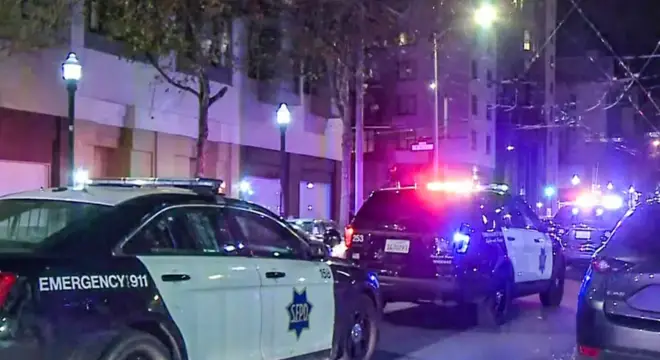
Los Angeles Firefighters Battle and Extinguish Big House Fire in Arlington Heights
I remember seeing the first reports pop up just before 10 p.m. on Monday night. If you live in L.A., you might have noticed the huge plume of black smoke rising from the Arlington Heights neighborhood—it was impossible to miss.
The fire had erupted in a boarded-up two-story home on the 1500 block of S. Wilton Place. What makes this house stand out isn’t just the flames—it used to be the California Hope Presbyterian Church, and seeing it in this state felt oddly jarring.
When I dug into the details, I found out that it took 66 firefighters just under 40 minutes to bring the blaze under control. The flames had already consumed parts of the second floor and even reached the converted attic, spreading quickly through the old structure.
Watching SkyCal footage of firefighters battling the fire from both the ground and aerial ladders, I could almost feel the intensity of the heat and chaos on the scene.
Here’s something that really caught my attention: this wasn’t the first time this house was on fire in less than two weeks. On February 7, during a previous fire, an L.A. firefighter suffered minor injuries after falling from a ladder. That detail adds a layer of urgency—you realize that this isn’t just a random accident; it’s a property that seems to keep testing the limits of safety.
By looking at the timeline and the repeated incidents, you start to understand the real challenges firefighters face, especially in older or converted buildings. It also makes you wonder about the risks of leaving structures abandoned or poorly maintained.
Have you ever thought about how much preparation goes into controlling a fire in a building like this? I’d love to hear your take—do you think neighborhoods are doing enough to prevent these repeated incidents?
Fire Department Response & Strategy
When I first saw the SkyCal footage, I couldn’t help but admire the scale of the response. According to CBS Los Angeles, it took 66 firefighters just under 40 minutes to bring the blaze under control.
You can almost feel the coordination it takes—crews battling flames from the ground while aerial ladders sprayed water on the second floor and attic.
It wasn’t just about putting out the fire. The team had to make sure the flames didn’t spread to neighboring homes, and they moved with precision through smoke and heat. Watching them operate makes you realize how dangerous these situations are, even when no injuries are reported.
If you’ve ever wondered how much goes into firefighting beyond the hoses and trucks, this is a clear example.
Firefighter Safety & Previous Incident
Here’s the part that really hits home: this was the second fire at the same house in less than two weeks. On February 7, an LAFD firefighter suffered minor injuries after falling from a ladder during the previous fire.
I can tell you, hearing about that makes you respect the risks these professionals face every day.
It’s not just about the flames. Every move on an unstable structure, especially in older or abandoned buildings, could result in serious injury.
That’s why safety protocols and training are so critical. When you read about these repeated incidents, it underscores the human side of firefighting—the courage and the constant awareness of danger.
Similar to how emergency crews responded in Arlington Heights, massive house fires in other states, like the Marion House fire, show just how quickly flames can spread in older or converted structures.
Investigation & Fire Cause
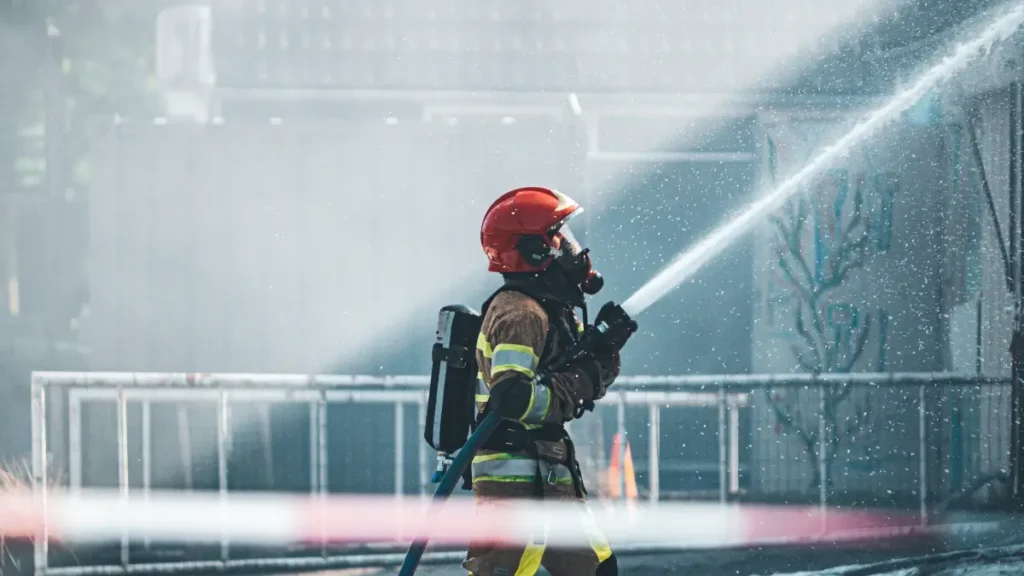
If you’re like me, the first question after a big fire is: What caused it? Right now, the official cause remains under investigation.
You might think repeated incidents point to negligence or arson, but in reality, older structures like this one can have hidden electrical hazards, flammable materials, or unsafe conversions that increase fire risk.
As someone who follows these incidents closely, I find it helpful to consider the possibilities without jumping to conclusions. Investigators usually look at structural risks, wiring, and any human activity around the property.
For us reading at home, the takeaway is clear: abandoned or poorly maintained buildings are inherently more dangerous.
Investigating the cause is always crucial. In cases like the Chestertown home explosion, proper assessment of structural and electrical hazards can prevent repeat tragedies.
Community & Neighborhood Impact
When you think about a fire like this, it’s not just the house that’s affected. Neighbors get worried, streets are blocked, and smoke fills the air.
The repeated fire at this same location has understandably heightened local anxiety.
If you live in the area, you probably feel the mix of relief that no one was hurt this time, and frustration that these incidents keep happening. Fires aren’t just news headlines—they disrupt daily life and shake a community.
People often share real-time updates about local fires, and you can see many of these alerts in real-time through WhatsApp community feeds covering the area.
Fire Safety Tips for Abandoned or Converted Structures
Now, let’s get practical. Seeing fires like this makes me think about what you and I can do to stay safe. First, always ensure smoke detectors are working in your home, especially in attics or converted spaces.
Electrical inspections are crucial, particularly if your building has old wiring or unusual modifications.
If you spot hazards in abandoned properties, report them to local authorities. And if you ever witness a fire, prioritize calling the fire department immediately rather than trying to intervene yourself.
Fires like Arlington Heights remind us how quickly things can escalate—but preparation and awareness make a real difference in keeping everyone safe.
Fires don’t just affect a single building—they impact neighbors and streets, much like what happened during the San Jose house fire that drew community attention and concern.
Key Takeaways
Looking back at the Arlington Heights fire, there are a few things I want you to take away—because it’s more than just another news story.
First, even a boarded-up house can turn into a major hazard very quickly. 66 firefighters and nearly 40 minutes were needed to control the blaze, and the flames reached the second floor and attic. That kind of intensity reminds us how unpredictable fires can be.
Second, repeated incidents matter. This was the second fire at the same property in under two weeks, and a firefighter was injured during the previous response. That highlights both the risks to professionals and the importance of keeping abandoned or neglected buildings monitored.
Third, cause is still under investigation, but older structures or converted spaces often hide dangers—from wiring to structural weaknesses. If you’re someone who lives near older homes or converted buildings, stay alert, and don’t underestimate what a fire can do.
Finally, there’s a bigger lesson about community and preparedness. Fires don’t just affect a single building—they impact neighbors, streets, and entire neighborhoods. Paying attention to safety tips, being proactive, and supporting local firefighting efforts can make a real difference.
So here’s my question to you: Have you checked your home or neighborhood for hidden fire risks lately? Sometimes awareness is the simplest way to prevent a tragedy before it starts.
For more updates on house fires and safety tips, you can also follow our coverage on X and join the discussion on our Facebook group.
Disclaimer: The information in this article is based on official reports and reputable sources. It is intended for informational purposes only and should not replace professional advice. Details may change as investigations continue.