Firefighters Battle Three-Home Blaze at Lake of the Ozarks
A fire broke out Friday afternoon near Lake of the Ozarks, damaging three homes and drawing a large response from local firefighters. Crews were called around 12:44 p.m. to an area off Route W in Eldon after reports of a house fire. When they arrived, they found three residences already burning, turning the call into a major firefighting operation.
Officials later confirmed that all the homes were vacation properties, and thankfully no one was inside at the time. While no injuries were reported, the fire caused heavy property damage and required hours of work from emergency crews to bring the situation under control.
Three Vacation Homes Destroyed in the Lake of the Ozarks Fire
Properties Were Empty When the Fire Started
When I dove into the reports, one of the first things that stood out was that no one was home when the fire broke out. Officials confirmed all three structures were vacation homes, not primary residences. That detail probably prevented what could have been a much worse tragedy.
You can picture how fast this could escalate if someone had been inside — especially in a rural area without quick hydrant access. Thankfully, no injuries were reported, even as flames spread across three separate buildings.
Estimated Damage Reaches $1 Million
Even though no one was hurt, the damage was significant. Early estimates put losses at around $1 million, with all three structures suffering heavy damage.
For context on how authorities covered this event and confirmed these details, see the ABC17 News report on the Lake of the Ozarks fire — abc17news.com coverage of Lake of the Ozarks fire.
That source helps anchor this story in verified reporting, so you don’t have to wonder whether the numbers are accurate.
Firefighters Faced a Major Challenge — No Fire Hydrants
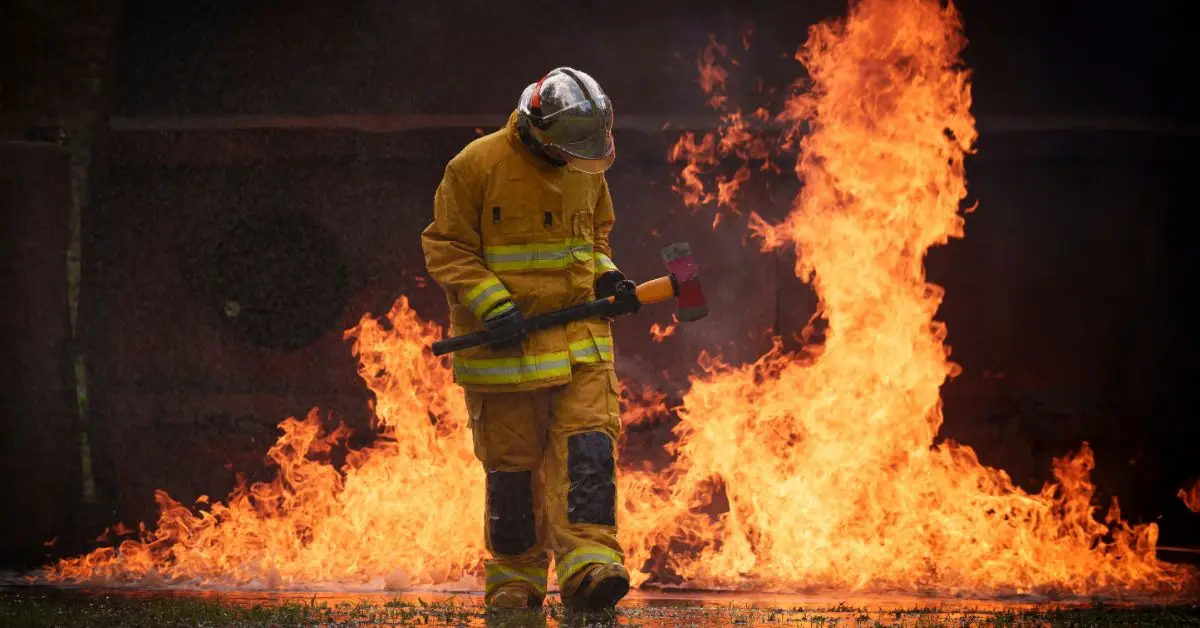
One of the biggest hurdles for crews wasn’t just putting flames out — it was getting enough water on scene.
In much of the Lake of the Ozarks area, you won’t find fire hydrants the way you do in more urban places. That design gap means firefighters often have to improvise their water supply, especially when multiple structures are involved. Similar infrastructure challenges have played a role in other emergencies as well. In one recent case, an explosion sparked a major fire at a Georgetown house that quickly escalated before responders could stabilize the situation.
In this case, crews drew water from nearby wells and brought in a fire boat to pump directly from the lake. It’s an older-school method, but in places like this, it becomes a lifesaver.
Tanker Trucks Conducted Water Shuttle Operations
Even with that, water still had to be transported back and forth. Fire crews used tanker trucks in a shuttle operation to continuously bring water to the scene.
Those logistics matter more than most people realize. When you’re racing against a blaze, every second — and every gallon of water — counts.
Terrain and Limited Access Slowed Emergency Response
When I looked deeper into how crews handled this fire, it became clear that the location itself created serious challenges. The homes were in a rural stretch near the lake, where road access is limited and properties sit far apart.
That meant firefighters couldn’t just pull up with engines and immediately attack the flames. Crews had to navigate narrow access roads and uneven terrain before equipment could even be positioned.
Fire Chief Jerry Blomberg also explained that both terrain and the lack of nearby hydrants complicated the response. In a report by KOMU 8 News he noted that crews were resource-limited early in the response and had to rely on additional support to keep the firefighting effort moving.
If you’ve spent time around lake properties, you probably know how common this setup is — winding roads, wooded areas, and homes tucked away from main routes. Those same features that make the area scenic can also slow emergency access when a fire breaks out.
Firefighters Contained the Blaze After Two Hours
Even with those obstacles, firefighters eventually brought the blaze under control after roughly two hours.
This required a coordinated response involving multiple teams. Mutual aid partners joined the effort, helping bring in additional equipment and personnel to manage the growing fire.
When several structures are burning at once, departments have to divide resources carefully. Crews worked together to contain the flames and prevent them from spreading to nearby properties, which is often the top priority in lake communities.
From the outside, a two-hour response might sound long. But considering the terrain, water access issues, and multiple structures involved, the coordinated effort helped keep the situation from becoming even worse.
Stories like this often continue developing as investigators release new details. Many readers prefer getting quick alerts when similar fire incidents or safety updates happen in different areas, which is why some communities also share verified incident updates through channels like WhatsApp.
Temporary Power Outage Reported in the Area

The fire also caused a temporary power outage in the surrounding area. Incidents like this can affect nearby electrical lines or equipment when flames or heavy smoke reach utility infrastructure.
Utility crews responded quickly and restored power shortly after the outage was reported.
For residents nearby, outages during emergencies can be unsettling. But in this case, the restoration happened fast, allowing firefighters to focus on finishing the response and securing the area.
Cause of the Lake of the Ozarks Home Fire Still Under Investigation
Right now, investigators still don’t know what started the fire. Officials say the origin remains under investigation, and it may take time before a clear explanation emerges.
When authorities examine fires like this, they usually start with the most common possibilities. Investigators will likely look at electrical systems, weather conditions, and any potential accidental ignition sources that could have triggered the blaze. Investigations like this can take time, and sometimes they uncover tragic outcomes. In fact, a fatal early-morning house fire reported in southern Dallas recently showed how quickly residential fires can turn deadly.
Common Risk Factors in Lakefront Properties
If you spend time around lake communities, you’ll notice many homes share similar construction and surroundings. Those features make them beautiful places to stay — but they can also increase fire risk.
Many lakefront properties rely heavily on wooden construction, which burns faster once flames spread. Homes are also often far from fire hydrants, meaning firefighters need more time to secure enough water.
Another factor is the environment. Dense tree cover and narrow access roads can slow emergency response and allow fires to grow before crews fully contain them.
Fire safety research from the National Fire Protection Association also highlights that rural or remote properties often face higher firefighting challenges due to limited water supply and longer response times.
When you combine wooden structures, vegetation, and distance from infrastructure, you get a situation where fires can escalate quickly if they aren’t caught early.
Fire Prevention Tips for Remote or Vacation Homes
If you own a vacation home or visit lake properties often, this incident is a good reminder that basic fire precautions matter even more in remote areas.
Start with the basics. Install monitored smoke alarms, especially in homes that sit empty for long periods. Residential fires can displace families within minutes. In one recent incident, 14 residents were forced out after a massive fire engulfed a Pawtucket home, showing how quickly people can lose access to their property.
Early detection can prevent a small issue from becoming a major fire.
It also helps to maintain clear space around the property so flames don’t spread easily from nearby trees or vegetation.
You should also make sure emergency access routes stay open. Narrow driveways or blocked roads can slow firefighters when time matters most.
Finally, keep working fire extinguishers inside the home. In some cases, having one nearby can stop a small fire before it turns into a disaster.
What Residents Near Route W Should Know
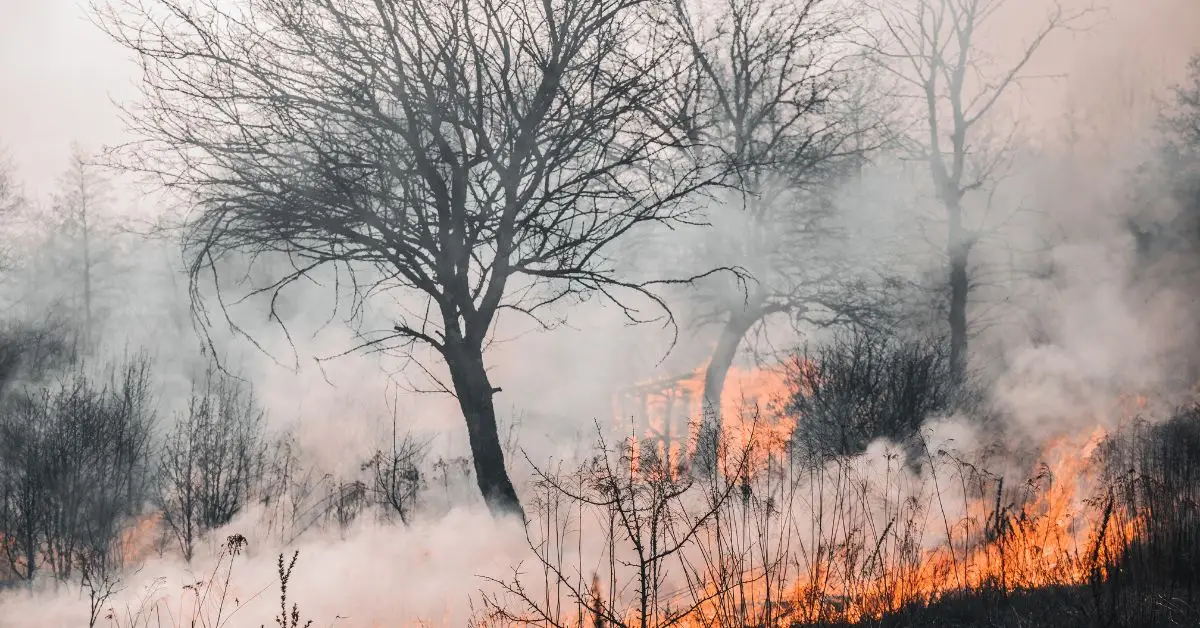
If you live near Route W in Eldon, officials say it’s best to stay clear of the immediate area while crews finish their work.
Firefighters and emergency teams may still be operating around the damaged properties, which means some roads could remain temporarily restricted. When active investigations and cleanup operations are underway, keeping traffic away helps crews move safely and do their jobs faster.
For residents nearby, this simply means being patient with any short-term access limits while authorities continue their work.
Latest Updates on the Lake of the Ozarks Fire
Even though the flames have been contained, the situation isn’t fully wrapped up yet.
Officials are still assessing the full extent of the damage, and that process can take time. Investigators will review the structures, determine what remains salvageable, and document the losses.
For homeowners, the next steps will likely involve insurance claims, property inspections, and potential rebuilding decisions. Updates are expected as local authorities and fire officials release more details about the incident and the investigation.
If you’re following this story, it’s worth keeping an eye out for new updates as they become available.
Conclusion
Fires like this are a reminder of how quickly a normal day can turn into a major emergency. In this case, three vacation homes near Lake of the Ozarks were heavily damaged, and firefighters had to overcome difficult terrain, limited water access, and rural infrastructure challenges to bring the situation under control.
The most important takeaway is that no injuries were reported, even though the property damage is significant. Investigators are still working to determine what caused the fire, and more information may emerge in the coming days.
If you own a lake property or spend time in similar rural areas, incidents like this also highlight why fire preparedness and early detection systems matter.
I’d also like to hear from you.
Do you think vacation homes in remote areas need stricter fire safety measures?
Share your thoughts in the comments below — your perspective could help other property owners think about safety in a new way.
And if you’re interested in more practical insights about homes, property safety, and smart building practices, you can explore more guides and updates on Build Like New.
If you want to stay updated on major house fires, property safety incidents, and building-related news across the country, you can also follow X and Facebook. We regularly share important fire incidents, safety insights, and housing updates there.
Disclaimer: The information in this article is based on reports from local authorities and news sources available at the time of writing. Details about the incident may change as investigators continue their work and officials release new updates.